


Metabolism
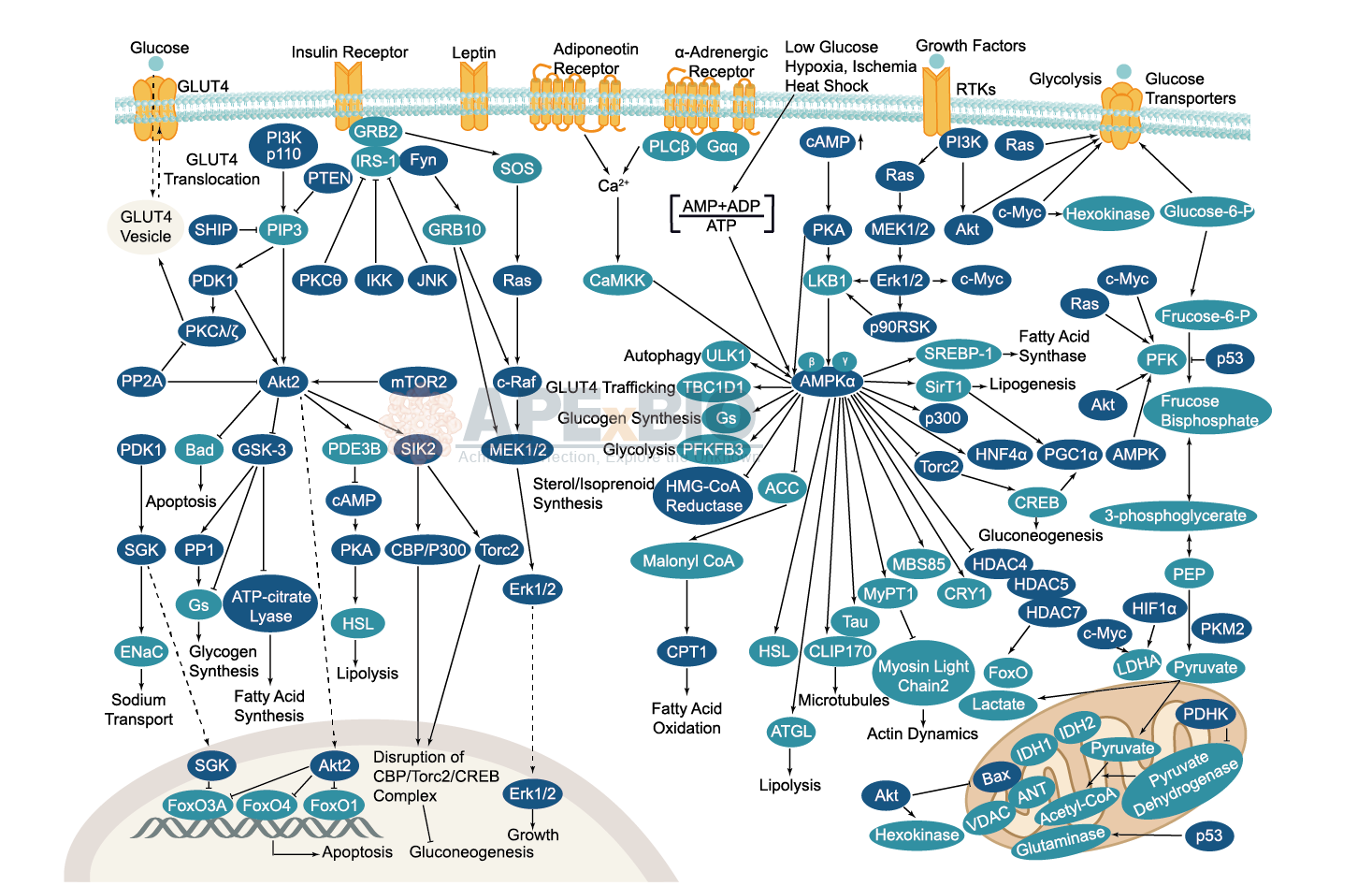
Serine/threonine kinase AMPK upregulates glucose uptake by promoting the expression and function of glucose transporters. AMPK is activated by increased AMP/ATP ratio, resulting from cellular and environmental stress, e.g. low glucose, heat shock, hypoxia and ischemia. AMPK activation positively modulates signaling transductions that refill ATP levels. Moreover, it also stimulates catabolic processes such as fatty acid oxidation and glycolysis through inhibition of ACC and activation of PFK2. AMPK negatively regulates various proteins which are important to ATP-consuming mechanisms, e.g. mTORC2, glycogen synthase, SREBP-1, and TSC2, causing the downregulation/inhibition of gluconeogenesis and glycogen, lipid and protein synthesis.
-
 BA8530 MAO-B-IN-30Summary: MAO-B-IN-30 is a potent, selective inhibitor that crosses the blood-brain barrier.
 -
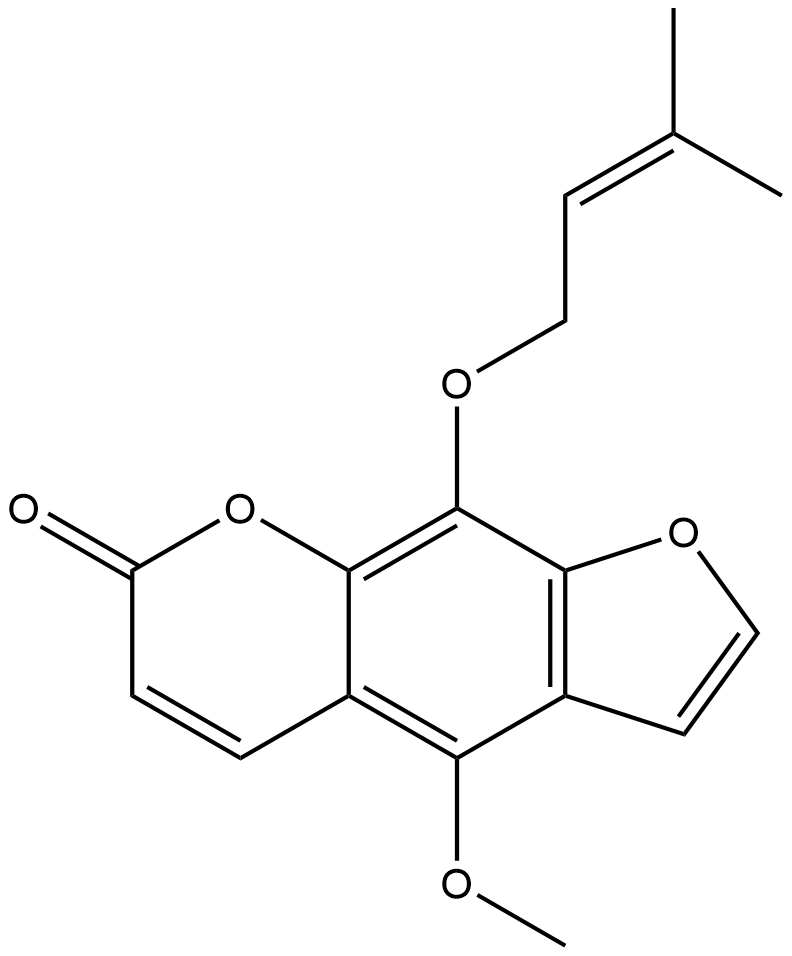 BA8685 PhellopterinSummary: An orally active furocoumarin that acts as a partial agonist of central benzodiazepine receptors, with anti-inflammatory activity via SIRT1 upregulation
 -
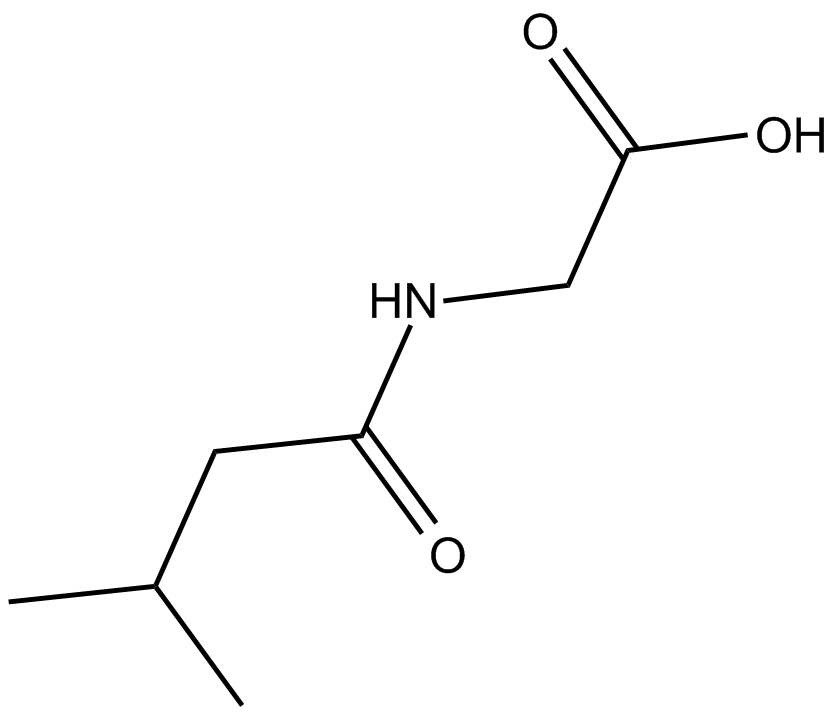 C5211 IsovaleroylglycineSummary: A biomarker that can reflect lipid metabolism disorders and obesity.
 -
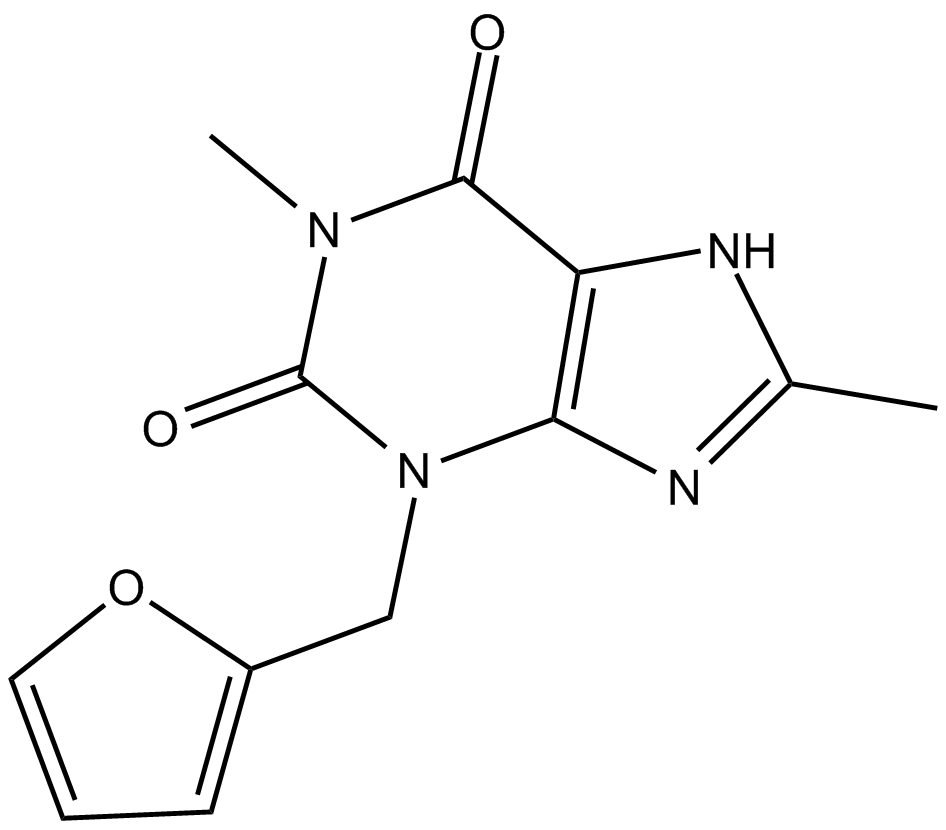 C5229 FurafyllineSummary: An effective and selective inhibitor of human cytochrome P450IA2.
 -
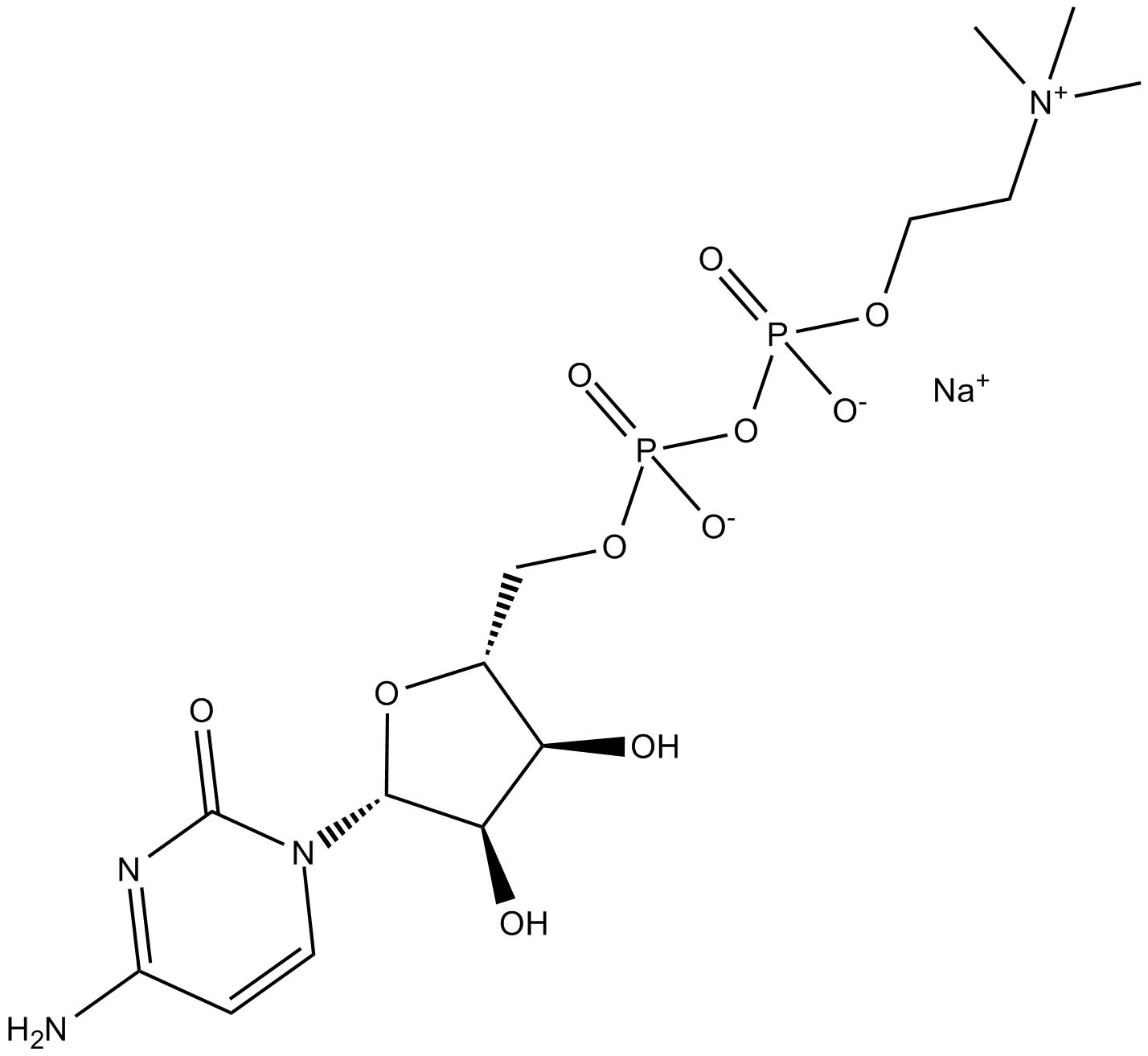 C5242 Citicoline (sodium salt)Summary: An intermediate used in research on neuronal cell membrane repair and functional recovery.
 -
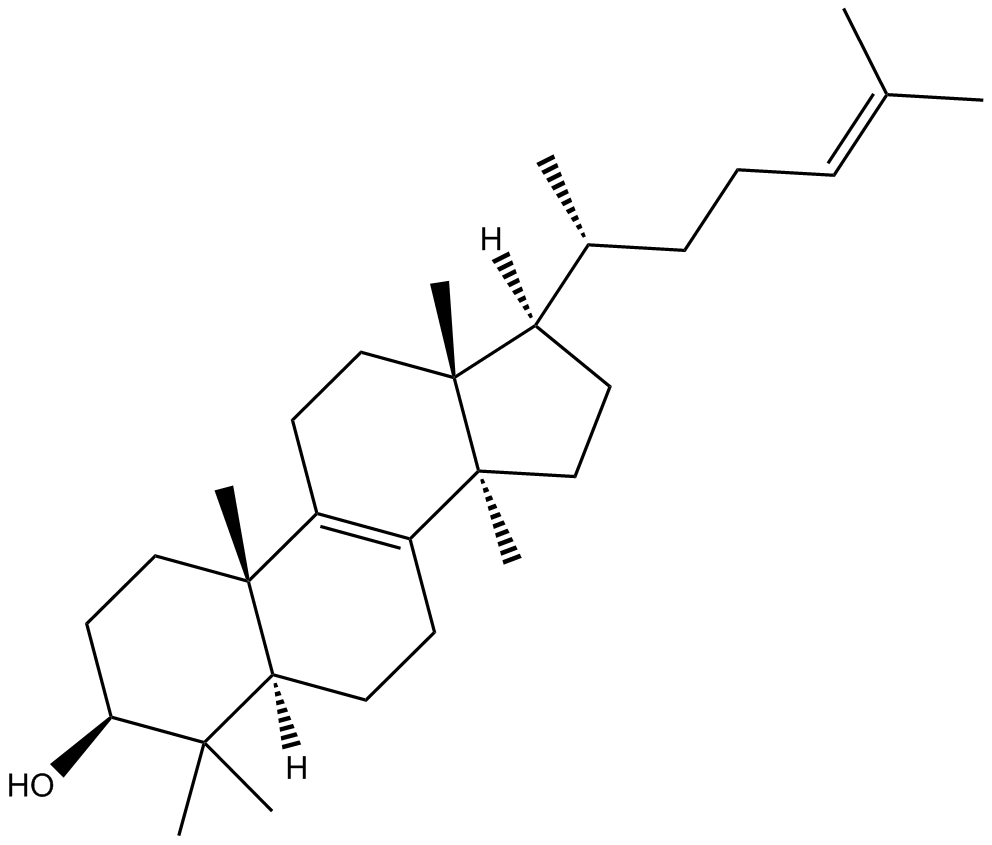 C5268 LanosterolSummary: Natural sterol, a biosynthetic precursor of cholesterol
 -
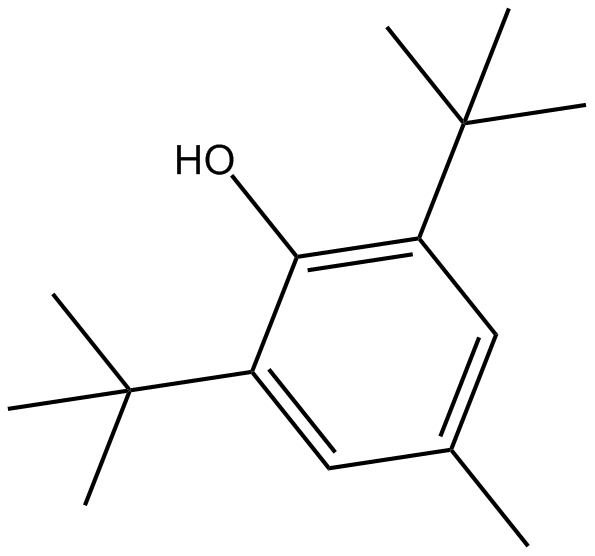 C5273 BHTSummary: A synthetic phenolic antioxidant widely used in the food industry and a ferroptosis inhibitor.
 -
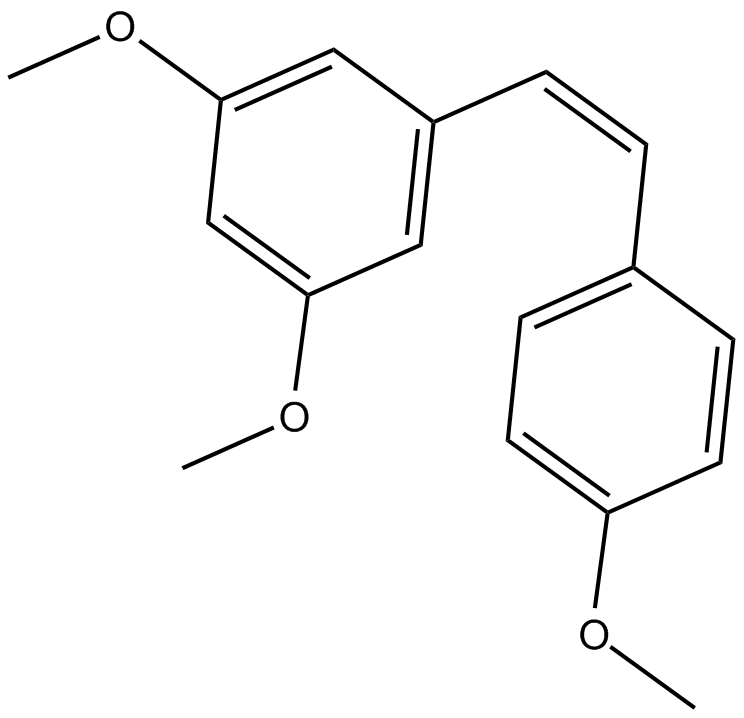 C5277 trans-trismethoxy ResveratrolSummary: A compound for anti-inflammatory and anti-angiogenesis research.
 -
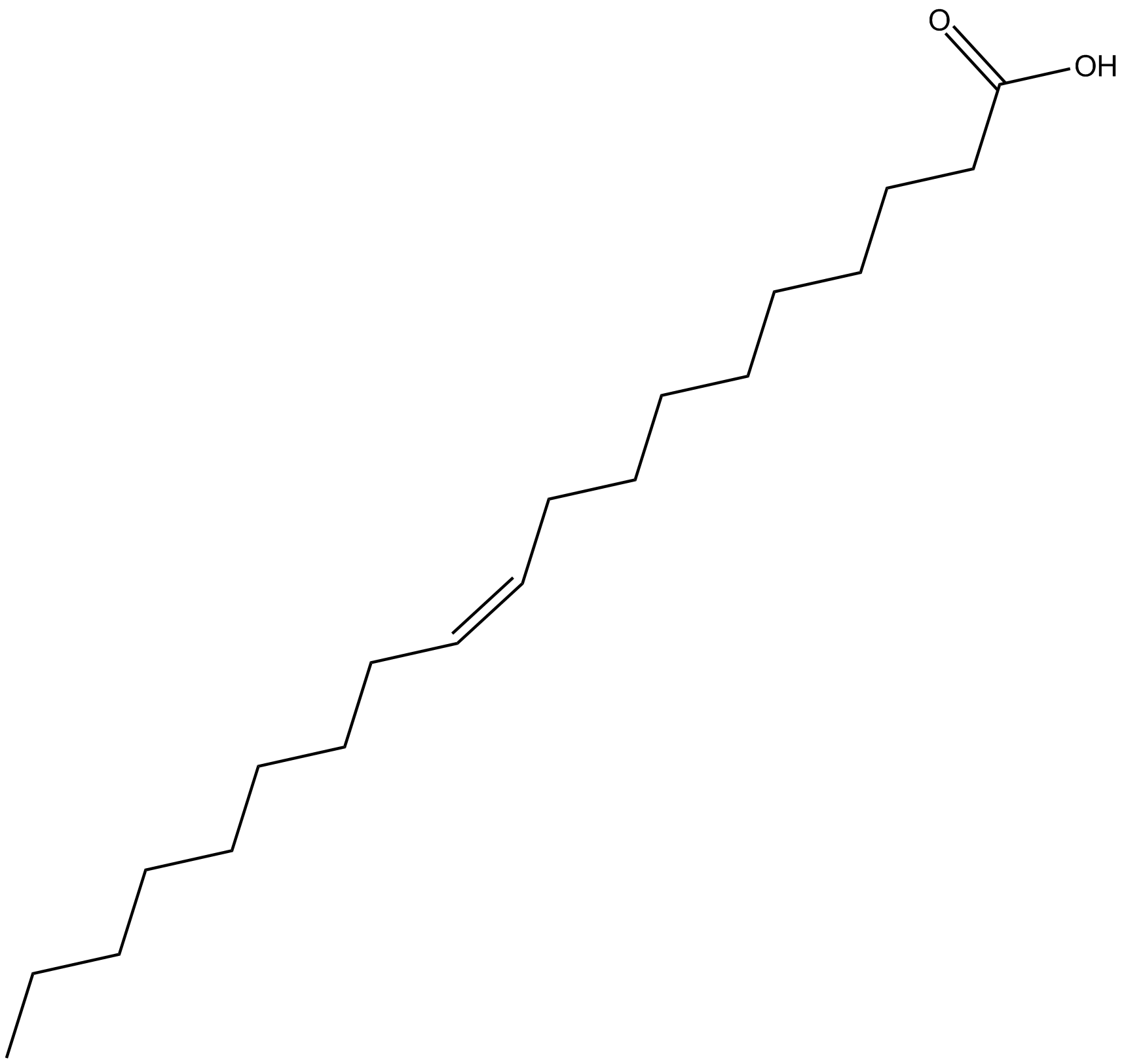 C5369 cis-10-Nonadecenoic AcidSummary: An antitumor bioactive fatty acid that can modulate cell proliferation and apoptosis.
 -
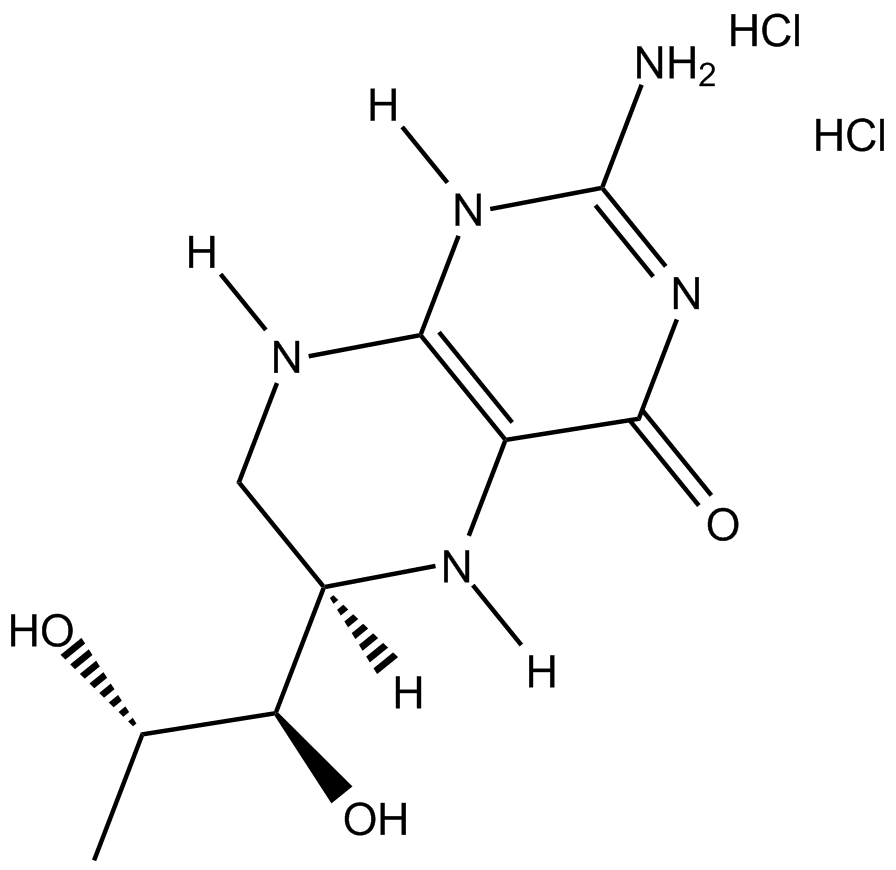 C5419 tetrahydro-L-Biopterin (hydrochloride)Summary: An enzyme activity modulator for phenylketonuria research.