


Metabolism
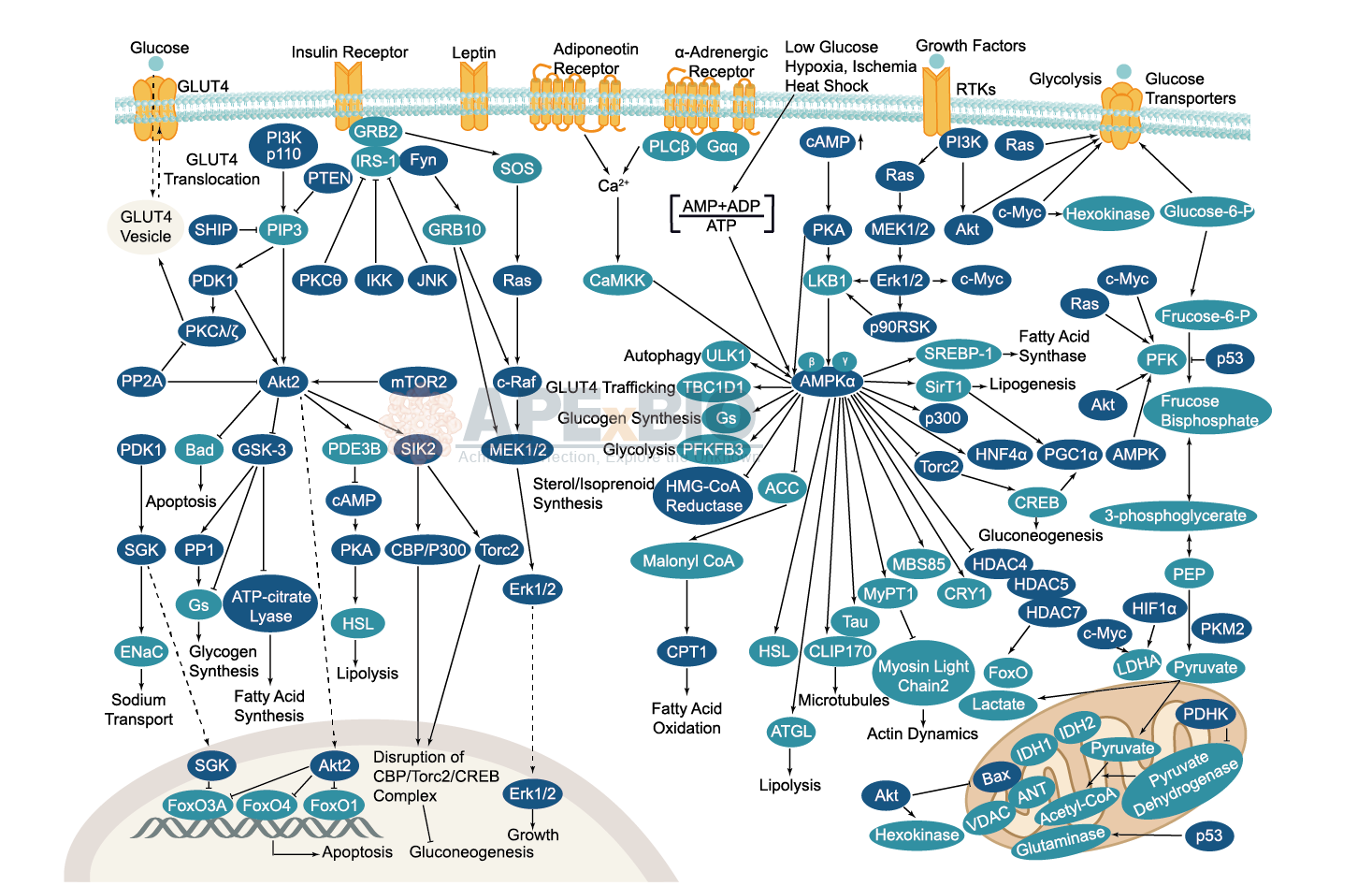
Serine/threonine kinase AMPK upregulates glucose uptake by promoting the expression and function of glucose transporters. AMPK is activated by increased AMP/ATP ratio, resulting from cellular and environmental stress, e.g. low glucose, heat shock, hypoxia and ischemia. AMPK activation positively modulates signaling transductions that refill ATP levels. Moreover, it also stimulates catabolic processes such as fatty acid oxidation and glycolysis through inhibition of ACC and activation of PFK2. AMPK negatively regulates various proteins which are important to ATP-consuming mechanisms, e.g. mTORC2, glycogen synthase, SREBP-1, and TSC2, causing the downregulation/inhibition of gluconeogenesis and glycogen, lipid and protein synthesis.
-
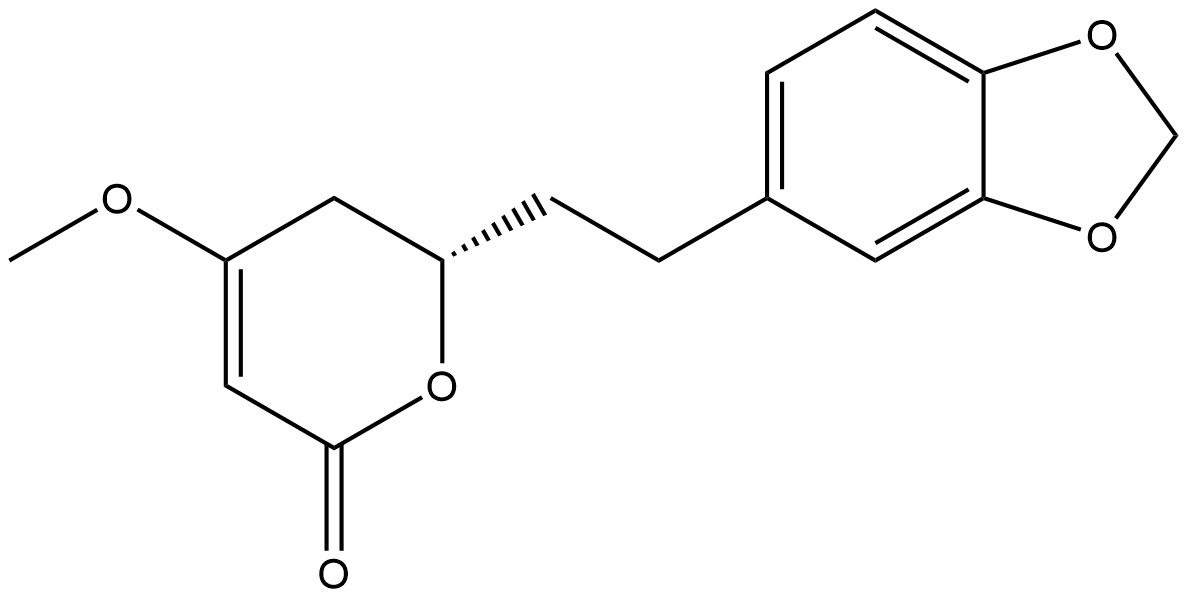 BA7247 DihydromethysticinSummary: A kavalactone derived from kava (Piper methysticum)
 -
 BA7460 IsovalerylcarnitineSummary: Isovalerylcarnitine is a product of L-leucine catabolism.
 -
BA7581 DiacetoxyscirpenolSummary: Diacetoxyscirpenol (DAS) is a mono-terminal mycotoxin that is a secondary metabolite of fungi.
-
BA7641 MyricanoneSummary: A compound isolated from the bark of the tree.
-
BA7918 CirsiliolSummary: Cirsiliol is a potent and selective inhibitor of 5-lipoxygenase.
-
BA7927 5-LOX-IN-2Summary: 5-LOX-IN-2 is a 5-lipoxygenase inhibitor.
-
BA5837 JC2-11Summary: JC2-11 is an inflammatory vesicle inhibitor.
-
BA6013 TaraxasterolSummary: Taraxasterol is a pentacyclic triterpenoid.
-
BA6105 MSU-42011Summary: MSU-42011 is an orally active retinoid X receptor agonist.
-
BA6192 Pyropheophorbide-aSummary: Photosensitizer for tumor photodynamic therapy (PDT).