


Metabolism
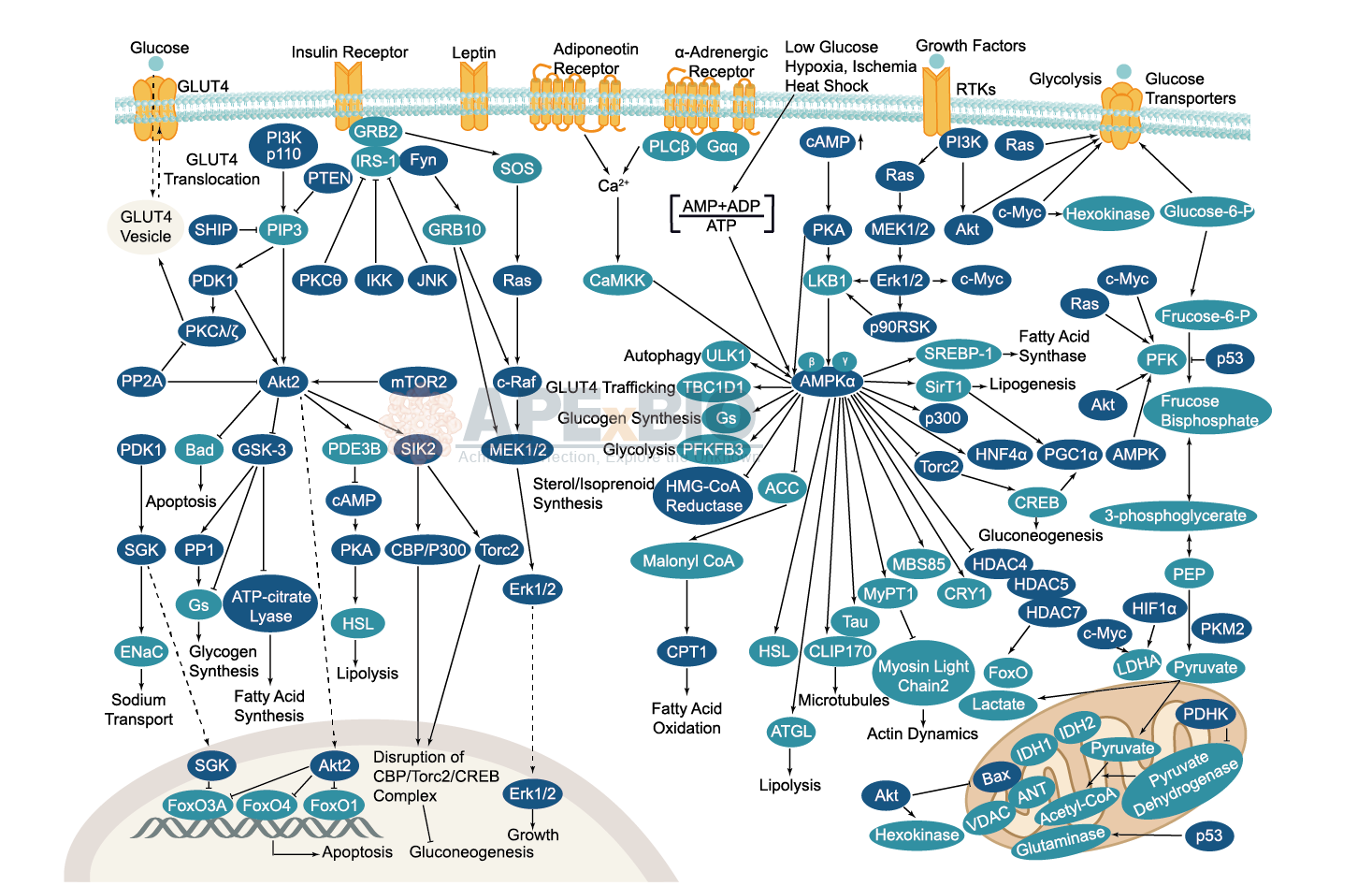
Serine/threonine kinase AMPK upregulates glucose uptake by promoting the expression and function of glucose transporters. AMPK is activated by increased AMP/ATP ratio, resulting from cellular and environmental stress, e.g. low glucose, heat shock, hypoxia and ischemia. AMPK activation positively modulates signaling transductions that refill ATP levels. Moreover, it also stimulates catabolic processes such as fatty acid oxidation and glycolysis through inhibition of ACC and activation of PFK2. AMPK negatively regulates various proteins which are important to ATP-consuming mechanisms, e.g. mTORC2, glycogen synthase, SREBP-1, and TSC2, causing the downregulation/inhibition of gluconeogenesis and glycogen, lipid and protein synthesis.
-
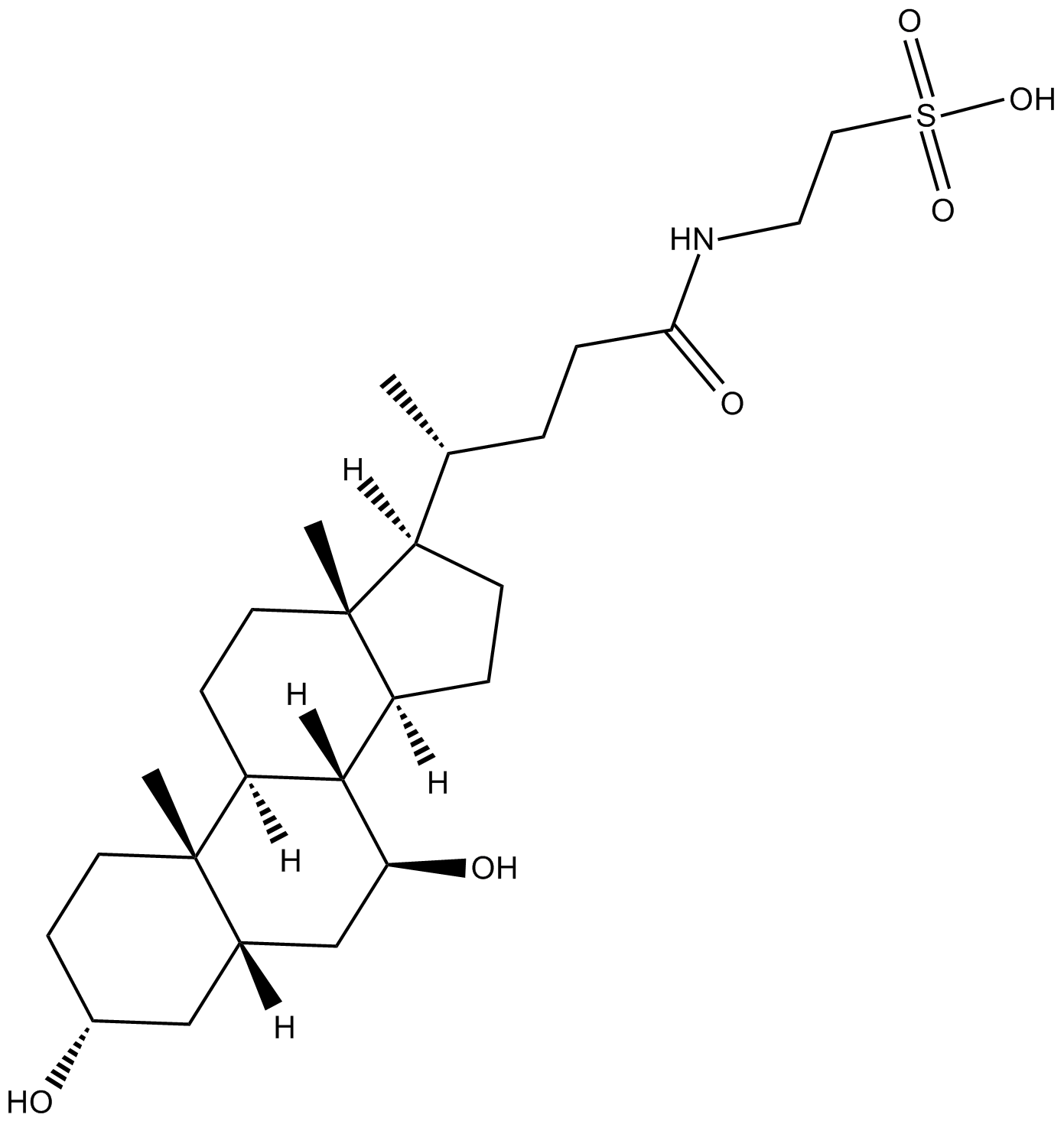 C3233 Tauroursodeoxycholic AcidSummary: Mitochondrial stabilizer, anti-apoptotic agent
 -
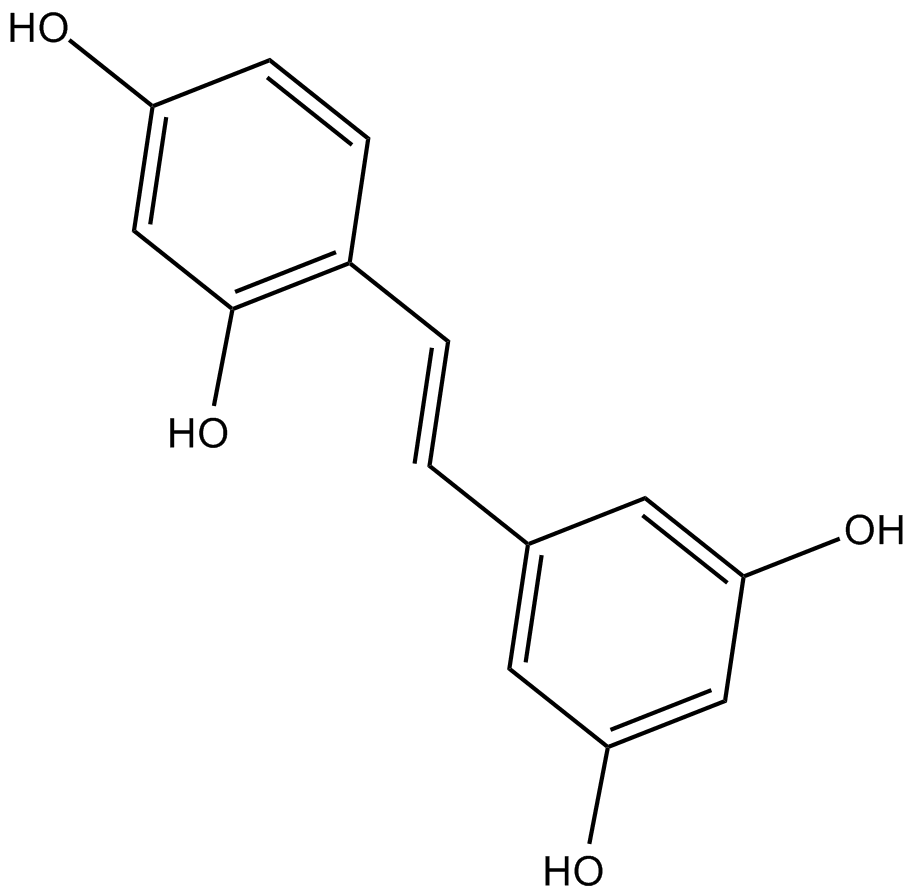 C3241 OxyresveratrolSummary: Exhibits antioxidant, tyrosinase-inhibitory, and antiviral activities, and has neuroprotective effects.
 -
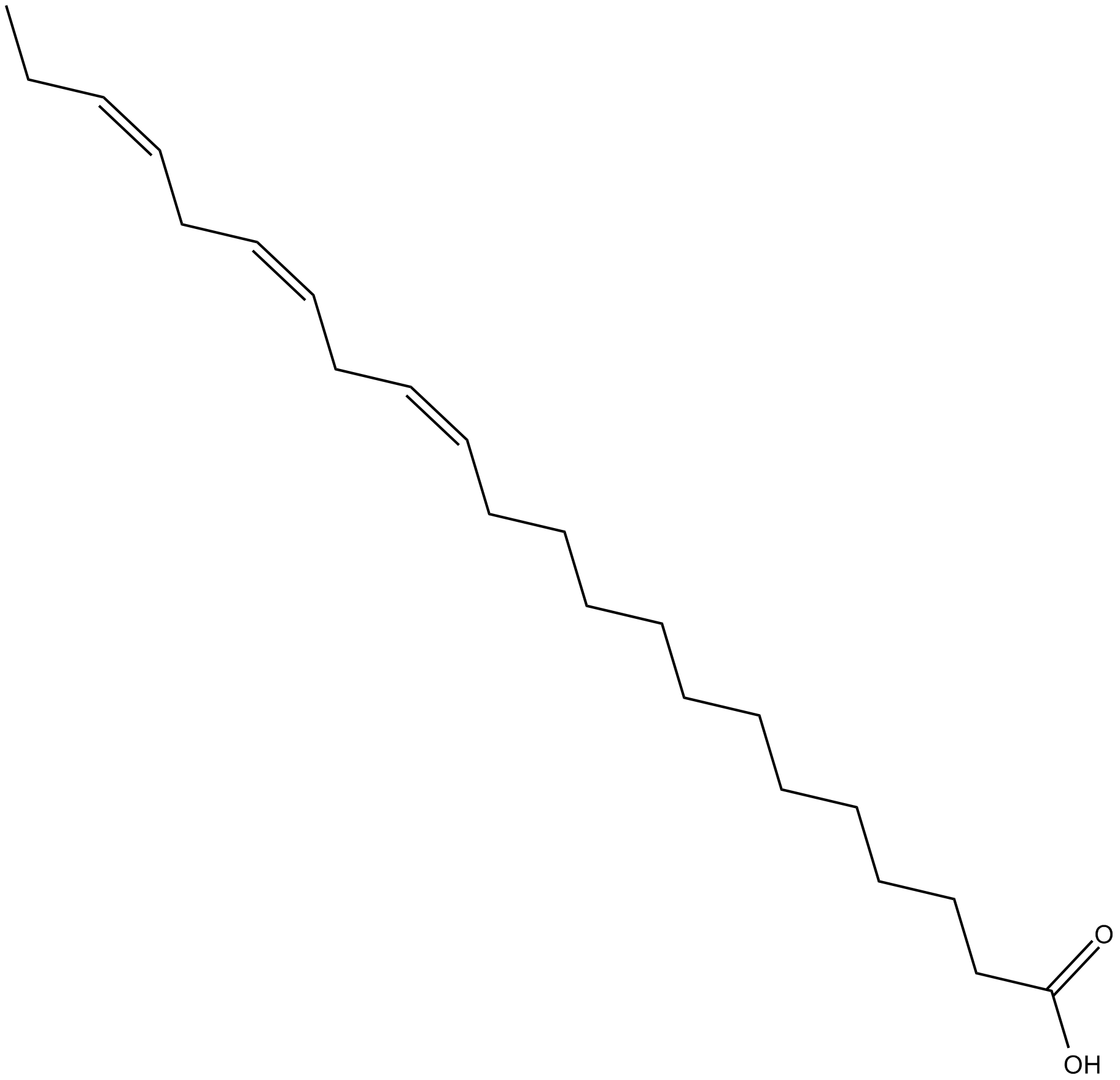 C3255 Docosatrienoic AcidSummary: An ω-3 fatty acid that competitively inhibits the binding of LTB4 to neutrophil membrane receptors.
 -
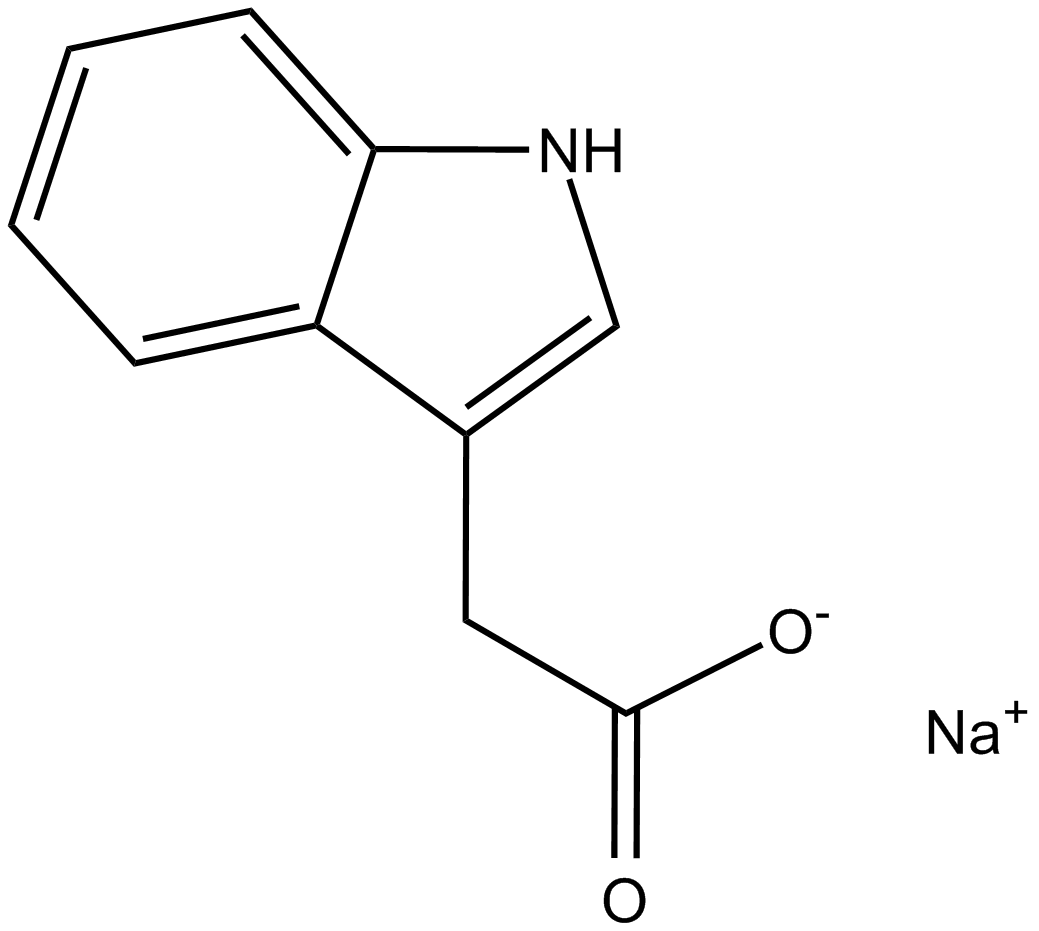 C3290 Indole-3-Acetic Acid (sodium salt)Summary: An endogenous indole metabolite that regulates plant growth and cellular signaling pathways.
 -
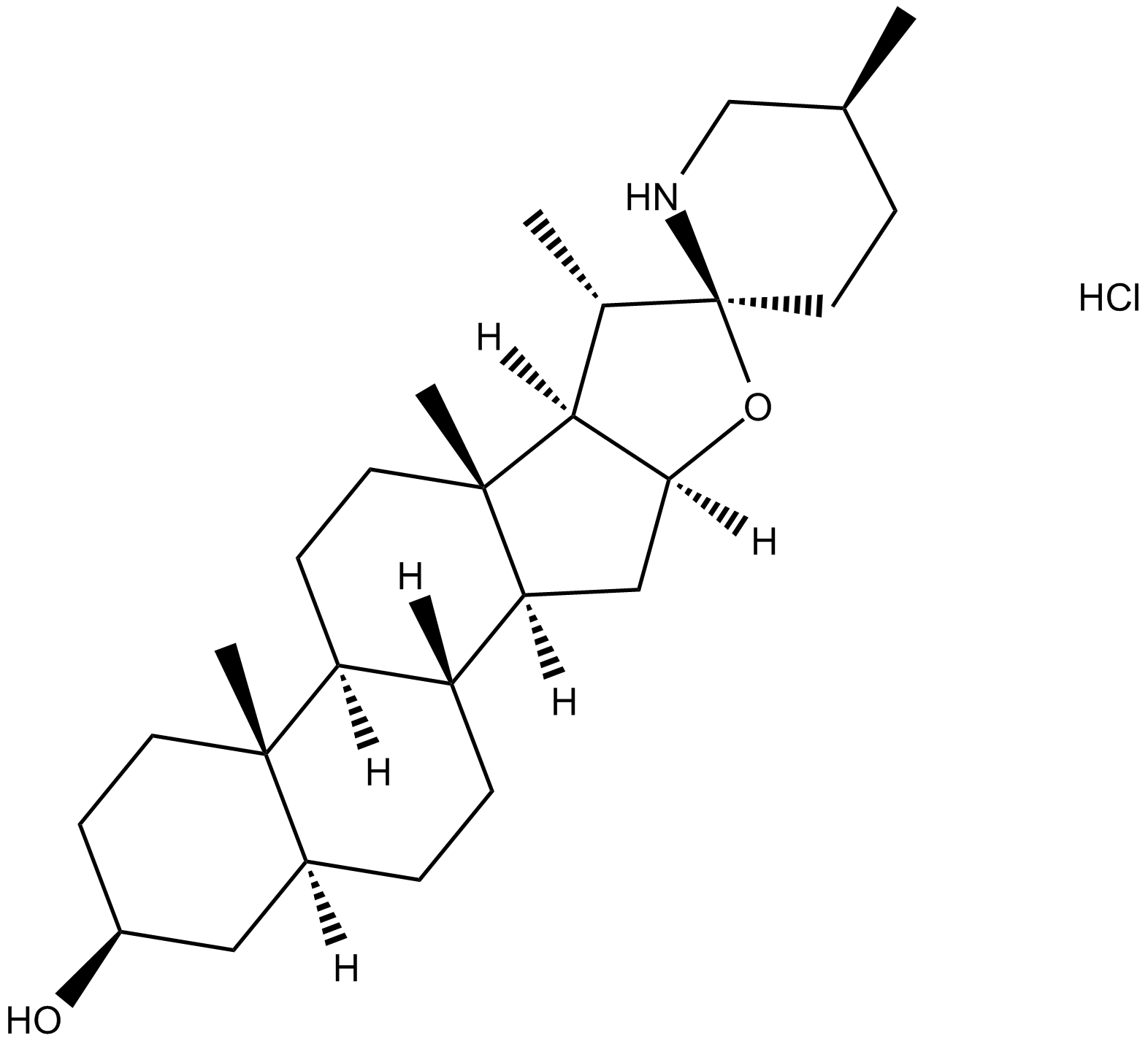 C3293 Tomatidine (hydrochloride)Summary: A steroidal alkaloid that inhibits the NF-κB and JNK pathways and induces cellular autophagy.
 -
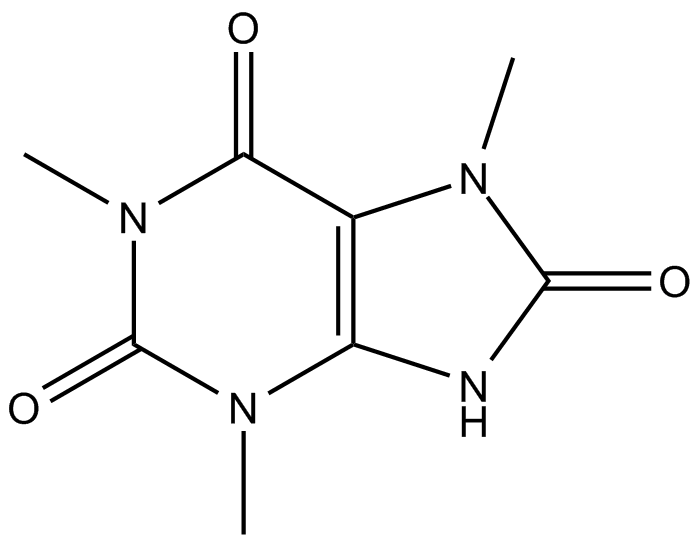 C3330 1,3,7-Trimethyluric AcidSummary: A biomarker used to analyze CYP3A drug-metabolizing activity.
 -
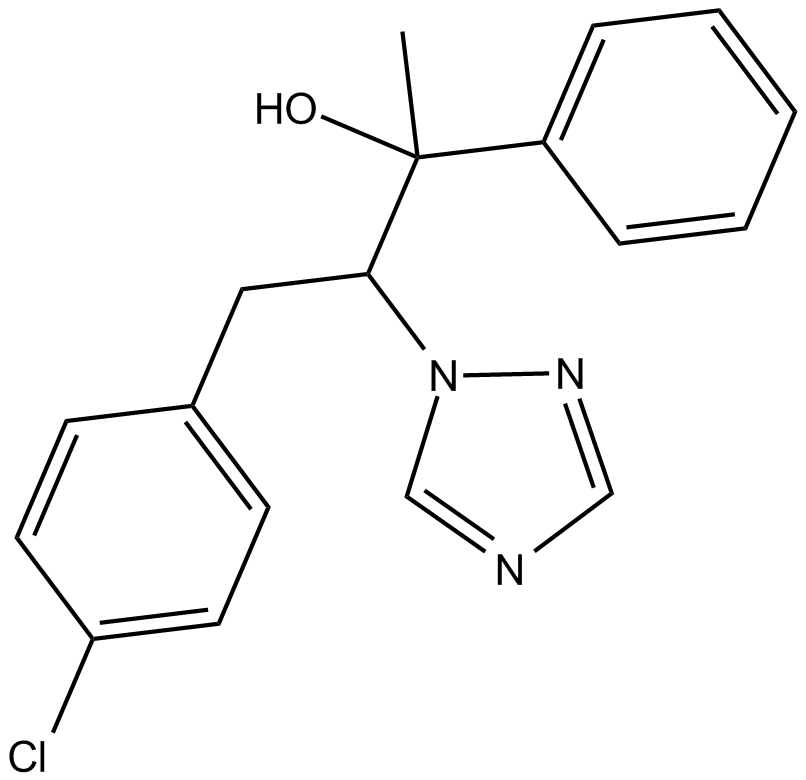 C3335 BrassinazoleSummary: Brassinosteroid biosynthesis inhibitor
 -
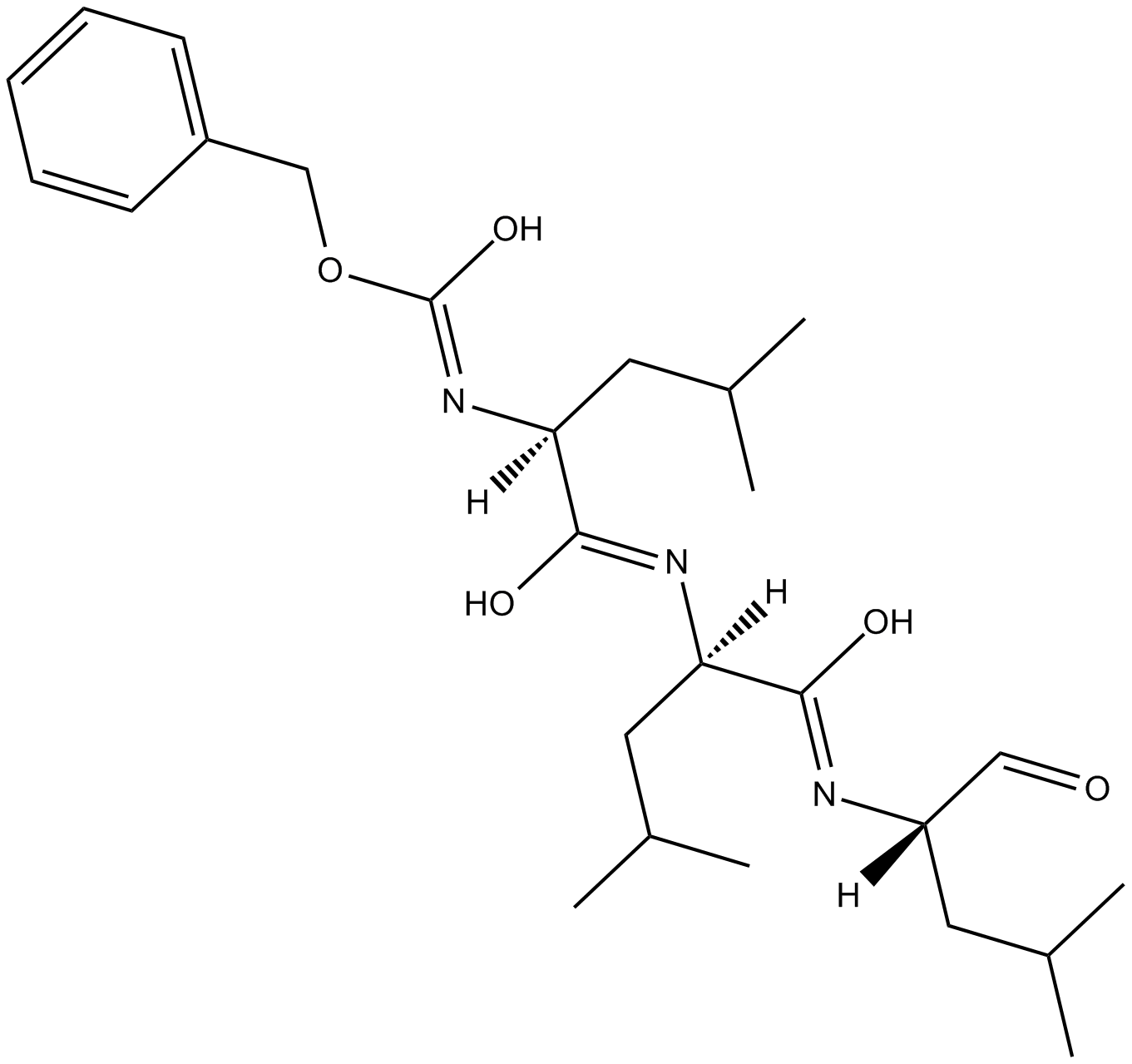 C3348 (R)-MG1321 CitationSummary: A potent 20S proteasome inhibitor
 -
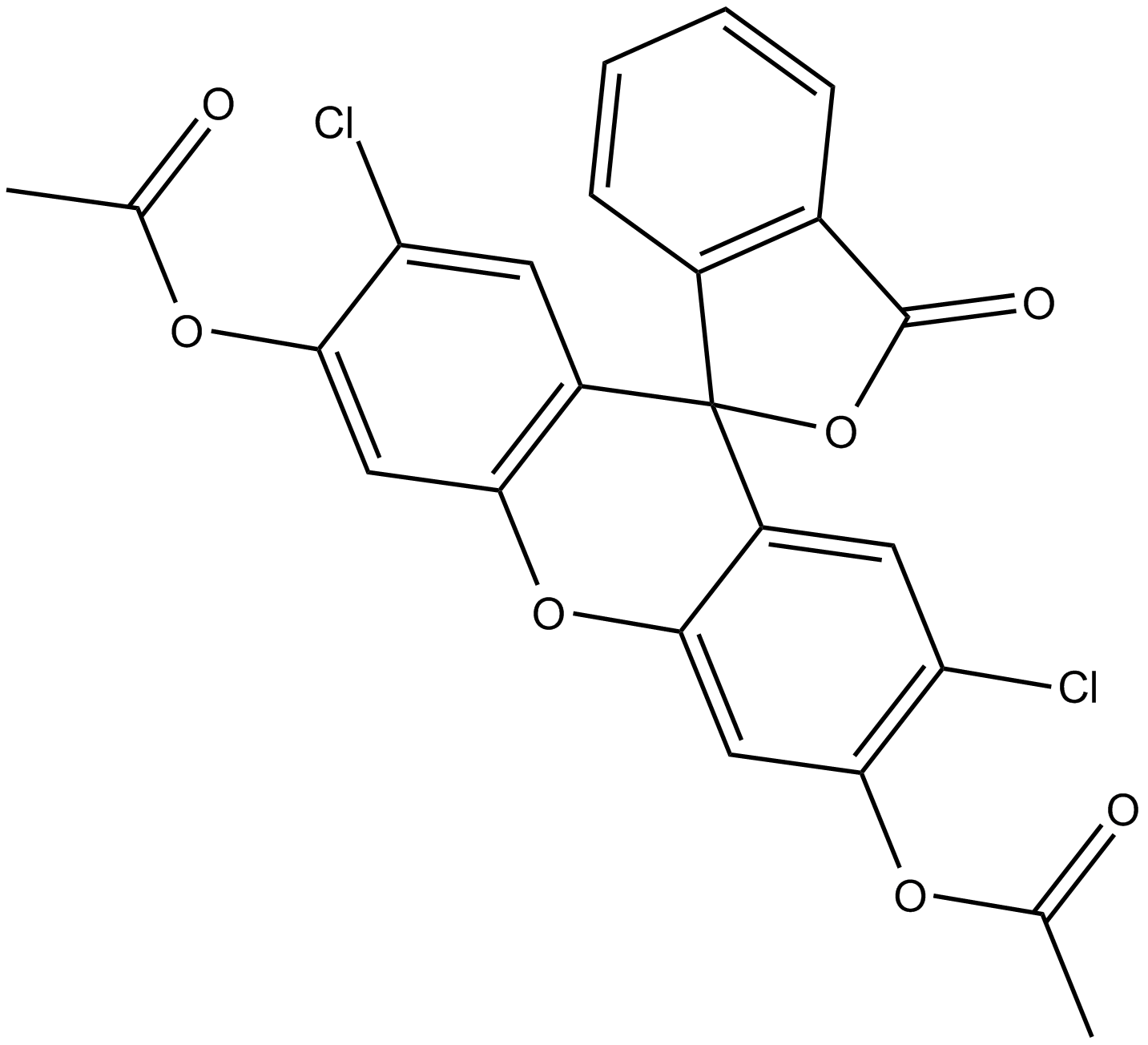 C3381 2',7'-Dichlorofluorescein diacetateSummary: A cell-permeable fluorescent probe for quantitative detection of reactive oxygen species (ROS) and nitric oxide (NO)
 -
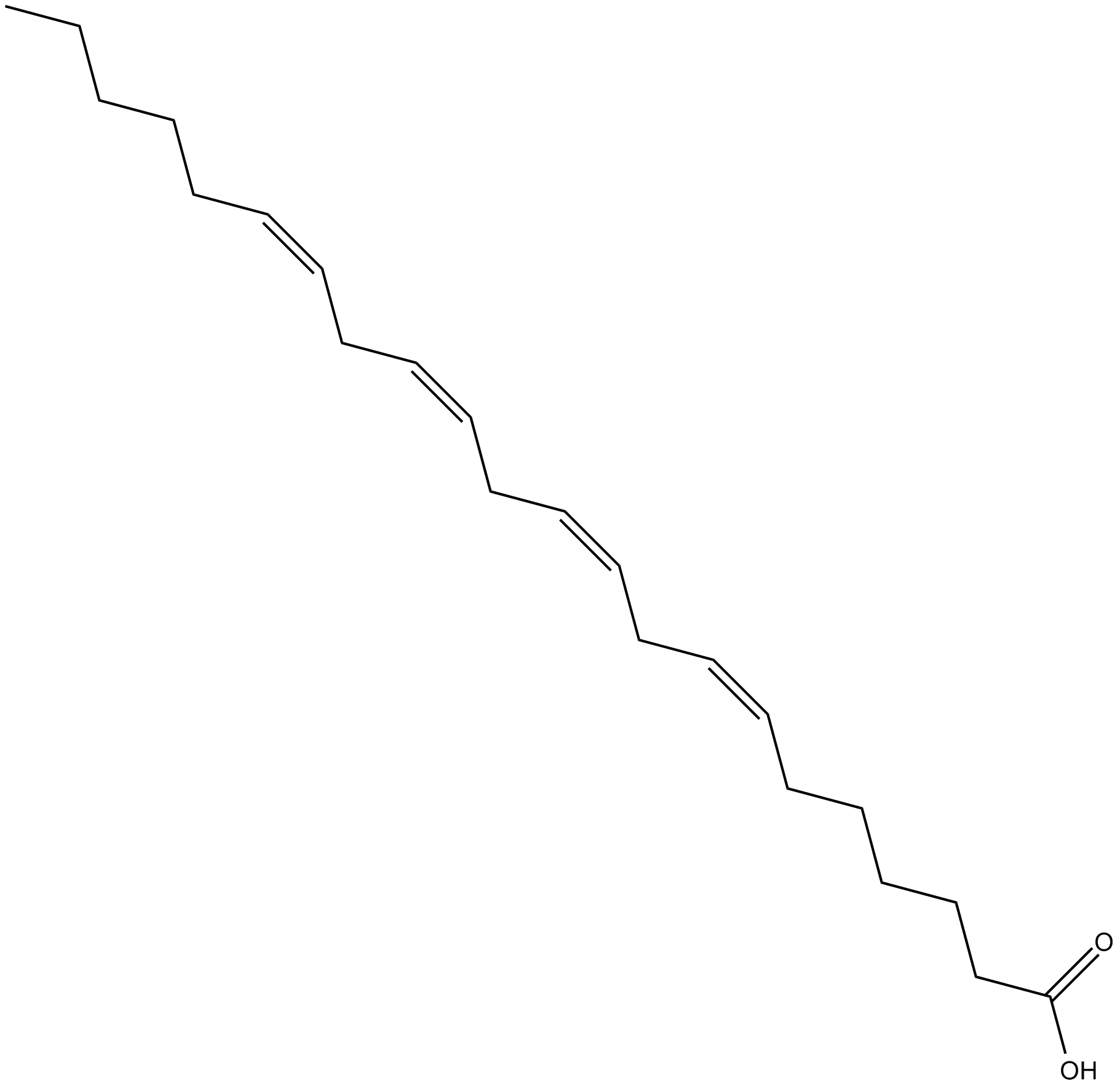 C3402 Adrenic AcidSummary: A polyunsaturated fatty acid used for research on non-alcoholic fatty liver disease and vascular regulation.