


Metabolism
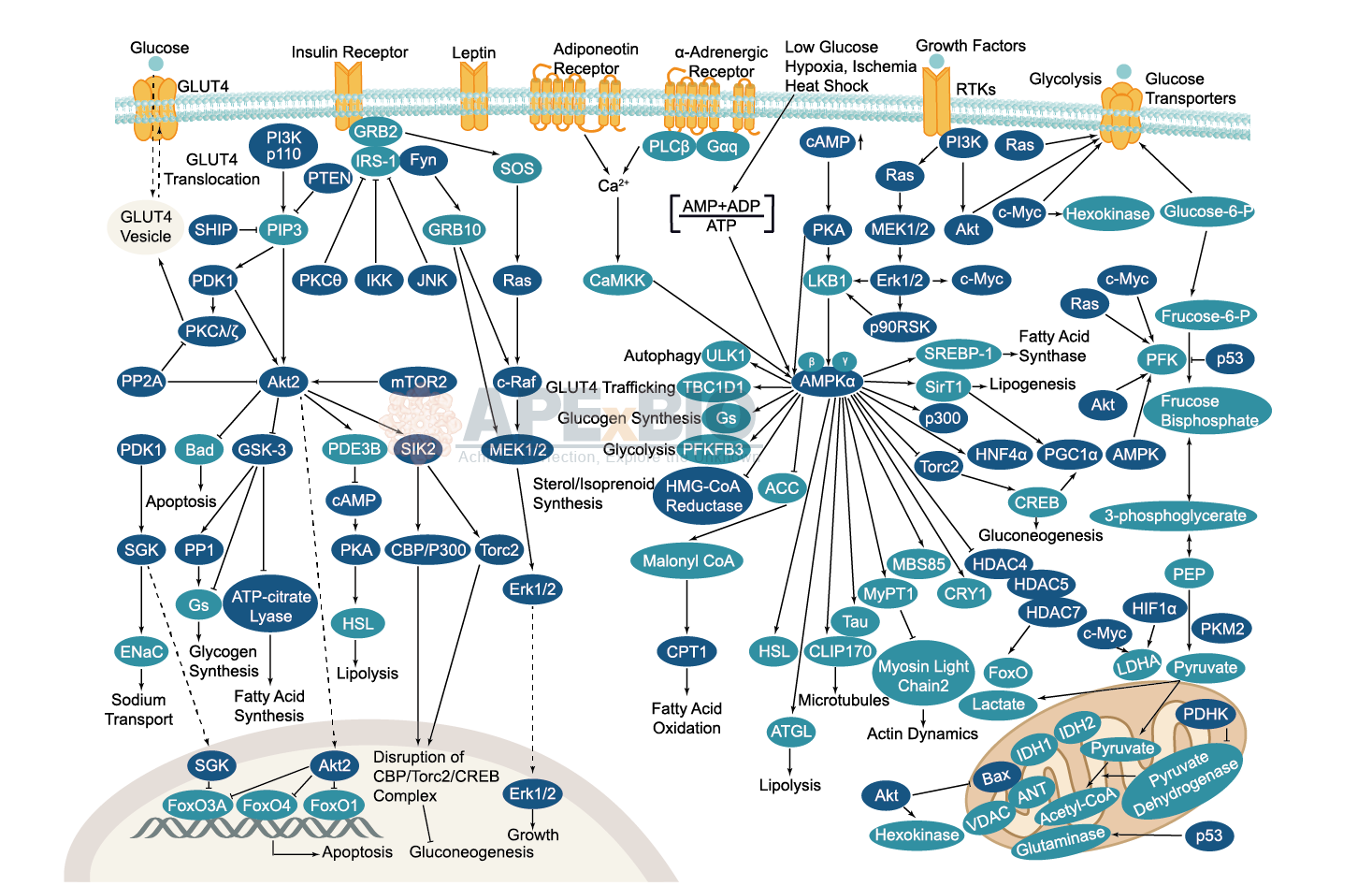
Serine/threonine kinase AMPK upregulates glucose uptake by promoting the expression and function of glucose transporters. AMPK is activated by increased AMP/ATP ratio, resulting from cellular and environmental stress, e.g. low glucose, heat shock, hypoxia and ischemia. AMPK activation positively modulates signaling transductions that refill ATP levels. Moreover, it also stimulates catabolic processes such as fatty acid oxidation and glycolysis through inhibition of ACC and activation of PFK2. AMPK negatively regulates various proteins which are important to ATP-consuming mechanisms, e.g. mTORC2, glycogen synthase, SREBP-1, and TSC2, causing the downregulation/inhibition of gluconeogenesis and glycogen, lipid and protein synthesis.
-
 BA4430 BavachininSummary: Bavachinin is an agonist of the pan-peroxisome proliferator-activated receptor.
 -
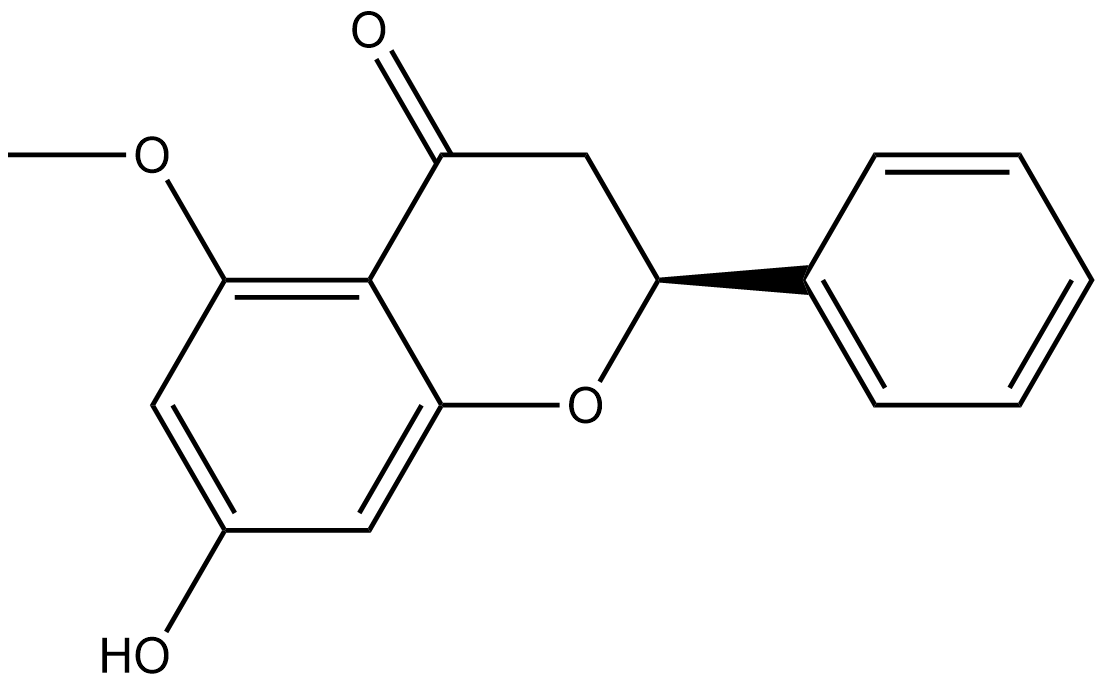 BA4433 AlpinetinSummary: Alpinetin is a flavonoid isolated from Myristica fragrans.
 -
BA4435 NorathyriolSummary: Norathyriol (Mangiferitin) is a natural metabolite of mangiferin.
-
BA4437 ErtiprotafibSummary: Ertiprotafib is an inhibitor.
-
BA4472 CaulophyllogeninSummary: Caulophyllogenin is a triterpenoid saponin.
-
BA4543 IsosteviolSummary: Isosteviol ((-)-Isosteviol) is a steviol glycoside derivative that is produced by acid-catalyzed hydrolysis of steviol glycosides.
-
BA9010 PF-07284892Summary: PF-07284892 (ARRY-558) is a potent orally active inhibitor.
-
C8147 DaunomycinoneSummary: Daunomycinone (NSC-109351) is a metabolite of Daunomycin.
-
C8171 DigitoxoseSummary: Digitoxose (D-(+)-Digitoxose), a natural product that specifically and competitively inhibits glucose-stimulated insulin release from pancreatic islets in lean and obese mice.
-
C8423 ARC12Summary: ARC12 is a secondary metabolic probe that regulates the production of secondary metabolites.