


Metabolism
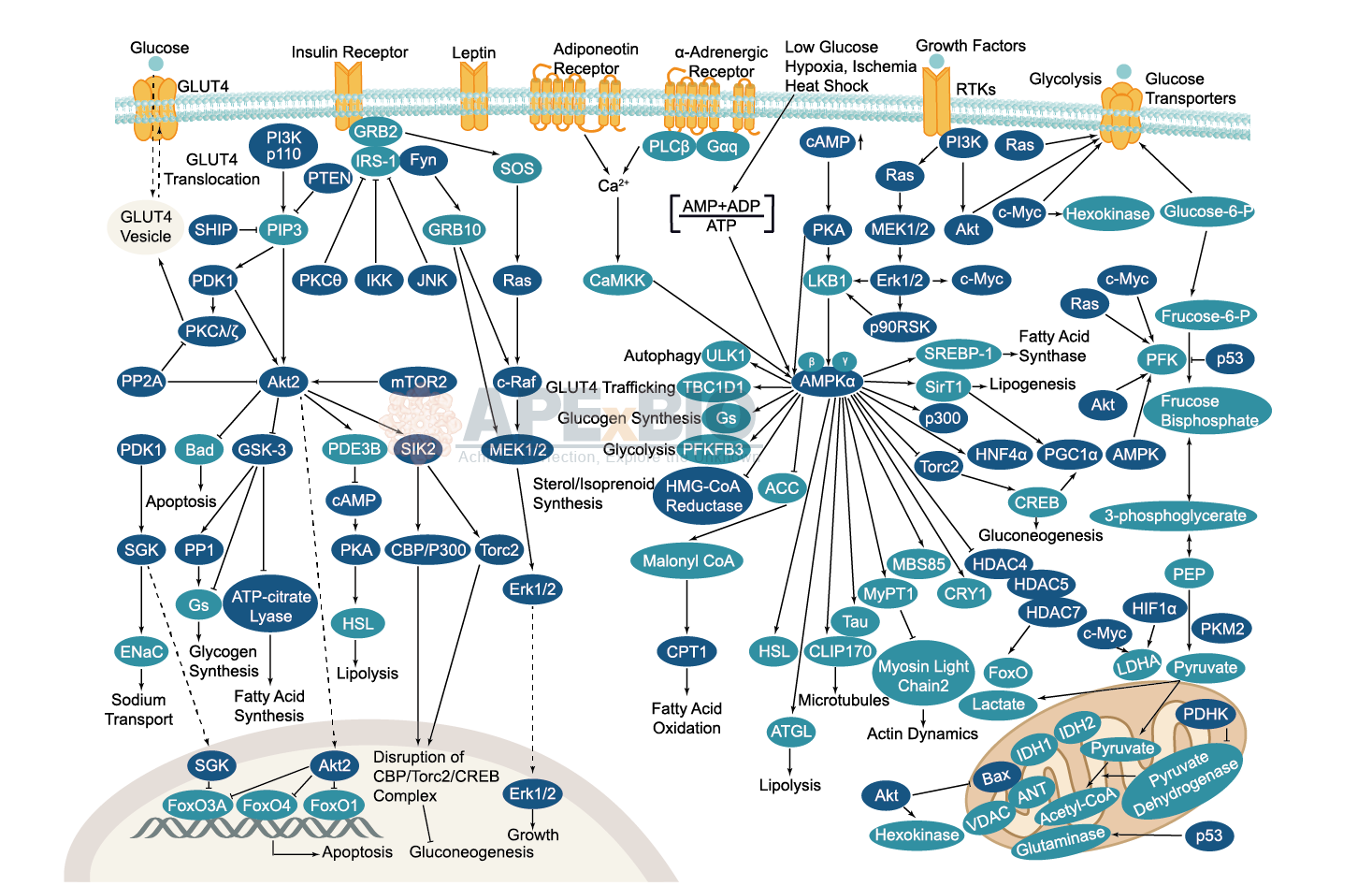
Serine/threonine kinase AMPK upregulates glucose uptake by promoting the expression and function of glucose transporters. AMPK is activated by increased AMP/ATP ratio, resulting from cellular and environmental stress, e.g. low glucose, heat shock, hypoxia and ischemia. AMPK activation positively modulates signaling transductions that refill ATP levels. Moreover, it also stimulates catabolic processes such as fatty acid oxidation and glycolysis through inhibition of ACC and activation of PFK2. AMPK negatively regulates various proteins which are important to ATP-consuming mechanisms, e.g. mTORC2, glycogen synthase, SREBP-1, and TSC2, causing the downregulation/inhibition of gluconeogenesis and glycogen, lipid and protein synthesis.
-
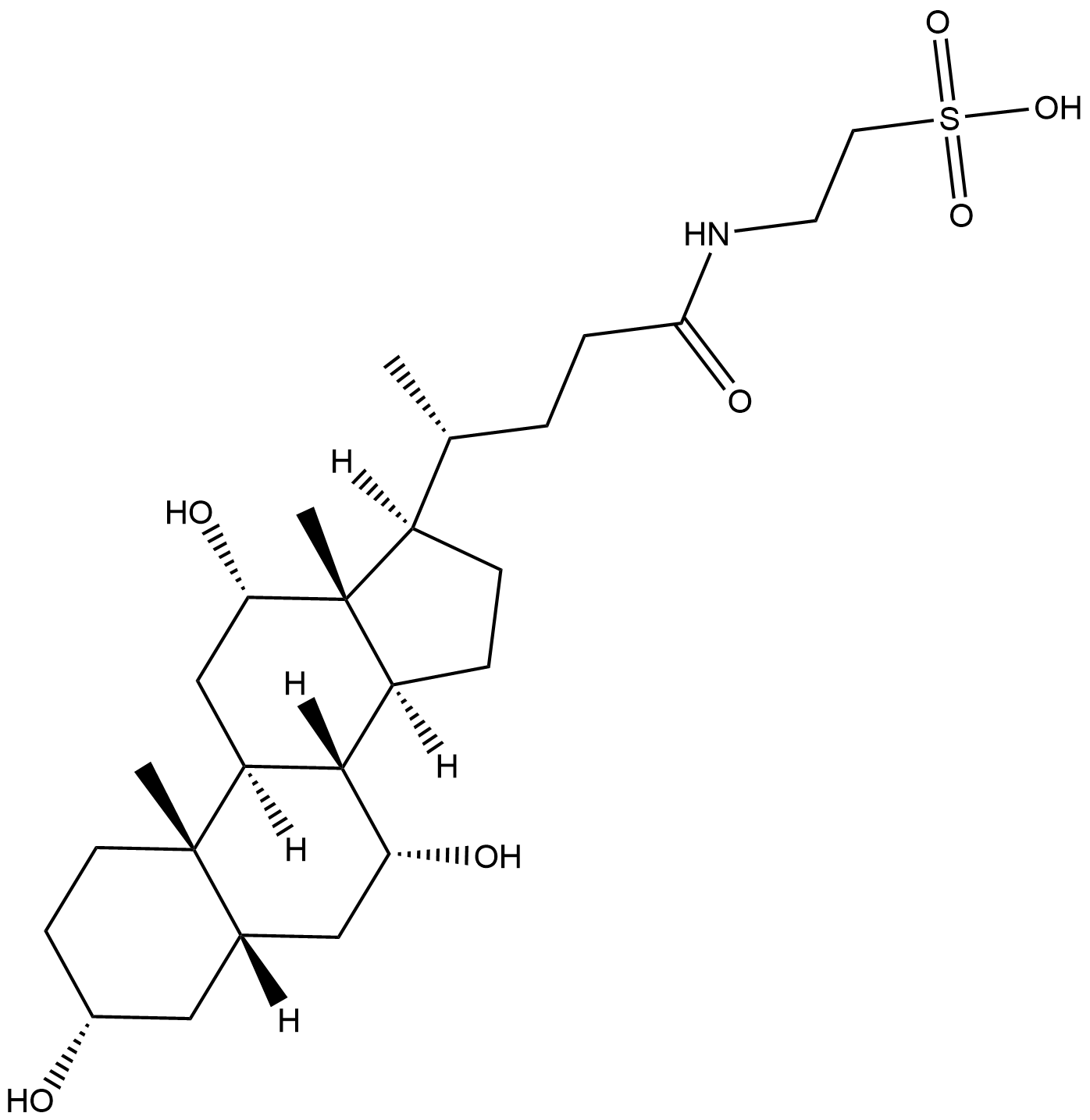 C8628 Taurocholic acidSummary: A conjugated bile acid formed by the coupling of bile acids and taurine in the liver
 -
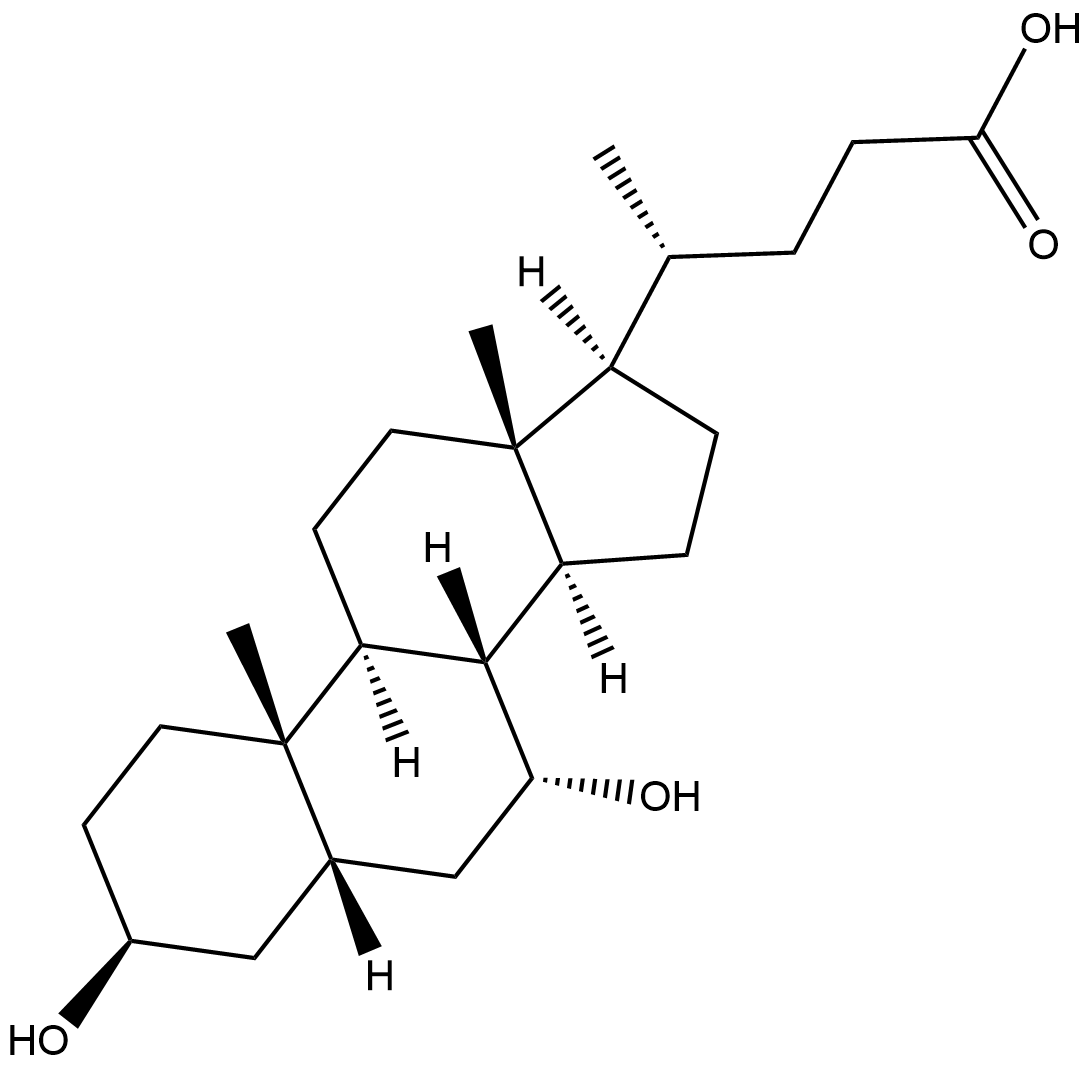 C8631 Isochenodeoxycholic acidSummary: A bile acid present in human feces
 -
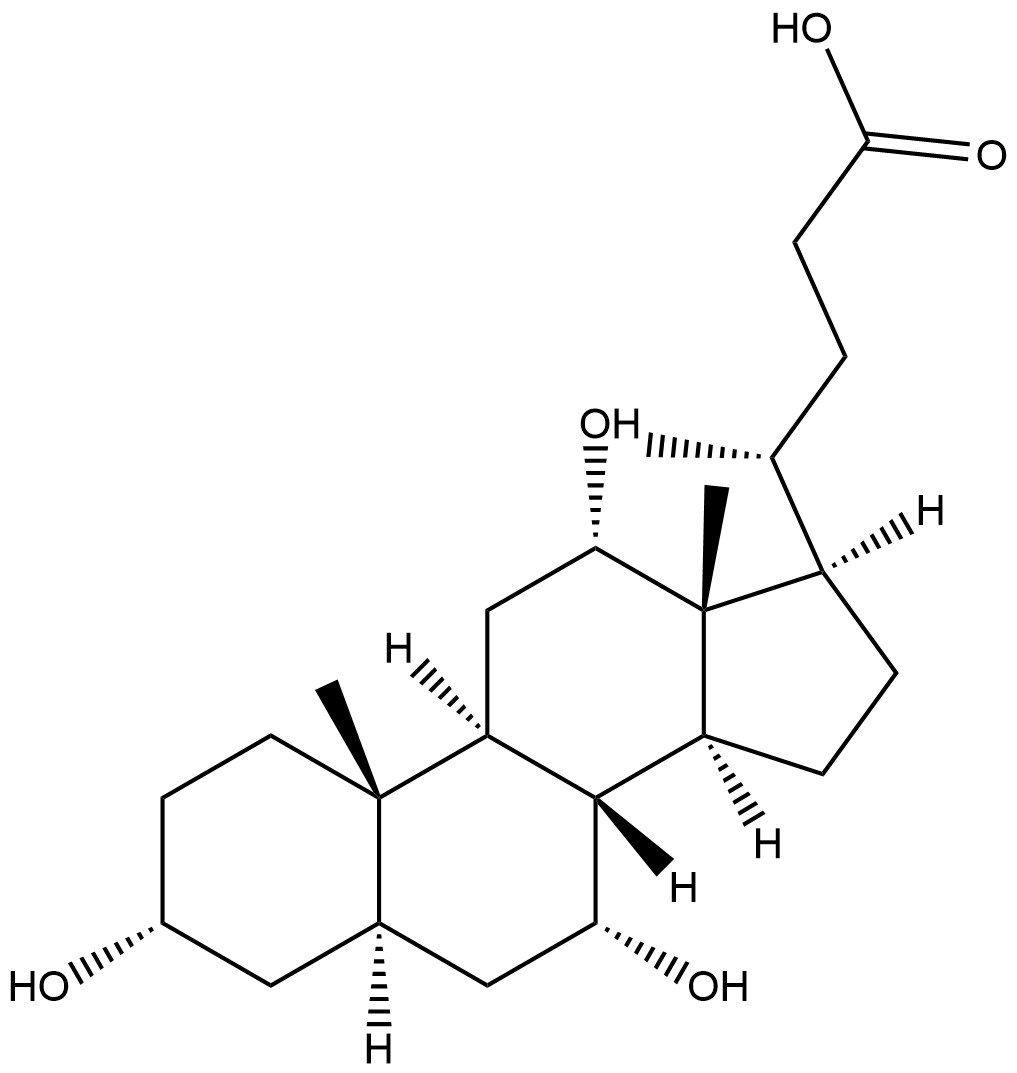 C8636 Allocholic acidSummary: A bile acid found in vertebrates
 -
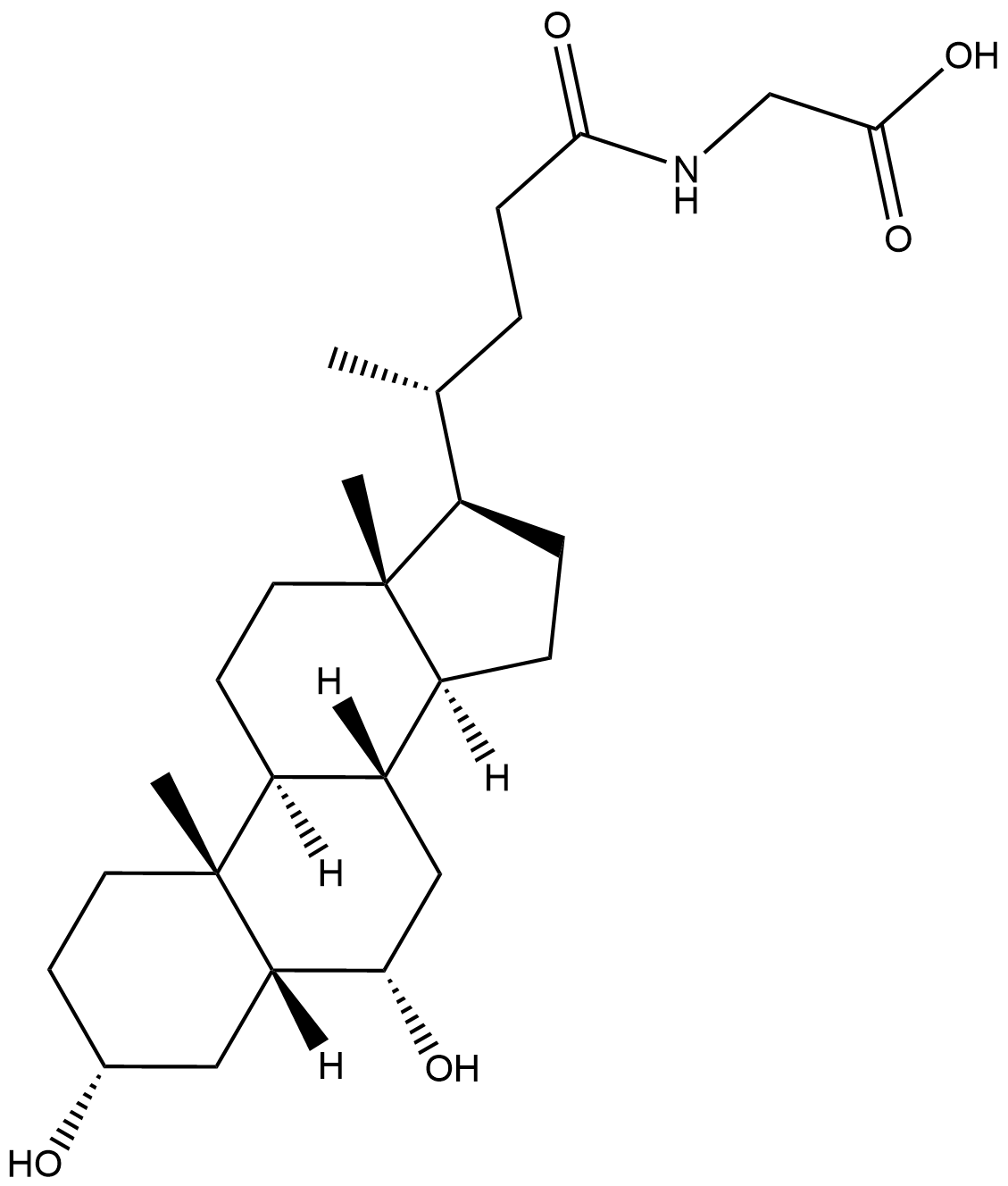 C8638 Glycohyodeoxycholic acidSummary: A main metabolite of Hyodeoxycholic acid in the human body
 -
 C8676 BSA-Palmitate Saturated Fatty Acid Complex (5 mM)Summary: A BSA complex with palmitic acid
 -
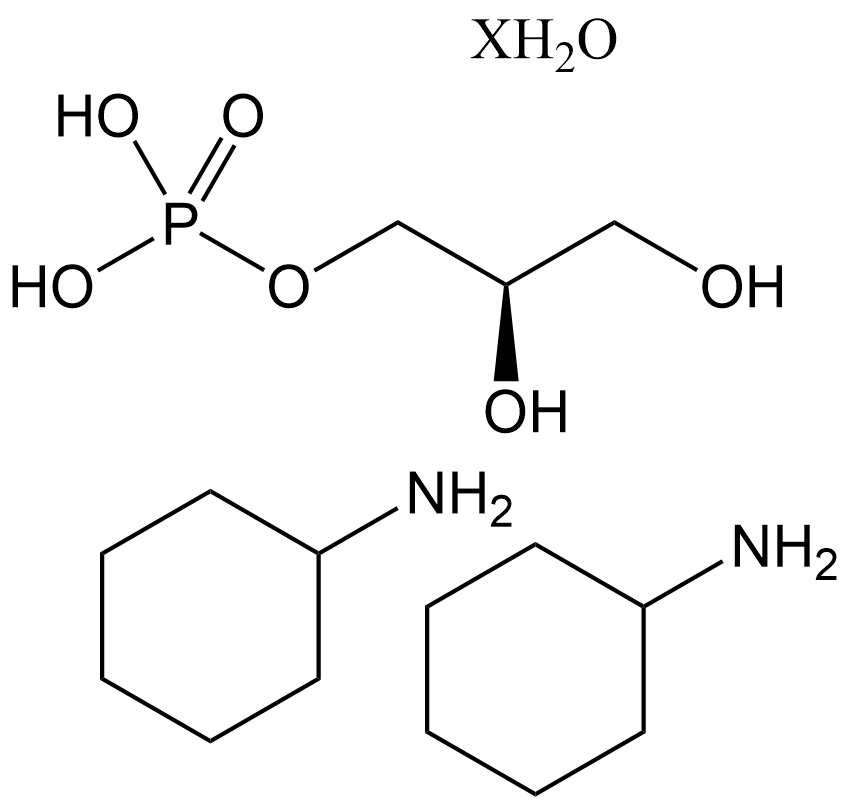 C8679 sn-Glycerol-3-phosphate (cyclohexyl ammonium salt hydrate)Summary: A lipid biosynthesis intermediate
 -
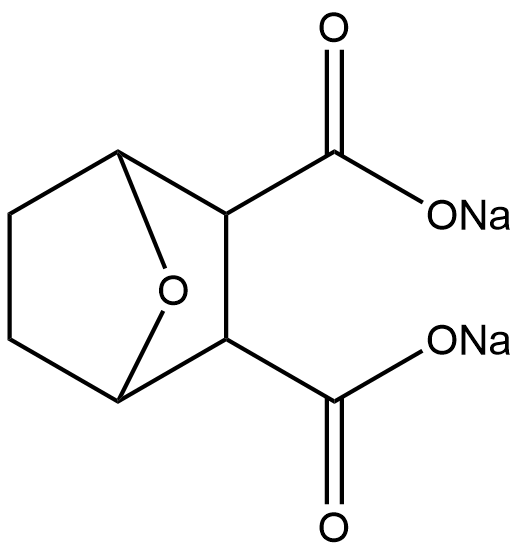 N2881 Demethylcantharidate disodiumSummary: A protein serine/threonine phosphatase (PP1, PP2A, PP2B) inhibitor
 -
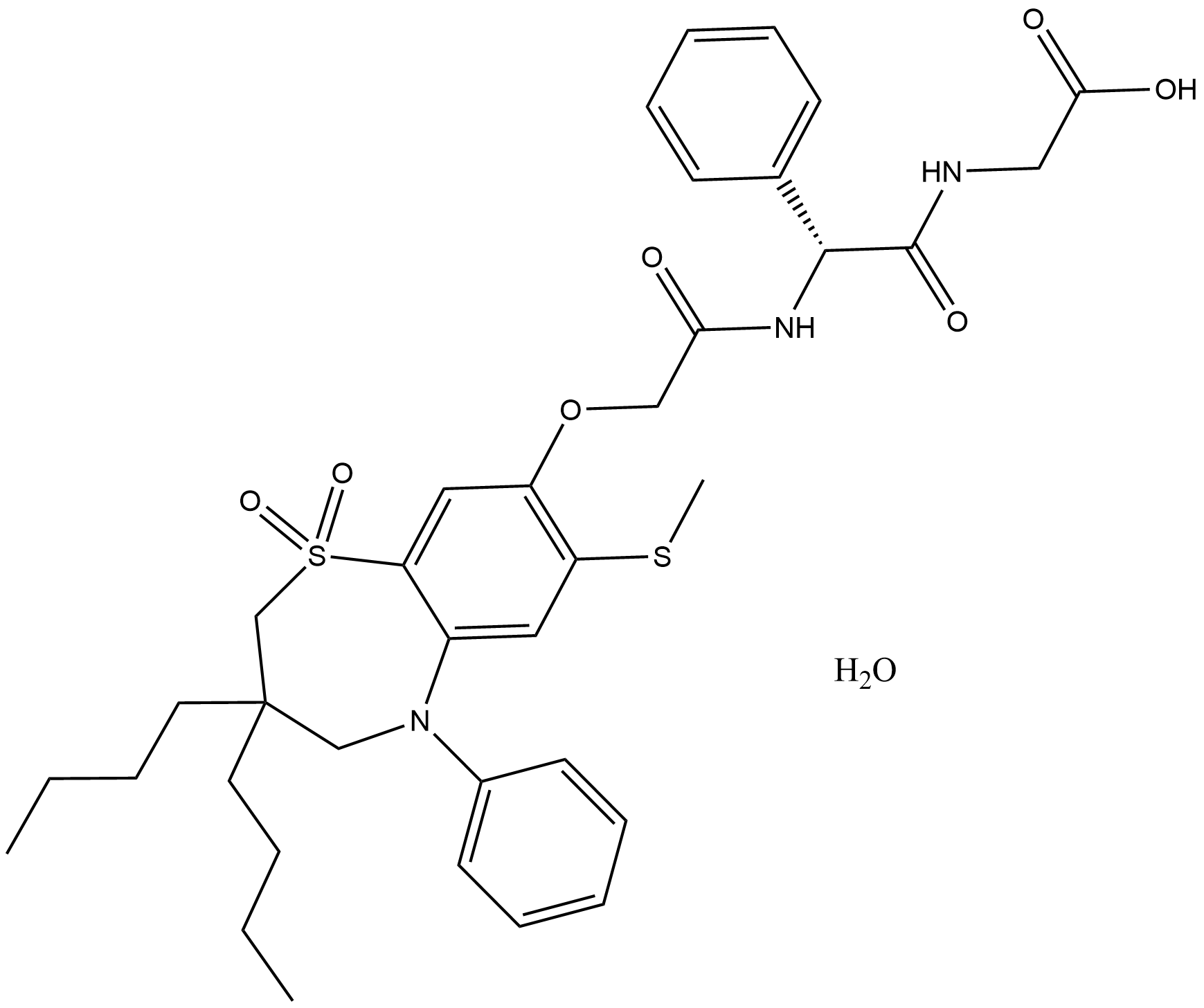 C8720 Elobixibat hydrateSummary: An inhibitor of the ileal bile acid transporter (IBAT)
 -
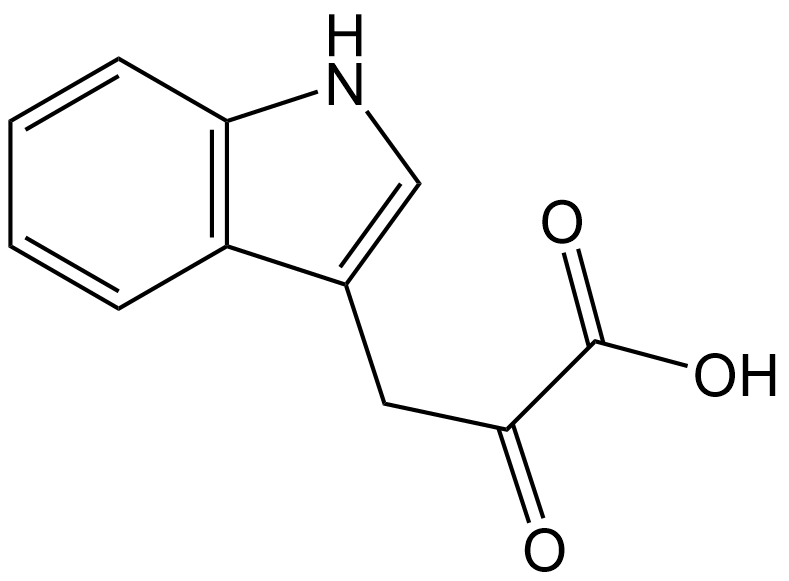 C8759 Indole-3-pyruvic acidSummary: A key metabolite of tryptophan, serves as a core intermediate in the biosynthesis of IAA, and acts as an activator of the aryl hydrocarbon receptor (AhR).
 -
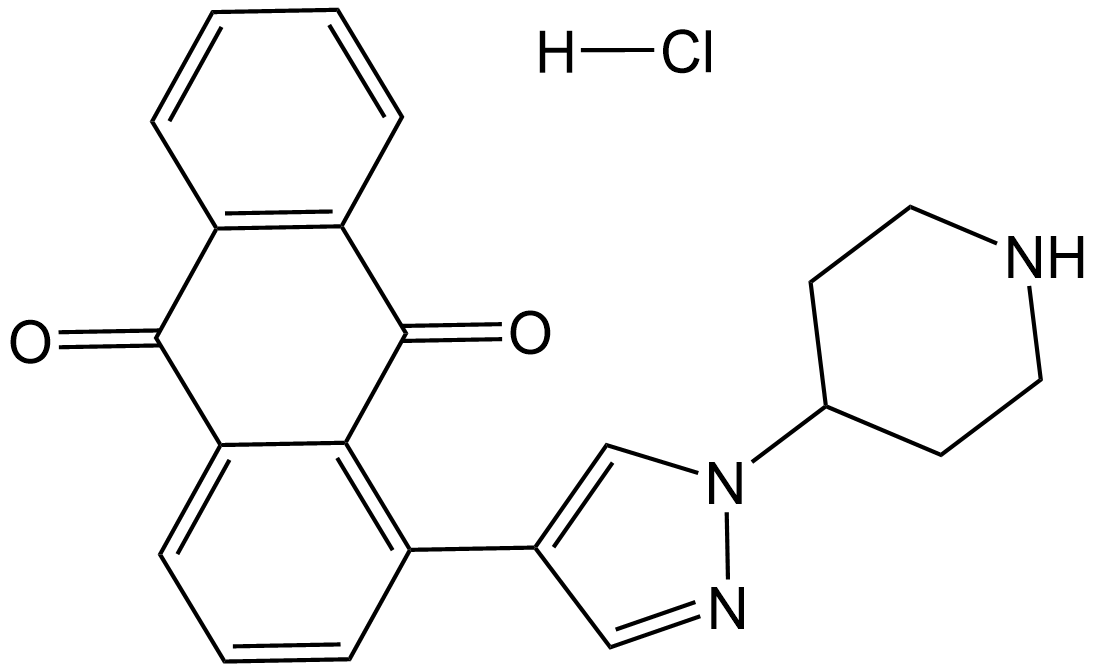 C8760 PDK4-IN-1 hydrochlorideSummary: An effective, highly selective, orally active pyruvate dehydrogenase kinase 4 (PDK4) inhibitor.