


Metabolism
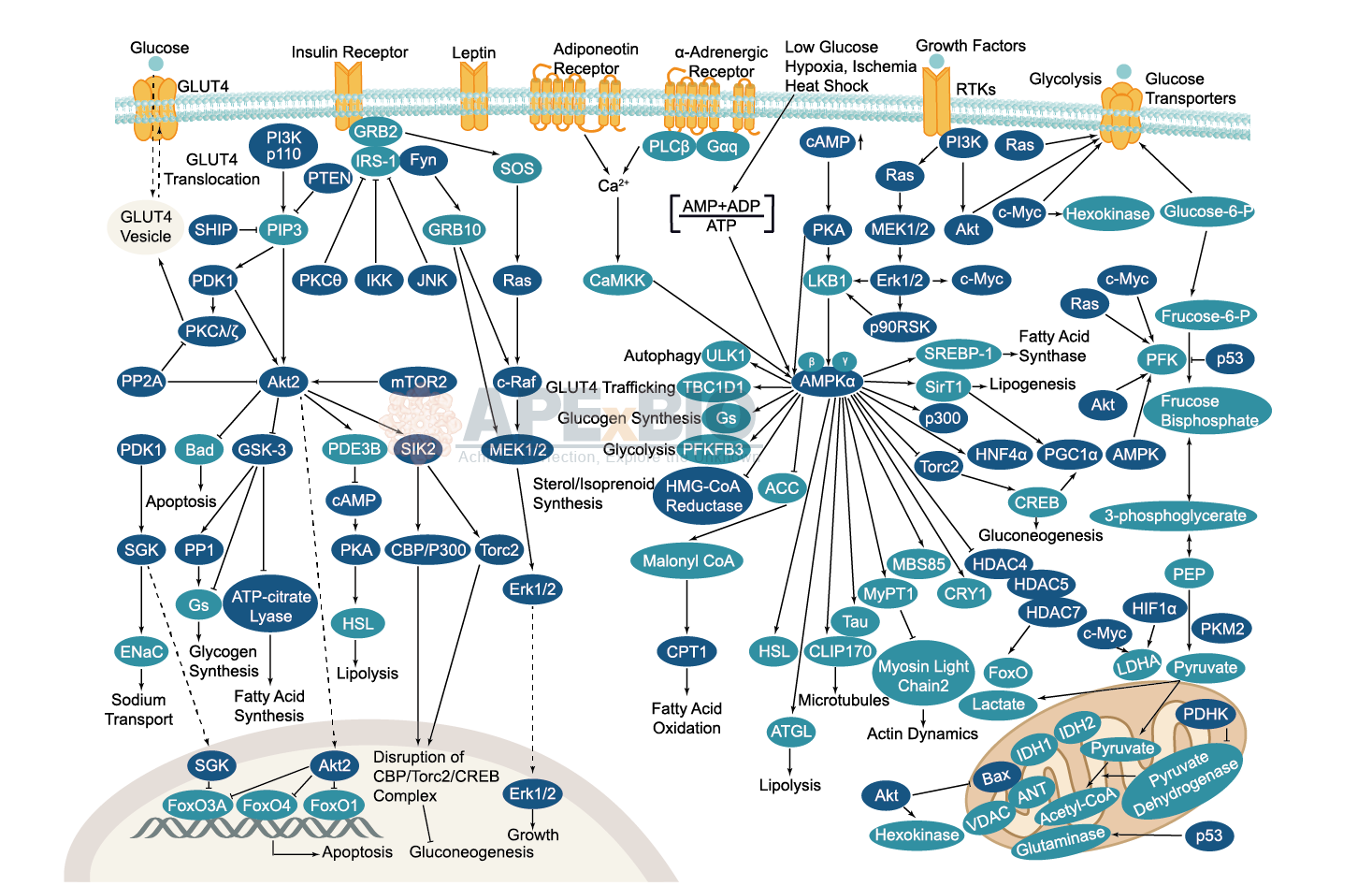
Serine/threonine kinase AMPK upregulates glucose uptake by promoting the expression and function of glucose transporters. AMPK is activated by increased AMP/ATP ratio, resulting from cellular and environmental stress, e.g. low glucose, heat shock, hypoxia and ischemia. AMPK activation positively modulates signaling transductions that refill ATP levels. Moreover, it also stimulates catabolic processes such as fatty acid oxidation and glycolysis through inhibition of ACC and activation of PFK2. AMPK negatively regulates various proteins which are important to ATP-consuming mechanisms, e.g. mTORC2, glycogen synthase, SREBP-1, and TSC2, causing the downregulation/inhibition of gluconeogenesis and glycogen, lipid and protein synthesis.
-
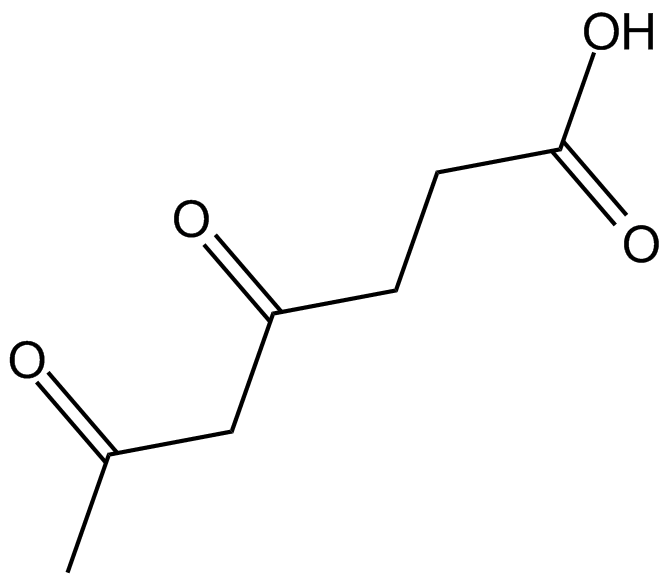 B8372 SuccinylacetoneSummary: Inhibits δ-aminolevulinic acid dehydratase, interfering with the heme biosynthesis pathway.
 -
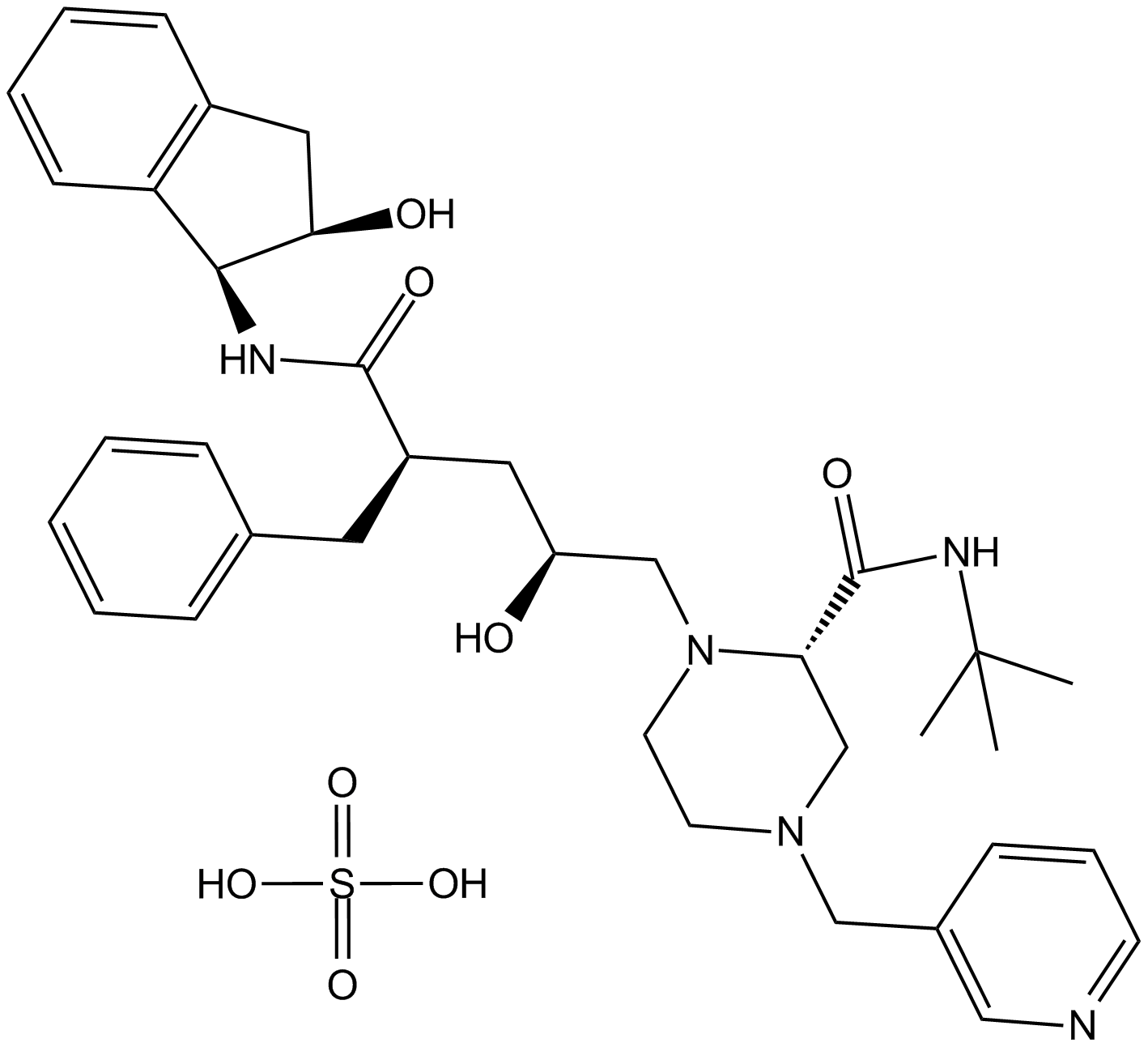 B8374 Indinavir sulfateSummary: Inhibits HIV-1 protease, MMP-2, and SARS-CoV 3CL
 -
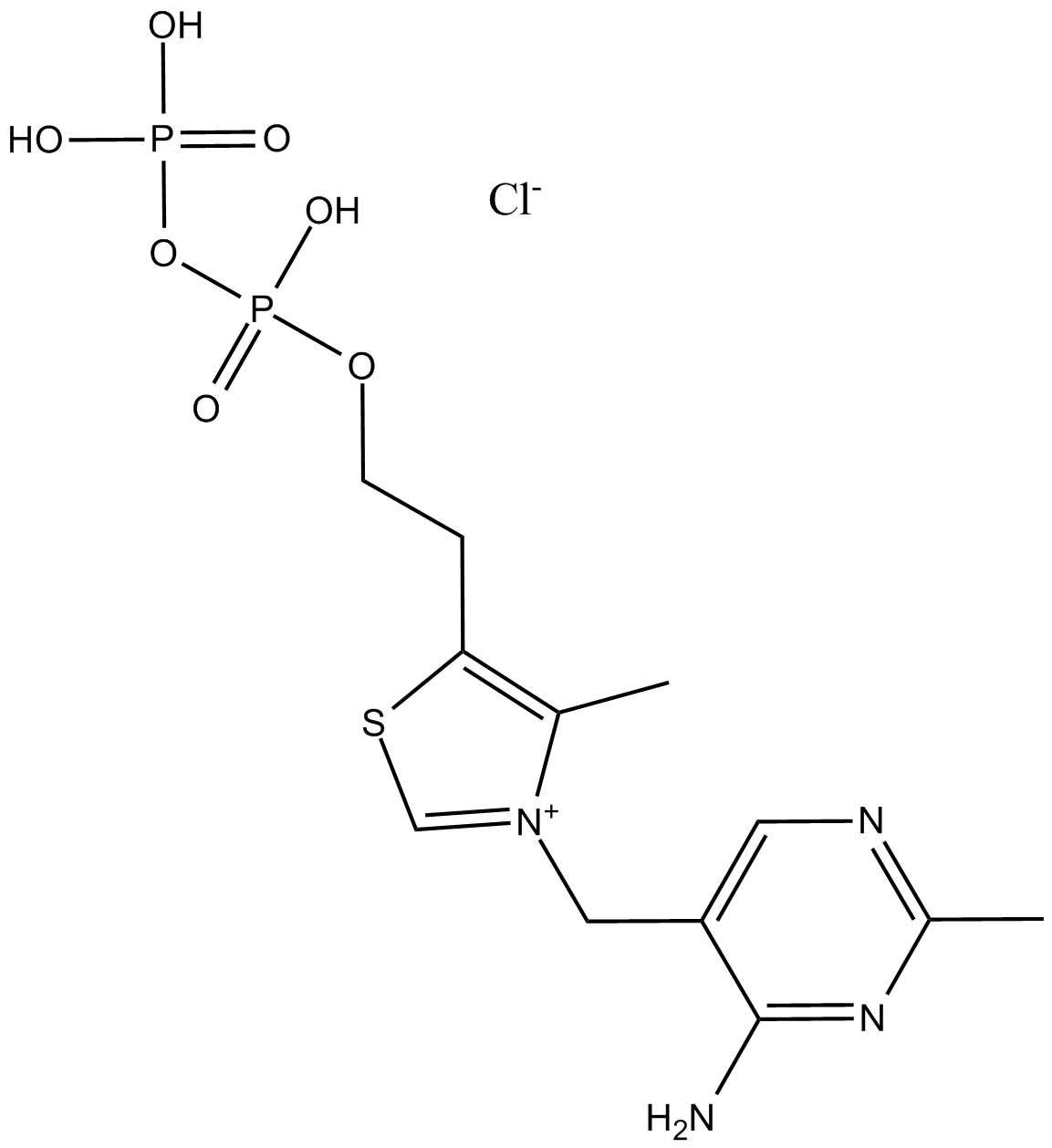 B8600 Thiamine pyrophosphateSummary: A key coenzyme involved in oxidative phosphorylation and the pentose phosphate metabolic pathway.
 -
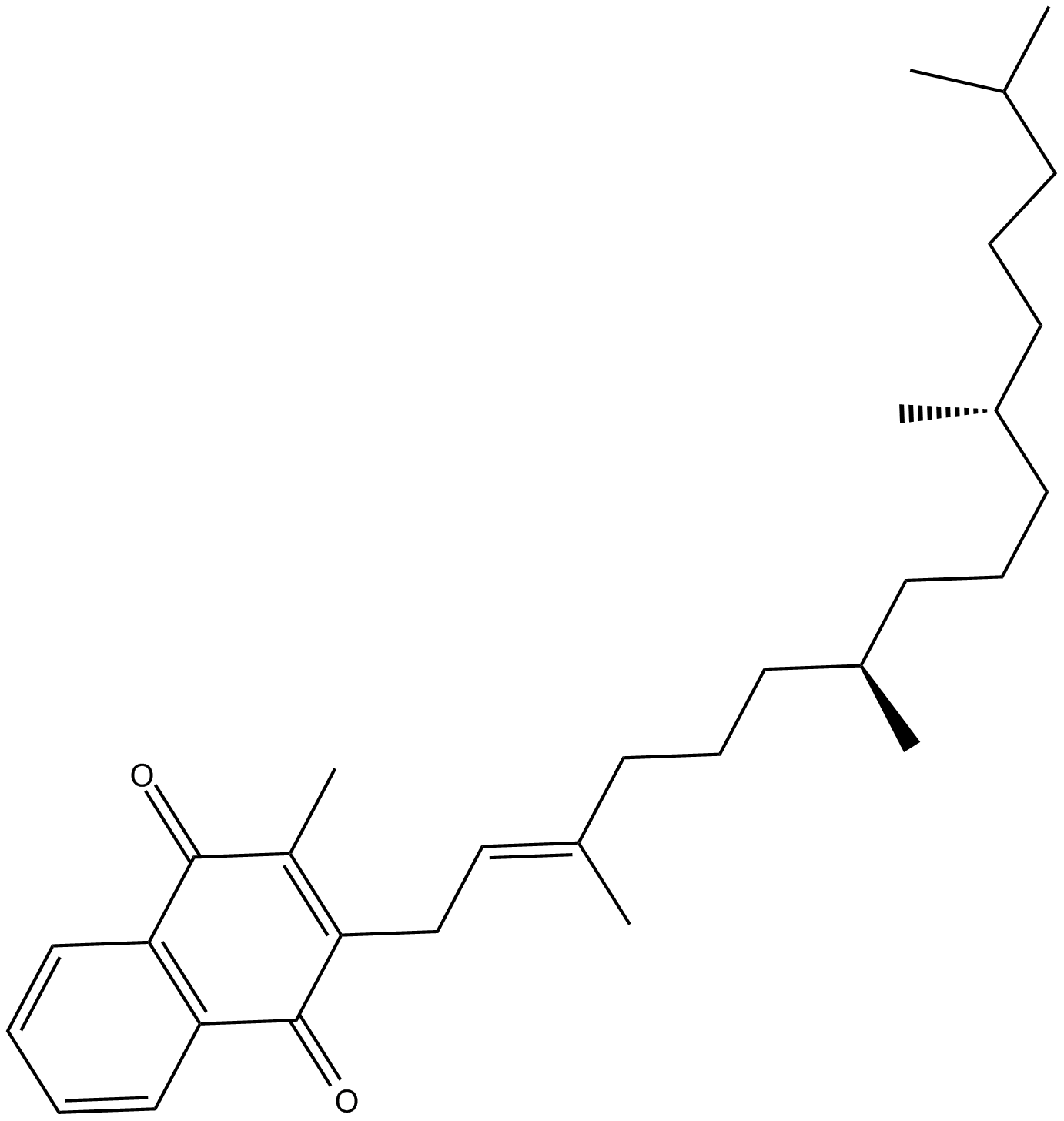 B8631 Vitamin K1Summary: A fat-soluble vitamin used to treat coagulation disorders caused by coagulation factor deficiency.
 -
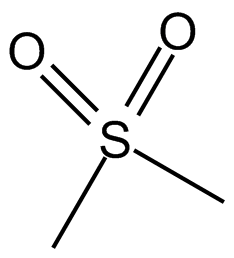 B8647 Methyl sulfoneSummary: An organic sulfone compound used for research analysis and with anti-inflammatory and antioxidant effects.
 -
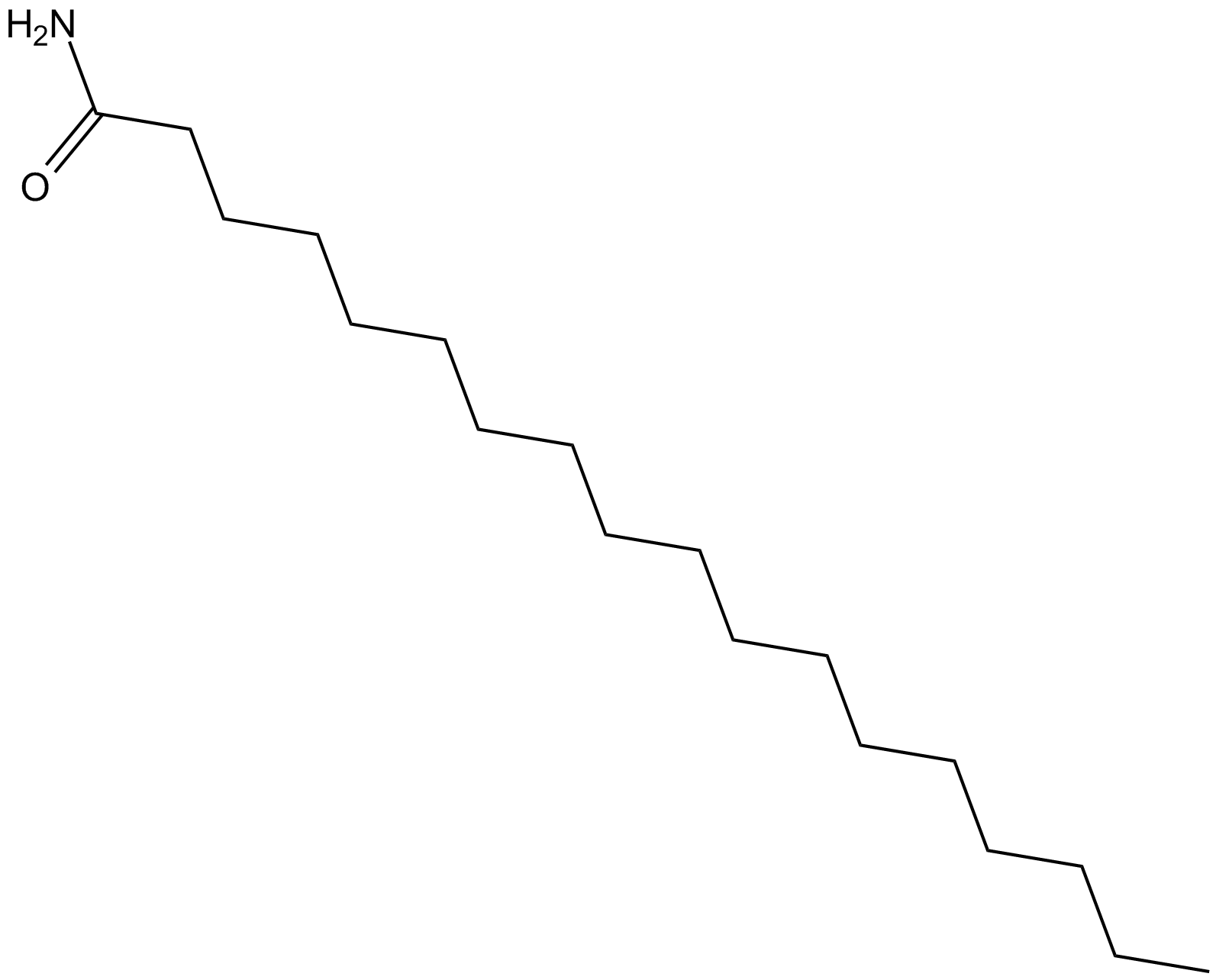 B8648 OctadecanaMideSummary: A primary fatty acid amide compound with cytotoxicity and fish toxicity.
 -
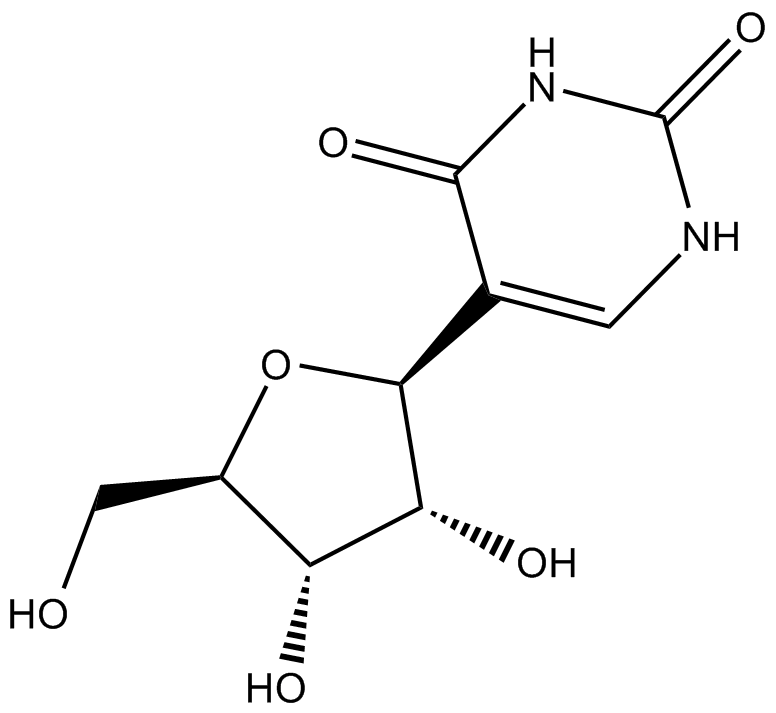 B8649 β-Pseudouridine1 CitationSummary: The C-5 glycoside isomer of uridine
 -
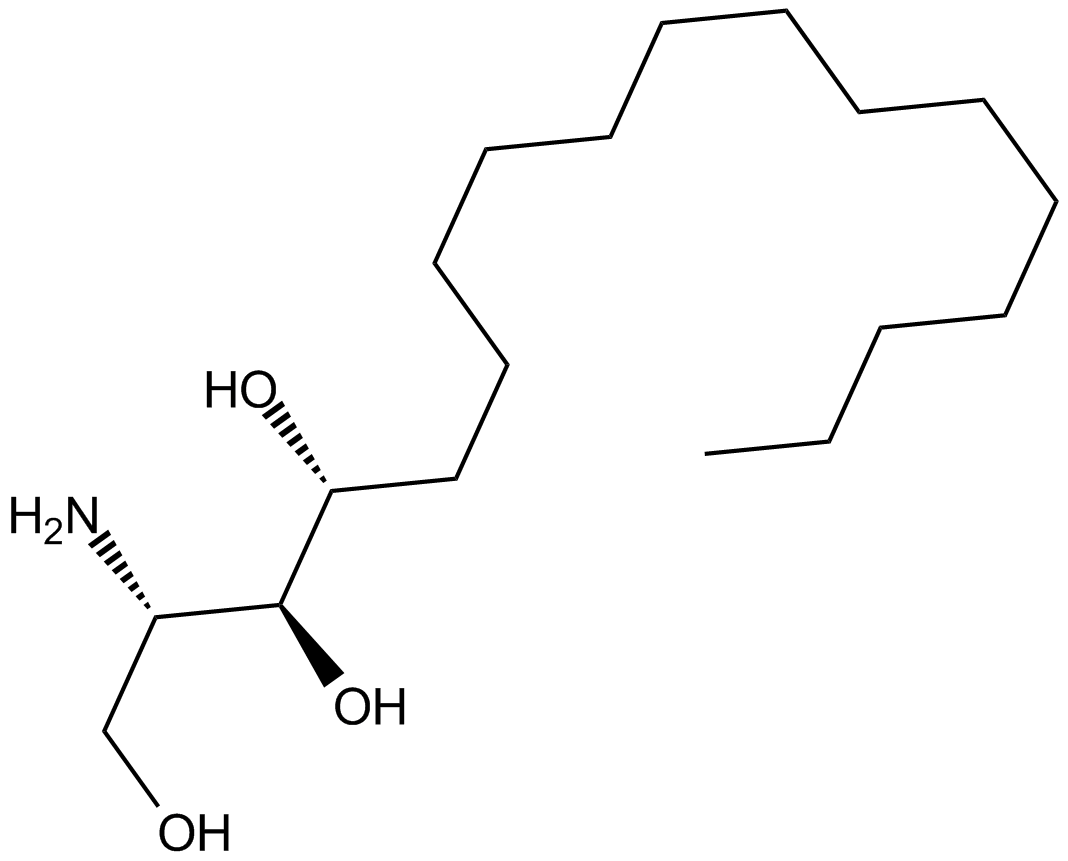 B8653 PhytosphingosineSummary: A sphingolipid
 -
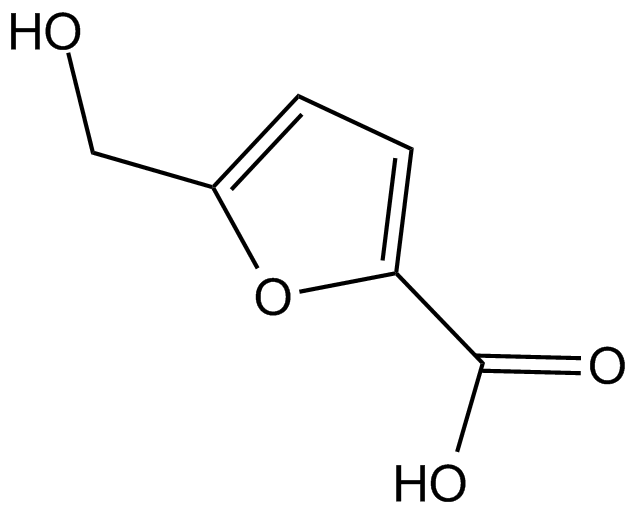 B8658 5-Hydroxymethyl-2-furancarboxylic acidSummary: A metabolite used for research on mechanisms of metabolic disorders and drug development.
 -
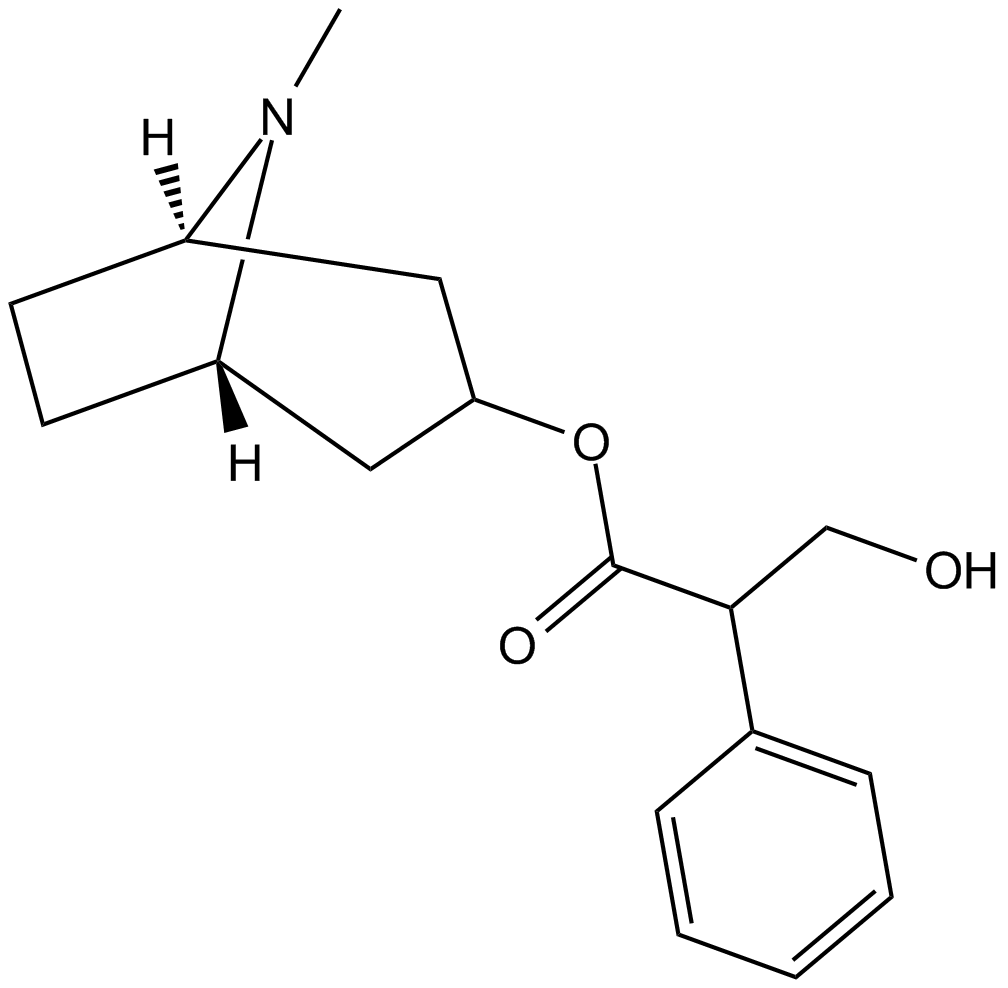 B8694 AtropineSummary: A muscarinic receptor antagonist used for pupil dilation, treatment of anticholinergic poisoning, and bradycardia.