


Metabolism
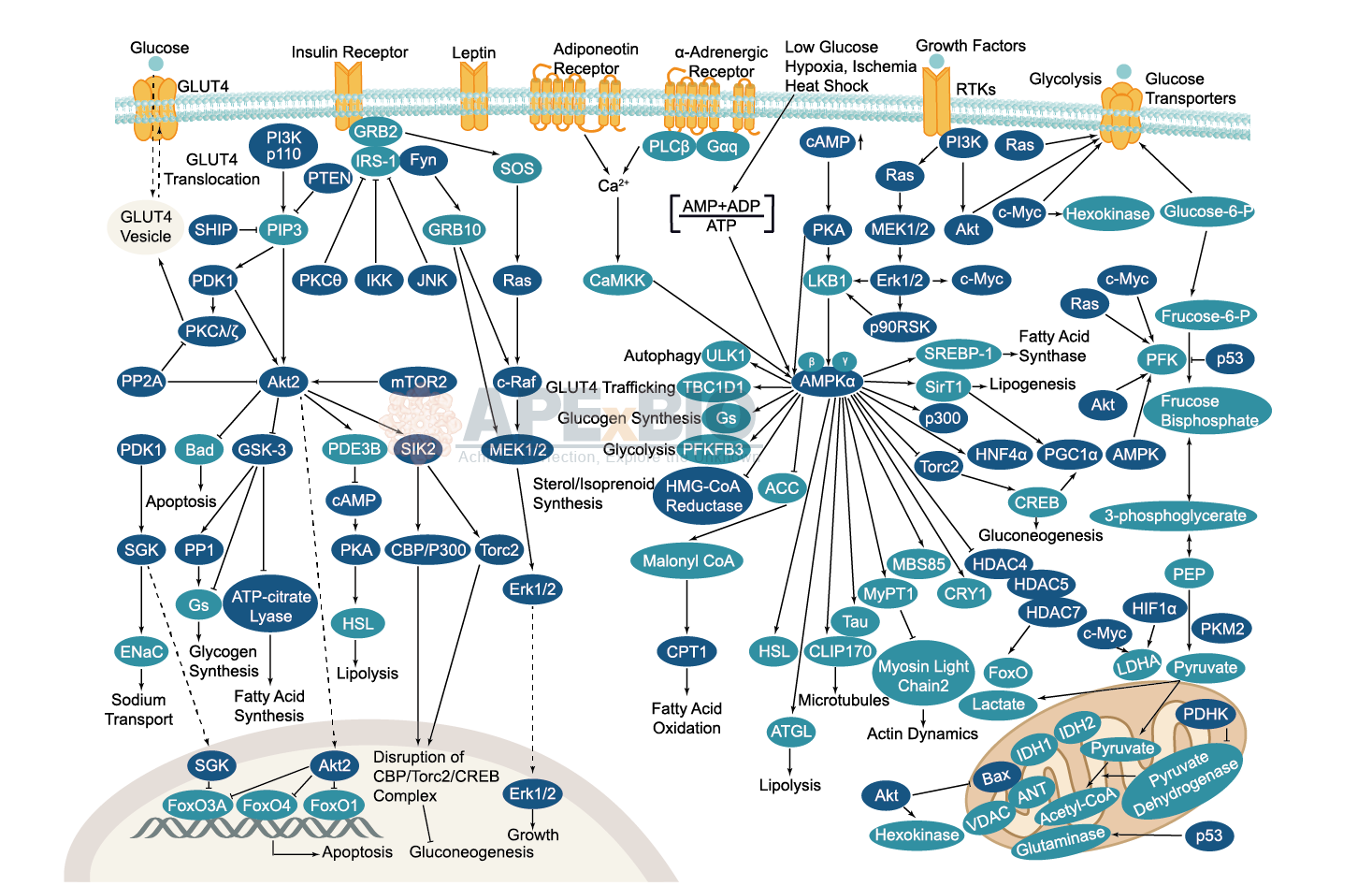
Serine/threonine kinase AMPK upregulates glucose uptake by promoting the expression and function of glucose transporters. AMPK is activated by increased AMP/ATP ratio, resulting from cellular and environmental stress, e.g. low glucose, heat shock, hypoxia and ischemia. AMPK activation positively modulates signaling transductions that refill ATP levels. Moreover, it also stimulates catabolic processes such as fatty acid oxidation and glycolysis through inhibition of ACC and activation of PFK2. AMPK negatively regulates various proteins which are important to ATP-consuming mechanisms, e.g. mTORC2, glycogen synthase, SREBP-1, and TSC2, causing the downregulation/inhibition of gluconeogenesis and glycogen, lipid and protein synthesis.
-
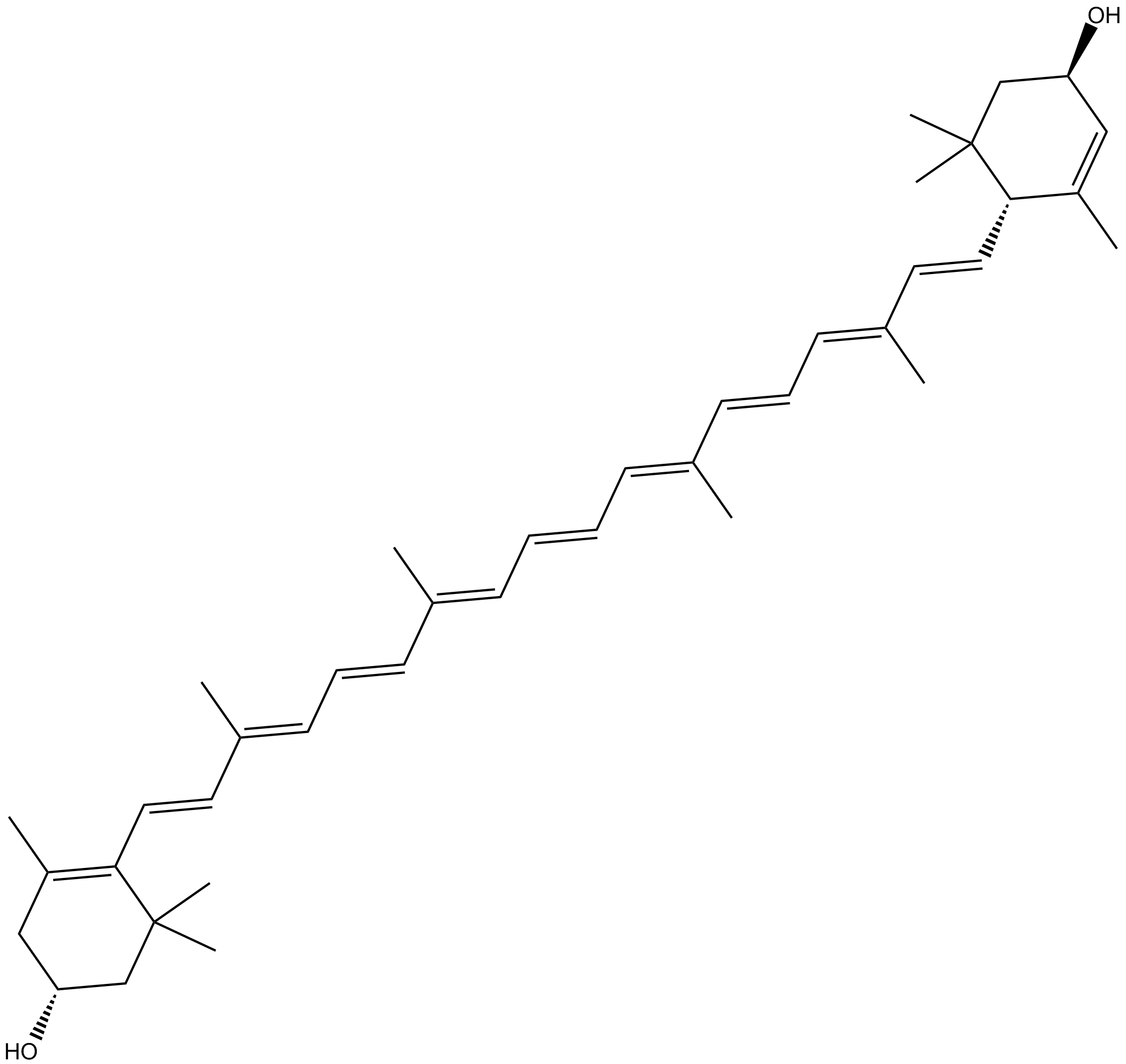 C5847 LuteinSummary: A natural yellow carotenoid, a fat-soluble antioxidant
 -
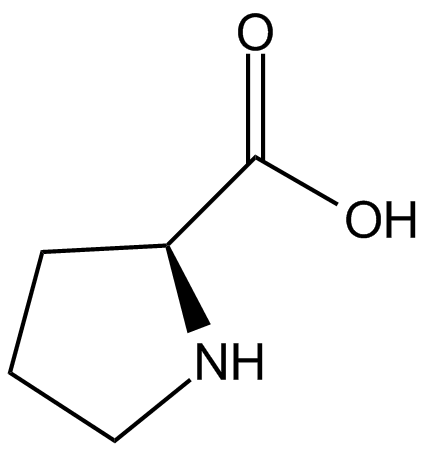 C6101 L-ProlineSummary: An amino acid used for collagen synthesis and maintaining the function of joints and tendons.
 -
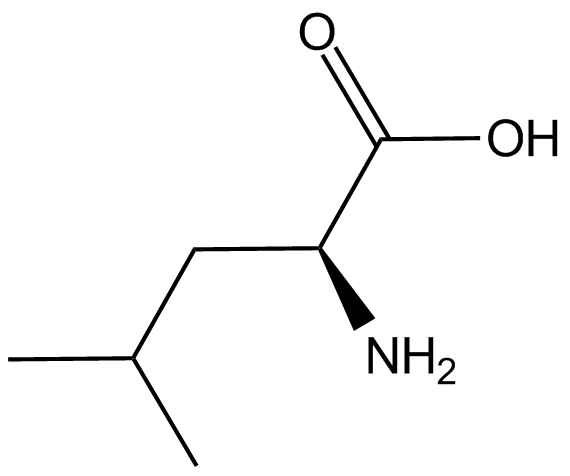 C6104 L-LeucineSummary: An essential branched-chain amino acid that can activate the mTOR signaling pathway.
 -
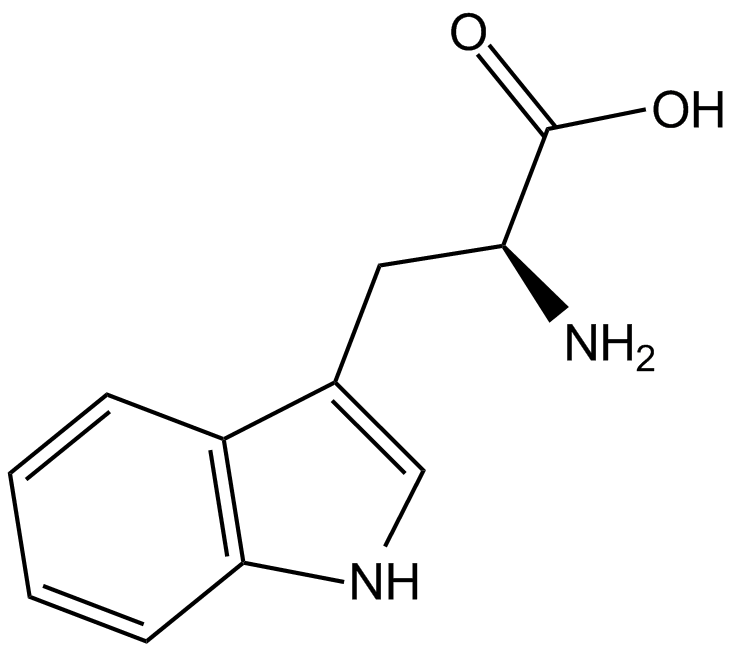 C6105 L-TryptophanSummary: An essential amino acid for studying cell proliferation, stemness, and osteogenic potential.
 -
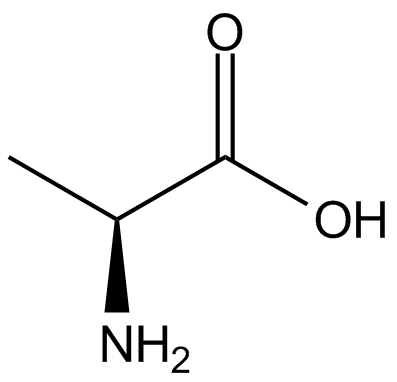 C6108 L-AlanineSummary: An amino acid involved in sugar and acid metabolism, enhances immunity, and provides energy for muscles and nerves.
 -
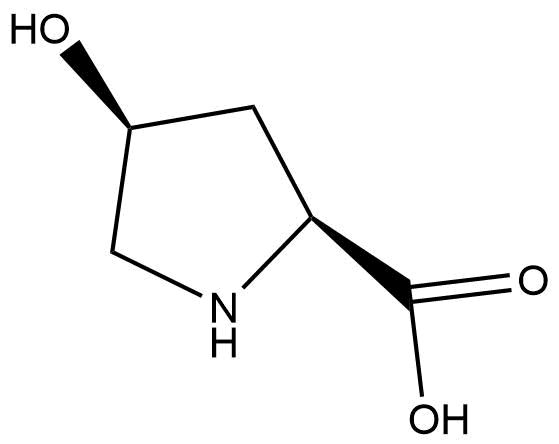 C6112 L-HydroxyprolineSummary: An amino acid used for bone metabolism and liver fibrosis testing, and for chiral synthesis.
 -
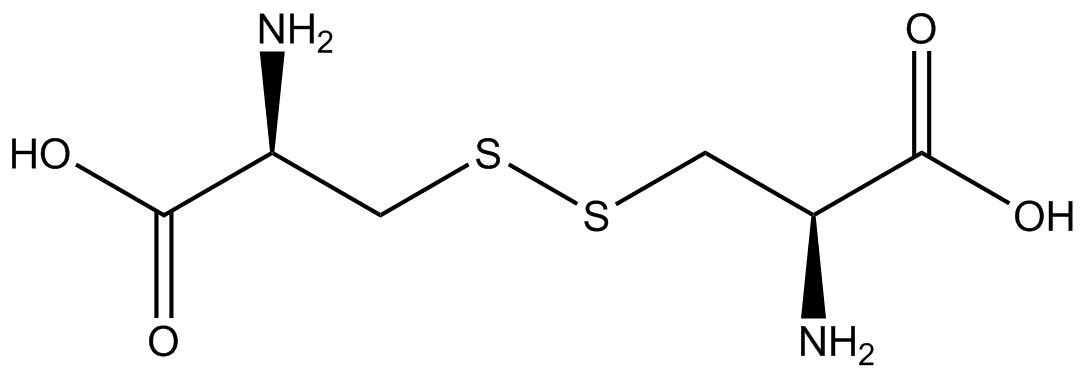 C6117 L-CystineSummary: An amino acid that can increase Nrf2 expression, reduce ROS generation, and resist apoptosis.
 -
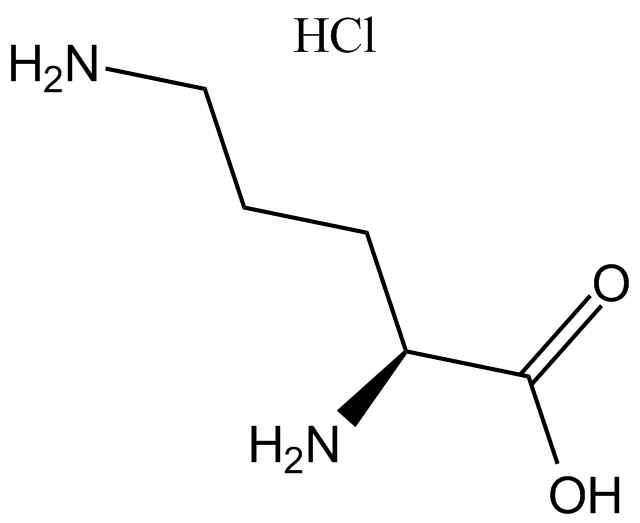 C6122 L(+)-Ornithine hydrochlorideSummary: A non-proteinogenic amino acid used to regulate the urea cycle and reduce ammonia toxicity.
 -
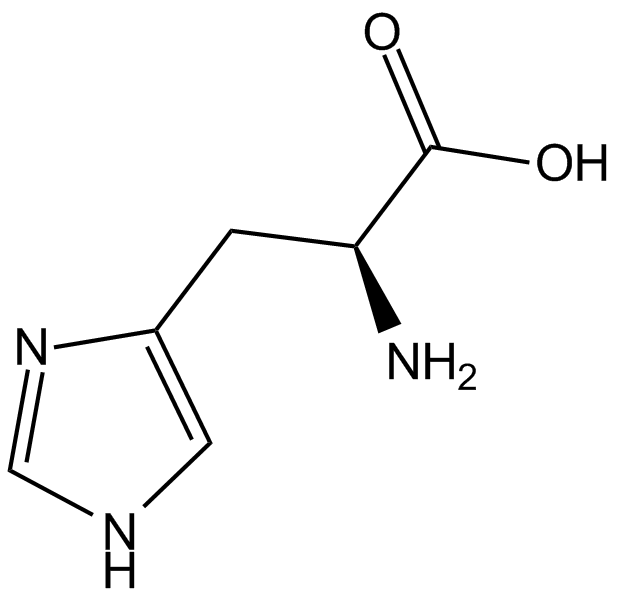 C6125 L-HistidineSummary: An essential amino acid
 -
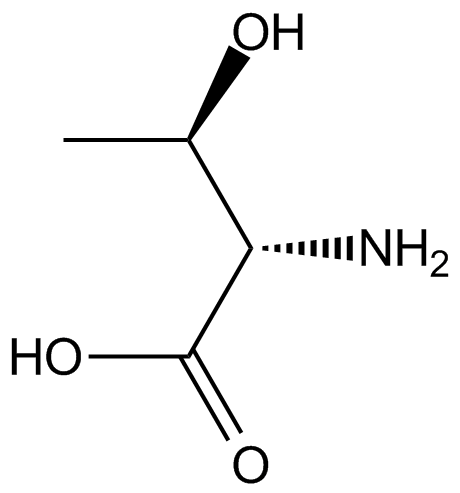 C6127 L-Threonine1 CitationSummary: An essential amino acid that can be used in food, pharmaceuticals, and feed.