L-Histidine
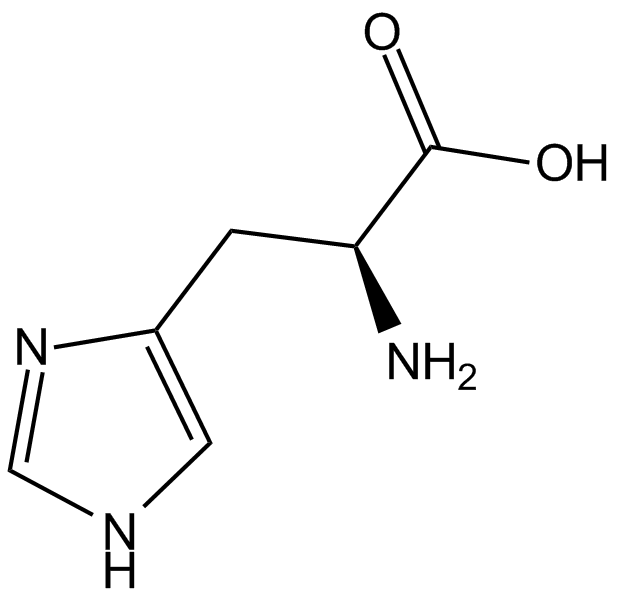
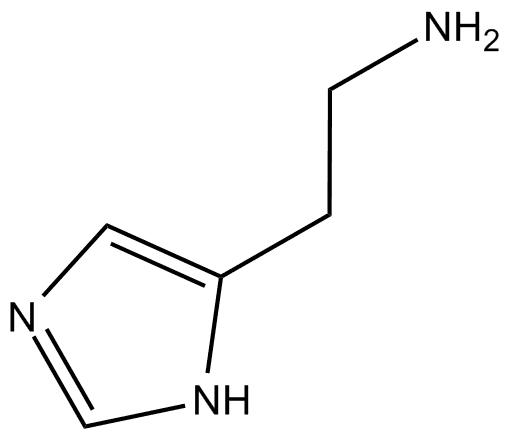
L-Histidine (CAS No.: 71-00-1) is a proteinogenic essential amino acid with critical roles in cellular metabolism, neurotransmission, and redox homeostasis, widely utilized in biomedical research and drug discovery as both a metabolic substrate and functional modulator. Endogenously obtained through dietary intake, histidine serves as a precursor for histamine via histidine decarboxylase and contributes to the biosynthesis of bioactive dipeptides such as carnosine and homocarnosine through carnosine synthase–mediated pathways, thereby linking it to immune signaling, gastric acid secretion, and neuromodulation. In addition to its metabolic roles, L-histidine has been reported to inhibit mitochondrial glutamine transport, suggesting involvement in metabolic reprogramming and mitochondrial function. In vitro studies indicate that histidine exhibits antioxidant activity, scavenging reactive oxygen species such as hydroxyl radicals at millimolar concentrations, and can inhibit microbial biofilm formation under defined conditions, supporting its relevance in oxidative stress and microbiological research. In vivo, histidine administration has demonstrated protective effects in experimental models, including reduction of cerebral edema in acute liver failure, highlighting its potential utility in neuroprotective and metabolic disorder studies. As an essential amino acid for infants and a common component of nutritional formulations, L-histidine is frequently employed in cell culture systems, metabolic profiling, and preclinical models, where experimental concentrations or dosing regimens are adjusted according to specific study objectives.
| Physical Appearance | A solid |
| Storage | -20°C |
| M.Wt | 155.15 |
| Cas No. | 71-00-1 |
| Formula | C6H9N3O2 |
| Synonyms | Glyoxaline-5-Alanine; NSC 137773 |
| Solubility | insoluble in DMSO; insoluble in EtOH; ≥14.31 mg/mL in H2O |
| Chemical Name | (S)-2-amino-3-(1H-imidazol-4-yl)propanoic acid |
| Canonical SMILES | OC([C@@H](N)CC1=CNC=N1)=O |
| Shipping Condition | Small Molecules with Blue Ice, Modified Nucleotides with Dry Ice. |
| General tips | We do not recommend long-term storage for the solution, please use it up soon. |