


Metabolism
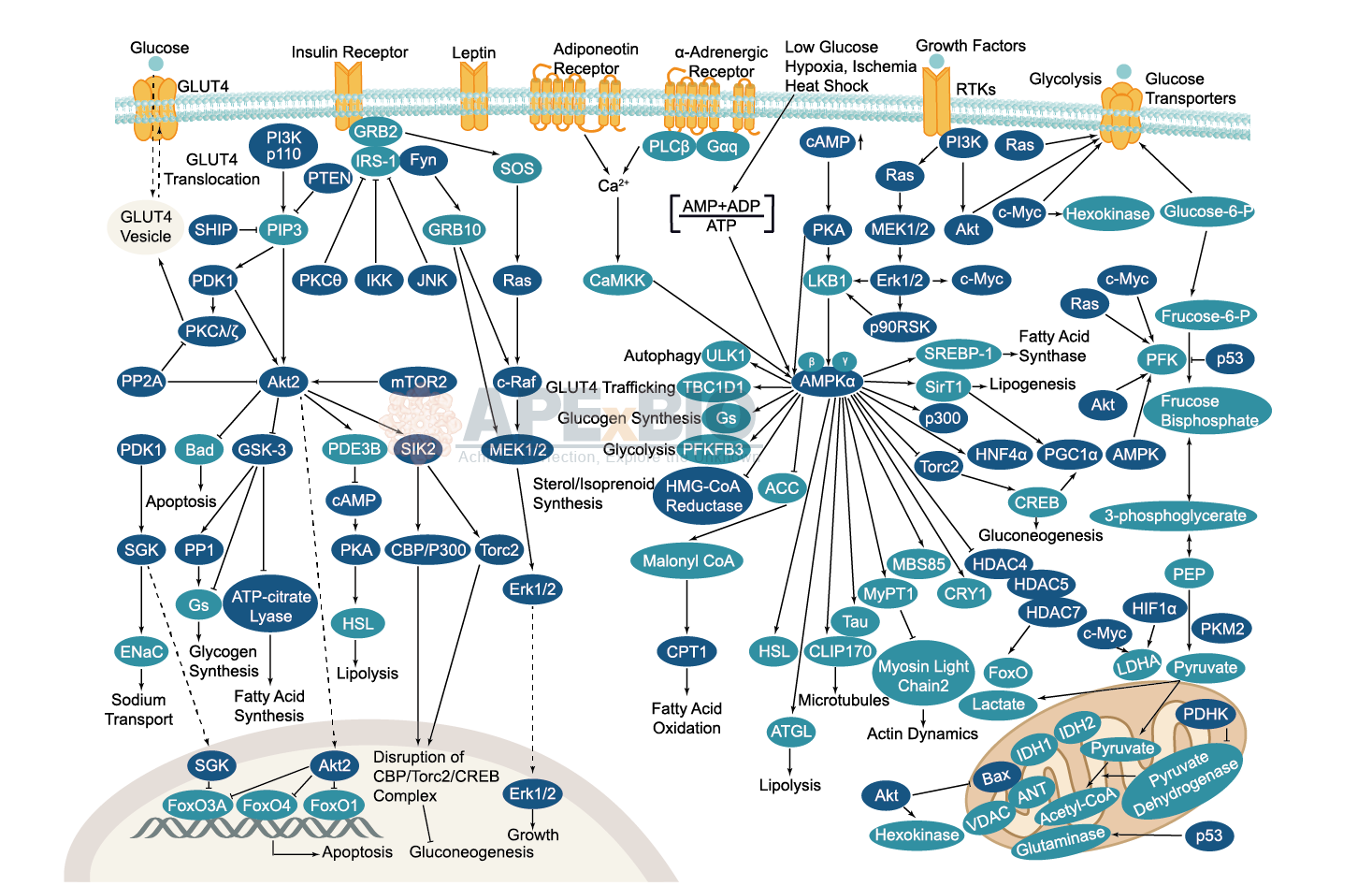
Serine/threonine kinase AMPK upregulates glucose uptake by promoting the expression and function of glucose transporters. AMPK is activated by increased AMP/ATP ratio, resulting from cellular and environmental stress, e.g. low glucose, heat shock, hypoxia and ischemia. AMPK activation positively modulates signaling transductions that refill ATP levels. Moreover, it also stimulates catabolic processes such as fatty acid oxidation and glycolysis through inhibition of ACC and activation of PFK2. AMPK negatively regulates various proteins which are important to ATP-consuming mechanisms, e.g. mTORC2, glycogen synthase, SREBP-1, and TSC2, causing the downregulation/inhibition of gluconeogenesis and glycogen, lipid and protein synthesis.
-
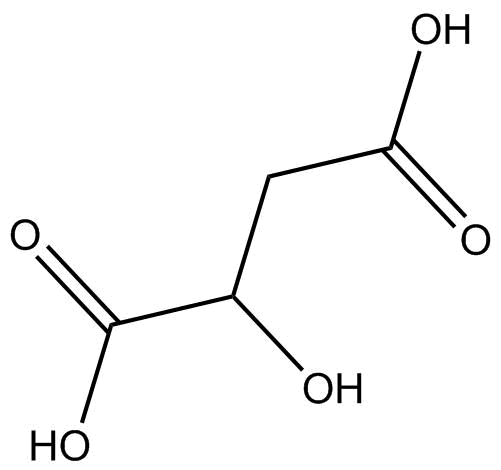 C6203 Malic acidSummary: An intermediate used in research on treatments for xerostomia, depression, and hypertension.
 -
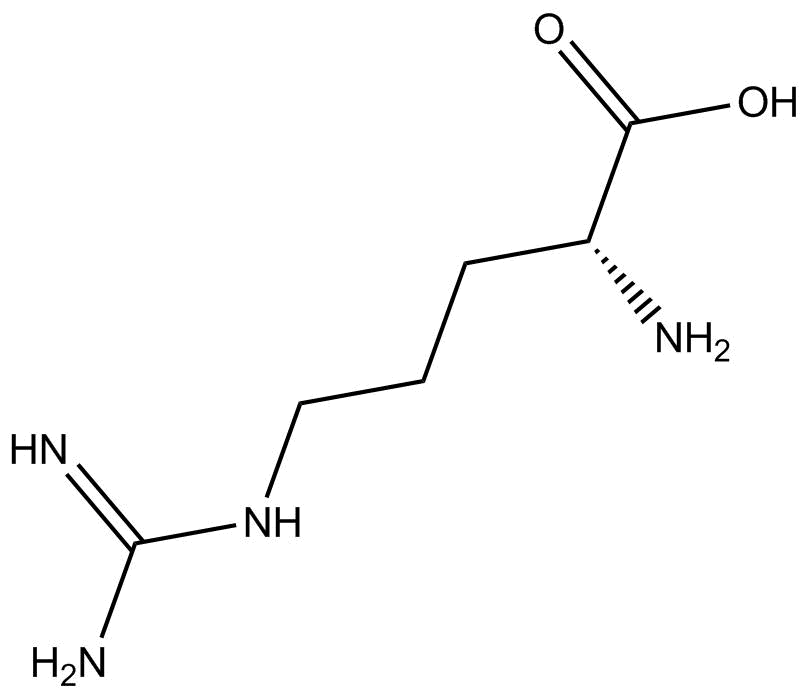 C6205 D(-)-ArginineSummary: A D-amino acid for research on myeloma and neurological diseases.
 -
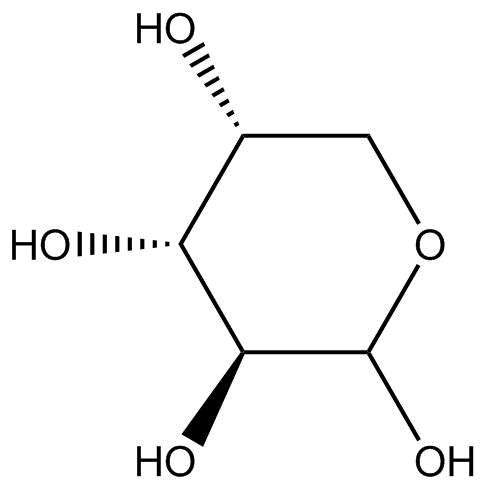 C6212 beta-D-(-)-ArabinoseSummary: A naturally occurring monosaccharide metabolite used for research on carbohydrate metabolism and enzyme regulation.
 -
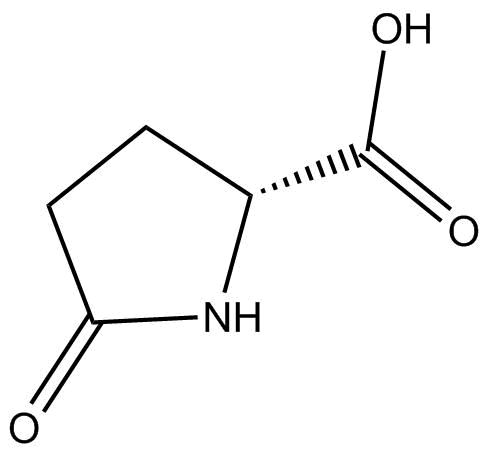 C6214 D-Pyroglutamic acidSummary: An endogenous metabolite that can inhibit the activity of specific enzymes.
 -
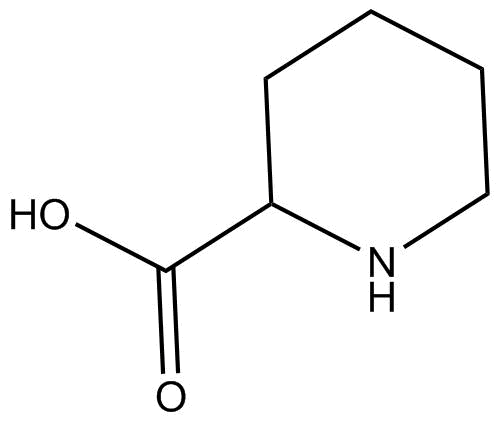 C6216 L(-)-Pipecolinic acidSummary: A cyclic imino acid derivative for research and diagnostic analysis of disorders associated with abnormal lysine metabolism.
 -
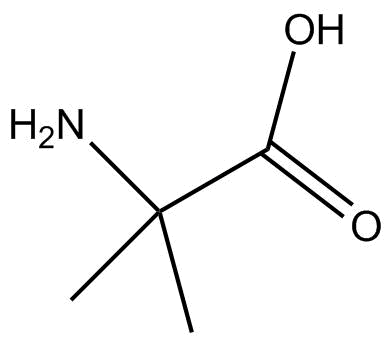 C6242 2-Aminoisobutyric AcidSummary: An α-amino acid that can inhibit endogenous ethylene production in plants.
 -
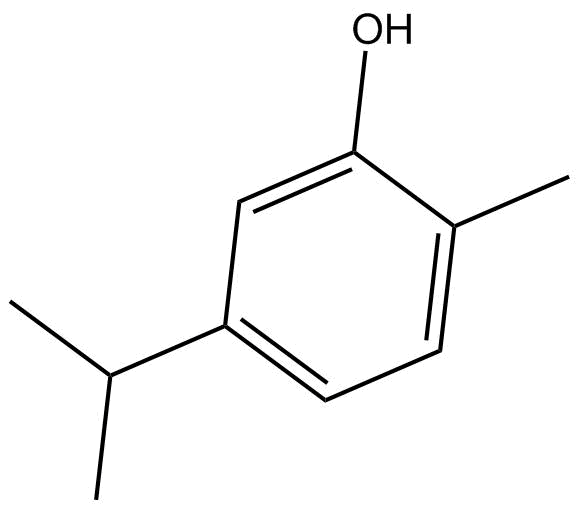 C6244 CarvacrolSummary: A food preservative and flavor ingredient with antibacterial, anti-inflammatory, and anticancer activities.
 -
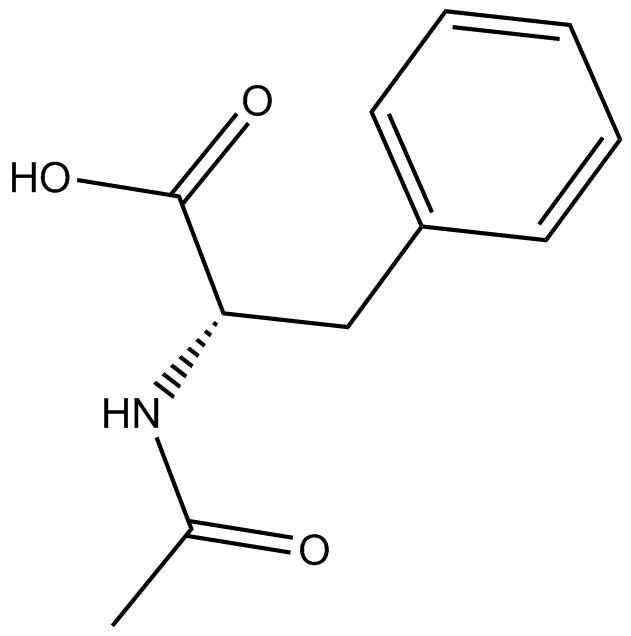 C6263 N-Acetyl-L-phenylalanineSummary: An acyl amino acid derivative synthesized from acetyl-CoA and L-phenylalanine.
 -
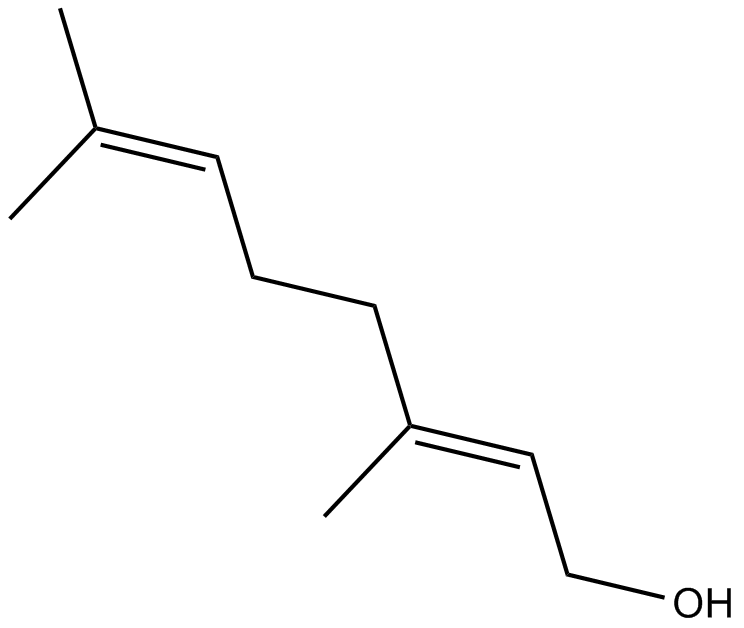 C6279 GeraniolSummary: A natural monoterpene with antibacterial, anti-inflammatory, antioxidant, and anti-tumor activities.
 -
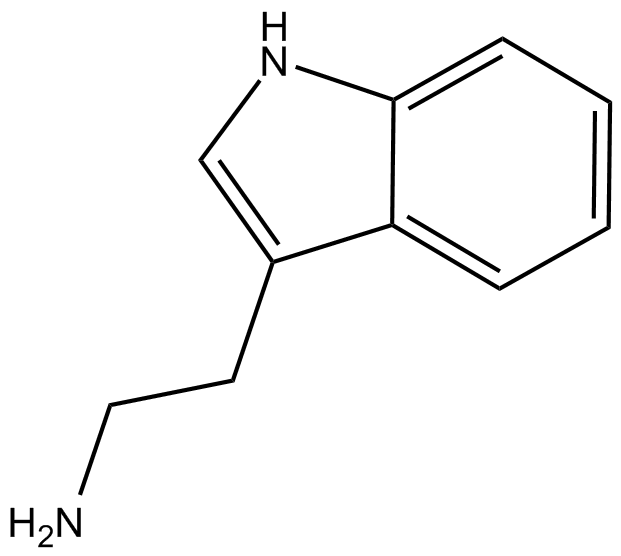 C6281 TryptamineSummary: A monoamine alkaloid that can act as a neuromodulator or neurotransmitter.