


Metabolism
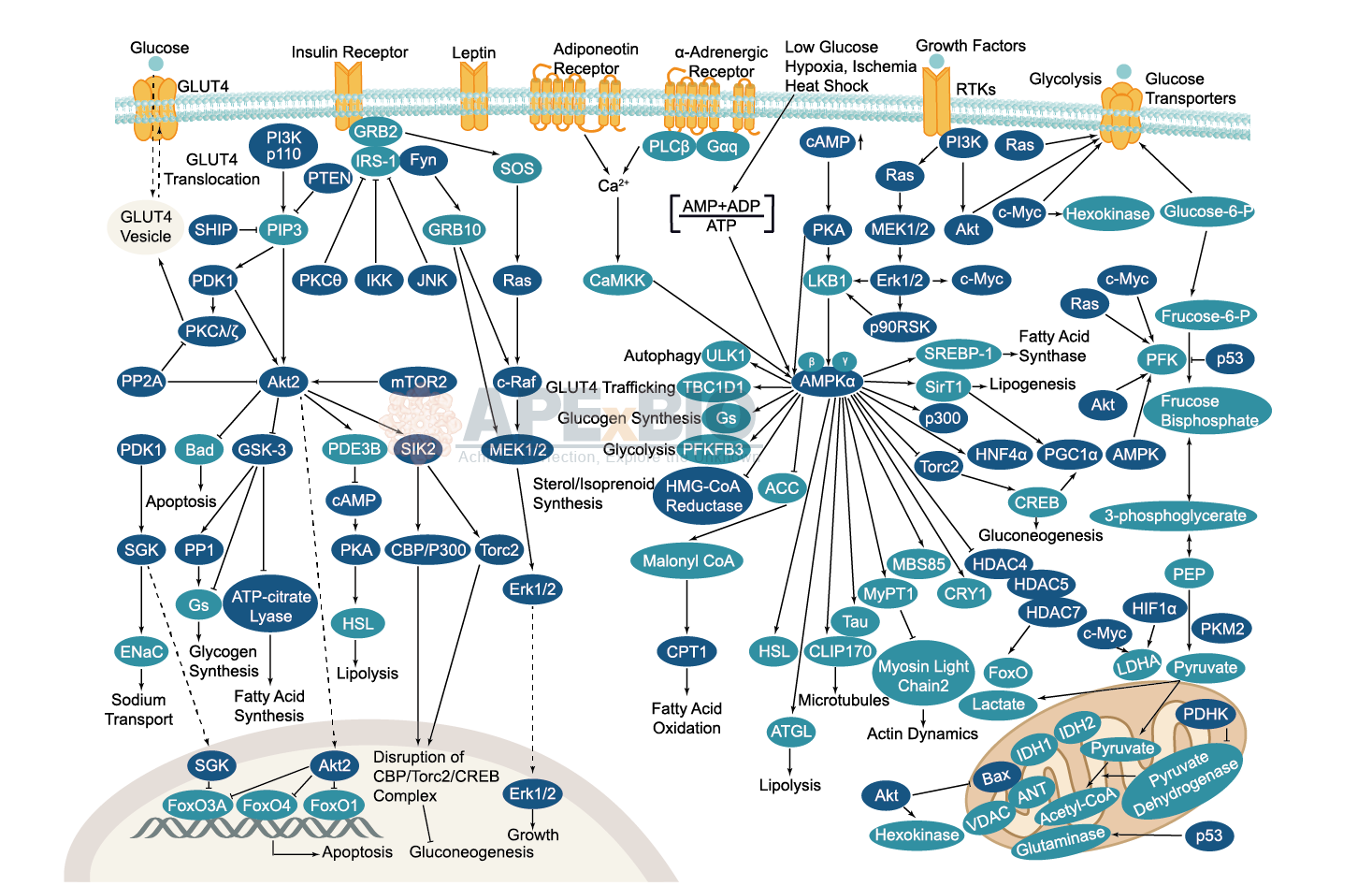
Serine/threonine kinase AMPK upregulates glucose uptake by promoting the expression and function of glucose transporters. AMPK is activated by increased AMP/ATP ratio, resulting from cellular and environmental stress, e.g. low glucose, heat shock, hypoxia and ischemia. AMPK activation positively modulates signaling transductions that refill ATP levels. Moreover, it also stimulates catabolic processes such as fatty acid oxidation and glycolysis through inhibition of ACC and activation of PFK2. AMPK negatively regulates various proteins which are important to ATP-consuming mechanisms, e.g. mTORC2, glycogen synthase, SREBP-1, and TSC2, causing the downregulation/inhibition of gluconeogenesis and glycogen, lipid and protein synthesis.
-
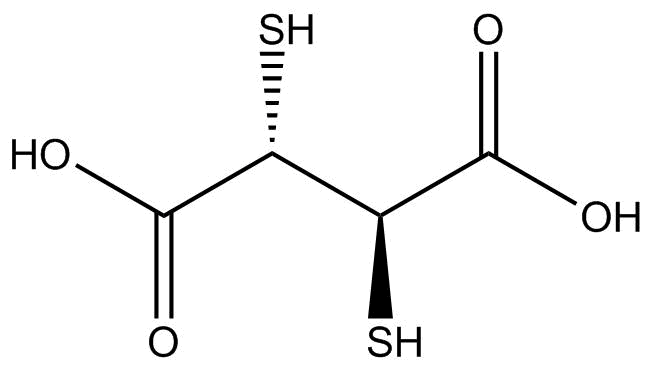 C6282 SuccimerSummary: A metal chelator used to reduce lead levels in the body.
 -
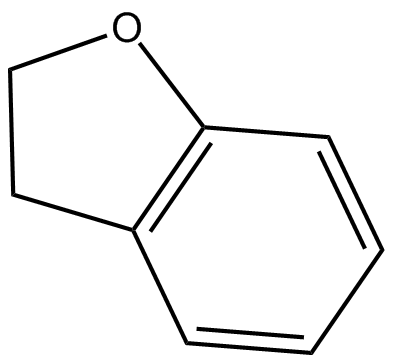 C6288 2,3-DihydrobenzofuranSummary: Exhibits acetylcholinesterase inhibitory and antiparasitic activities, and can be used as a biopesticide.
 -
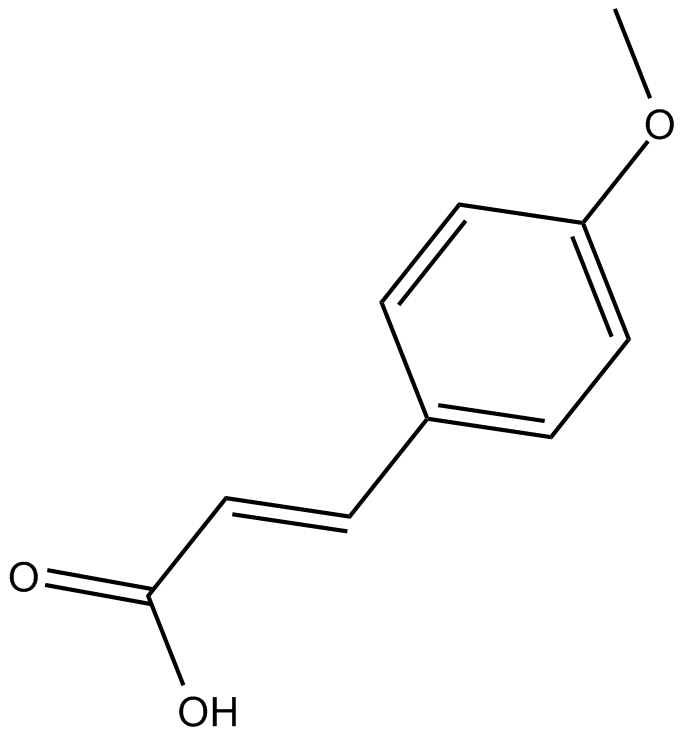 C6318 4-Methoxycinnamic acidSummary: A natural phenylpropanoid compound with antioxidant, anti-inflammatory, and metabolic regulatory effects.
 -
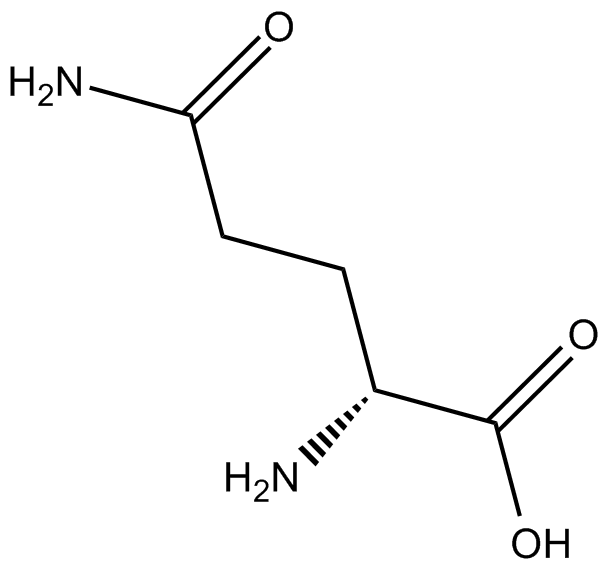 C6322 D-GlutamineSummary: A non-essential amino acid involved in nitrogen metabolism and energy metabolism in the body.
 -
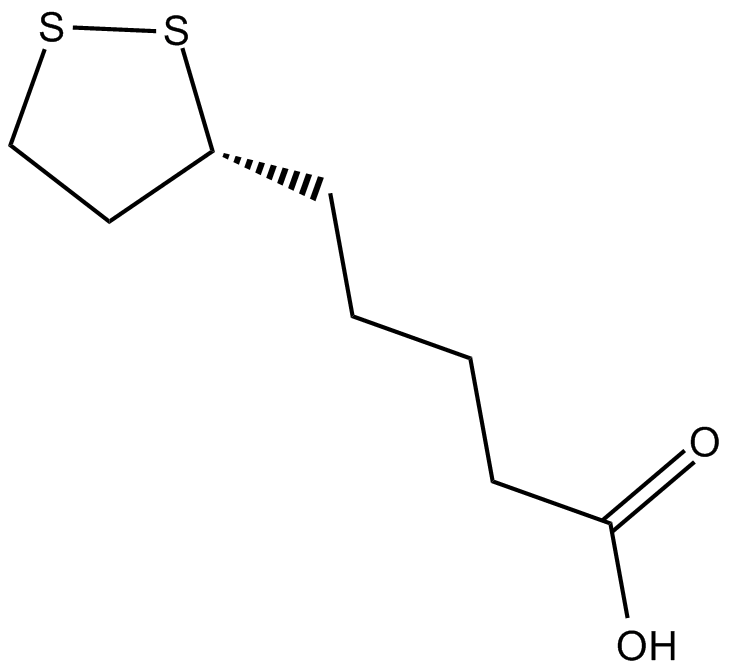 C6326 (R)-(+)-1,2-Dithiolane-3-pentanoic acidSummary: An endogenous cofactor with antioxidant activity that participates in mitochondrial enzyme metabolic reactions.
 -
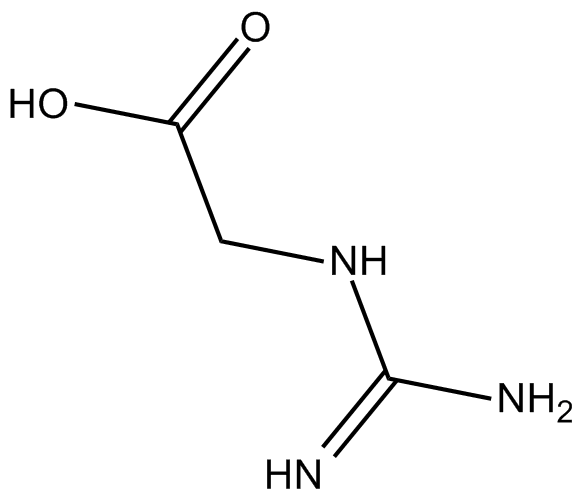 C6336 Guanidineacetic acidSummary: An energy supplement that can be used as a creatine precursor and an arginine substitute.
 -
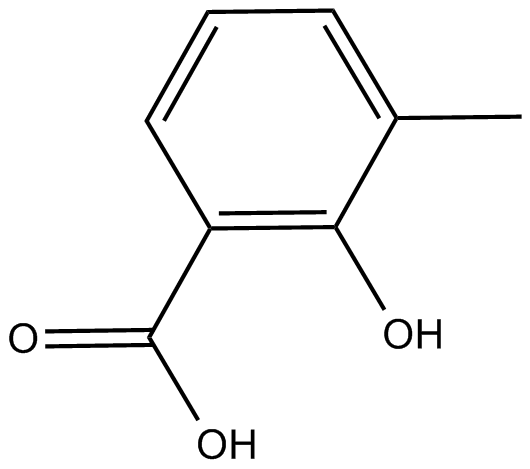 C6344 3-Methylsalicylic acidSummary: A salicylic acid derivative that can activate the fibrinolytic system and promote fibrinolysis.
 -
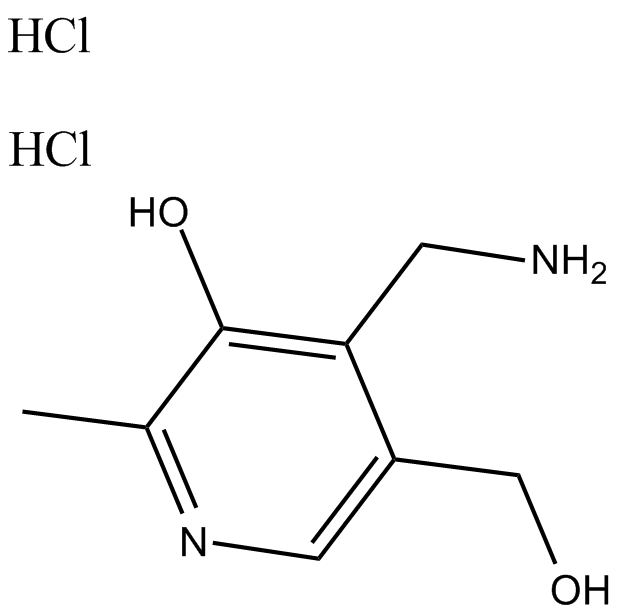 C6359 Pyridoxamine dihydrochlorideSummary: Inhibits the formation of AGEs and ALEs, used for mechanistic studies of diabetic complications.
 -
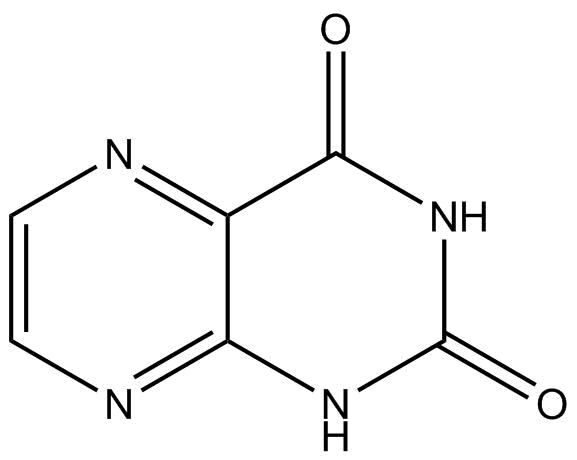 C6546 Pteridine-2,4(1H,3H)-dioneSummary: A naturally occurring endogenous pteridine metabolite, used in studies of pteridine pathway metabolism.
 -
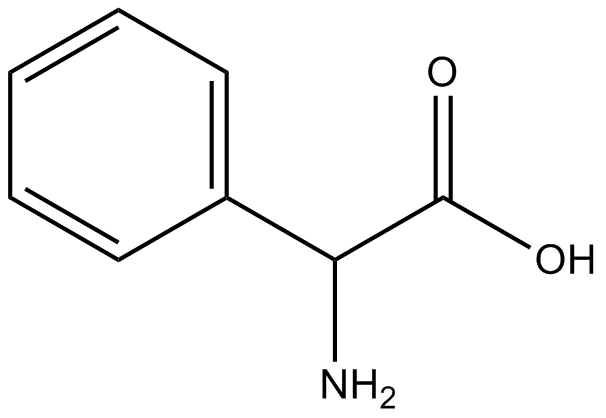 C6872 2-PhenylglycineSummary: An endogenous amino acid derivative in early-stage breast milk and a precursor for drug synthesis.