


Metabolism
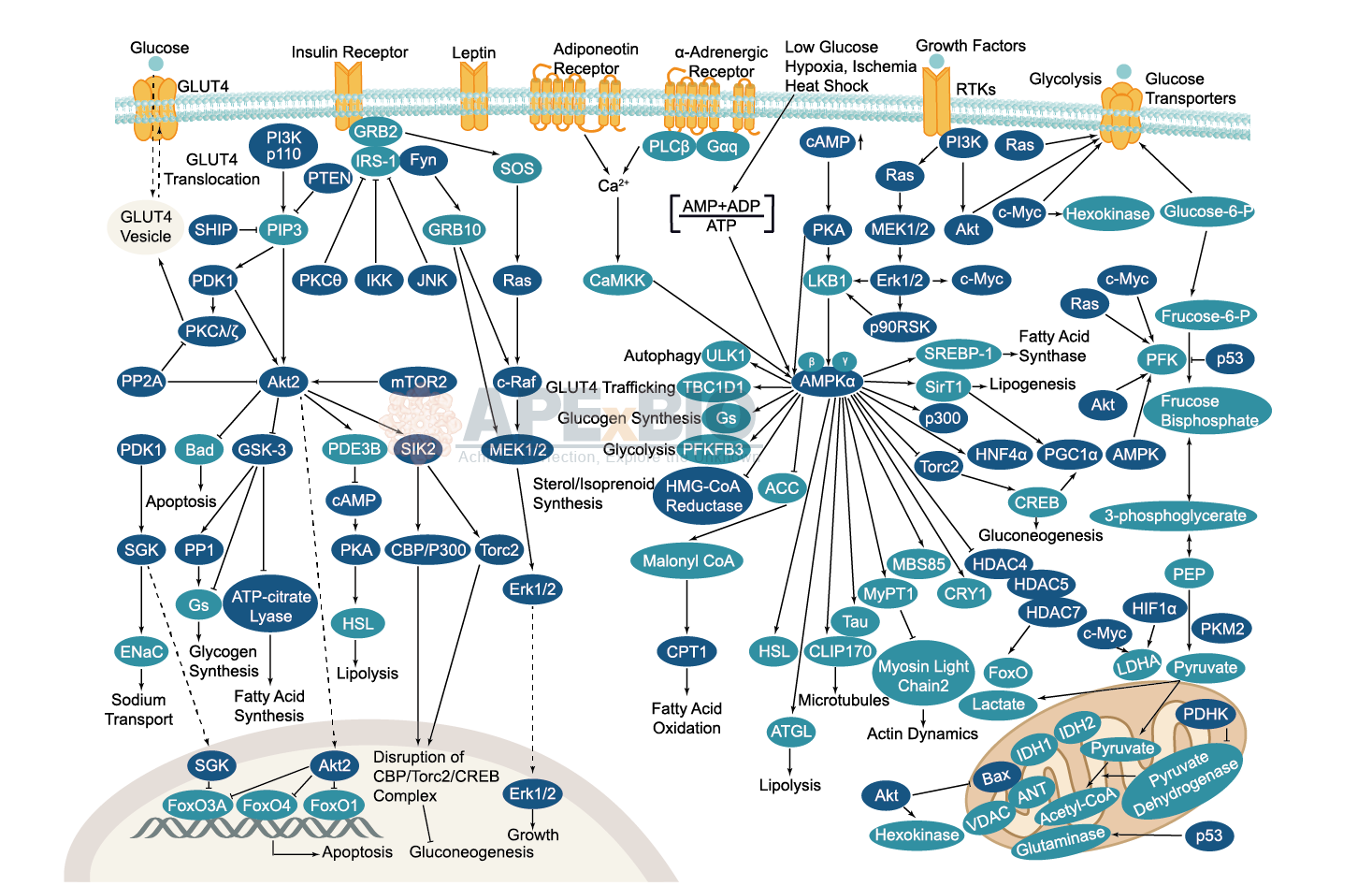
Serine/threonine kinase AMPK upregulates glucose uptake by promoting the expression and function of glucose transporters. AMPK is activated by increased AMP/ATP ratio, resulting from cellular and environmental stress, e.g. low glucose, heat shock, hypoxia and ischemia. AMPK activation positively modulates signaling transductions that refill ATP levels. Moreover, it also stimulates catabolic processes such as fatty acid oxidation and glycolysis through inhibition of ACC and activation of PFK2. AMPK negatively regulates various proteins which are important to ATP-consuming mechanisms, e.g. mTORC2, glycogen synthase, SREBP-1, and TSC2, causing the downregulation/inhibition of gluconeogenesis and glycogen, lipid and protein synthesis.
-
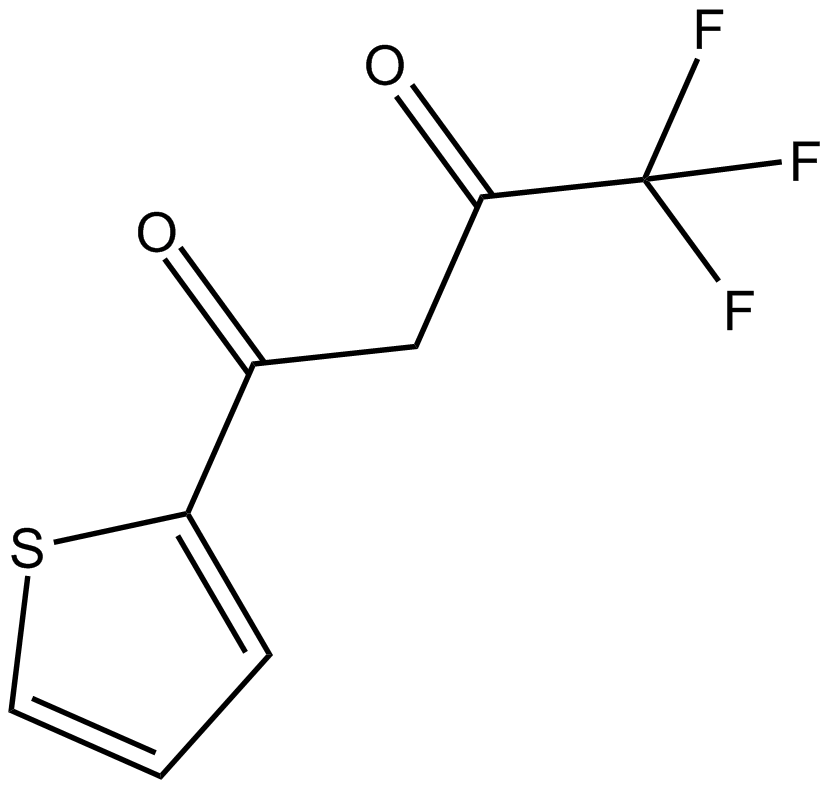 C4922 2-ThenoyltrifluoroacetoneSummary: Respiration inhibitor, metal chelator
 -
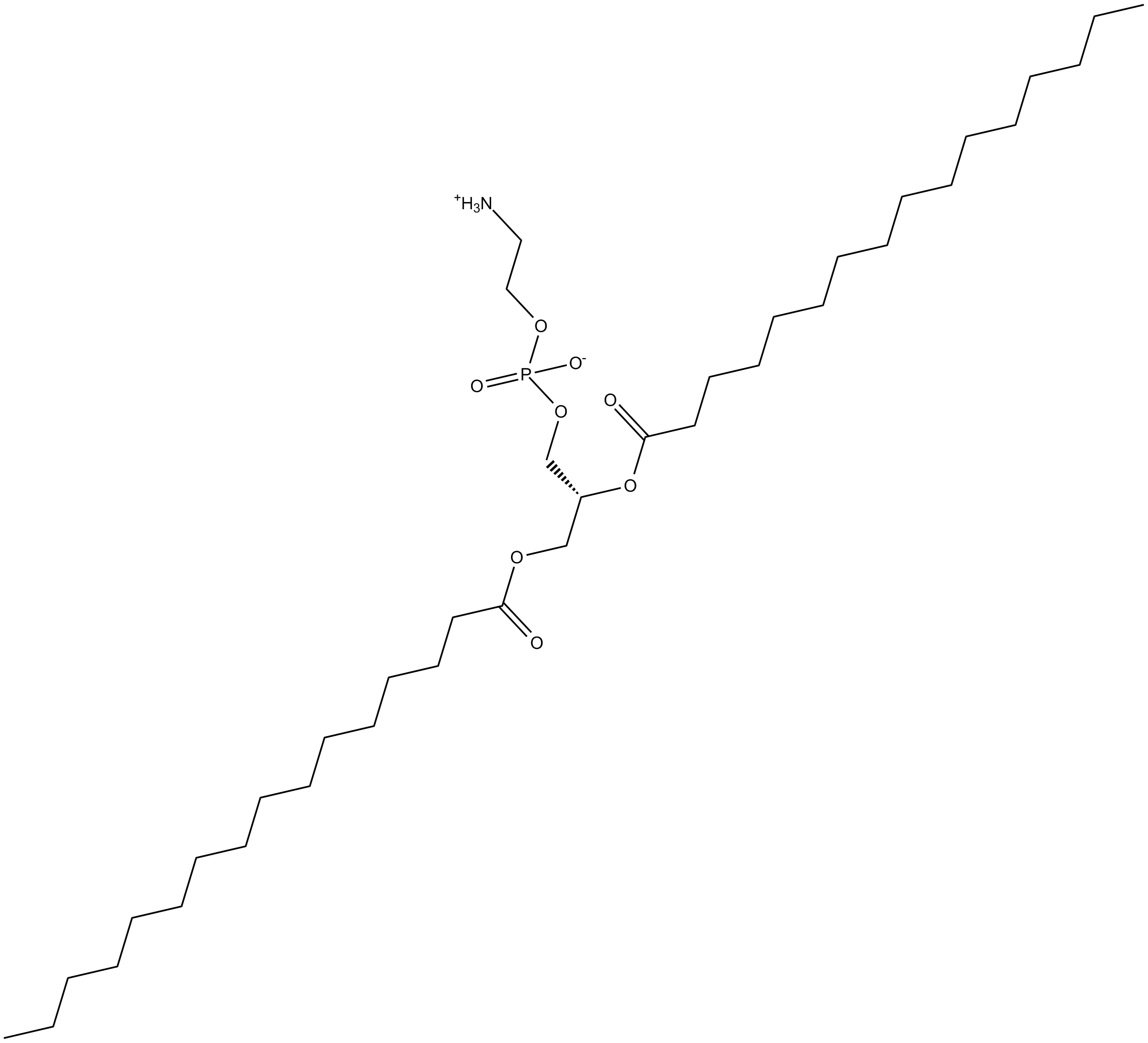 C4959 1,2-Dipalmitoyl-sn-glycero-3-PESummary: A phospholipid that forms the lipid bilayer of cell membranes and provides membrane stability.
 -
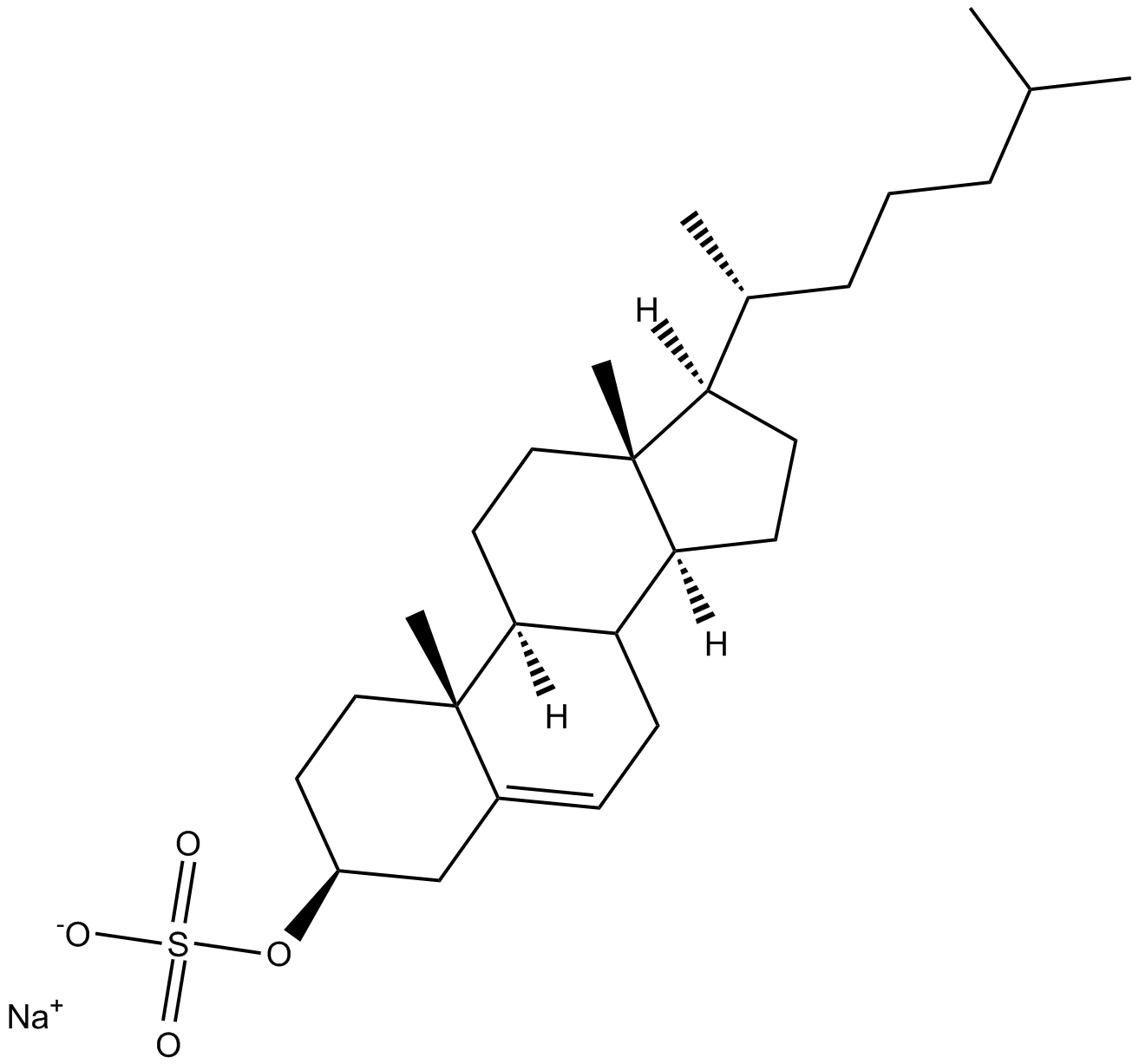 C4967 Cholesterol Sulfate (sodium salt)Summary: Biomembrane stabilizer, involved in maintaining membrane structure and regulating sperm capacitation.
 -
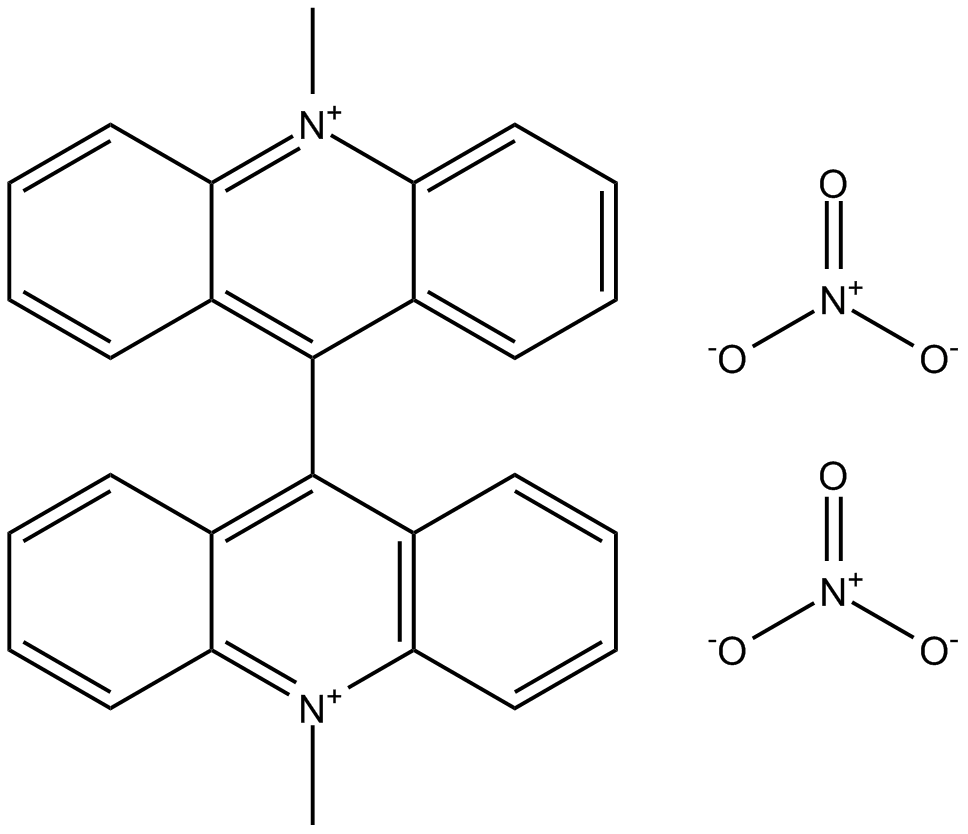 C4973 LucigeninSummary: A fluorescent probe for detecting superoxide anions and chloride ions.
 -
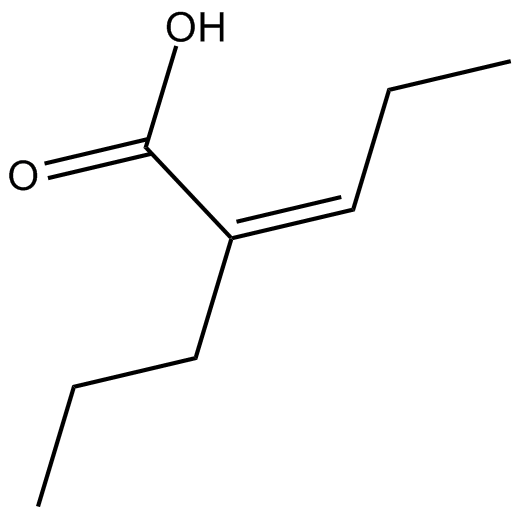 C4985 (E,Z)-2-propyl-2-Pentenoic AcidSummary: A valproic acid metabolite that can modulate the neural mechanisms of aversive conditioned learning.
 -
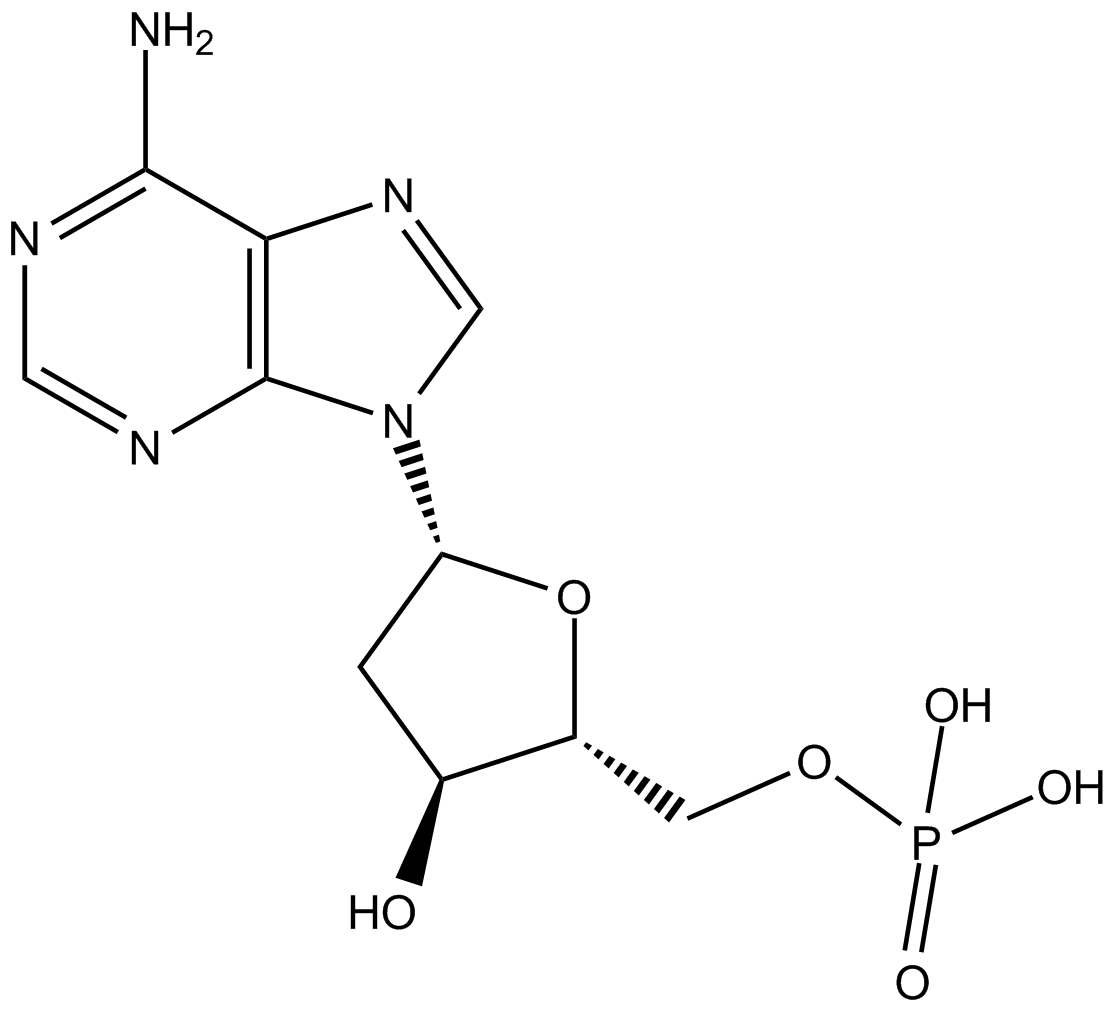 C4992 2'-Deoxyadenosine-5'-monophosphateSummary: A nucleic acid derivative used for research on DNA synthesis and damage repair.
 -
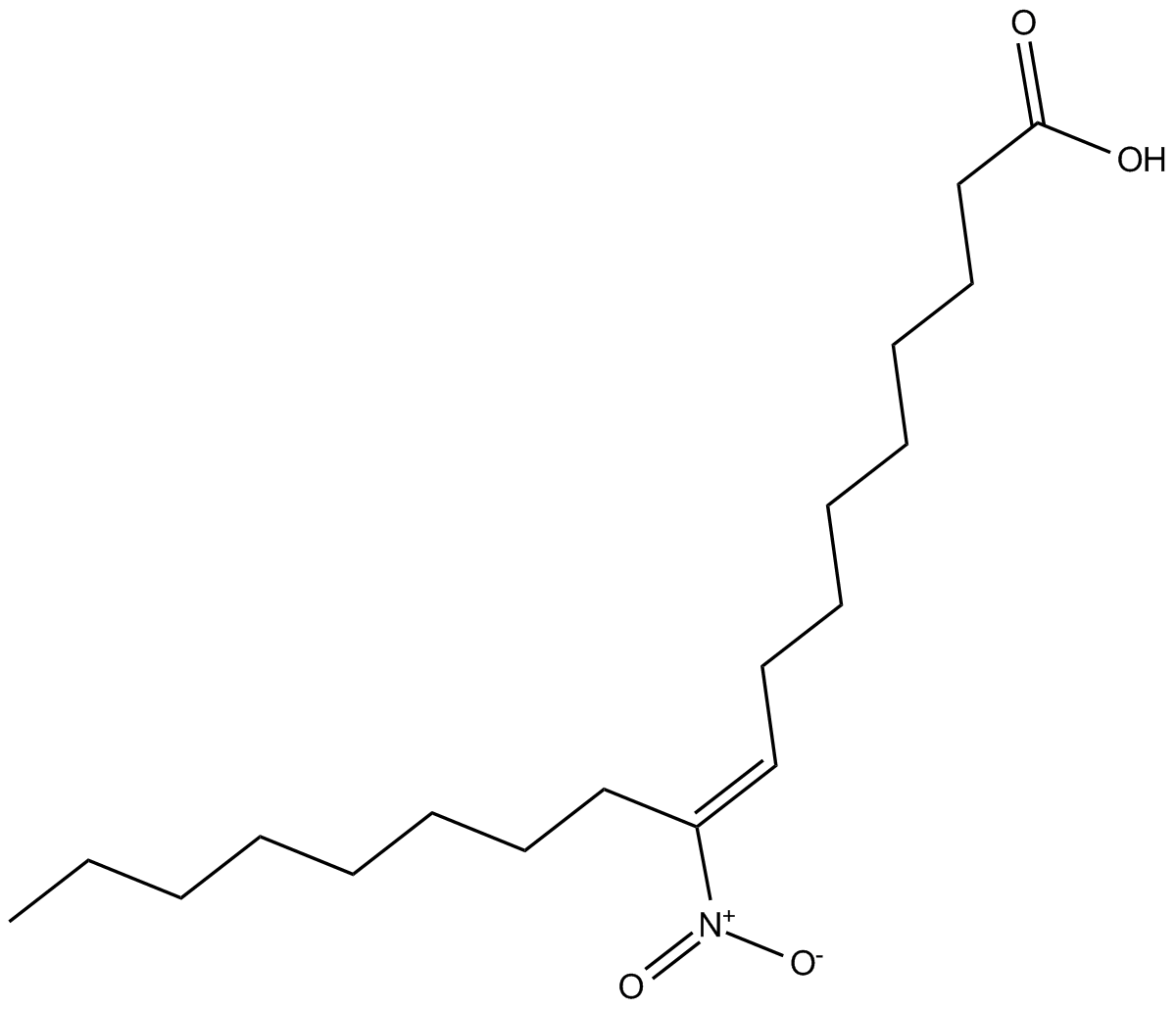 C4998 10-NitrooleateSummary: A nitrated fatty acid derivative with antioxidant and anti-inflammatory properties.
 -
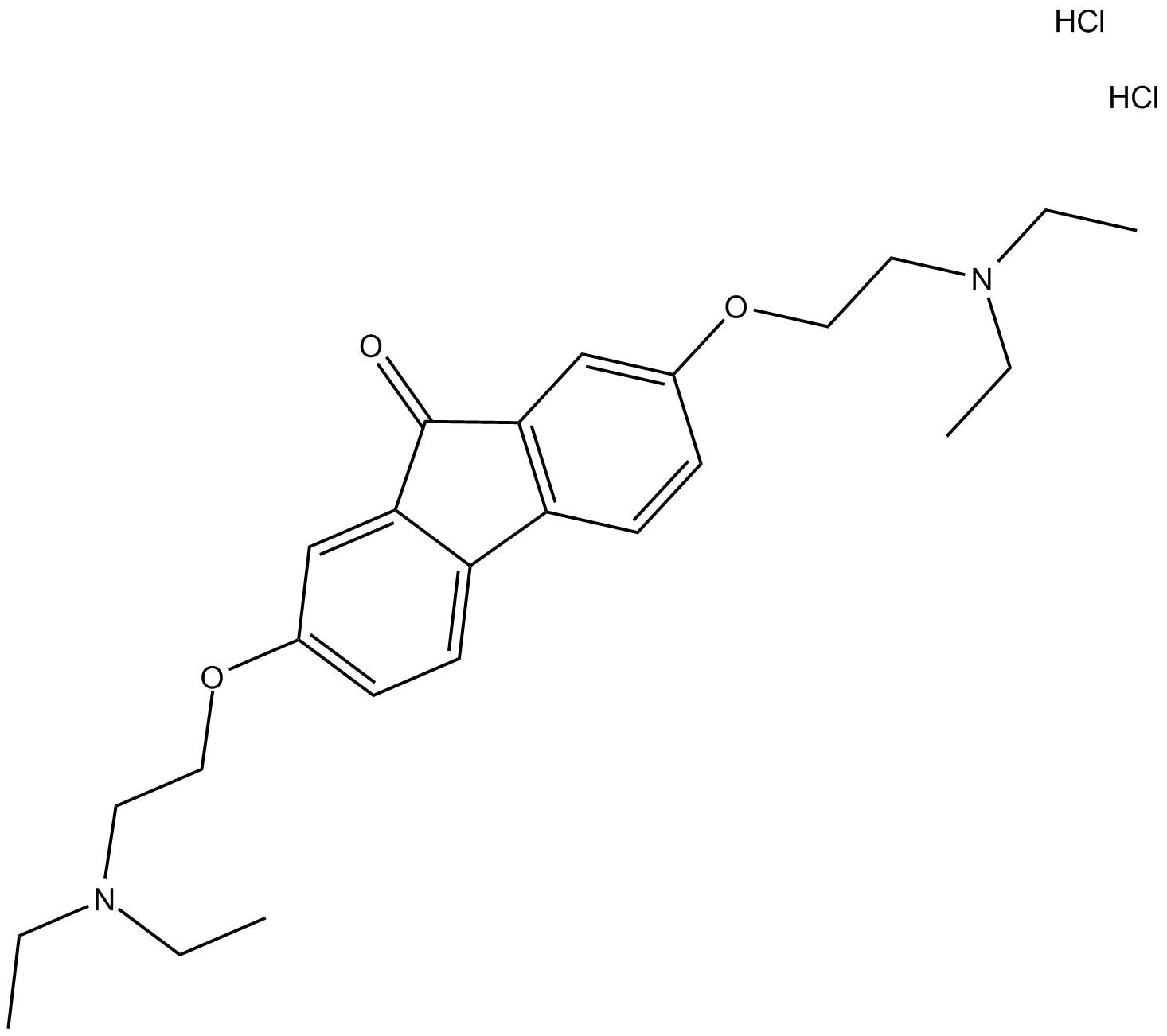 C5088 Tilorone (hydrochloride)Summary: An interferon inducer with broad-spectrum antiviral activity.
 -
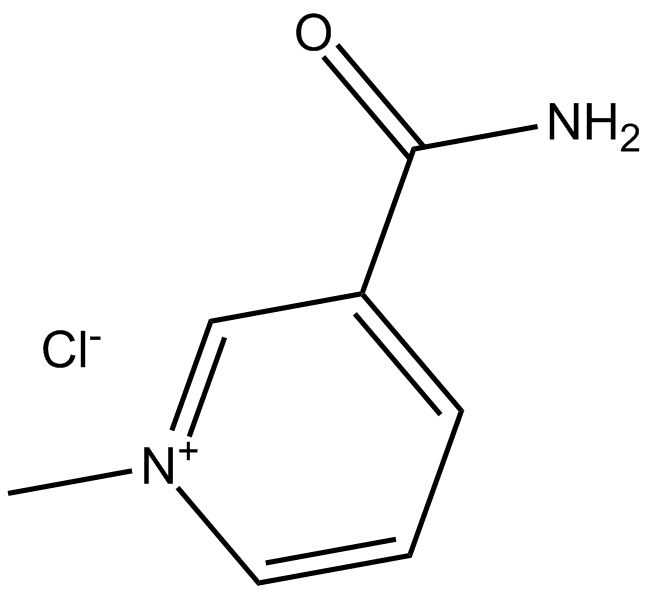 C5152 1-Methylnicotinamide (chloride)Summary: An endogenous metabolite with antithrombotic and anti-inflammatory effects.
 -
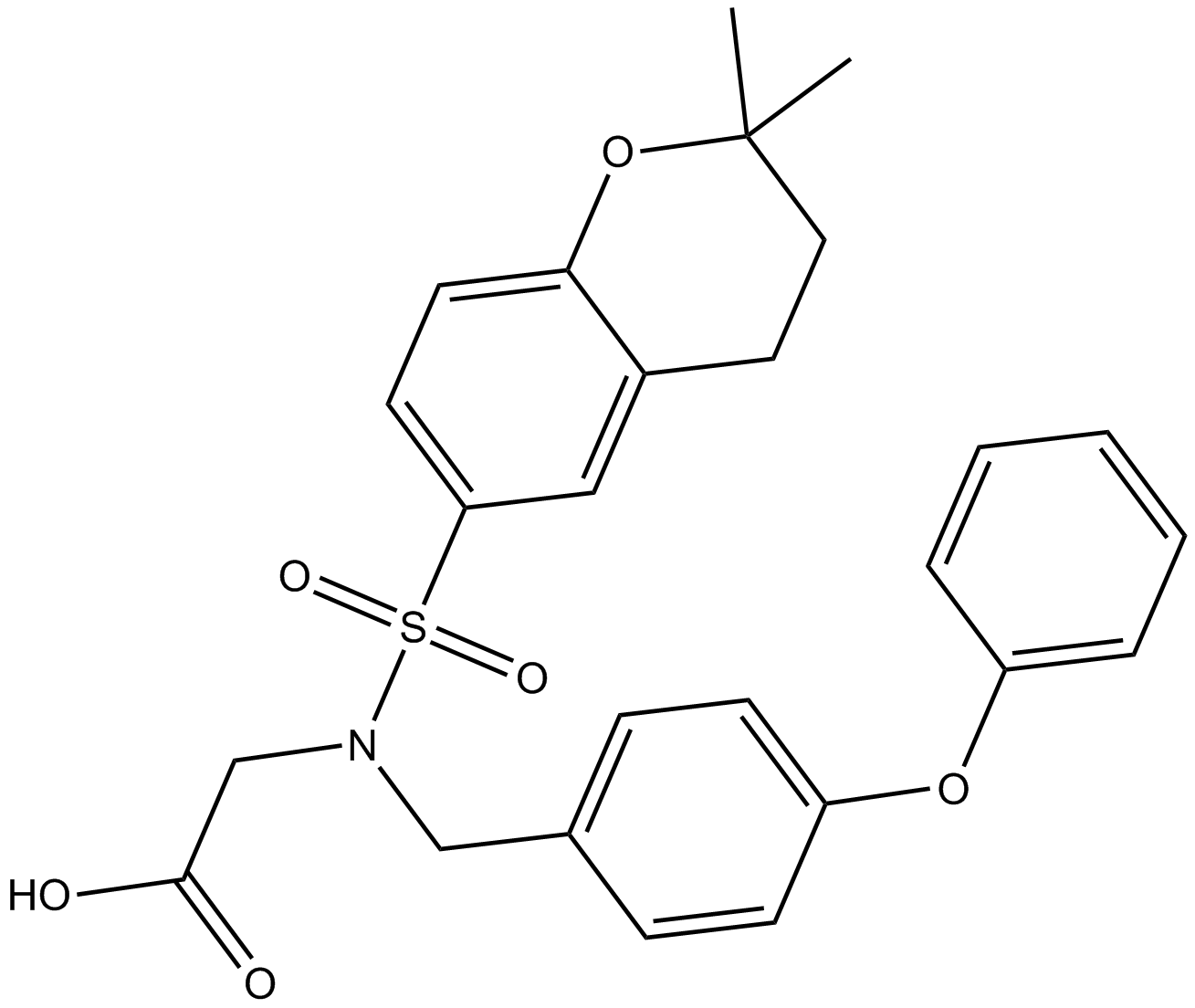 C5153 LEI-106Summary: A research tool for lipid signaling pathway studies with dual inhibition of DAGL-α and ABHD6.