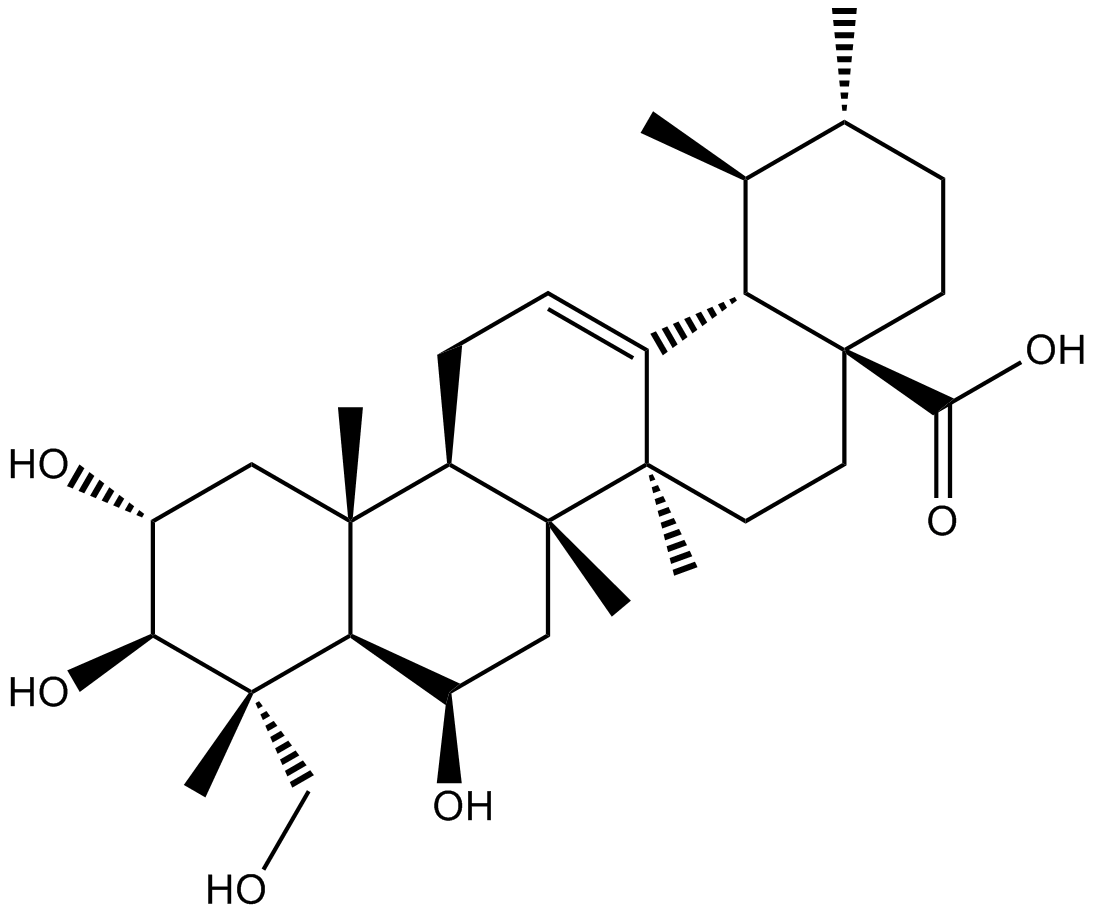
Traumatic Acid
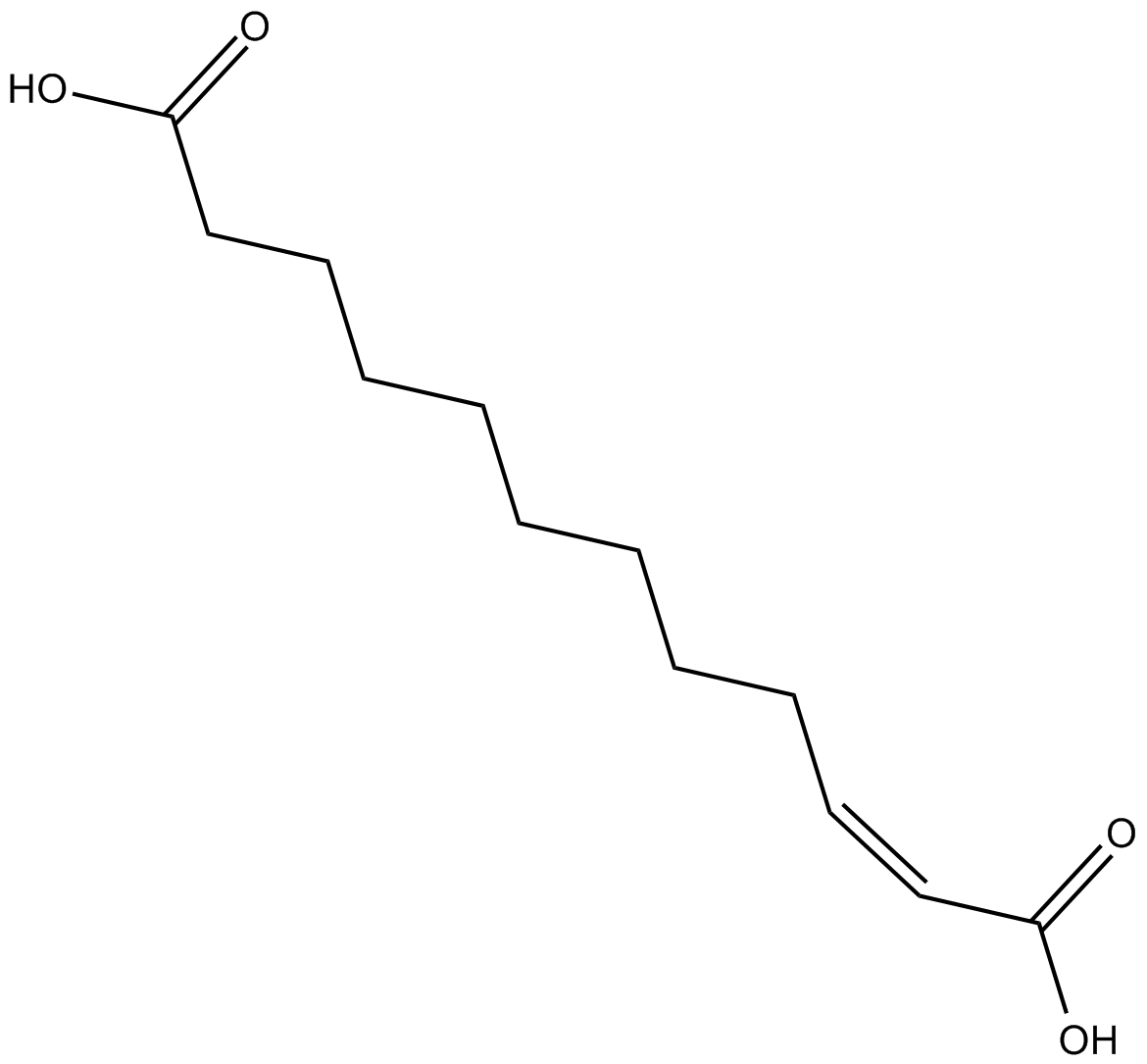
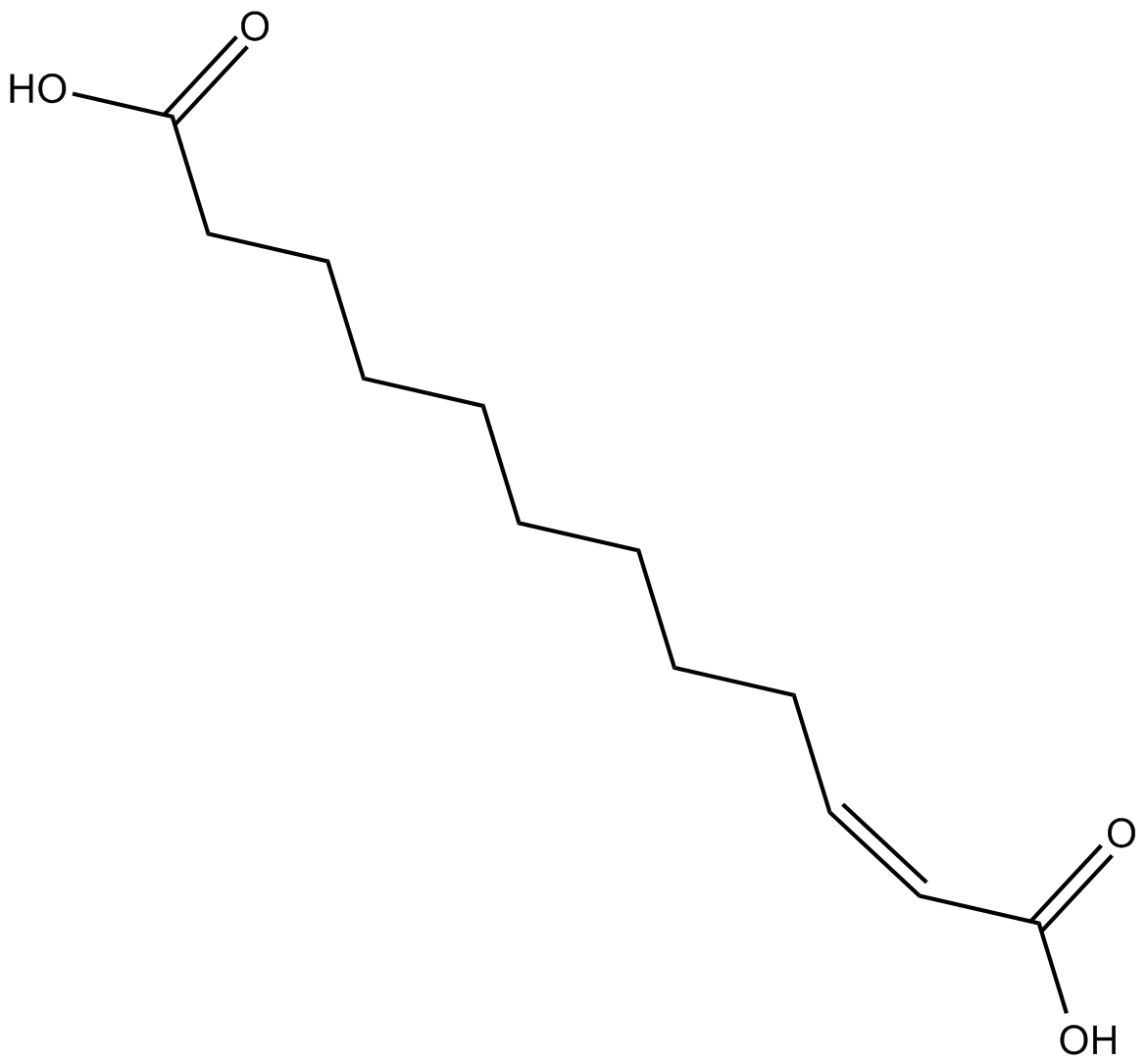
Traumatic Acid (CAS No.: 6402-36-4) is a biologically active small molecule derived from the plant hydroperoxide lyase pathway and classified as a cytokinin-like phytohormone with established roles in wound response and tissue regeneration. It functions as a wound healing agent by stimulating cell division and promoting protective tissue formation, and in mammalian systems it has been shown to modulate cellular signaling pathways associated with proliferation, apoptosis, and oxidative stress. In vitro studies demonstrate that Traumatic Acid enhances collagen biosynthesis in cultured human skin fibroblasts, supporting its relevance in extracellular matrix remodeling and dermatological research, while concurrently inhibiting the viability of MCF-7 breast cancer cells through mechanisms involving induction of apoptosis and increased oxidative stress. These activities are generally observed at concentrations spanning the low micromolar to micromolar range, depending on the experimental system. Mechanistically, its effects are associated with regulation of redox balance and apoptosis-related pathways, although precise molecular targets remain to be fully elucidated. Traumatic Acid is therefore widely utilized in biomedical research focused on cancer biology, skin disorders linked to impaired collagen production or oxidative damage, and circulatory diseases such as hypertension, as well as in studies investigating plant-derived signaling molecules with translational potential. Experimental applications typically involve cell-based assays and exploratory preclinical models, with dosing and exposure conditions tailored to specific study designs.
| Physical Appearance | A crystalline solid |
| Storage | -20°C |
| M.Wt | 228.28 |
| Cas No. | 6402-36-4 |
| Formula | C12H20O4 |
| Synonyms | FA 12:2;O2; trans - 2- Dodecenedioic Acid |
| Solubility | ≤10mg/ml in ethanol;10mg/ml in DMSO;10mg/ml in dimethyl formamide |
| Chemical Name | (Z)-dodec-2-enedioic acid |
| Canonical SMILES | OC(=O)CCCCCCCC/C=C\C(=O)O |
| Shipping Condition | Small Molecules with Blue Ice, Modified Nucleotides with Dry Ice. |
| General tips | We do not recommend long-term storage for the solution, please use it up soon. |
Quality Control & MSDS
- View current batch:
Chemical structure