Alloxan (hydrate)
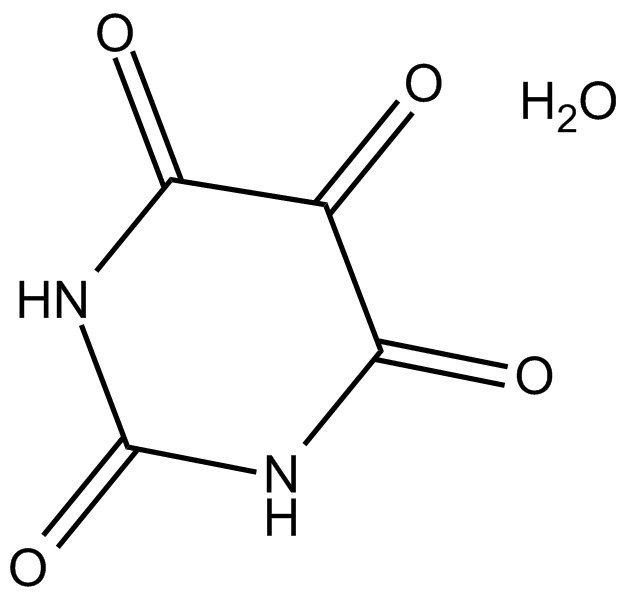
Alloxan (hydrate) (CAS No.: 2244-11-3) is a well-established diabetogenic small molecule widely employed in biomedical research to generate experimental models of insulin-dependent diabetes through its selective cytotoxicity toward pancreatic β-cells. Functionally categorized as both a β-cell toxin and a proteasome inhibitor, alloxan exerts its primary biological effects via intracellular reduction within β-cells, leading to the rapid formation of reactive oxygen species and subsequent oxidative stress–mediated cell death, ultimately resulting in impaired insulin secretion and hyperglycemia. Its activity is closely associated with redox cycling processes and disruption of cellular proteostasis, making it a valuable tool for investigating mechanisms of β-cell degeneration, oxidative damage, and proteasome-related pathways. In vitro and in vivo studies indicate that its effective activity typically falls within the micromolar range, although outcomes are highly dependent on experimental conditions such as cell type, animal species, route of administration, and metabolic status. Alloxan hydrate is extensively utilized in rodent and other animal models to study the pathophysiology of diabetes, evaluate antidiabetic therapeutics, and explore protective strategies against β-cell injury, with dosing and exposure parameters tailored to specific research objectives.
| Physical Appearance | A solid |
| Storage | -20°C |
| M.Wt | 160.08 |
| Cas No. | 2244-11-3 |
| Formula | C4H4N2O5 |
| Solubility | ≥12.75 mg/mL in EtOH; ≥16 mg/mL in H2O; ≥58 mg/mL in DMSO |
| Chemical Name | pyrimidine-2,4,5,6(1H,3H)-tetraone hydrate |
| Canonical SMILES | O=C(C(C(N1)=O)=O)NC1=O.O |
| Shipping Condition | Small Molecules with Blue Ice, Modified Nucleotides with Dry Ice. |
| General tips | We do not recommend long-term storage for the solution, please use it up soon. |