


L-Cystine
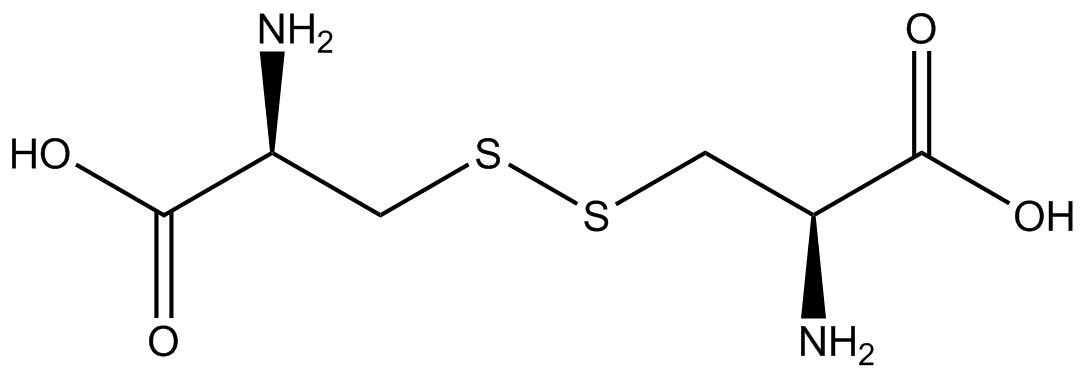
L-Cystine (CAS No.: 56-89-3) is a dimeric, nonessential amino acid formed through the oxidative covalent linkage of two cysteine molecules via a disulfide bond, and represents a stable extracellular form of L-cysteine widely present in proteins of both plant and animal origin. Functionally, L-cystine serves as a key component in redox biology and sulfur amino acid metabolism, contributing to intracellular cysteine pools and glutathione synthesis following cellular uptake and reduction. It has been shown to modulate oxidative stress responses by elevating nuclear factor erythroid 2–related factor 2 (Nrf2) protein expression and activating downstream antioxidant transcriptional programs, thereby reducing reactive oxygen species generation and protecting cells from oxidant- or chemotherapeutic agent-induced apoptosis. In immunological contexts, L-cystine, particularly in combination with L-theanine, enhances antigen-specific IgG production through increased glutathione levels and T helper 2-mediated responses in preclinical models. Pathophysiologically, dysregulated cystine accumulation is implicated in cystinosis, a lysosomal storage disorder associated with renal Fanconi syndrome and progressive kidney dysfunction, highlighting its relevance in renal and metabolic disease research. In vitro and in vivo studies typically employ L-cystine in micromolar concentration ranges depending on experimental design, and it is broadly utilized in cell culture systems, oxidative stress assays, immunomodulation studies, and disease models related to cystinuria and kidney stone formation, making it a valuable tool in biomedical research and drug discovery focused on redox regulation and amino acid metabolism.
| Physical Appearance | A solid |
| Storage | -20°C |
| M.Wt | 240.29 |
| Cas No. | 56-89-3 |
| Formula | C6H12N2O4S2 |
| Synonyms | (–)-Cystine; NSC 13203 |
| Solubility | insoluble in DMSO; insoluble in EtOH; insoluble in H2O |
| Chemical Name | (2R,2'R)-3,3'-disulfanediylbis(2-aminopropanoic acid) |
| Canonical SMILES | O=C([C@@H](N)CSSC[C@@H](C(O)=O)N)O |
| Shipping Condition | Small Molecules with Blue Ice, Modified Nucleotides with Dry Ice. |
| General tips | We do not recommend long-term storage for the solution, please use it up soon. |