


Apoptosis
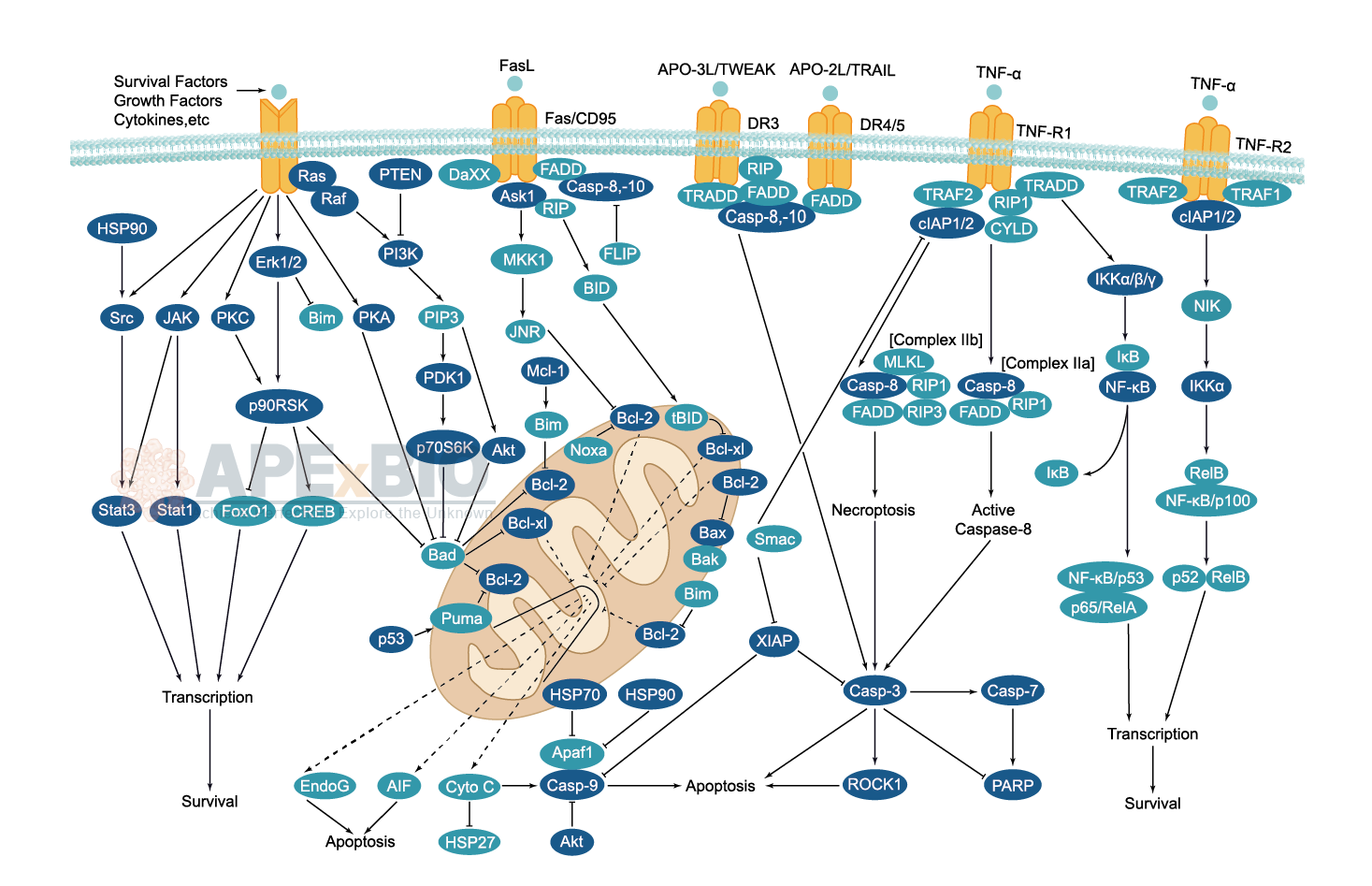
Apoptosis, also known as programmed cell death, is rigorously controlled process of cell death that leads to phagocytosis of unwanted cell. It is triggered after sufficient cellular damage and activated through extrinsic or intrinsic pathways. The intrinsic pathway is mainly occurs via release of cytochrome c from the mitochondria and regulates mitochondrial outer membrane permeabilization by Bcl-2 family proteins. The extrinsic pathway is induced by ligand binding to death receptor, such as Fas, TNFαR, DR3, DR4, and DR5. Caspases then cleave target proteins and nuclear lamins to promote DNA degradation, resulting apoptotic cells undergo phagocytosis. In addition, p53 has the ability to activate intrinsic and extrinsic pathways of apoptosis by inducing transcription of several proteins like Puma, Bid, Bax, TRAIL-R2, and CD95.
Some Inhibitors of apoptosis proteins (IAPs), such as XIAP/BIRC4 and Bruce/BIRC6, can block casapse activity through direct binding, while other IAPs, such as cIAP1/BIRC2, cIAP2/BIRC3, act as ubiquitin ligases that target caspases for ubiquitin-mediated degradation. Apoptosis is essential for growth, development and aging in multicellular organisms. Any alterations or abnormalities occurring in apoptotic processes contribute to development of human diseases, including cancer.
-
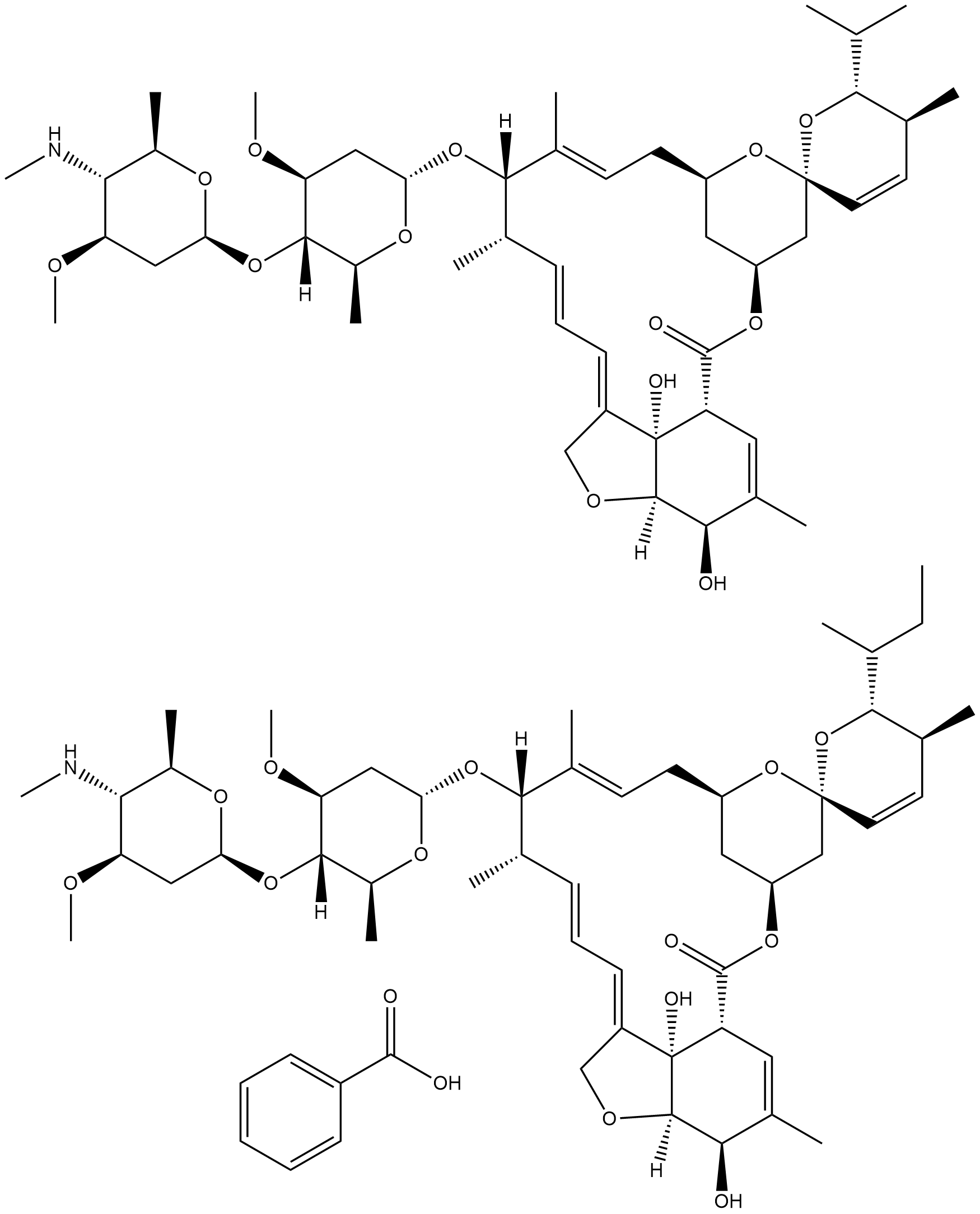 A4757 Emamectin BenzoateSummary: A semisynthetic avermectin derivative that acts on insect GABA receptors and induces ROS damage
 -
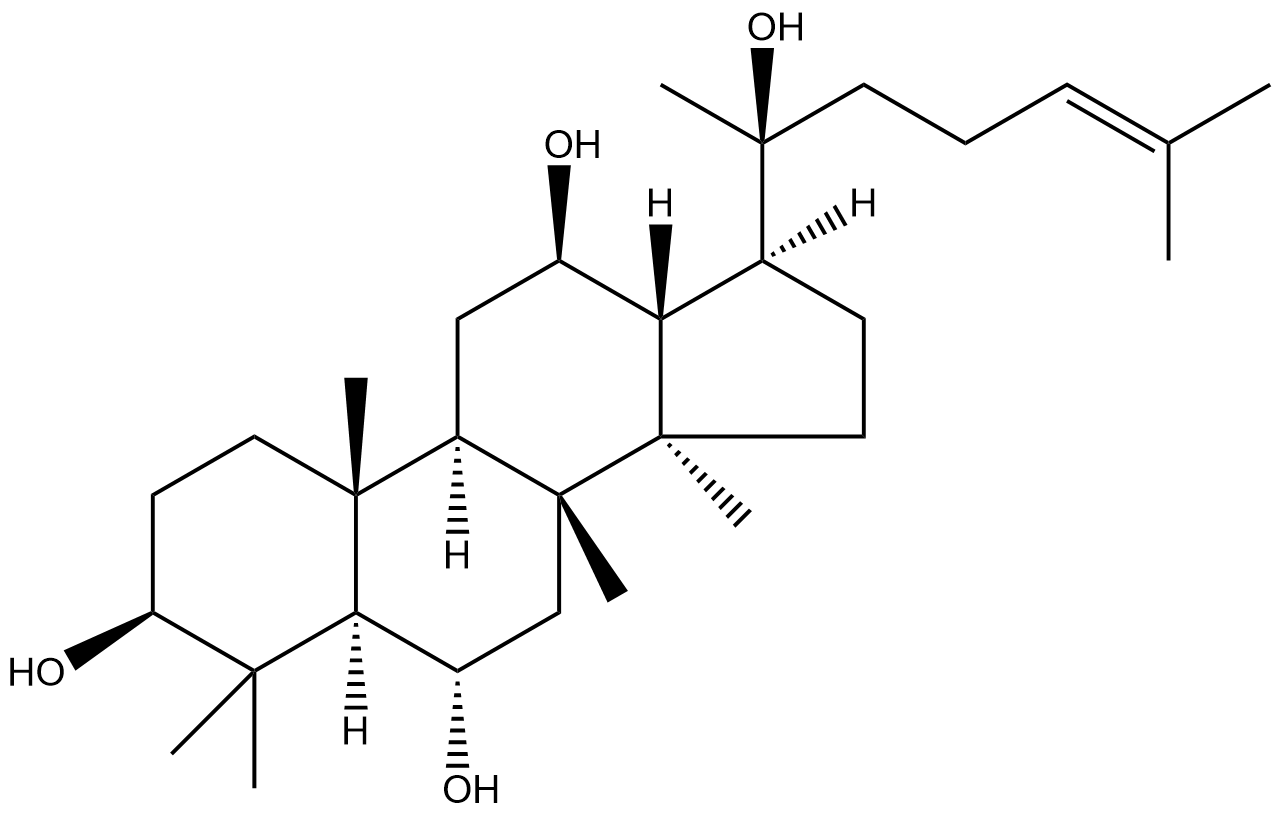 A4762 (20S)-ProtopanaxatriolSummary: A ginsenoside metabolite targeting hormone and nuclear receptors with antitumor activity
 -
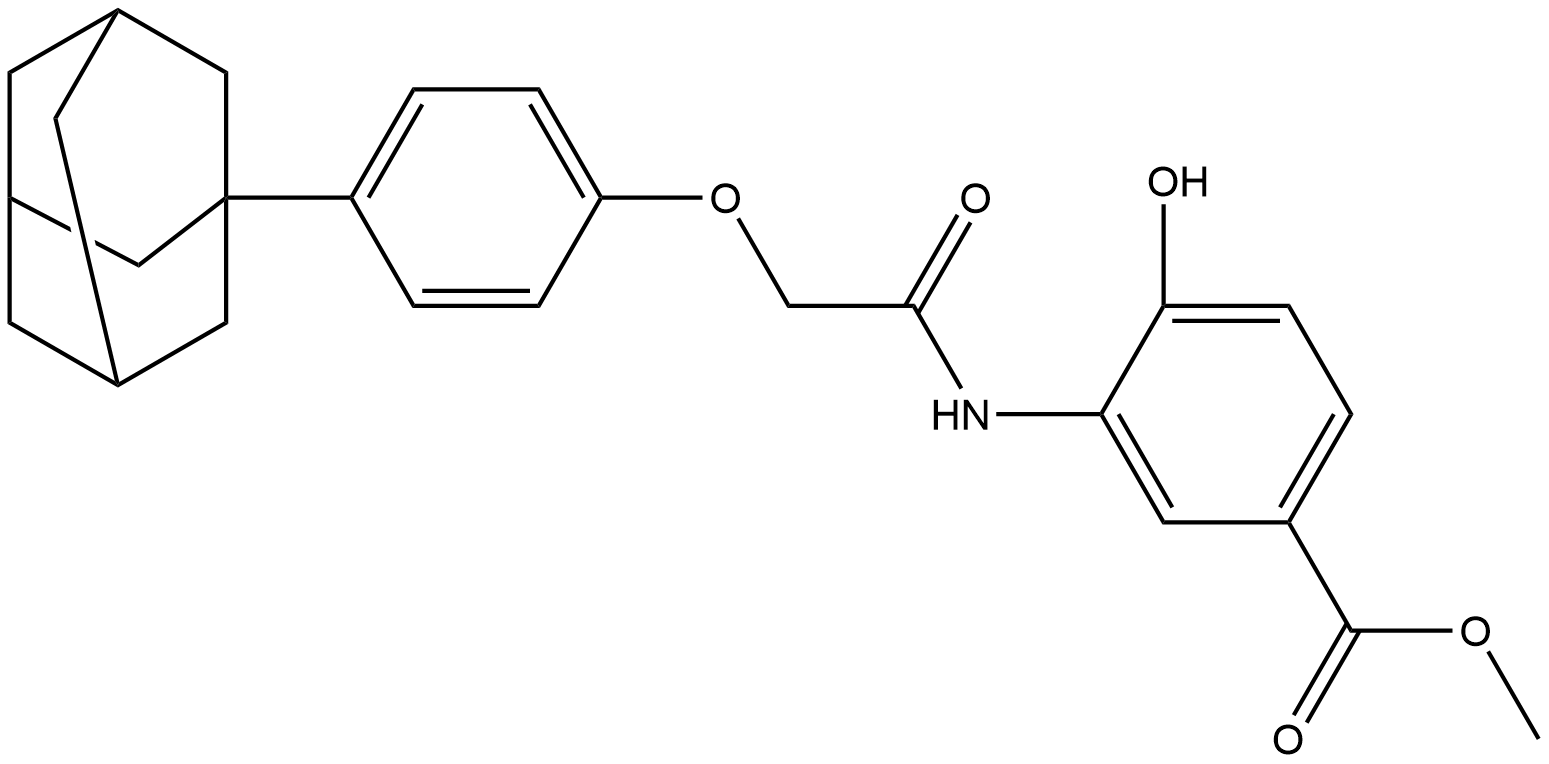 A4765 LW6Summary: An inhibitor that specifically suppresses HIF-1α protein expression and also inhibits MDH2
 -
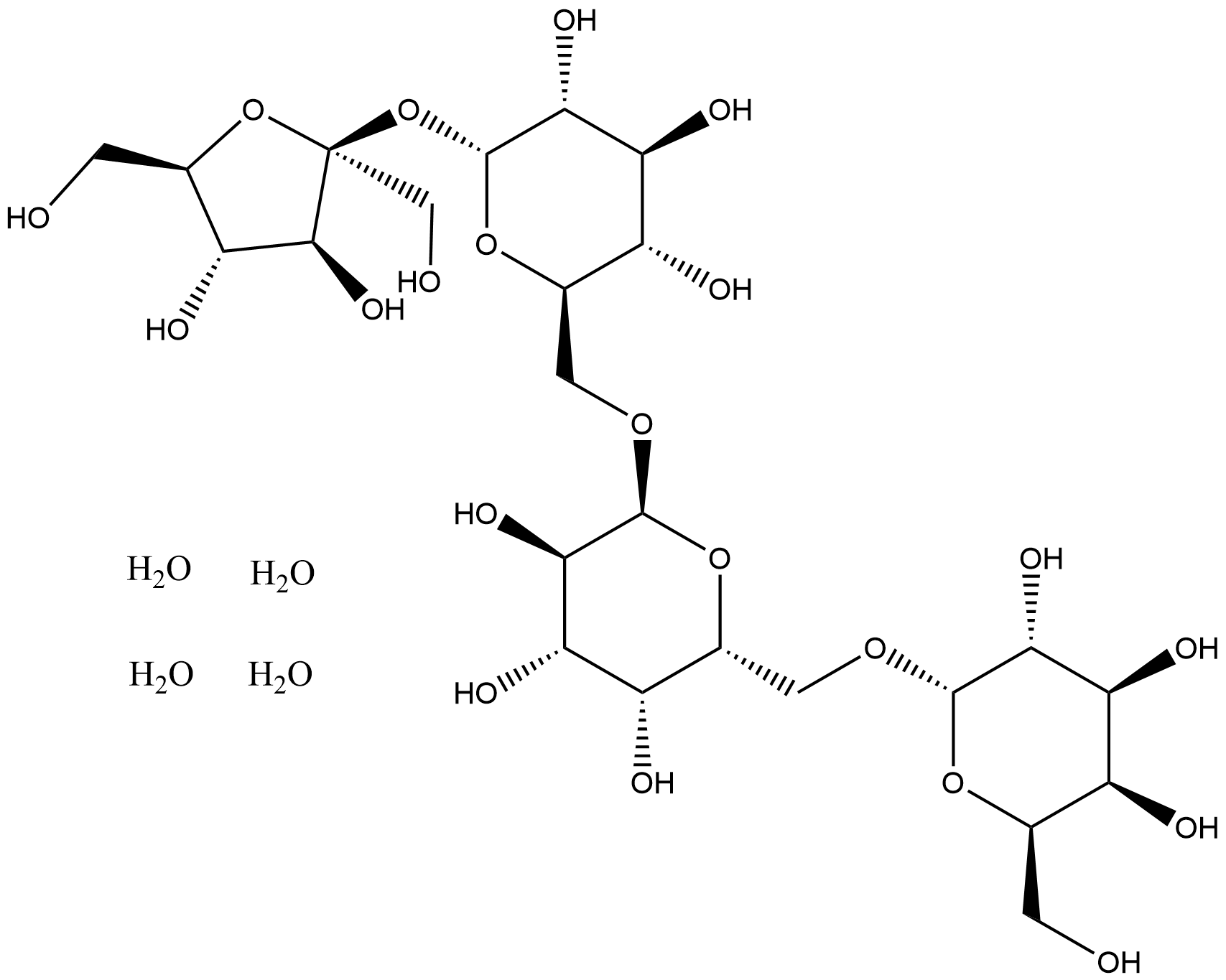 A4766 Stachyose tetrahydrate
 -
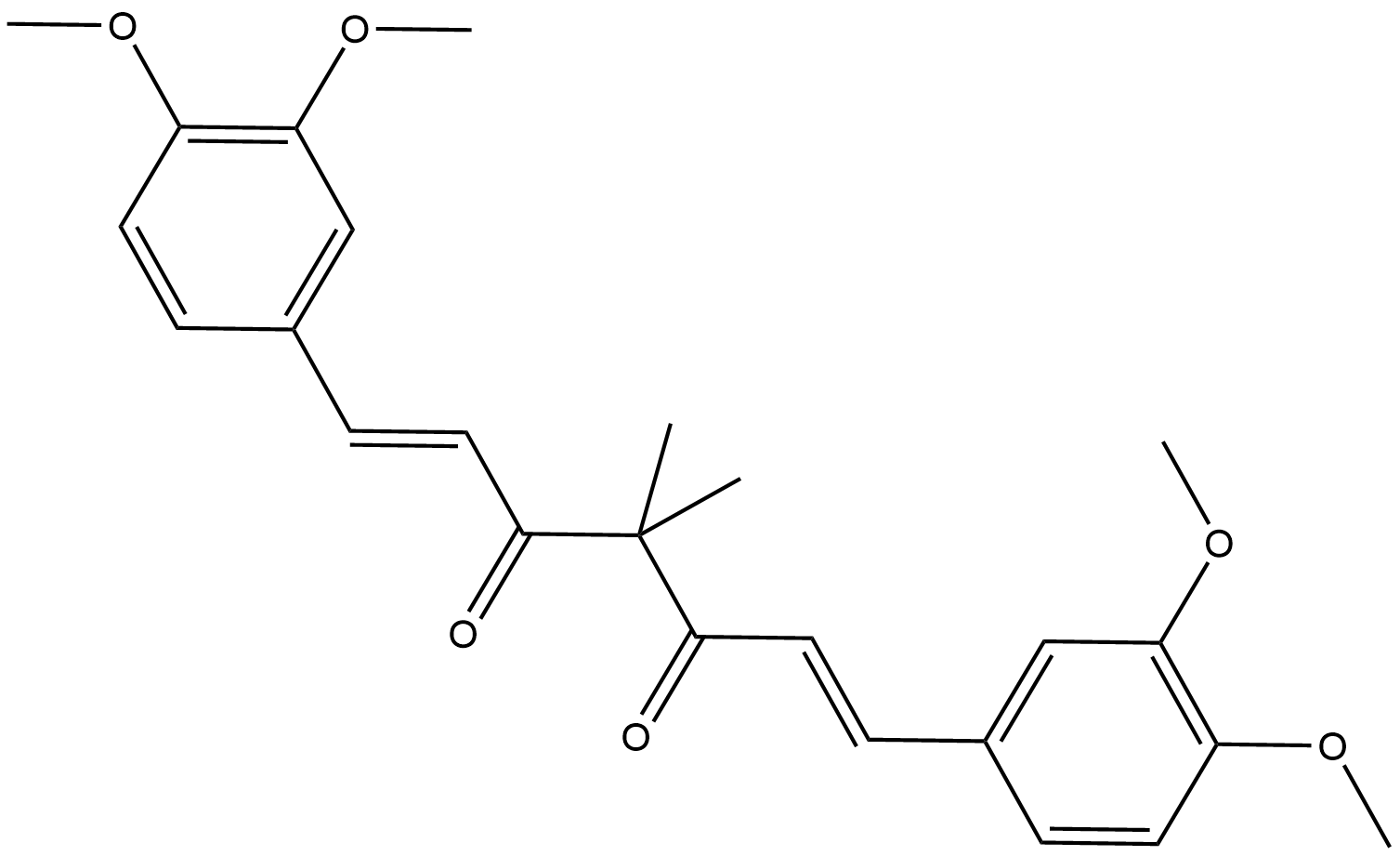 A4768 TetramethylcurcuminSummary: A curcumin derivative that selectively inhibits STAT3 phosphorylation
 -
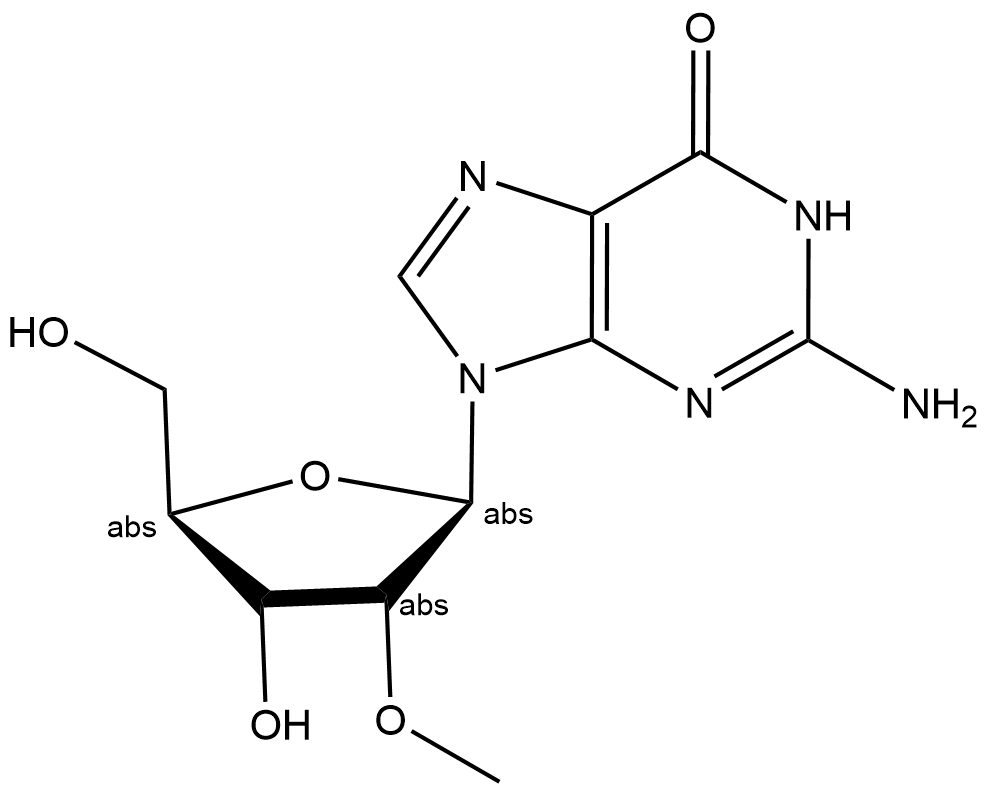 A4769 2'-O-MethylguanosineSummary: A modified nucleoside with apoptosis-promoting activity for cancer
 -
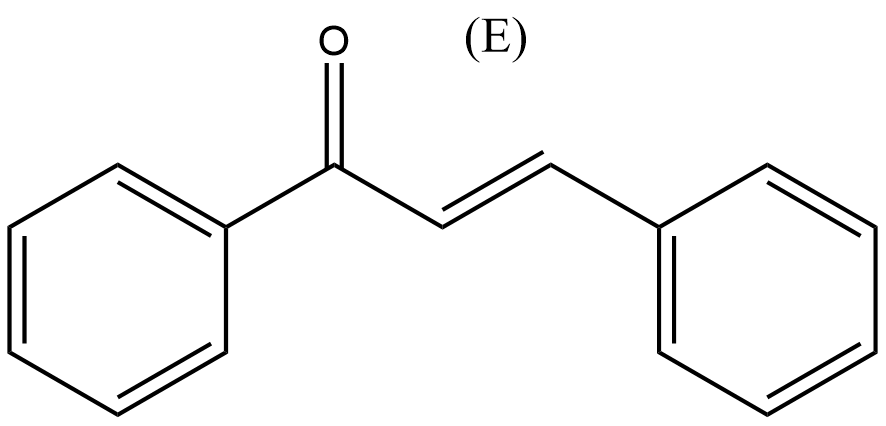 A4773 trans-ChalconeSummary: A flavonoid precursor compound with antitumor, antifungal and enzyme-inhibitory activities
 -
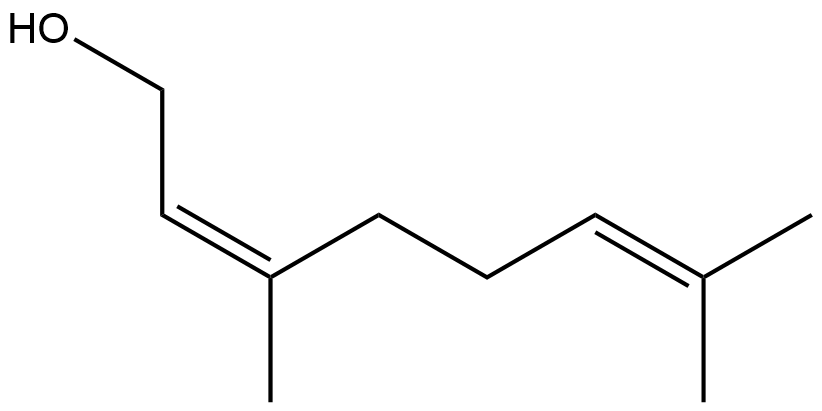 A4774 NerolSummary: A monoterpene that induces mitochondrial apoptosis and exhibits antifungal activity for cancer and fungal infection
 -
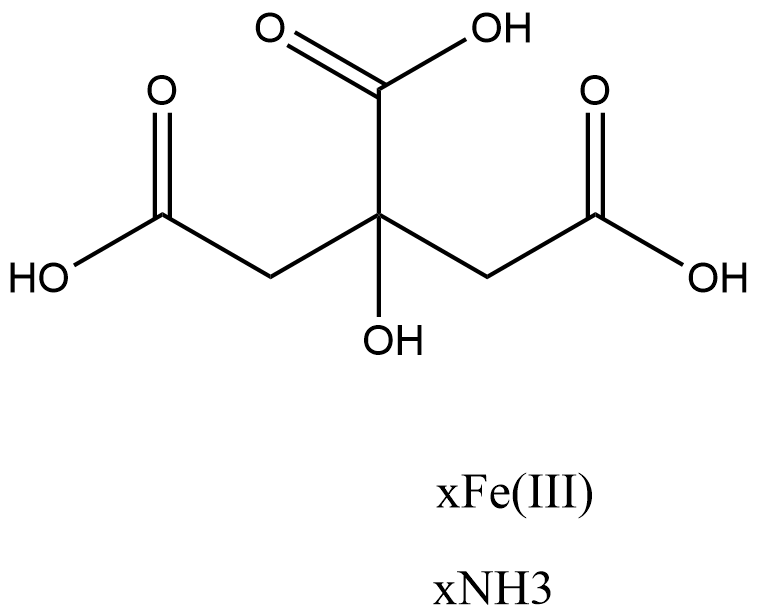 A4782 Ammonium iron(III) citrateSummary: A compound that induces ferroptosis and promotes protein production
 -
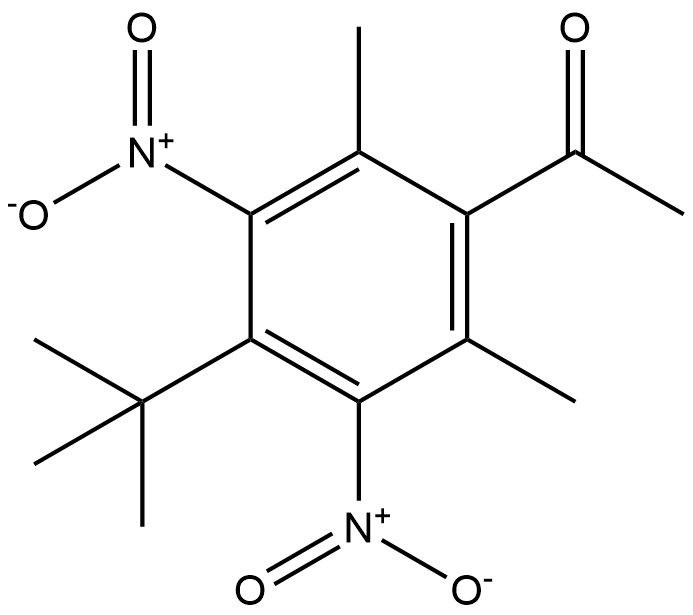 A4785 Musk ketoneSummary: A flavoring agent with neuroprotective effects that promotes stem cell proliferation and differentiation