


Apoptosis
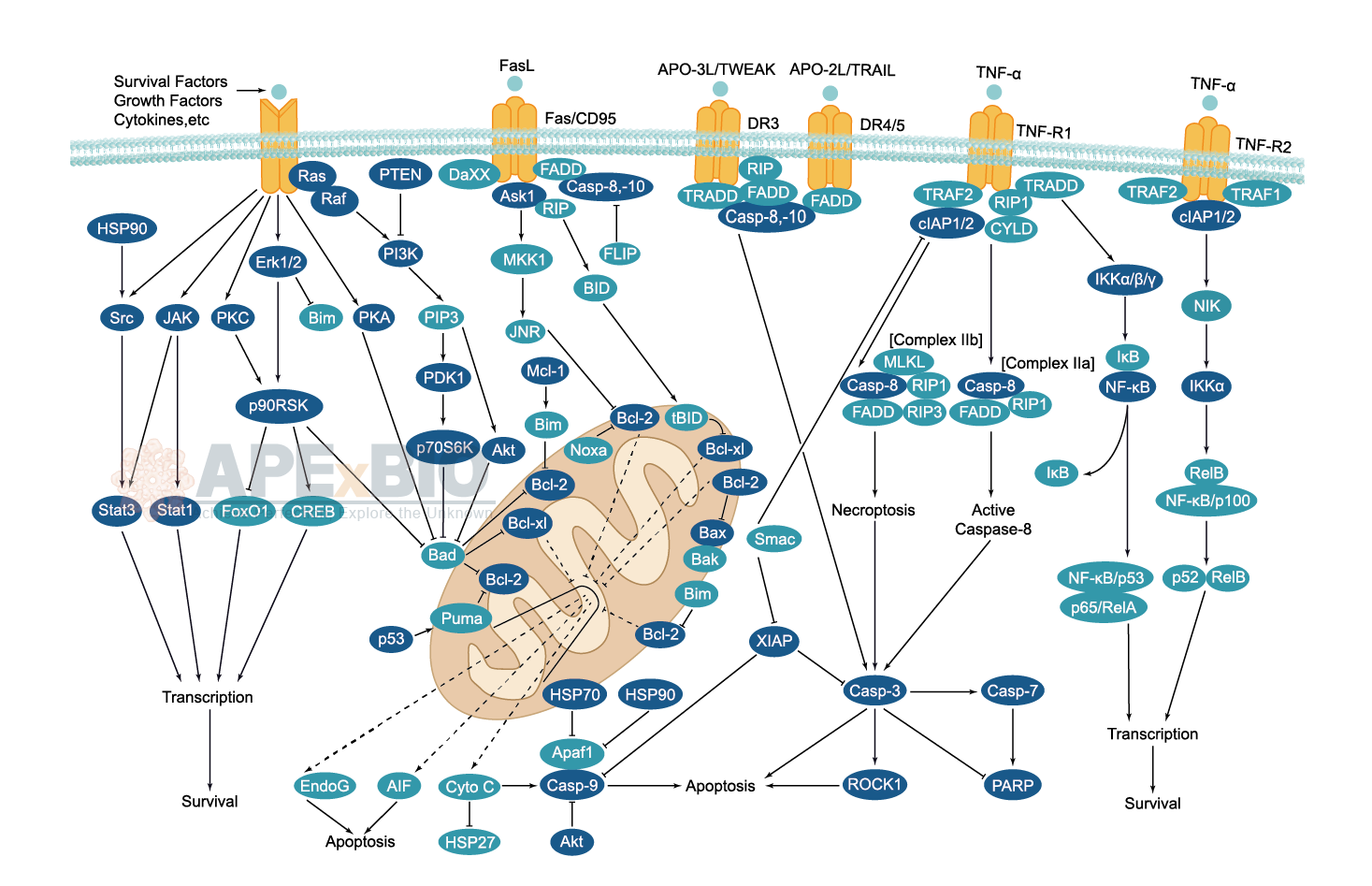
Apoptosis, also known as programmed cell death, is rigorously controlled process of cell death that leads to phagocytosis of unwanted cell. It is triggered after sufficient cellular damage and activated through extrinsic or intrinsic pathways. The intrinsic pathway is mainly occurs via release of cytochrome c from the mitochondria and regulates mitochondrial outer membrane permeabilization by Bcl-2 family proteins. The extrinsic pathway is induced by ligand binding to death receptor, such as Fas, TNFαR, DR3, DR4, and DR5. Caspases then cleave target proteins and nuclear lamins to promote DNA degradation, resulting apoptotic cells undergo phagocytosis. In addition, p53 has the ability to activate intrinsic and extrinsic pathways of apoptosis by inducing transcription of several proteins like Puma, Bid, Bax, TRAIL-R2, and CD95.
Some Inhibitors of apoptosis proteins (IAPs), such as XIAP/BIRC4 and Bruce/BIRC6, can block casapse activity through direct binding, while other IAPs, such as cIAP1/BIRC2, cIAP2/BIRC3, act as ubiquitin ligases that target caspases for ubiquitin-mediated degradation. Apoptosis is essential for growth, development and aging in multicellular organisms. Any alterations or abnormalities occurring in apoptotic processes contribute to development of human diseases, including cancer.
-
 BA1071 OlsalazineSummary: Olsalazine is a potent inhibitor of macrophage chemotaxis.
 -
BA1076 BavachalconeSummary: Bavachalcone is a compound isolated from Bavachin.
-
BA1085 LinvencorvirSummary: Linvencorvir has antiviral activity.
-
BA1089 NarasinSummary: Narasin is a cationic ion carrier and anticoccidial agent.
-
BA1090 Dox-btn2Summary: Dox-btn2 is a biotinylated derivative with biotin labeling at the point of coupling of 3'-NH to adriamycin.
-
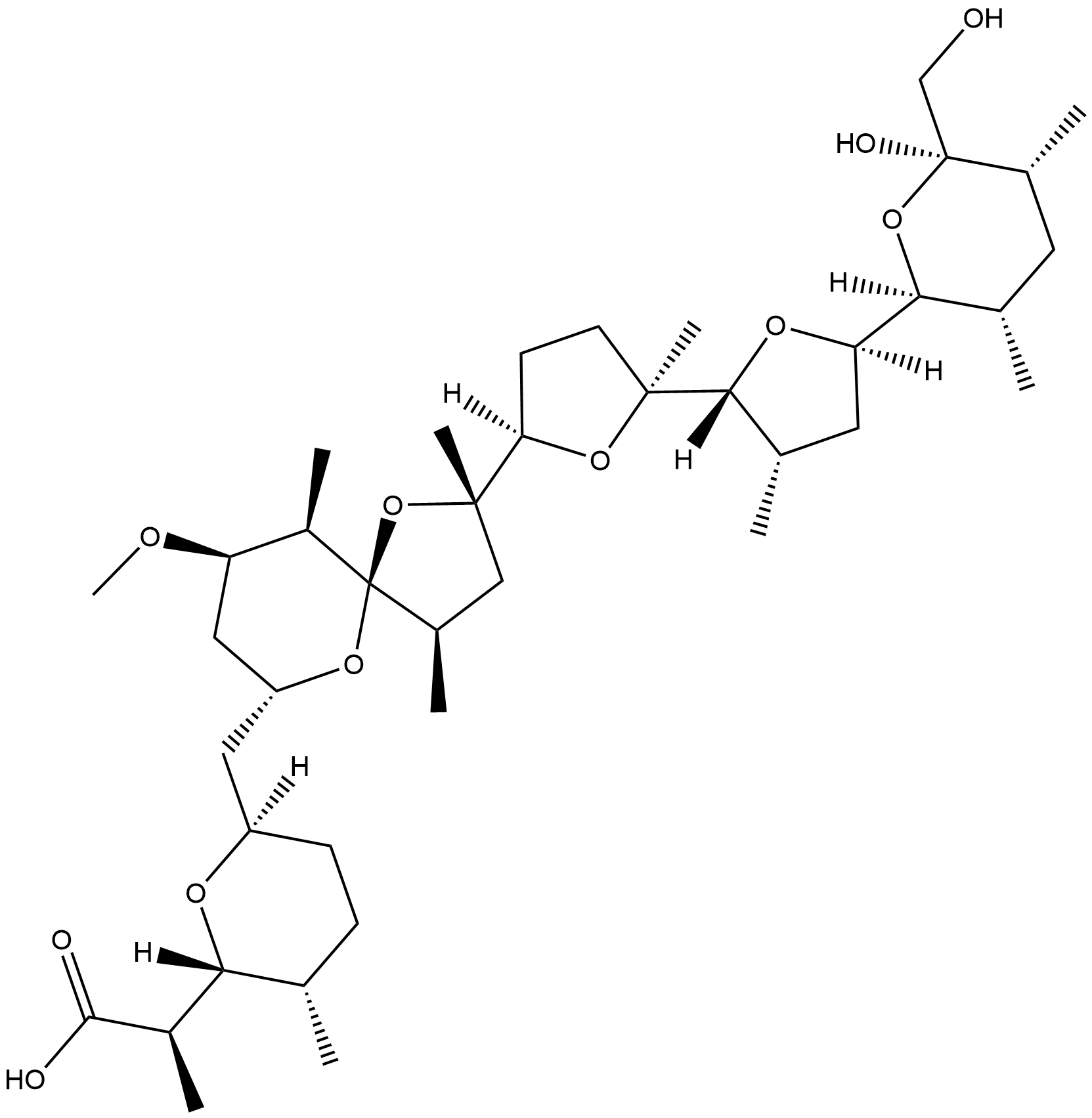 BA1112 Nigericin2 CitationSummary: An antibiotic derived from Streptomyces hygroscopicus that acts as a K+/H+ ionophore and NLRP3 activator for inflammasome and cancer
 -
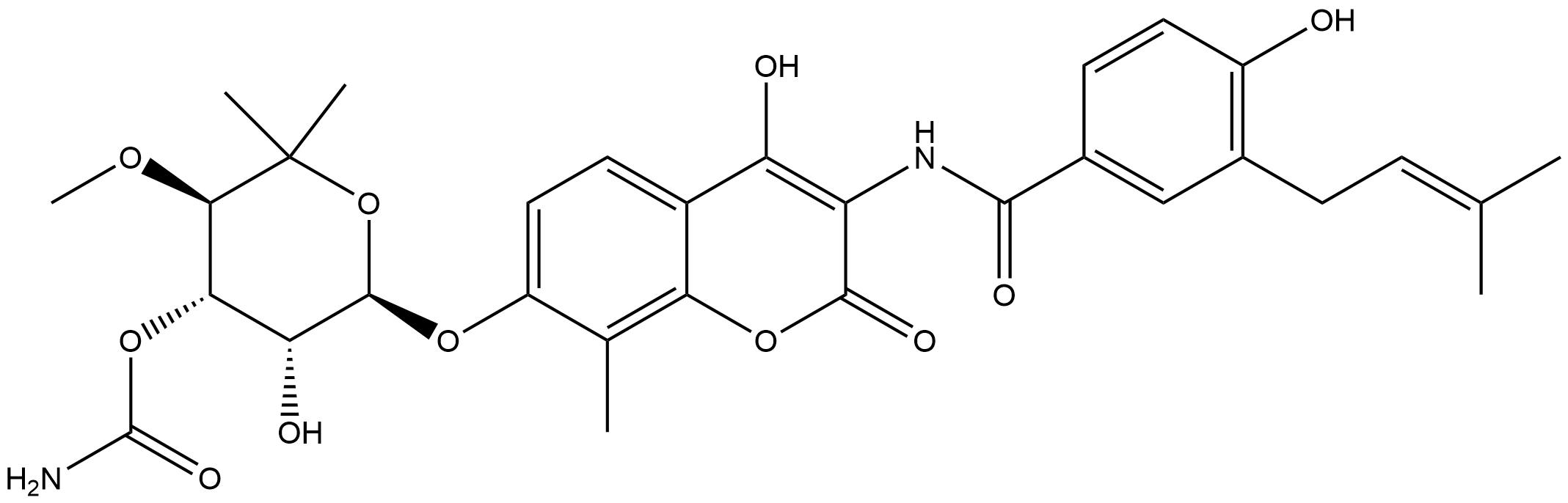 BA1116 NovobiocinSummary: An effective orally active antibiotic. Its targets include bacterial DNA gyrase (subunit B, inhibiting ATPase activity) and Hsp90. It can also inhibit bacterial DNA replication, cell membrane synthesis, and vacuole formation.
 -
BA1141 TylvalosinSummary: Tylvalosin (Acetylisovaleryltylosin) is an orally active, broad-spectrum macrolide antibiotic (>) that displays antibacterial activity.
-
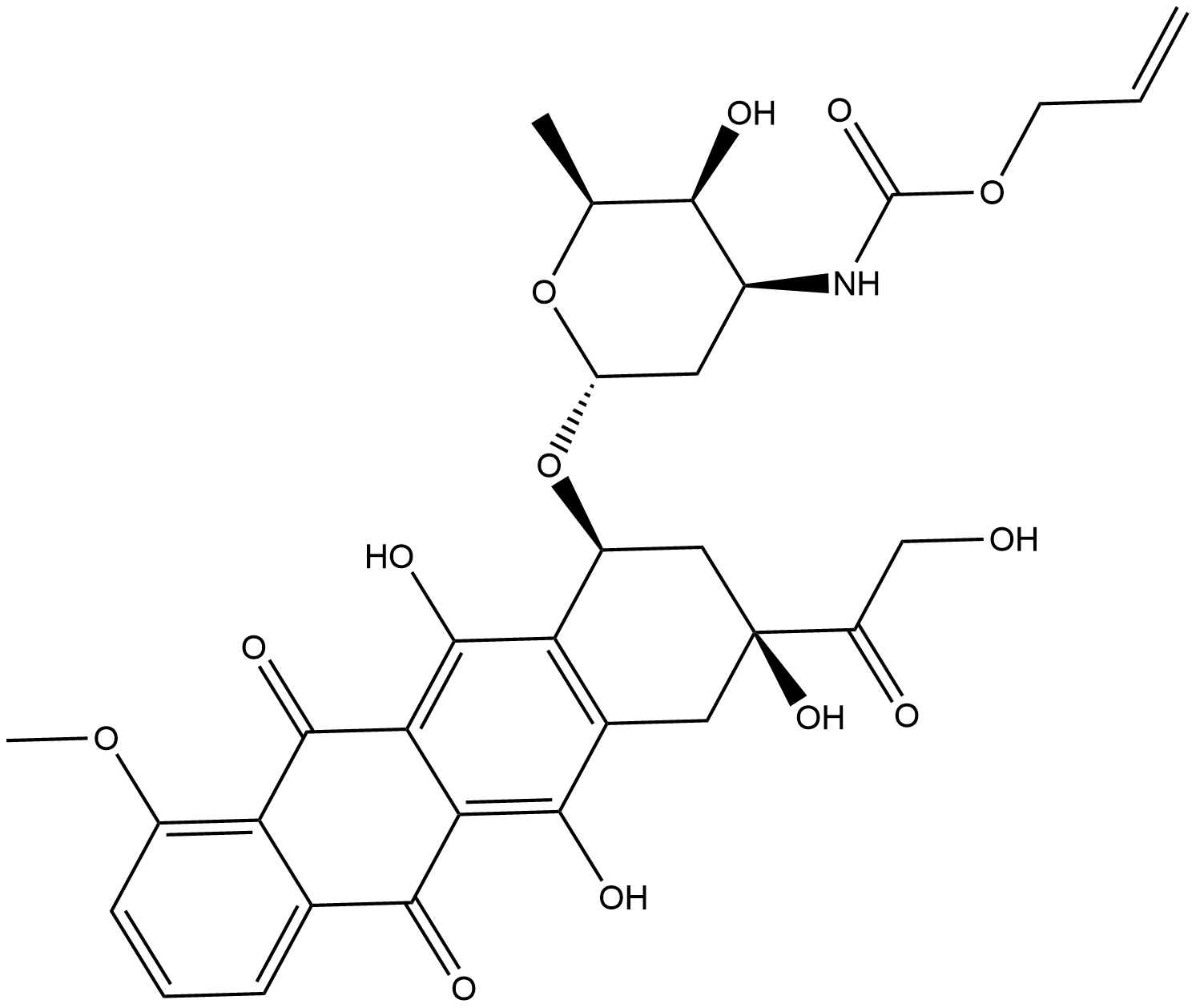 BA1172 Alloc-DOXSummary: Alloc-DOX (N-Allocdoxorubicin) is a prodrug.
 -
BA1184 TerreinSummary: Terrein is a melanogenesis inhibitor.