


Apoptosis
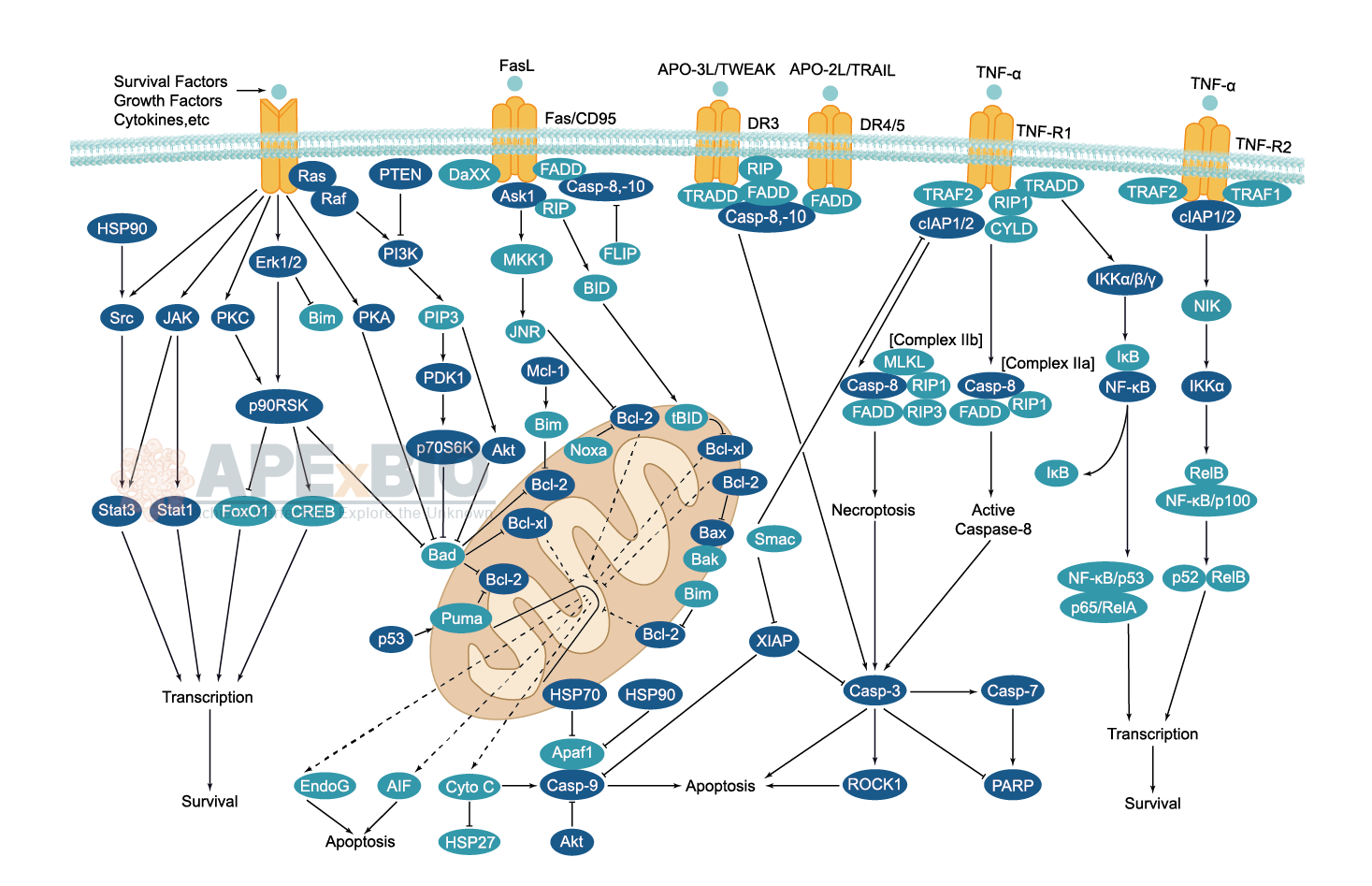
Apoptosis, also known as programmed cell death, is rigorously controlled process of cell death that leads to phagocytosis of unwanted cell. It is triggered after sufficient cellular damage and activated through extrinsic or intrinsic pathways. The intrinsic pathway is mainly occurs via release of cytochrome c from the mitochondria and regulates mitochondrial outer membrane permeabilization by Bcl-2 family proteins. The extrinsic pathway is induced by ligand binding to death receptor, such as Fas, TNFαR, DR3, DR4, and DR5. Caspases then cleave target proteins and nuclear lamins to promote DNA degradation, resulting apoptotic cells undergo phagocytosis. In addition, p53 has the ability to activate intrinsic and extrinsic pathways of apoptosis by inducing transcription of several proteins like Puma, Bid, Bax, TRAIL-R2, and CD95.
Some Inhibitors of apoptosis proteins (IAPs), such as XIAP/BIRC4 and Bruce/BIRC6, can block casapse activity through direct binding, while other IAPs, such as cIAP1/BIRC2, cIAP2/BIRC3, act as ubiquitin ligases that target caspases for ubiquitin-mediated degradation. Apoptosis is essential for growth, development and aging in multicellular organisms. Any alterations or abnormalities occurring in apoptotic processes contribute to development of human diseases, including cancer.
-
 A4633 β-Elemonic acidSummary: A triterpene compound for apoptosis, inflammation and anticancer mechanisms
-
 A4637 CystamineSummary: A disulfide derivative with inhibitory activity against transglutaminase and caspase-3
-
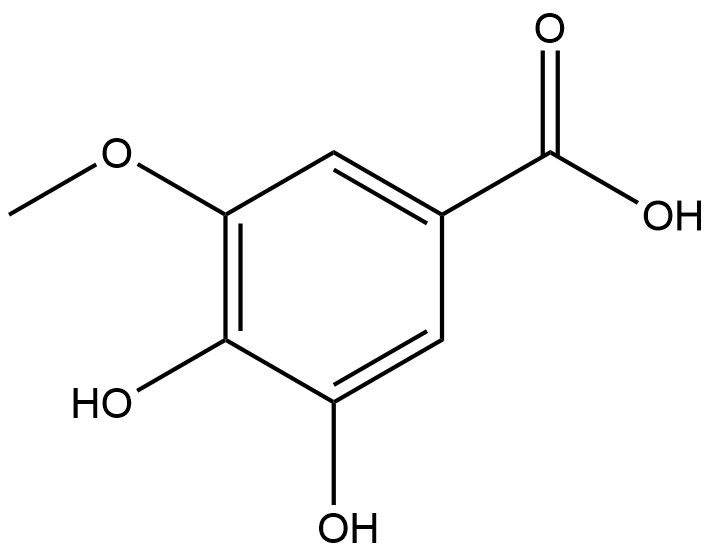 A4640 3-O-Methylgallic acidSummary: An anthocyanin metabolite with antioxidant, antitumor and pro-apoptotic activities
-
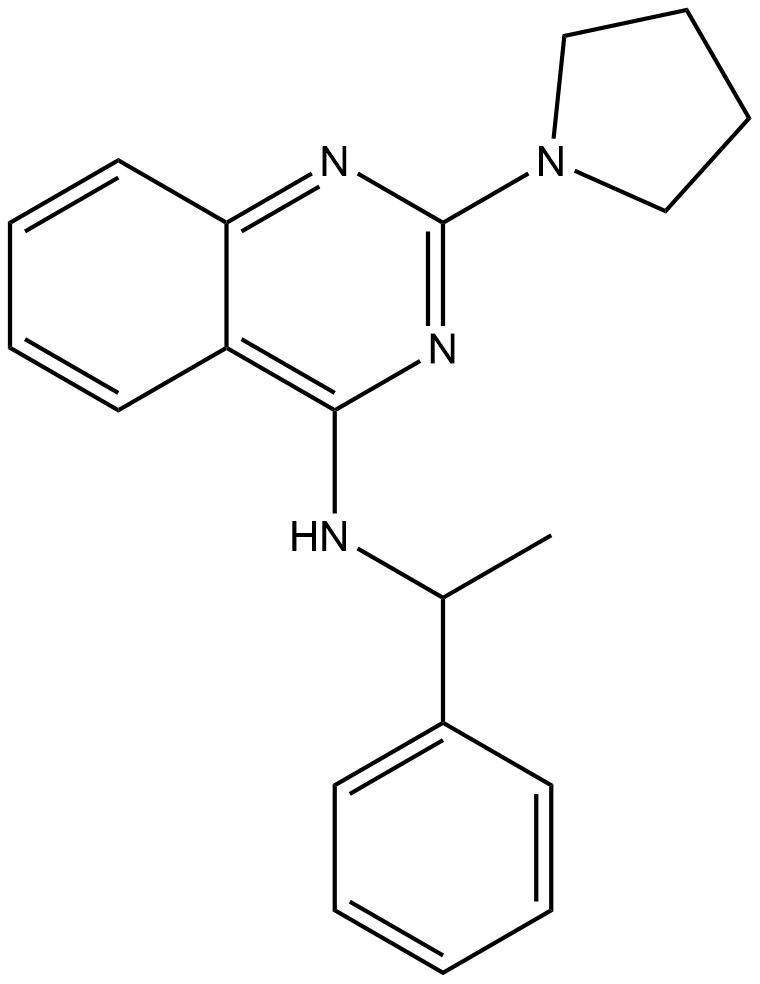 A4643 ImportazoleSummary: A small-molecule inhibitor that specifically blocks importin-β-mediated nuclear transport
-
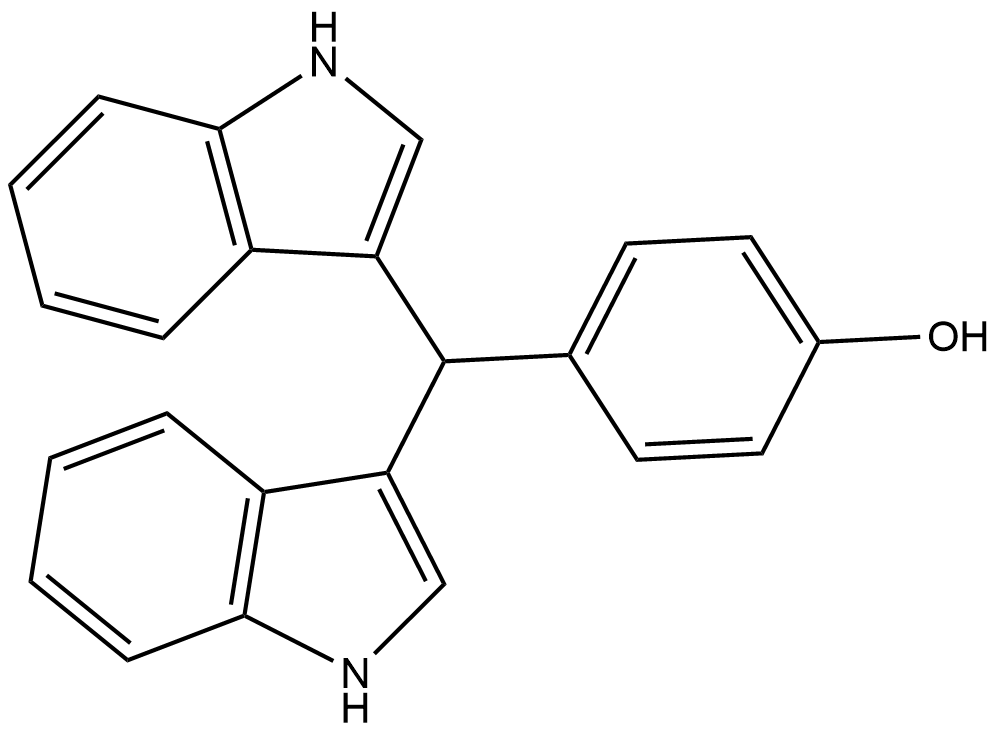 A4644 DIM-C-pPhOHSummary: A nuclear receptor 4A1 antagonist that inhibits tumor proliferation and induces apoptosis and stress
-
 A4645 LCS-1Summary: A selective SOD1 inhibitor that induces oxidative stress-mediated apoptosis
-
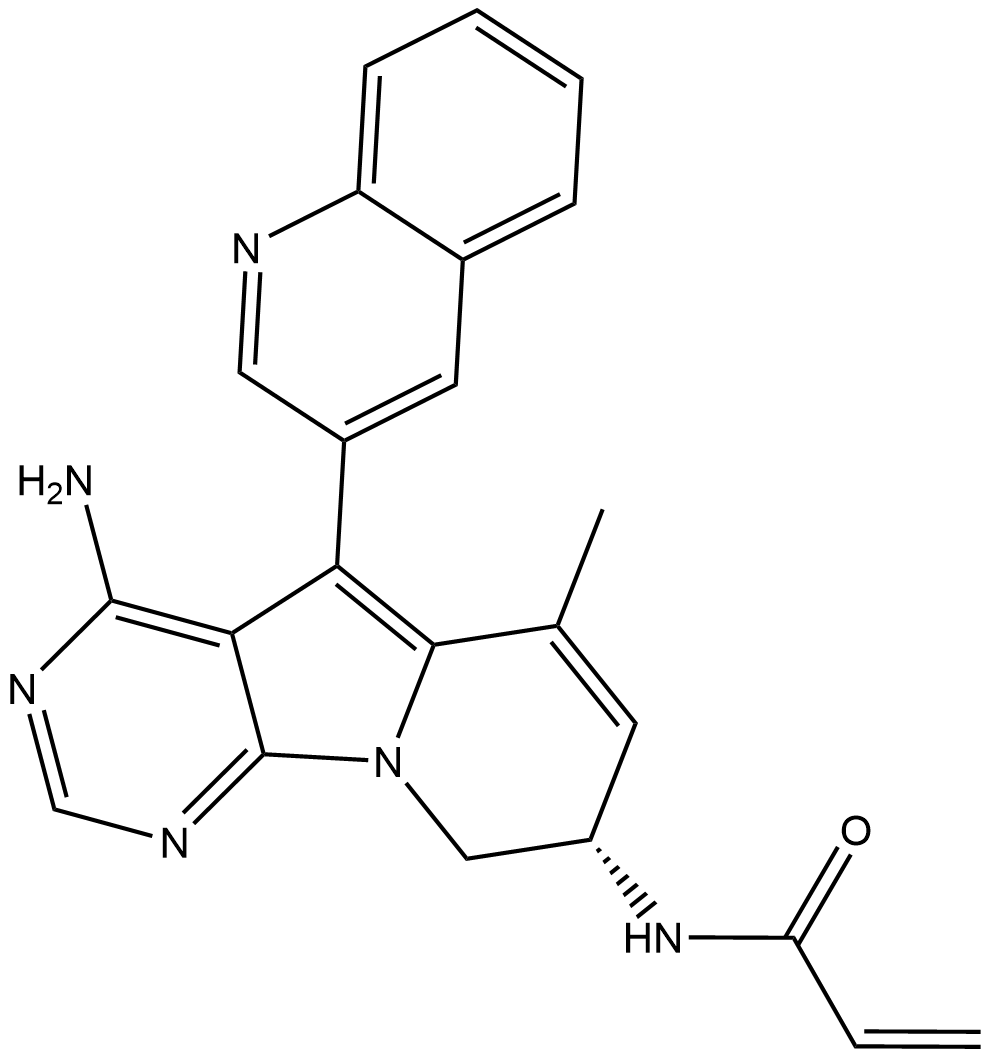 A4683 ZipalertinibSummary: An oral kinase inhibitor that selectively targets the ATP-binding site in the EGFR hinge region
-
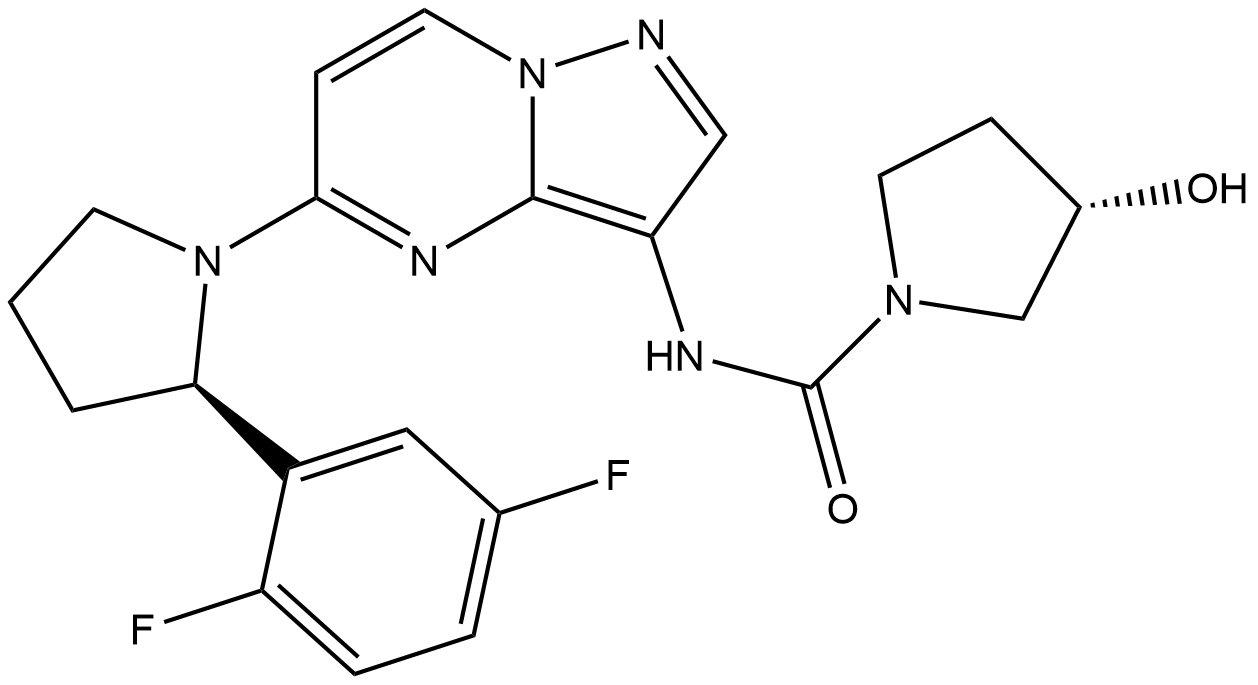 A4684 LarotrectinibSummary: An orally administered selective TRK-inhibiting antitumor agent
-
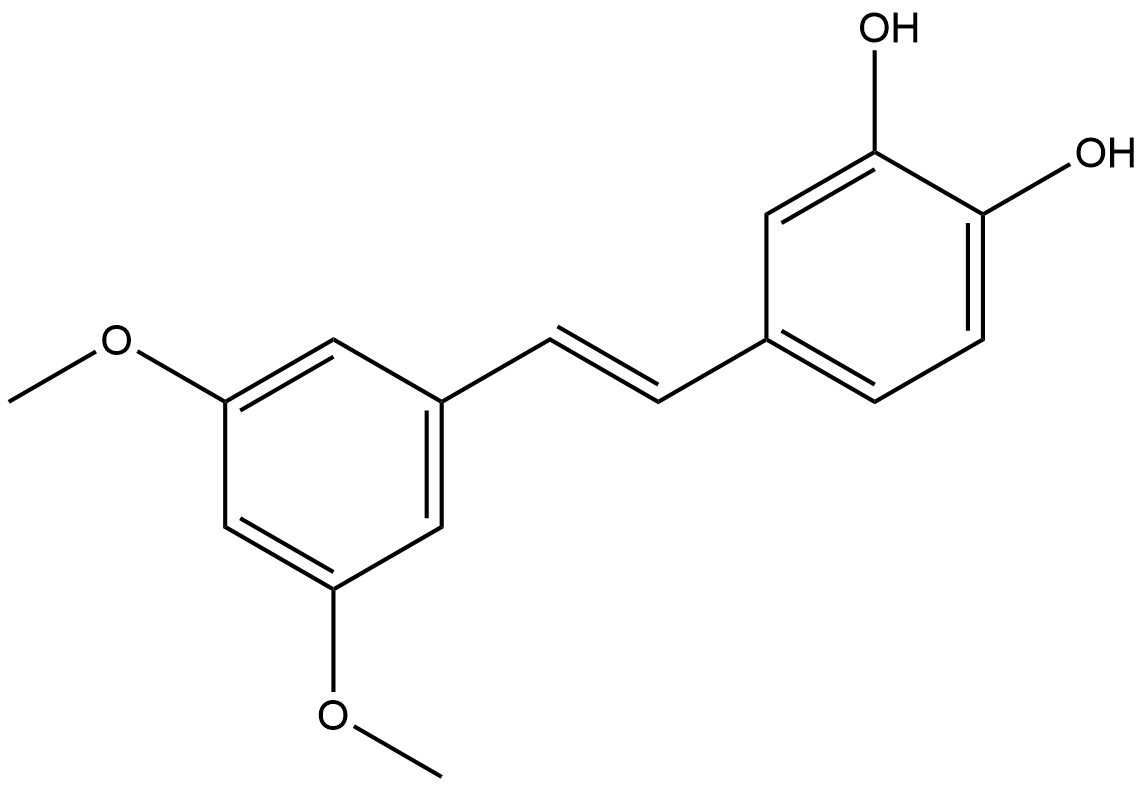 A4685 3'-HydroxypterostilbeneSummary: A hydroxylated pterostilbene derivative that inhibits PI3K/Akt and MAPK signaling and induces apoptosis and autophagy for colon cancer
-
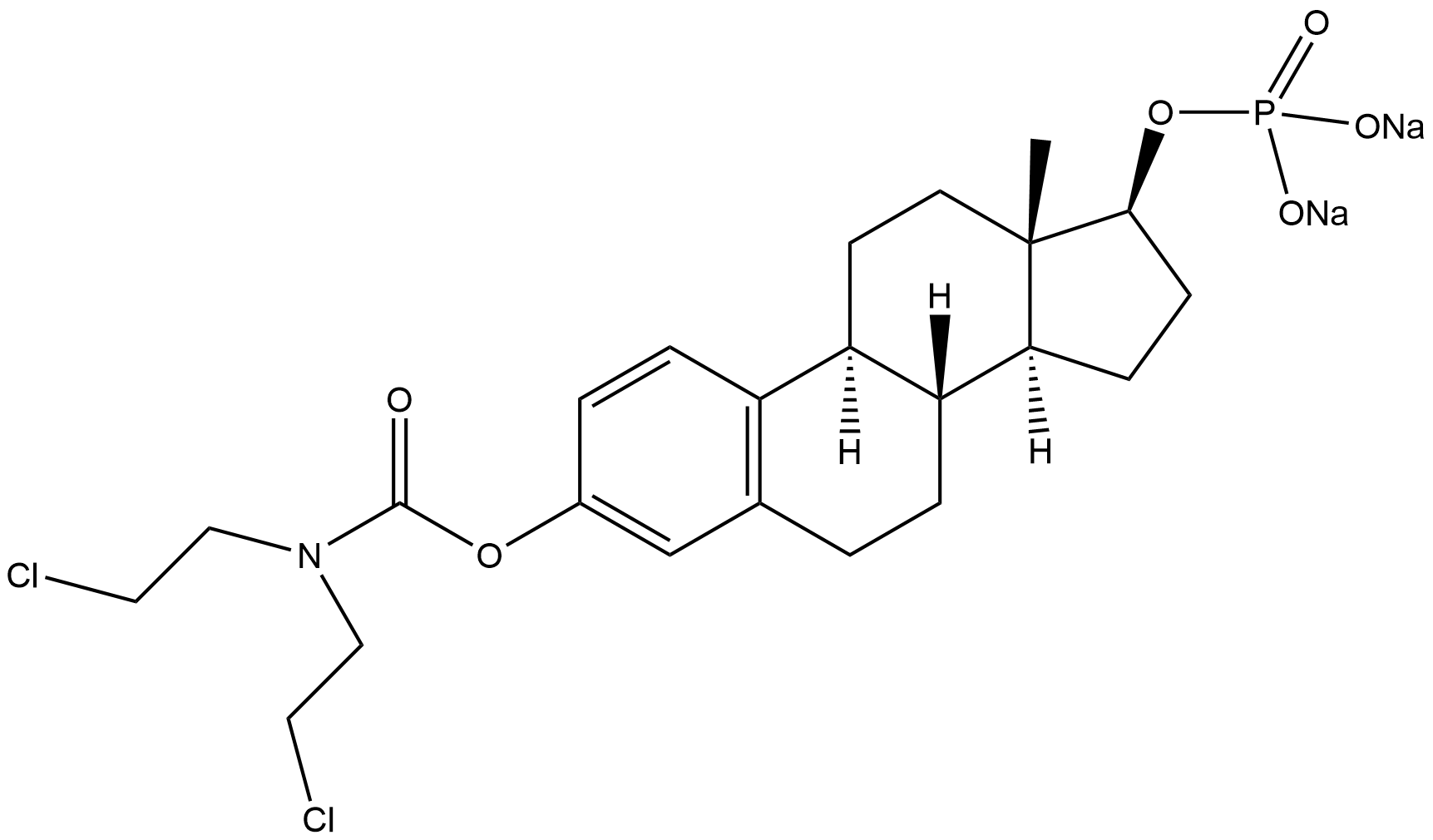 A4686 Estramustine phosphate sodiumSummary: An antimicrotubule chemotherapeutic agent that disrupts microtubule polymerization and induces apoptosis