


Apoptosis
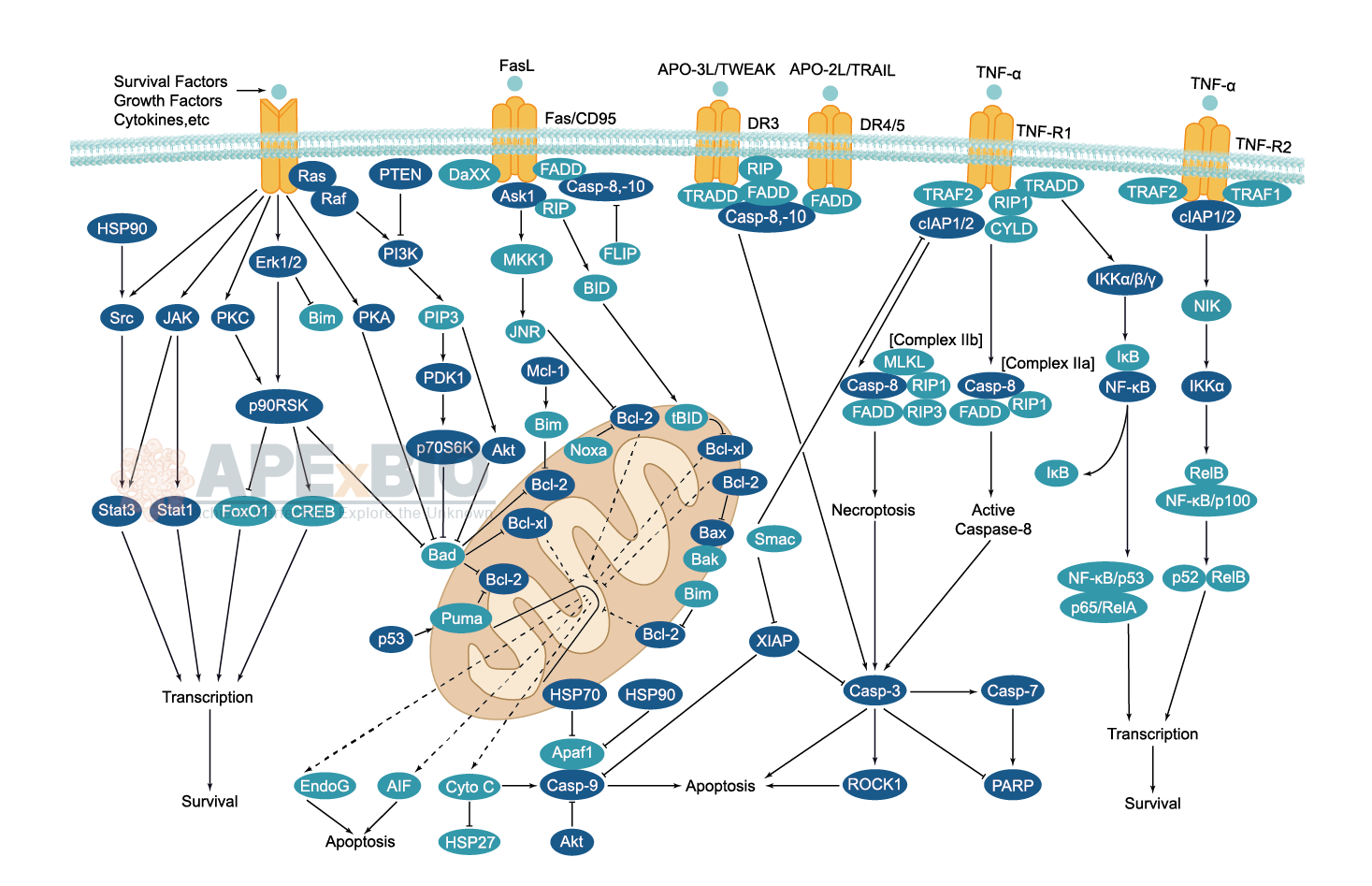
Apoptosis, also known as programmed cell death, is rigorously controlled process of cell death that leads to phagocytosis of unwanted cell. It is triggered after sufficient cellular damage and activated through extrinsic or intrinsic pathways. The intrinsic pathway is mainly occurs via release of cytochrome c from the mitochondria and regulates mitochondrial outer membrane permeabilization by Bcl-2 family proteins. The extrinsic pathway is induced by ligand binding to death receptor, such as Fas, TNFαR, DR3, DR4, and DR5. Caspases then cleave target proteins and nuclear lamins to promote DNA degradation, resulting apoptotic cells undergo phagocytosis. In addition, p53 has the ability to activate intrinsic and extrinsic pathways of apoptosis by inducing transcription of several proteins like Puma, Bid, Bax, TRAIL-R2, and CD95.
Some Inhibitors of apoptosis proteins (IAPs), such as XIAP/BIRC4 and Bruce/BIRC6, can block casapse activity through direct binding, while other IAPs, such as cIAP1/BIRC2, cIAP2/BIRC3, act as ubiquitin ligases that target caspases for ubiquitin-mediated degradation. Apoptosis is essential for growth, development and aging in multicellular organisms. Any alterations or abnormalities occurring in apoptotic processes contribute to development of human diseases, including cancer.
-
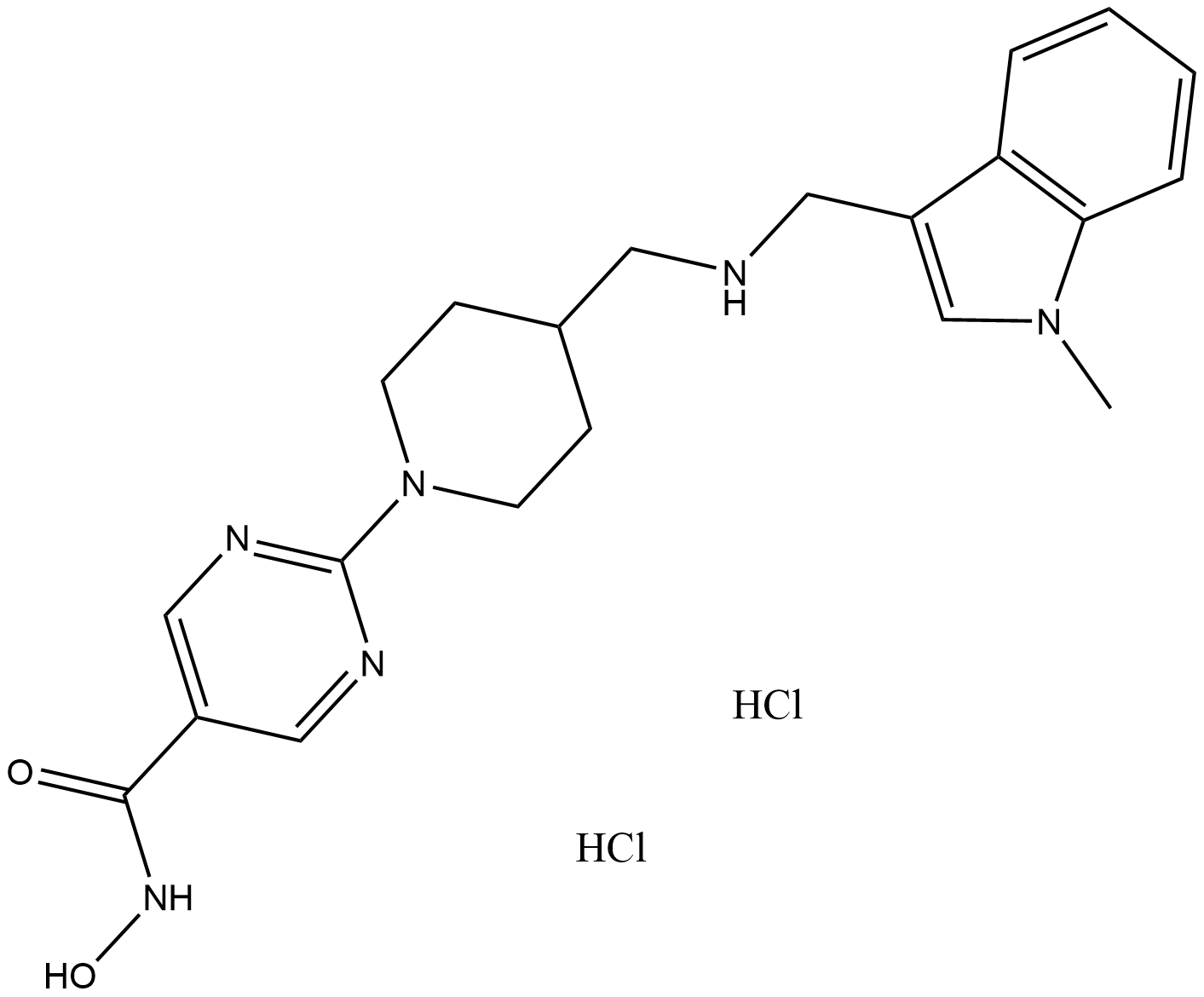 A4610 Quisinostat dihydrochlorideSummary: A pan-HDAC inhibitor with oral activity that induces apoptosis and cell cycle arrest
-
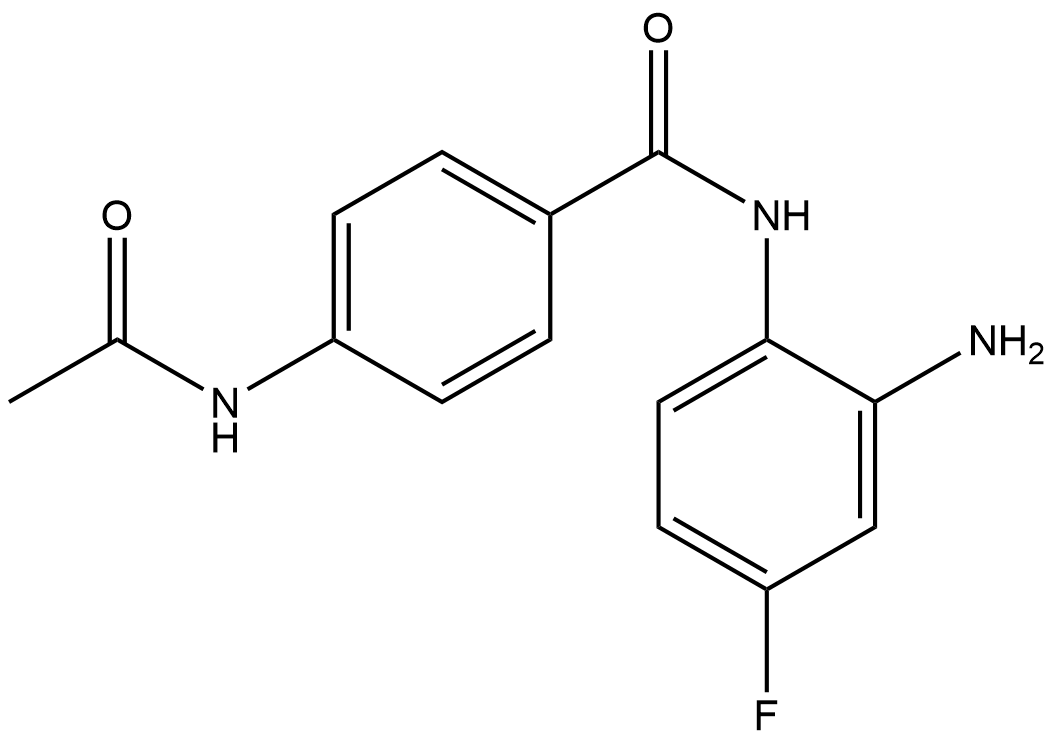 A4611 BRD3308Summary: A selective histone deacetylase 3 (HDAC3) inhibitor that protects pancreatic β cells and activates HIV-1 transcription for diabetes and HIV-1 latency
-
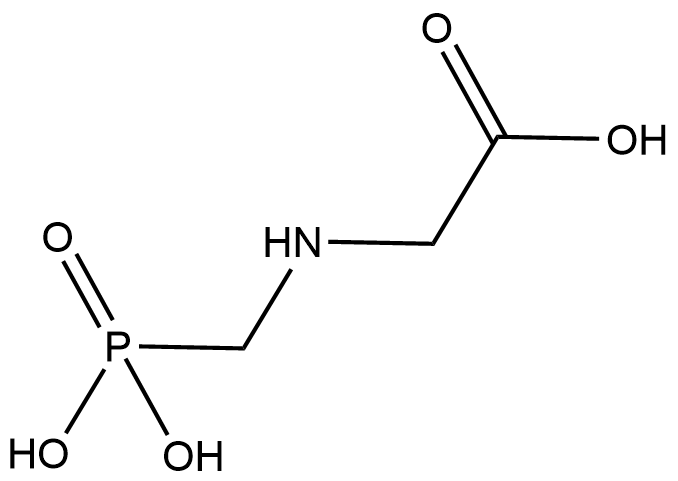 A4623 GlyphosateSummary: A nonselective broad-spectrum herbicide that inhibits EPSPS enzyme activity
-
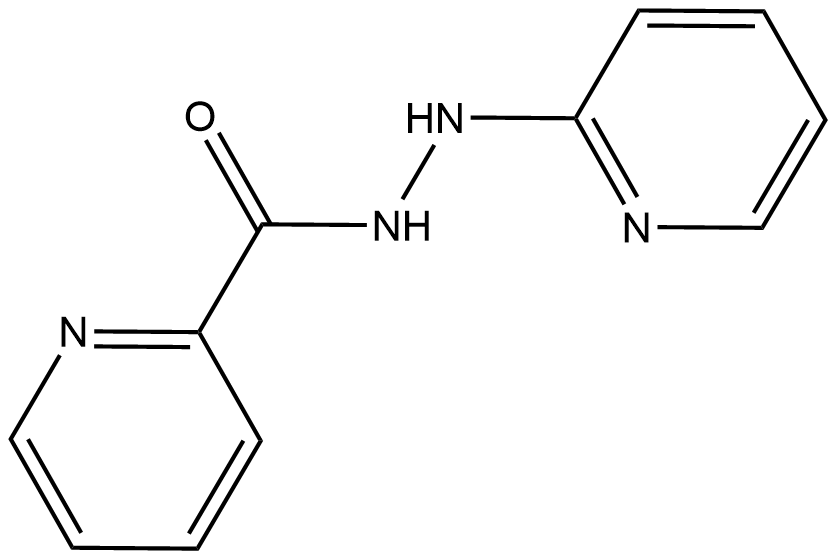 A4624 PFI-90Summary: A KDM inhibitor that selectively inhibits KDM3B and disrupts PAX3-FOXO1 function for alveolar rhabdomyosarcoma
-
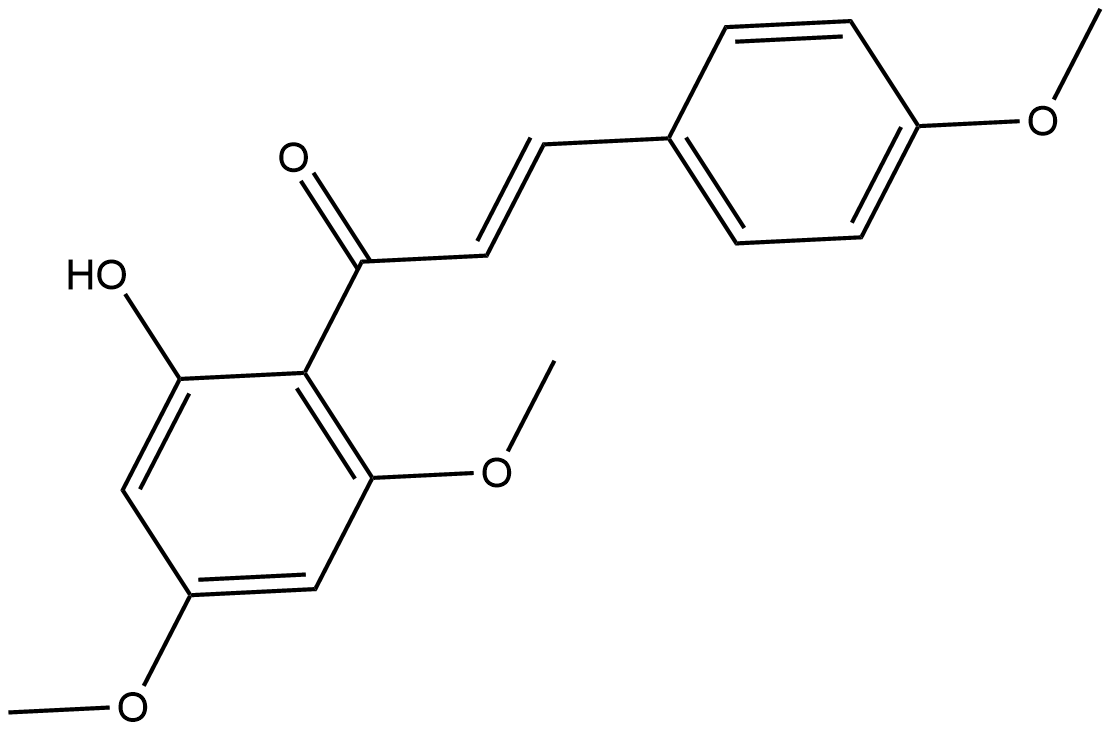 A4625 Flavokawain ASummary: A chalcone compound that induces cancer cell apoptosis and acts on Bax protein
-
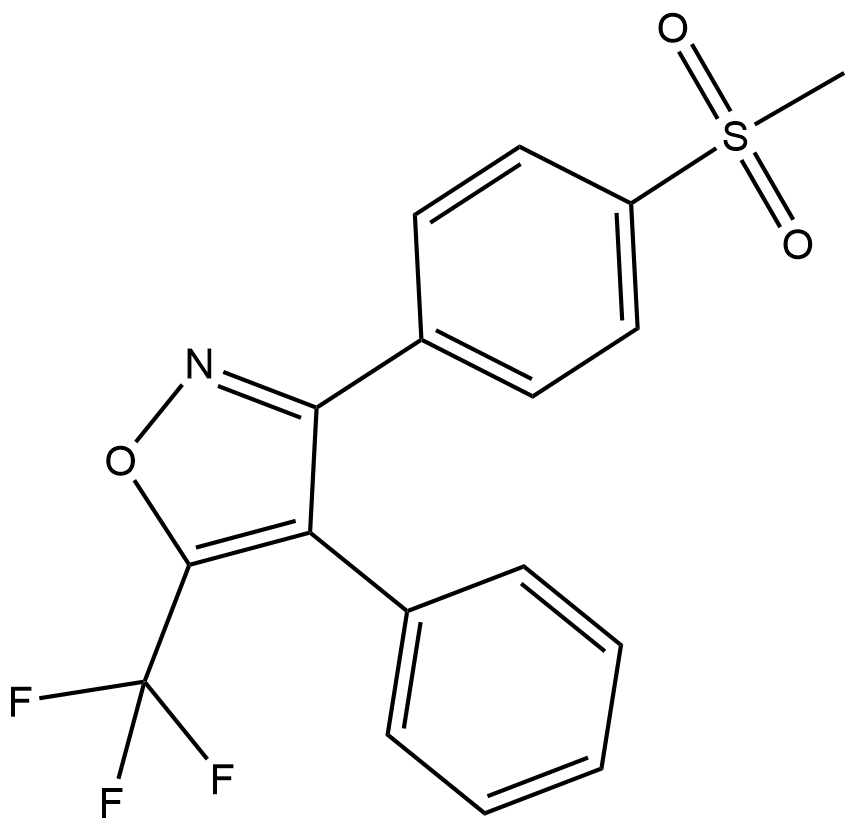 A4626 CAY10404Summary: A highly selective COX-2 inhibitor that induces apoptosis and inhibits inflammation
-
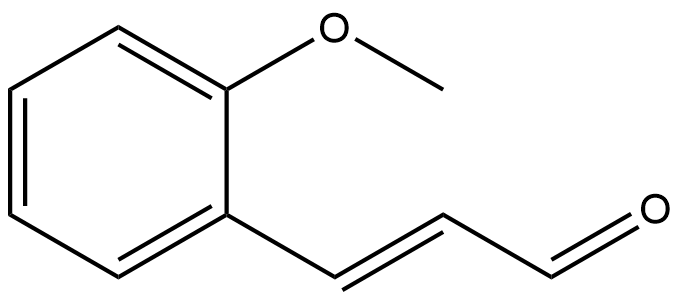 A4627 2-MethoxycinnamaldehydeSummary: A cinnamaldehyde derivative that induces mitochondrial apoptosis and inhibits PDGF-induced cell migration for cancer and fibrosis
-
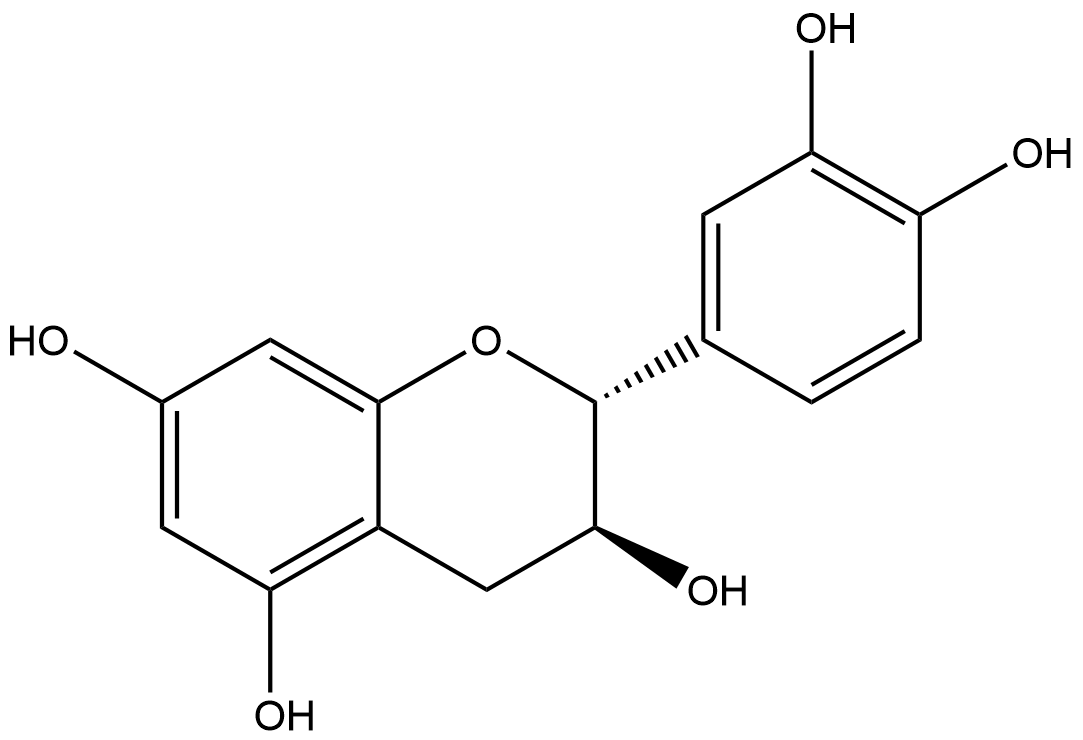 A4629 CatechinSummary: A flavonoid compound with antioxidant activity that inhibits cyclooxygenase-1
-
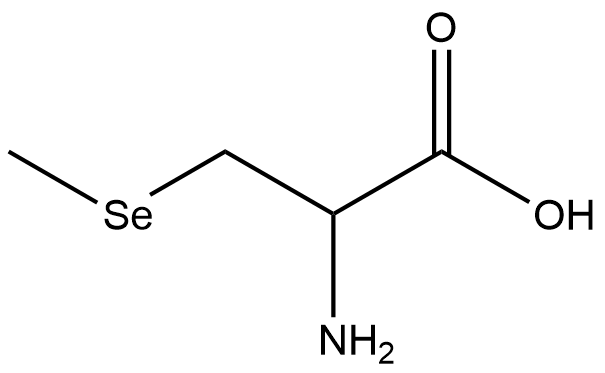 A4631 Se-MethylselenocysteineSummary: A cancer chemopreventive agent with antioxidant activity that induces apoptosis
-
 A4632 TetrahydropalmatineSummary: A selective antagonist that inhibits dopamine release in the amygdala for epilepsy