


Apoptosis
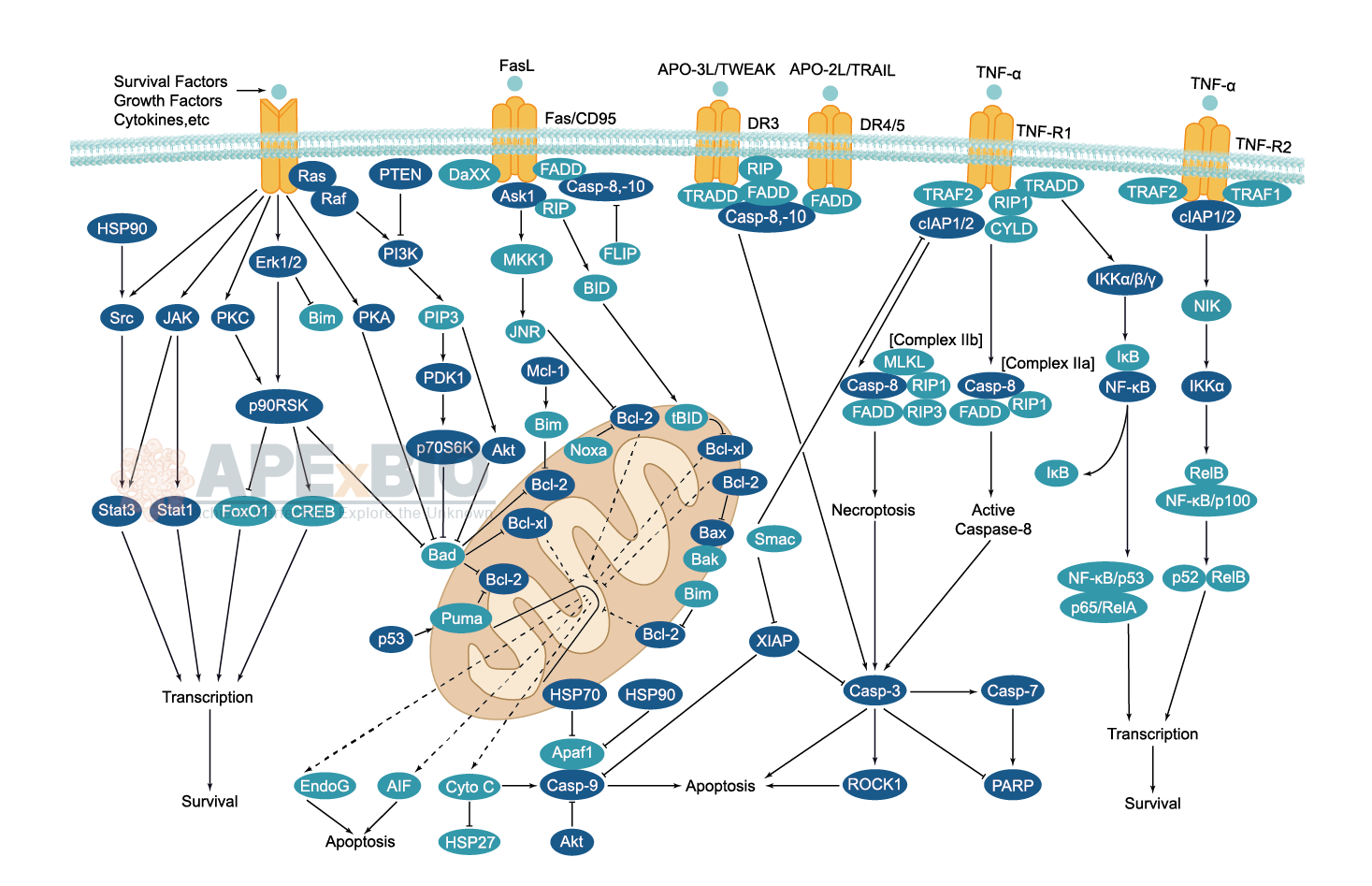
Apoptosis, also known as programmed cell death, is rigorously controlled process of cell death that leads to phagocytosis of unwanted cell. It is triggered after sufficient cellular damage and activated through extrinsic or intrinsic pathways. The intrinsic pathway is mainly occurs via release of cytochrome c from the mitochondria and regulates mitochondrial outer membrane permeabilization by Bcl-2 family proteins. The extrinsic pathway is induced by ligand binding to death receptor, such as Fas, TNFαR, DR3, DR4, and DR5. Caspases then cleave target proteins and nuclear lamins to promote DNA degradation, resulting apoptotic cells undergo phagocytosis. In addition, p53 has the ability to activate intrinsic and extrinsic pathways of apoptosis by inducing transcription of several proteins like Puma, Bid, Bax, TRAIL-R2, and CD95.
Some Inhibitors of apoptosis proteins (IAPs), such as XIAP/BIRC4 and Bruce/BIRC6, can block casapse activity through direct binding, while other IAPs, such as cIAP1/BIRC2, cIAP2/BIRC3, act as ubiquitin ligases that target caspases for ubiquitin-mediated degradation. Apoptosis is essential for growth, development and aging in multicellular organisms. Any alterations or abnormalities occurring in apoptotic processes contribute to development of human diseases, including cancer.
-
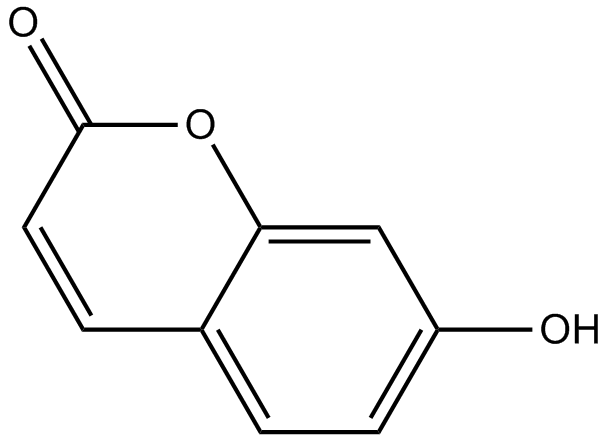 N2282 UmbelliferoneSummary: A derivative and metabolite of coumarin with diverse biological activities
-
 C6591 Taurochenodeoxycholic acid sodium saltSummary: A bile acid derivative with apoptosis-inducing, anti-inflammatory and immunomodulatory activities
-
 C6880 Vanillyl alcoholSummary: A phenolic alcohol for food and beverage flavoring and smoking cessation
-
 C6921 PhenanthreneSummary: A polycyclic aromatic hydrocarbon compound that induces inflammation, oxidative stress and apoptosis
-
 C6964 Diatrizoic acidSummary: An X-ray contrast agent for gastrointestinal, vascular, and urinary tract imaging
-
 C6983 CiticolineSummary: A phospholipid synthesis intermediate for neuroprotection and adjunctive treatment of central nervous system diseases
-
 C7092 Triglycidyl Isocyanurate (Teroxirone)Summary: An anticancer reagent that activates the p53 pathway and induces tumor cell apoptosis
-
 C7117 D-Pantothenate sodiumSummary: A micronutrient that serves as a coenzyme A precursor and regulates multiple metabolic processes
-
 B8750 STM2457Summary: An orally active, selective METTL3 inhibitor for acute leukemia
-
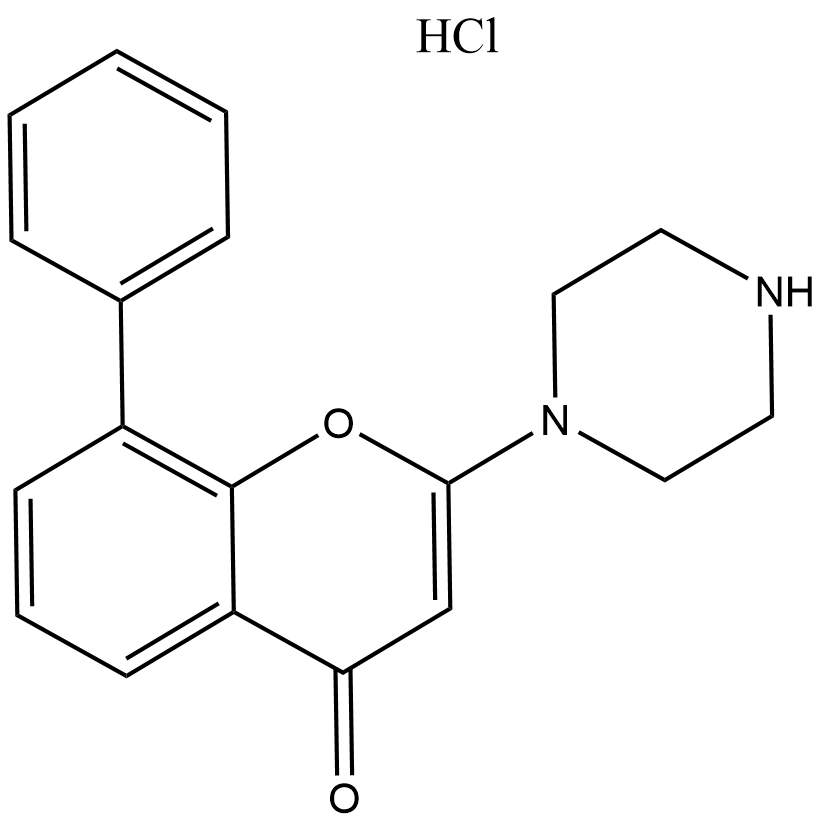 B8771 LY 303511 hydrochlorideSummary: A PI3K non-inhibitor that enhances neuroblastoma sensitivity to TRAIL