


Apoptosis
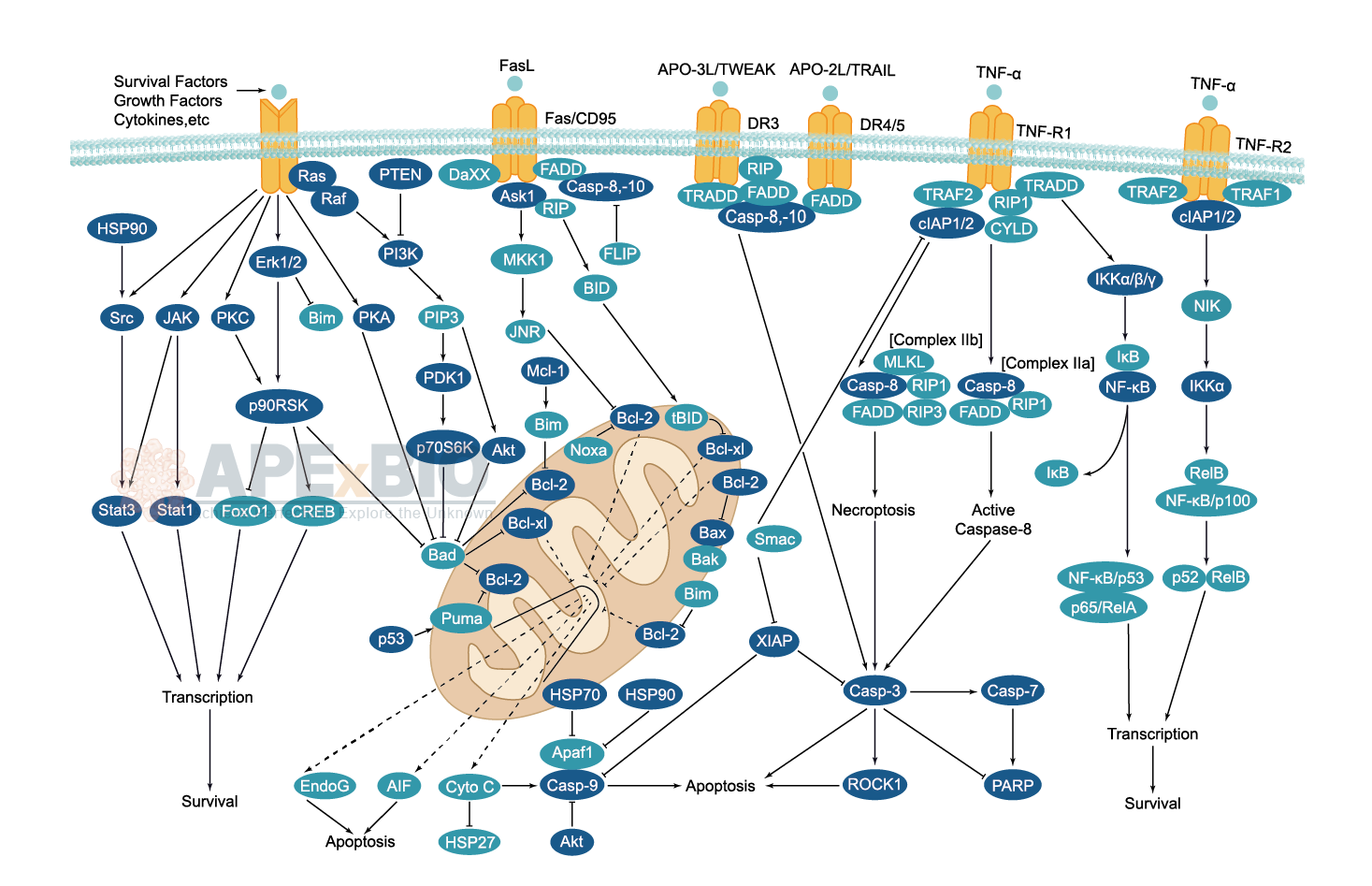
Apoptosis, also known as programmed cell death, is rigorously controlled process of cell death that leads to phagocytosis of unwanted cell. It is triggered after sufficient cellular damage and activated through extrinsic or intrinsic pathways. The intrinsic pathway is mainly occurs via release of cytochrome c from the mitochondria and regulates mitochondrial outer membrane permeabilization by Bcl-2 family proteins. The extrinsic pathway is induced by ligand binding to death receptor, such as Fas, TNFαR, DR3, DR4, and DR5. Caspases then cleave target proteins and nuclear lamins to promote DNA degradation, resulting apoptotic cells undergo phagocytosis. In addition, p53 has the ability to activate intrinsic and extrinsic pathways of apoptosis by inducing transcription of several proteins like Puma, Bid, Bax, TRAIL-R2, and CD95.
Some Inhibitors of apoptosis proteins (IAPs), such as XIAP/BIRC4 and Bruce/BIRC6, can block casapse activity through direct binding, while other IAPs, such as cIAP1/BIRC2, cIAP2/BIRC3, act as ubiquitin ligases that target caspases for ubiquitin-mediated degradation. Apoptosis is essential for growth, development and aging in multicellular organisms. Any alterations or abnormalities occurring in apoptotic processes contribute to development of human diseases, including cancer.
-
 BA2945 FamitinibSummary: Famitinib (SHR1020) is a potent, orally active multi-targeted kinase inhibitor.
 -
BA2946 TebufenozideSummary: Tebufenozide is a non-steroidal exocrine agonist used for pest control.
-
BA2947 DidesmethylrocaglamideSummary: Didesmethylrocaglamide is a derivative of Rocaglamide and a potent inhibitor of eukaryotic initiation factor 4A.
-
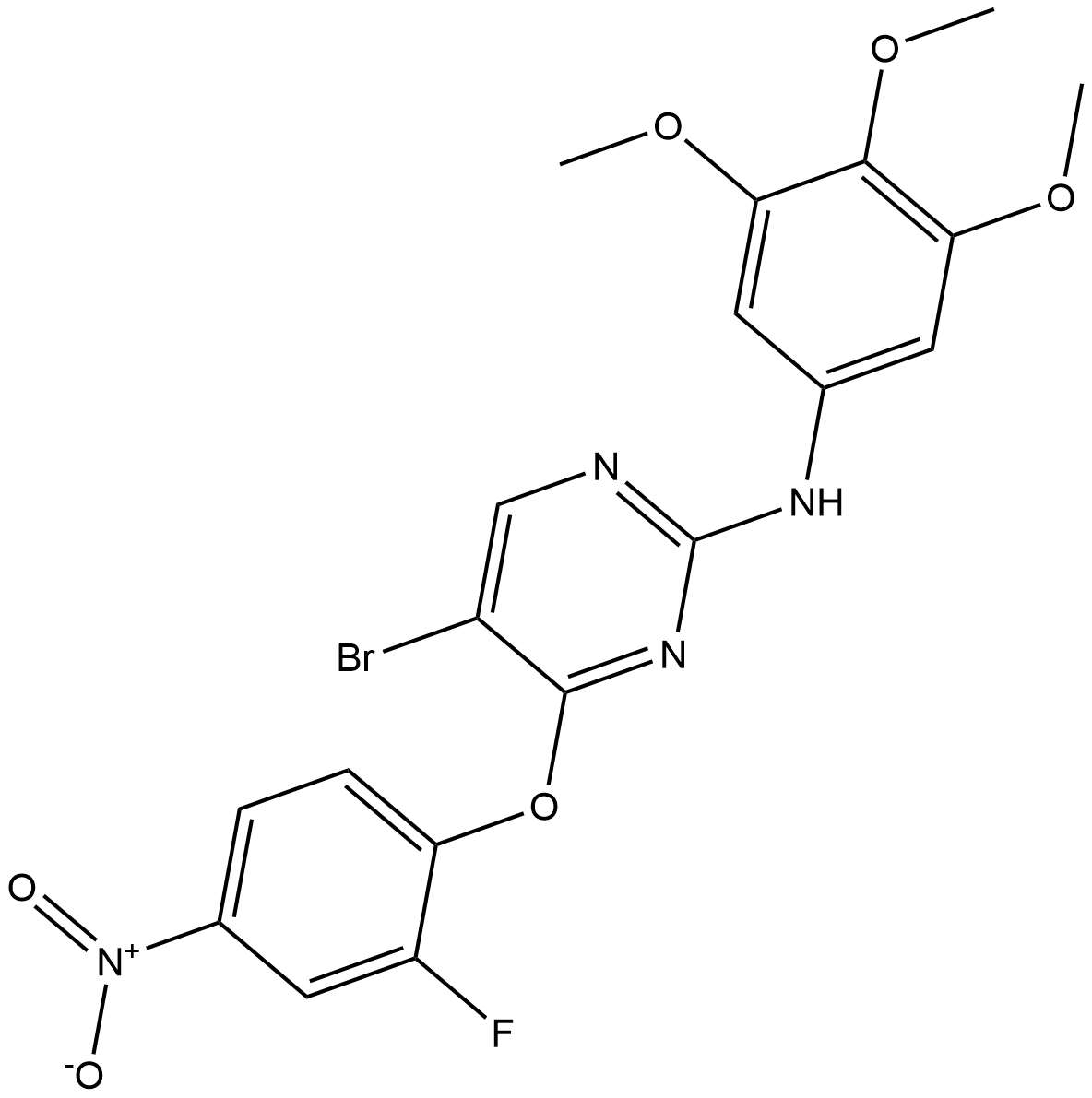 BA2949 ULK1-IN-2Summary: ULK1-IN-2 is a potent inhibitor.
 -
BA2950 EthoxysanguinarineSummary: Ethoxysanguinarine is a benzophenanthridine alkaloid natural product found primarily in the Borrelia gyrata.
-
BA2951 SalvigeninSummary: Salvigenin is a natural polyphenol compound with neuroprotective properties.
-
BA2952 FKGK18Summary: FKGK18 is a selective inhibitor.
-
BA2953 NorartocarpetinSummary: Norartocarpetin is a tyrosinase inhibitor.
-
BA2954 S-AllylmercaptocysteineSummary: S-allylmercaptocysteine is an organosulfur compound derived from garlic that has anti-inflammatory and antioxidant properties against various lung diseases.
-
BA2955 IST5-002Summary: IST5-002, a potent inhibitor, selectively inhibited the transcriptional activity of Stat5a/b with values of 1.5 μM (Stat5a) and 3.5 μM (Stat5b), respectively.