Monobromobimane
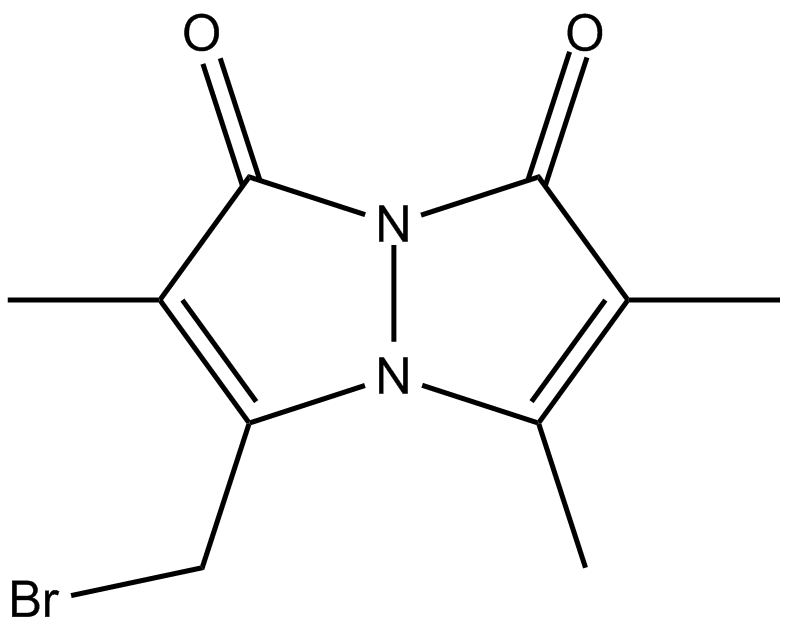
Monobromobimane (CAS No.: 71418-44-5) is a non-fluorescent compound widely used in biomedical research, primarily for detecting and labeling thiol groups in biomolecules. It reacts with thiols to form highly fluorescent products, and is commonly used to assess intracellular glutathione levels, monitor oxidative stress status, and study the function of sulfur-containing proteins. In in vitro experiments, Monobromobimane can rapidly react with low-molecular-weight thiols (such as glutathione) and active thiol groups in proteins to generate stable fluorescent products, making it suitable for analytical methods such as high-performance liquid chromatography (HPLC). Its applications in cell and animal models typically depend on experimental design and research objectives, and it is often used to label and detect intracellular thiol content to study redox status and related biological processes.
| Physical Appearance | A solid |
| Storage | -20°C |
| M.Wt | 271.11 |
| Cas No. | 71418-44-5 |
| Formula | C10H11BrN2O2 |
| Synonyms | MBBr; NSC 608544 |
| Solubility | ≥40.3 mg/mL in DMSO; ≥8.9 mg/mL in EtOH with ultrasonic; insoluble in H2O |
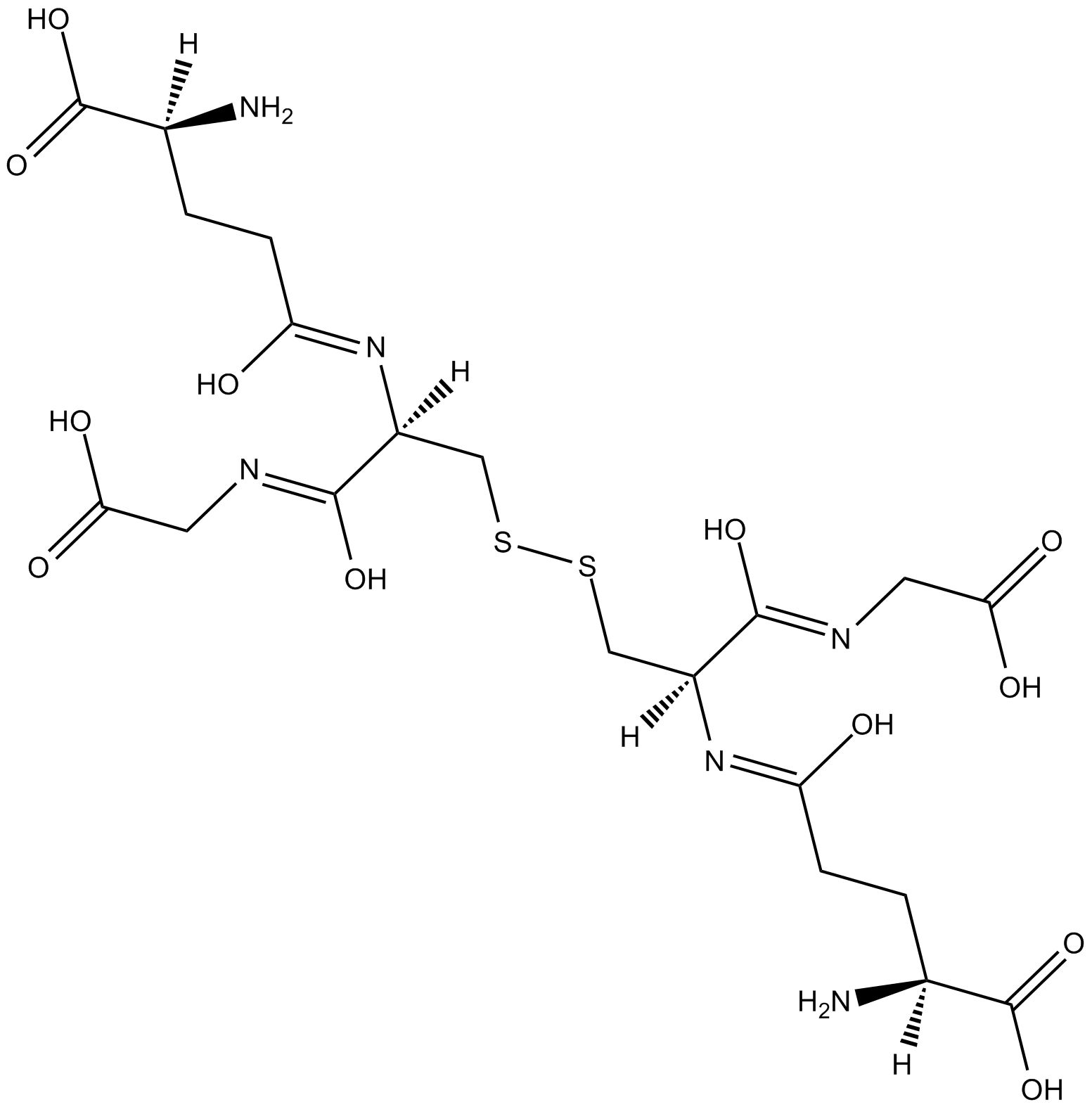
| Chemical Name | 3-(bromomethyl)-2,5,6-trimethylpyrazolo[1,2-a]pyrazole-1,7-dione |
| Canonical SMILES | O=C1N2N(C(CBr)=C(C)C2=O)C(C)=C1C |
| Shipping Condition | Small Molecules with Blue Ice, Modified Nucleotides with Dry Ice. |
| General tips | We do not recommend long-term storage for the solution, please use it up soon. |