


Microbiology & Virology

Furthermore, small molecules enable selective modulation of the microbiome, balancing interactions between beneficial and pathogenic microorganisms. Coupled with advances in high-throughput screening technologies, they continue to overcome limitations related to target specificity and drug resistance, thereby serving as a crucial bridge between basic research and clinical anti-infective practice. Collectively, small-molecule compounds offer diversified solutions to global public health challenges.
-
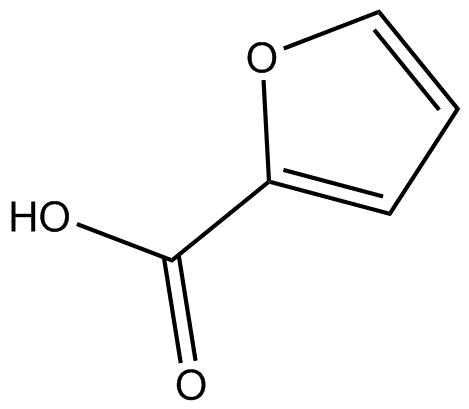 C6254 2-Furoic acidSummary: An organic compound that can reduce cholesterol and triglycerides.
 -
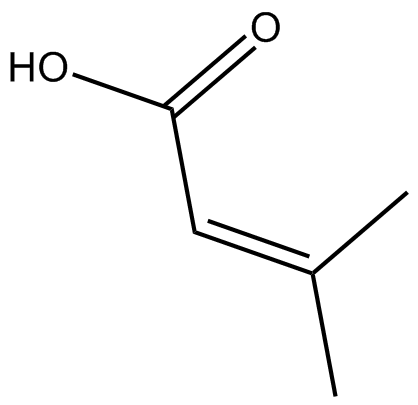 C6266 3,3-Dimethylacrylic acidSummary: A structurally stable unsaturated organic acid, used for pharmaceutical synthesis and intermediate preparation.
 -
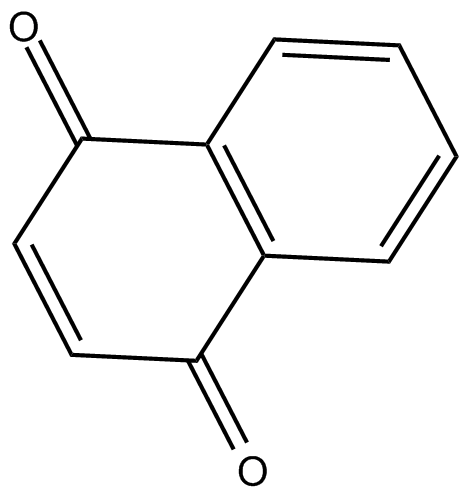 C6296 1,4-NaphthoquinoneSummary: Can inhibit MAO and DNA topoisomerase activity, used for tumor and neuropharmacology research.
 -
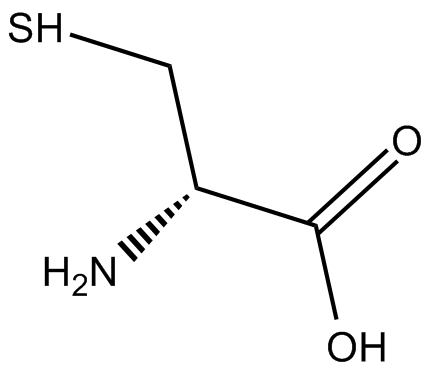 C6319 D-CysteineSummary: An amino acid that can inhibit bacterial biofilms and has neuroprotective effects.
 -
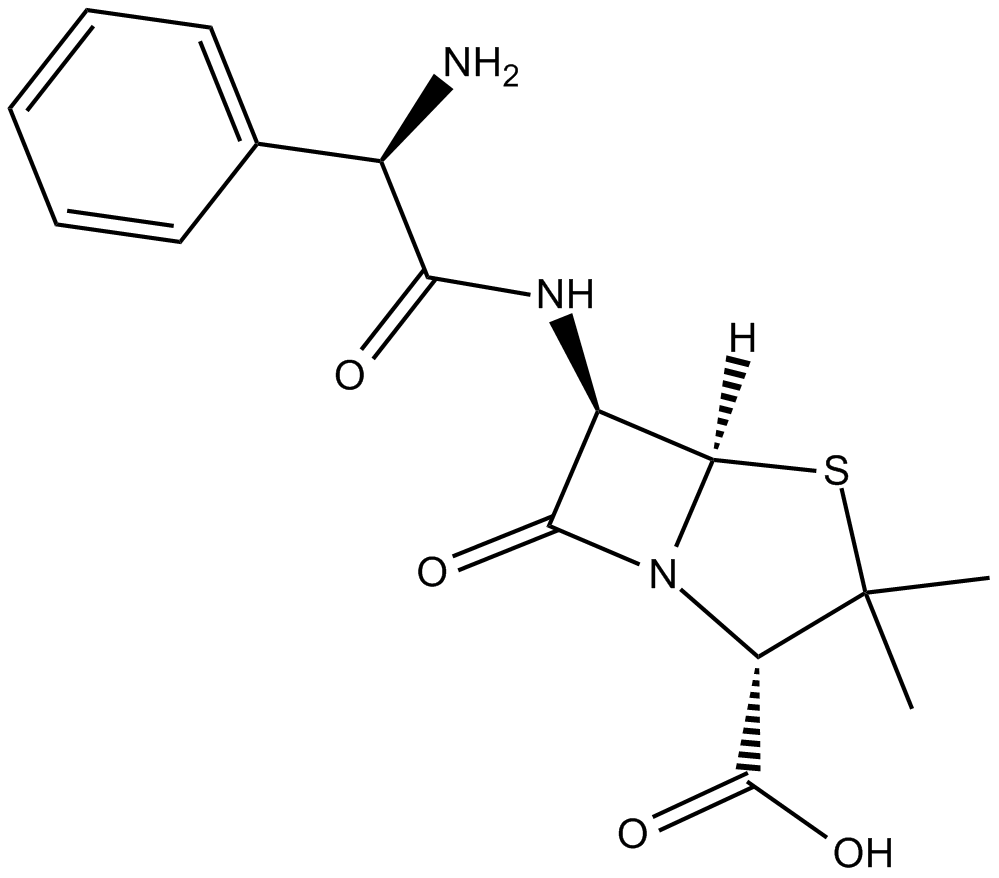 C6335 AmpicillinSummary: An orally administered broad-spectrum β-lactam antibiotic used to treat a variety of bacterial infections.
 -
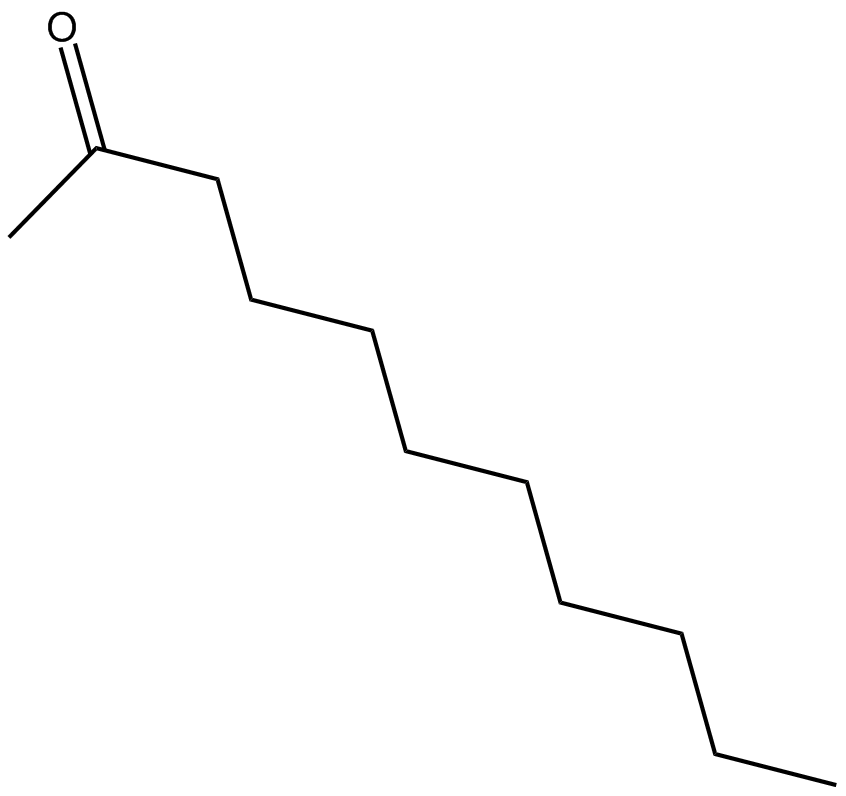 C6355 2-UndecanoneSummary: A volatile organic compound that can inhibit the development of lung tumors.
 -
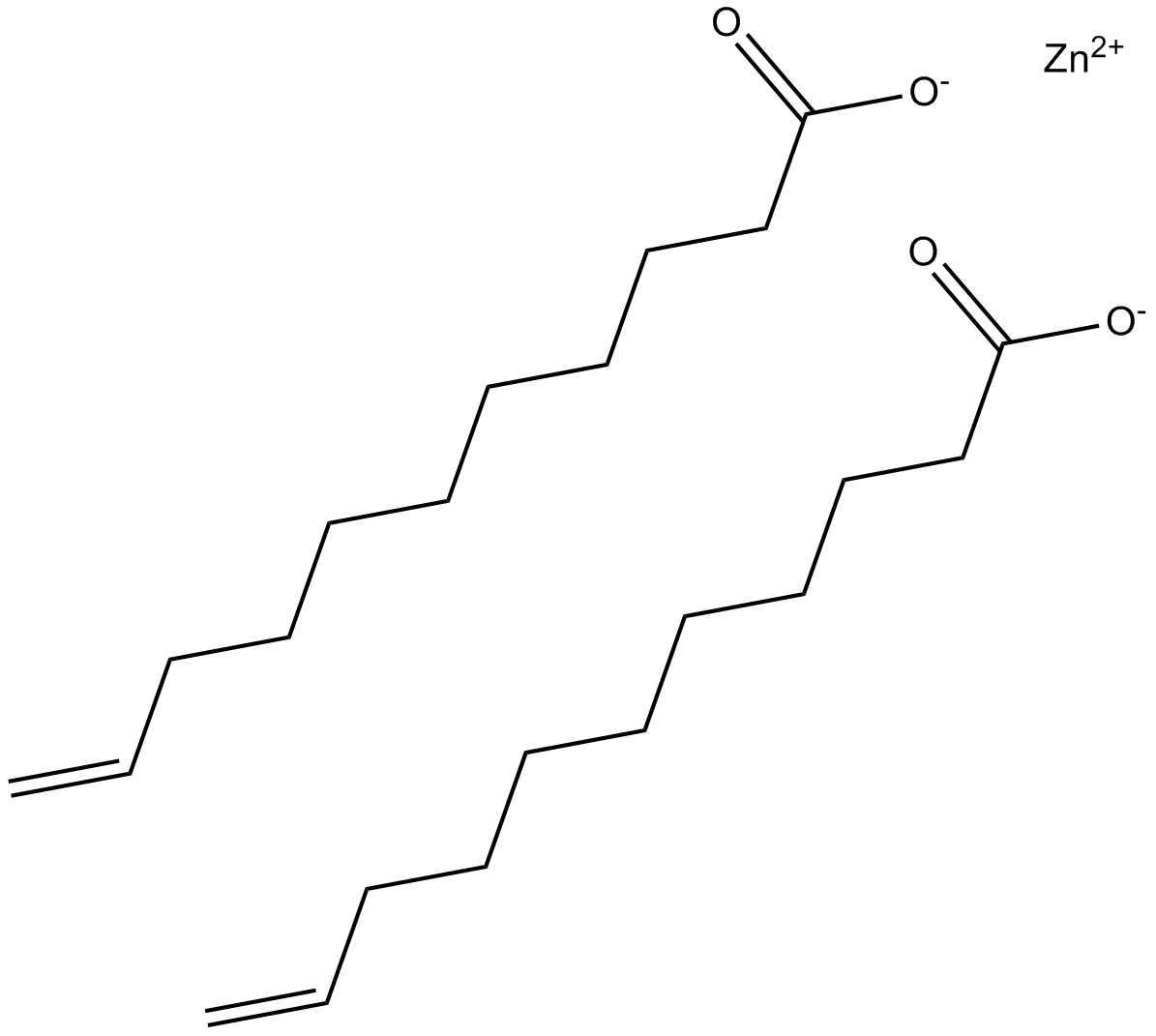 C6644 Zinc UndecylenateSummary: A Zika virus RdRp inhibitor with antiviral activity, used for ZIKV research.
 -
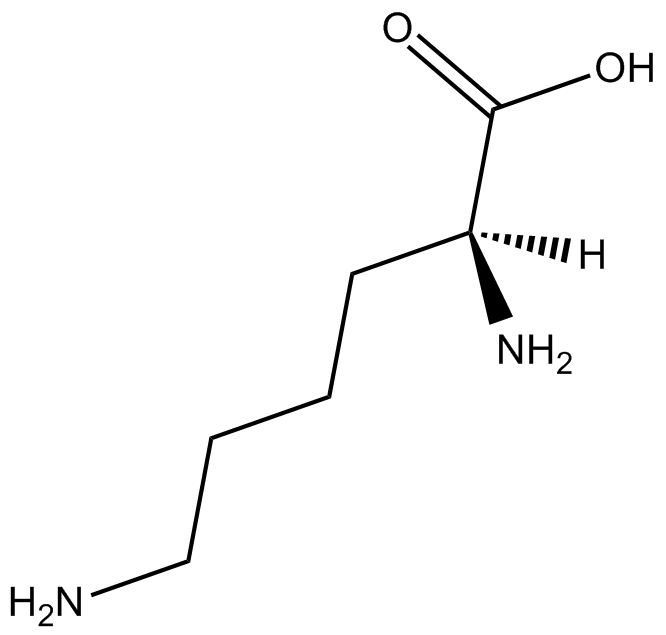 M1051 L-LysineSummary: An essential amino acid with anti-HSV infection activity, promotes calcium absorption, and improves metabolism.
 -
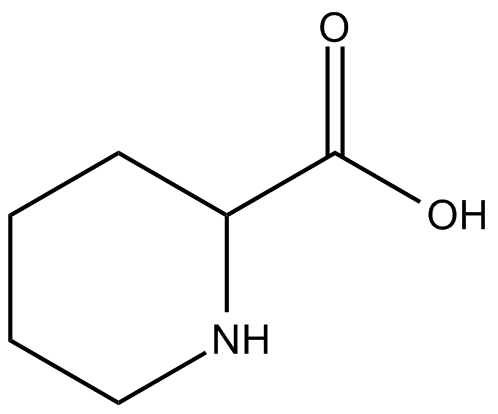 M1059 Pipecolic acidSummary: A lysine metabolite, an important precursor for microbial secondary metabolism, and a ferroptosis inhibitor.
 -
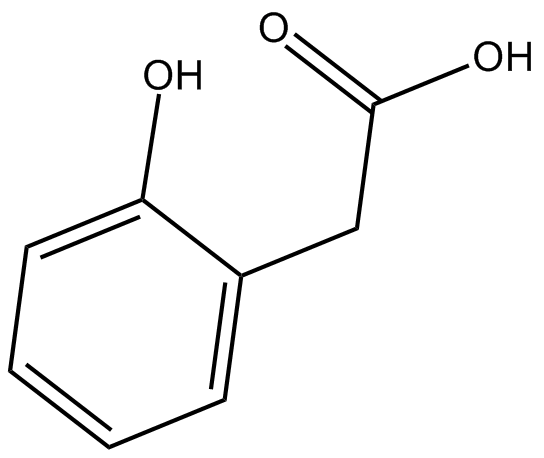 M1183 hydroxyphenylacetateSummary: Potential biomarkers for metabolic abnormalities associated with phenylketonuria.