


Microbiology & Virology

Furthermore, small molecules enable selective modulation of the microbiome, balancing interactions between beneficial and pathogenic microorganisms. Coupled with advances in high-throughput screening technologies, they continue to overcome limitations related to target specificity and drug resistance, thereby serving as a crucial bridge between basic research and clinical anti-infective practice. Collectively, small-molecule compounds offer diversified solutions to global public health challenges.
-
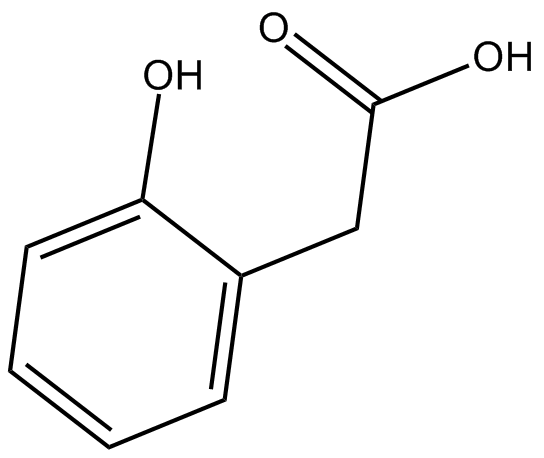 M1183 hydroxyphenylacetateSummary: Potential biomarkers for metabolic abnormalities associated with phenylketonuria.
 -
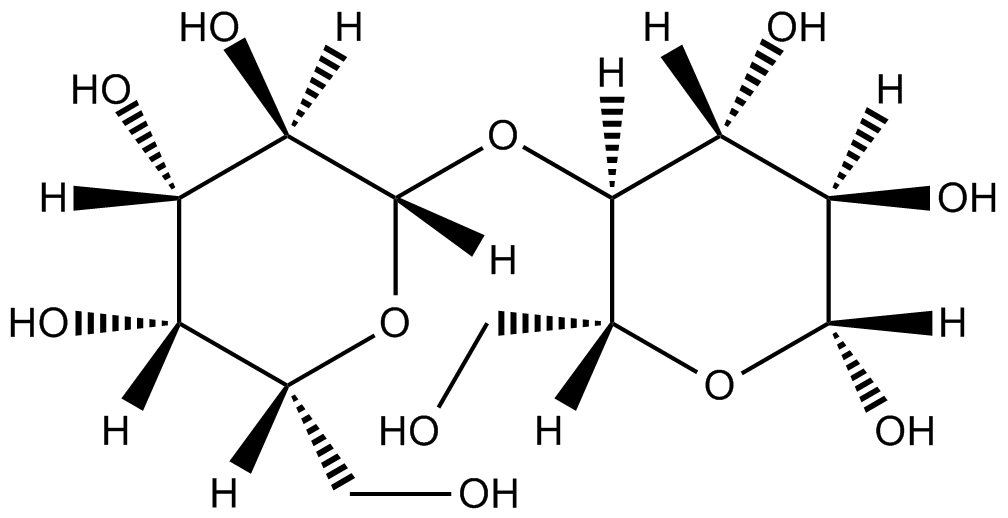 M1201 lactoseSummary: A disaccharide used for tablet preparation, nutritional supplementation, and immune modulation.
 -
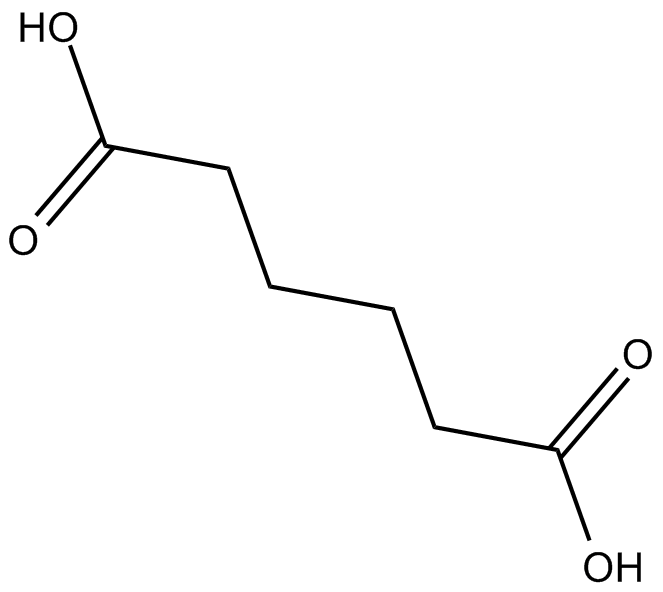 M1276 adipateSummary: A bioactivity assay reference standard for research on inborn errors of metabolism.
 -
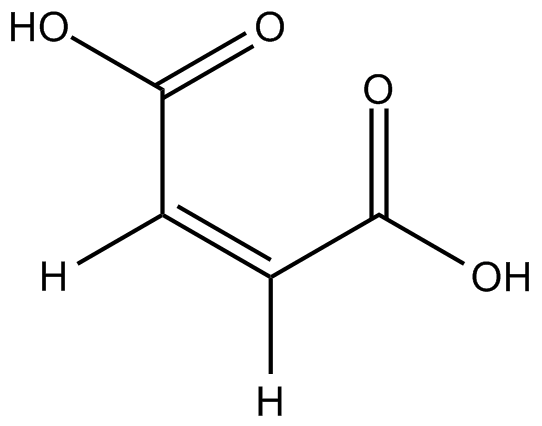 M1279 maleateSummary: An organic acid that can inhibit glutamate decarboxylase in Escherichia coli and Listeria.
 -
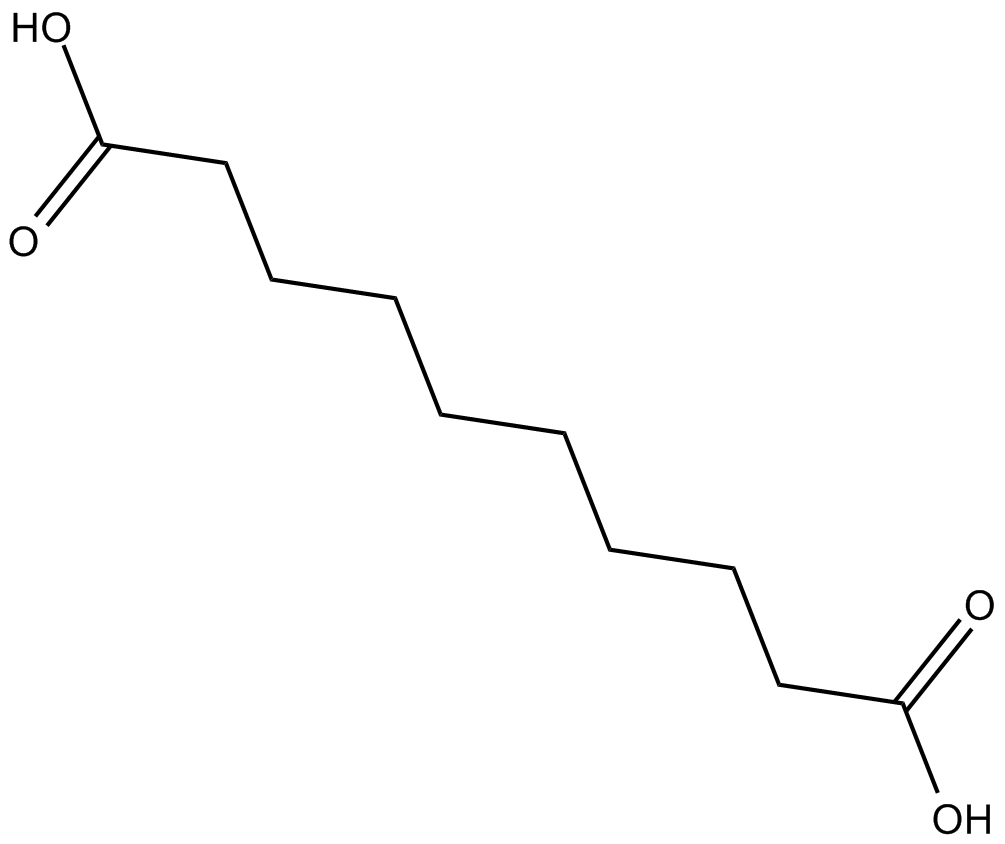 M1325 sebacate (decanedioate)Summary: Medium-chain fatty acids associated with disorders involving defects in carnitine metabolism and medium-chain acyl-CoA metabolism.
 -
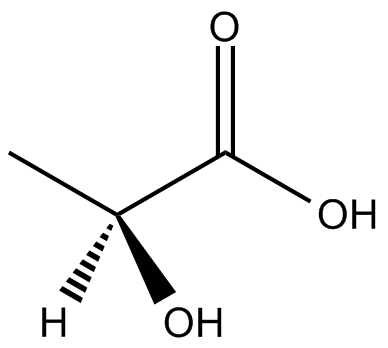 M1355 lactate1 CitationSummary: A compound used for preparing polylactic acid polymers and exhibiting anti-proliferative activity.
 -
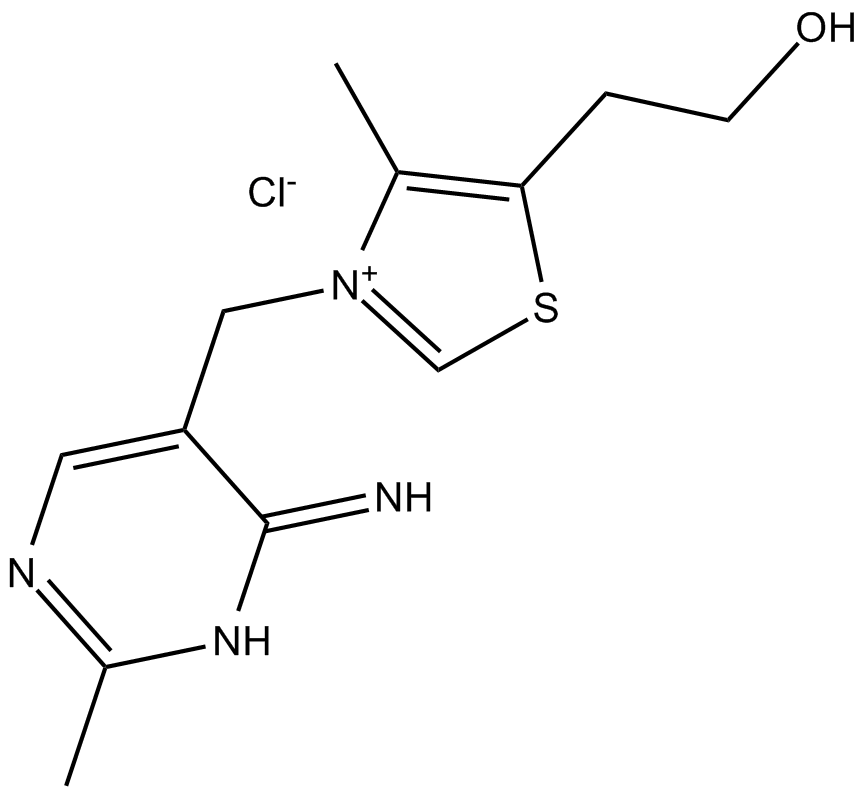 M1376 thiamineSummary: Participates in coenzyme synthesis, promotes glucose metabolism and neuronal energy supply.
 -
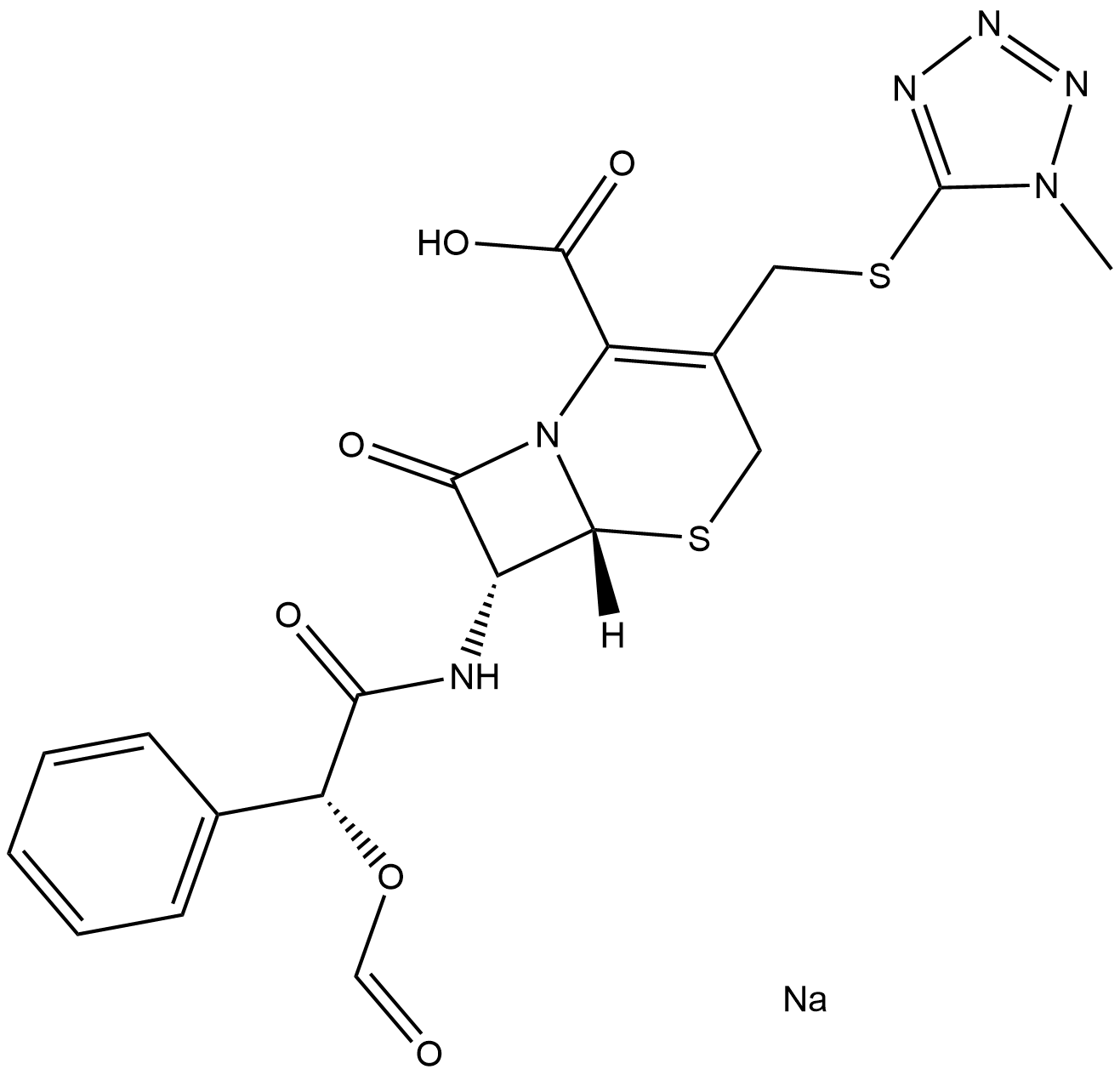 C8771 Cefamandole nafateSummary: Cefamandole nafate is a second-generation cephalosporin β-lactam antibacterial that targets penicillin-binding proteins and is utilized in microbiology, resistance, and anti-infective research.
 -
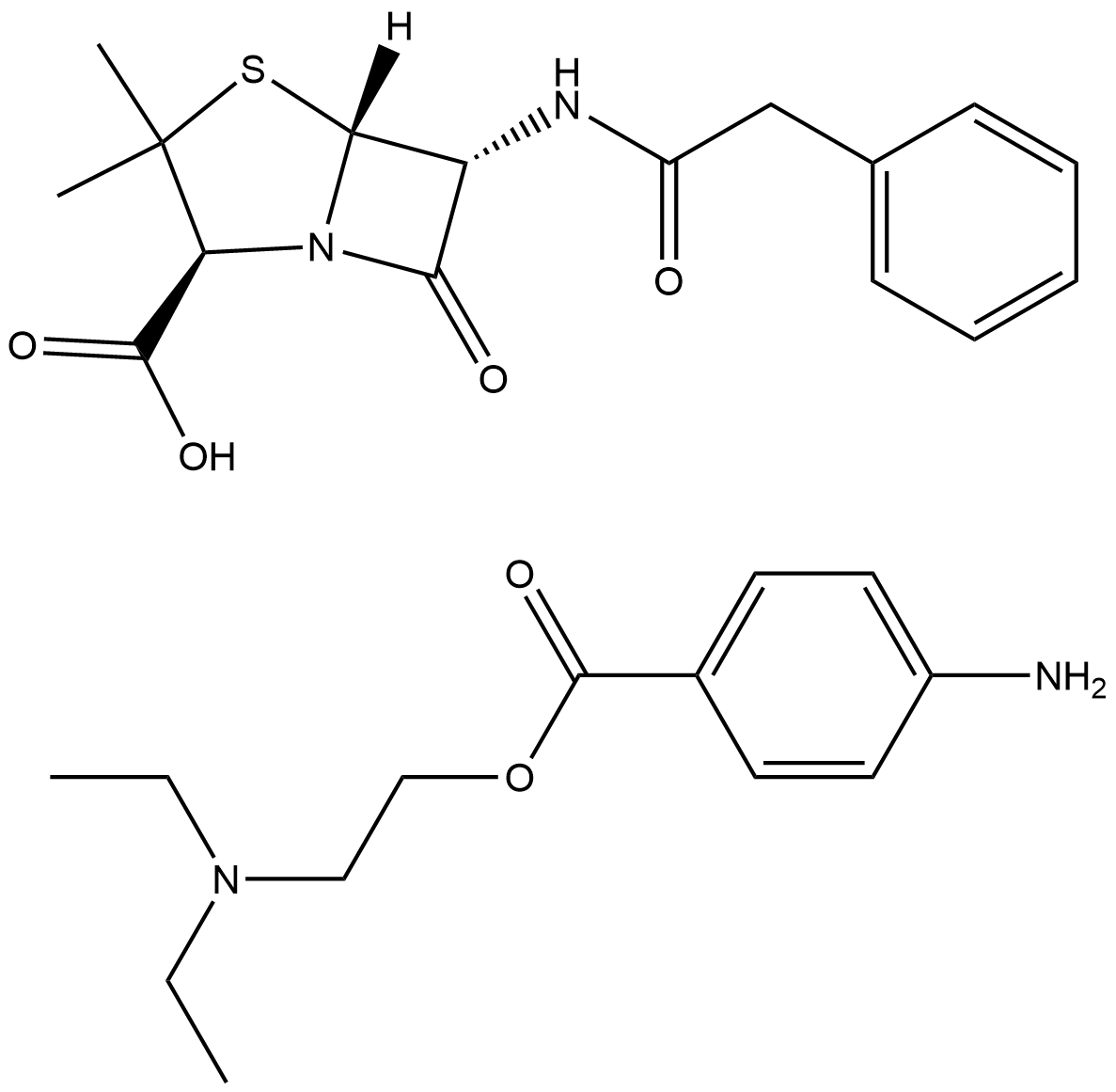 C8773 Procaine penicillin GSummary: Procaine penicillin G is a beta-lactam antibacterial that targets penicillin-binding protein-mediated peptidoglycan crosslinking and is used in antimicrobial and bacterial cell-wall biosynthesis research.
 -
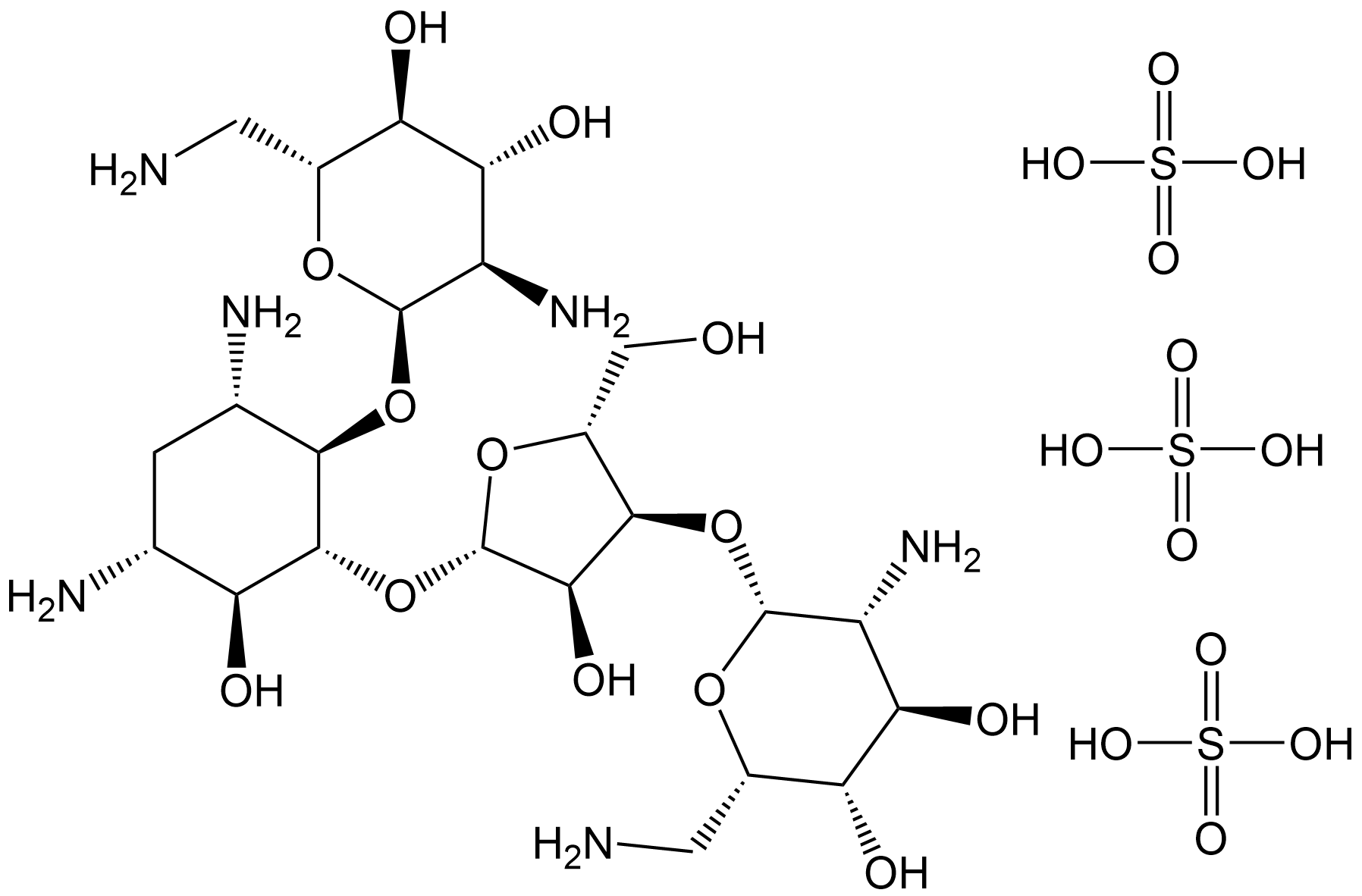 C8775 Framycetin sulphateSummary: Framycetin sulphate is an aminoglycoside antibacterial translation inhibitor targeting the bacterial 30S ribosomal subunit, widely used in microbiology and structured RNA research.