


Microbiology & Virology

Furthermore, small molecules enable selective modulation of the microbiome, balancing interactions between beneficial and pathogenic microorganisms. Coupled with advances in high-throughput screening technologies, they continue to overcome limitations related to target specificity and drug resistance, thereby serving as a crucial bridge between basic research and clinical anti-infective practice. Collectively, small-molecule compounds offer diversified solutions to global public health challenges.
-
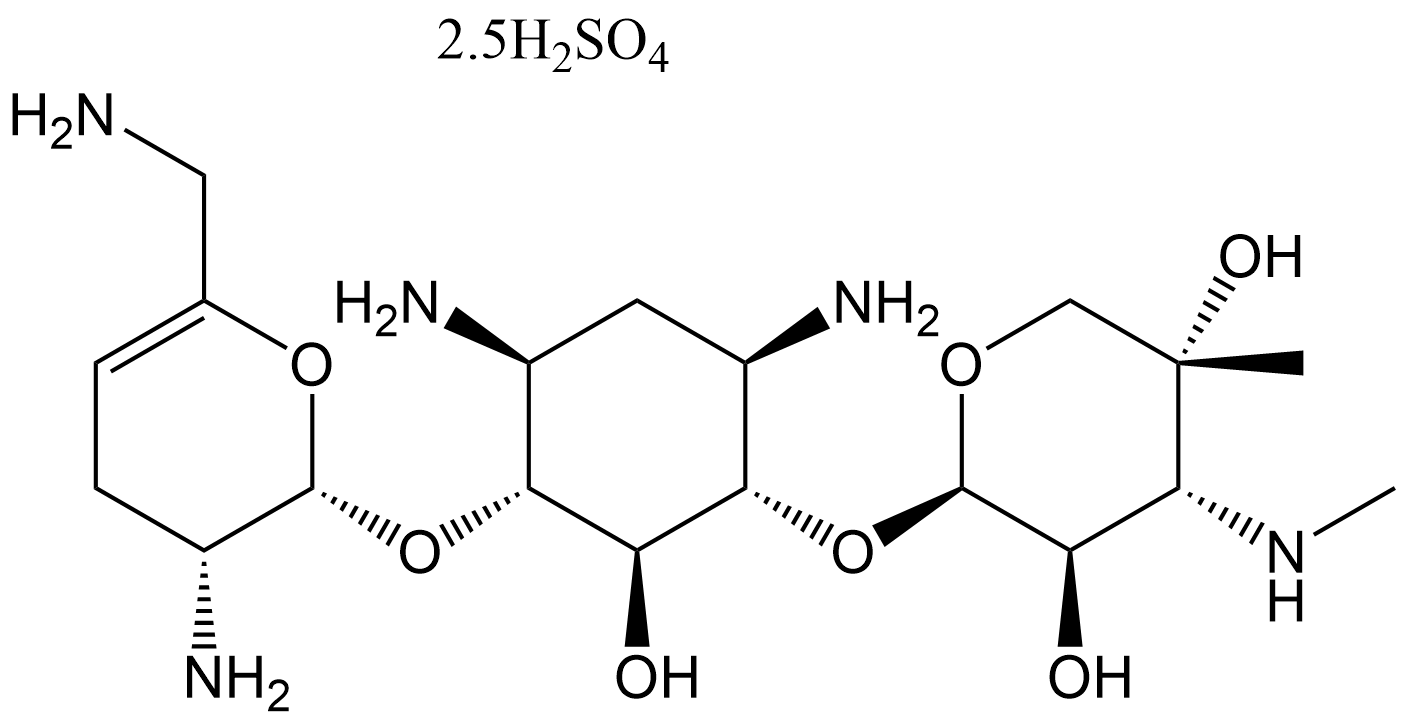 C8777 Sisomicin sulfateSummary: Sisomicin sulfate is a broad-spectrum aminoglycoside antibiotic that targets the bacterial 30S ribosomal subunit and is used in microbiology, ribosome-function, and anti-infective research.
 -
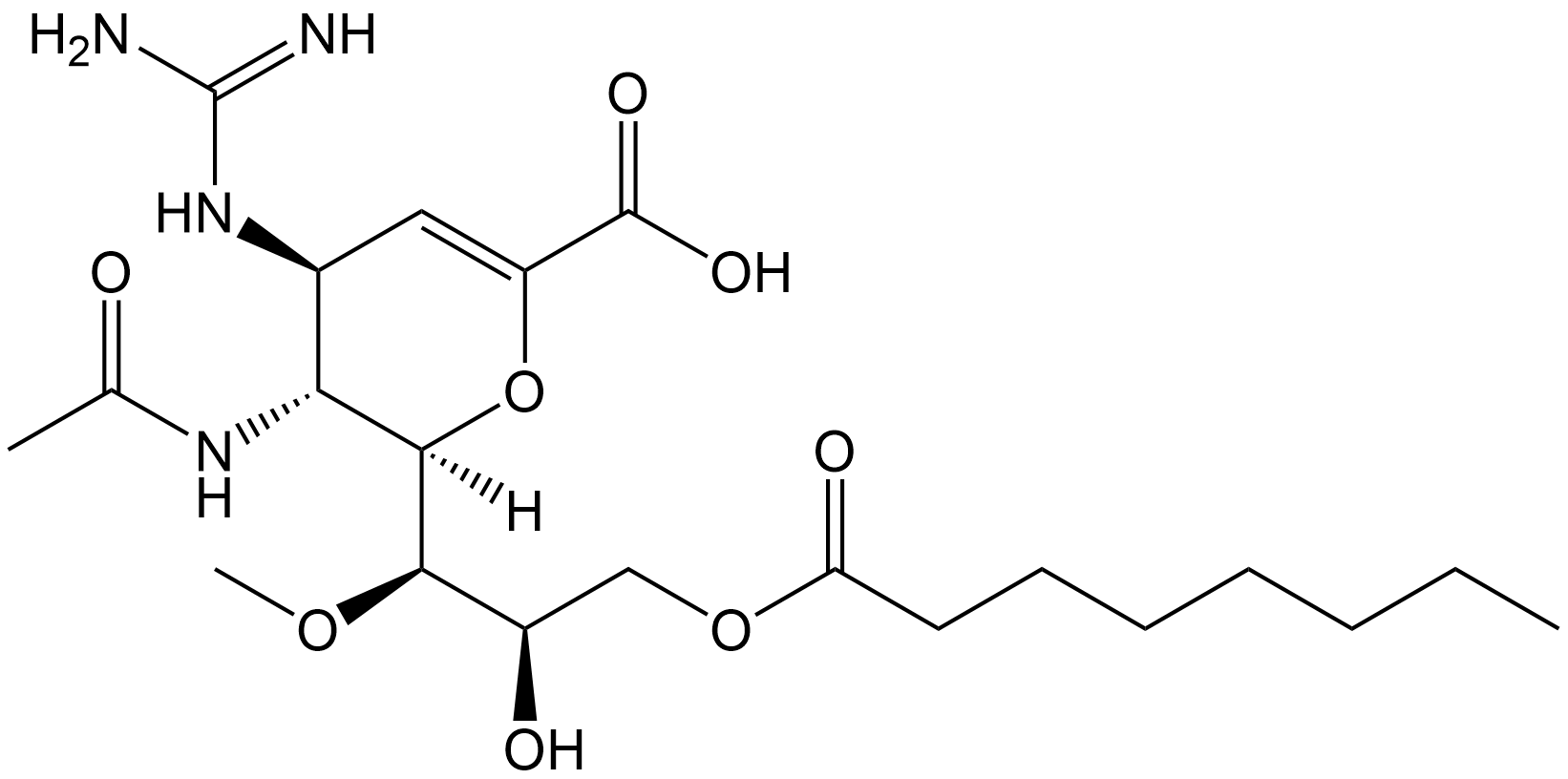 C8779 Laninamivir OctanoateSummary: Laninamivir Octanoate is a synthetic small-molecule prodrug targeting influenza viral neuraminidase, used in virology, host-pathogen interaction studies, and anti-infective drug discovery.
 -
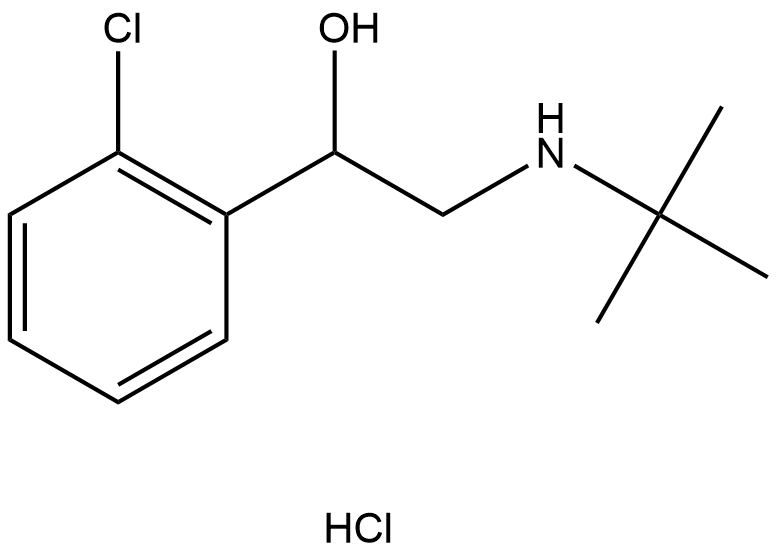 C8785 Tulobuterol hydrochlorideSummary: Tulobuterol hydrochloride is a synthetic long-acting β2-adrenergic receptor agonist used in respiratory pharmacology, cAMP signaling, and airway inflammation research.
 -
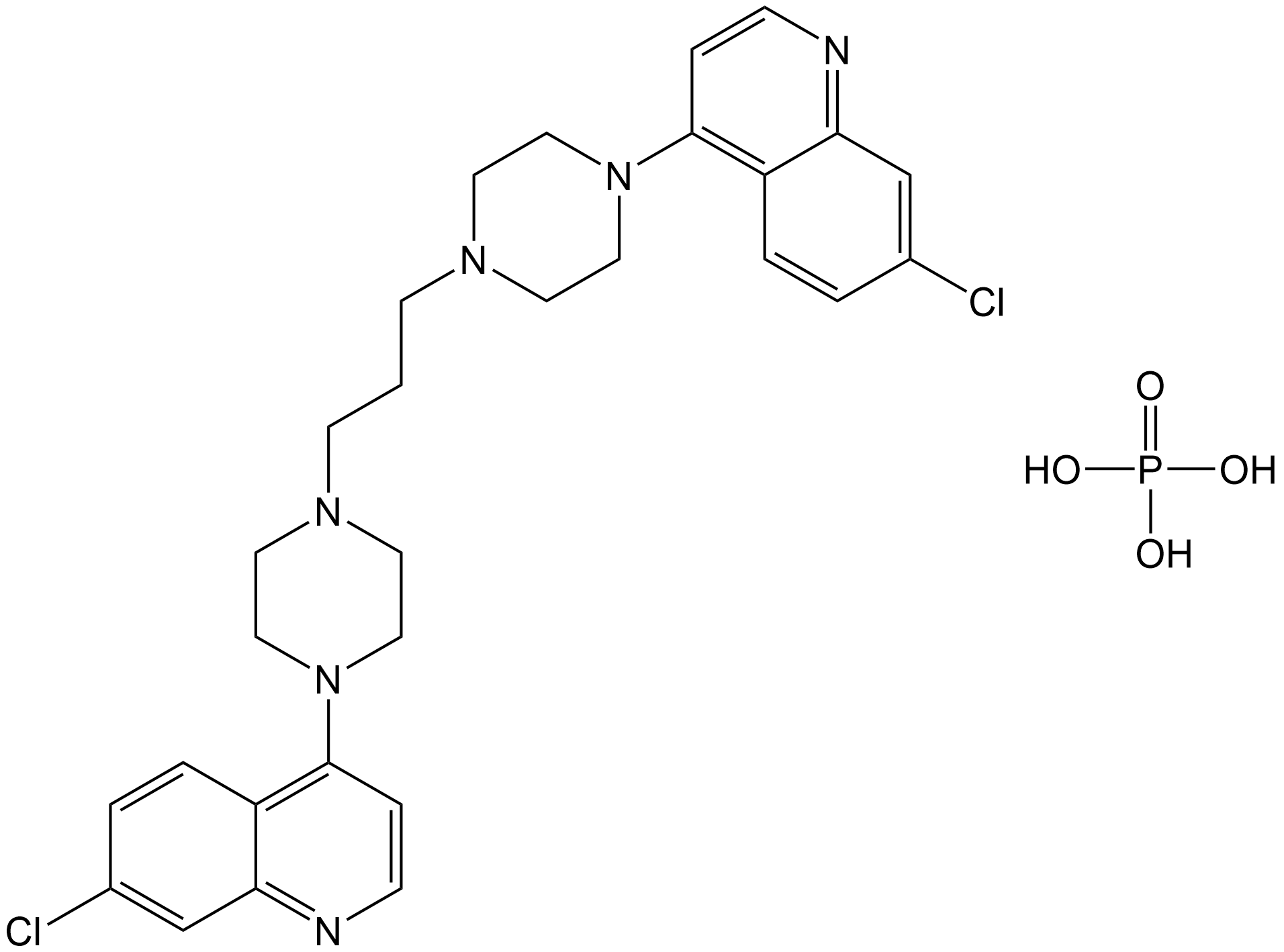 C8801 Piperaquine phosphateSummary: Piperaquine phosphate is a synthetic bisquinoline antiplasmodial compound that disrupts parasite heme detoxification and hemozoin formation, enabling antimalarial and Plasmodium falciparum resistance research.
 -
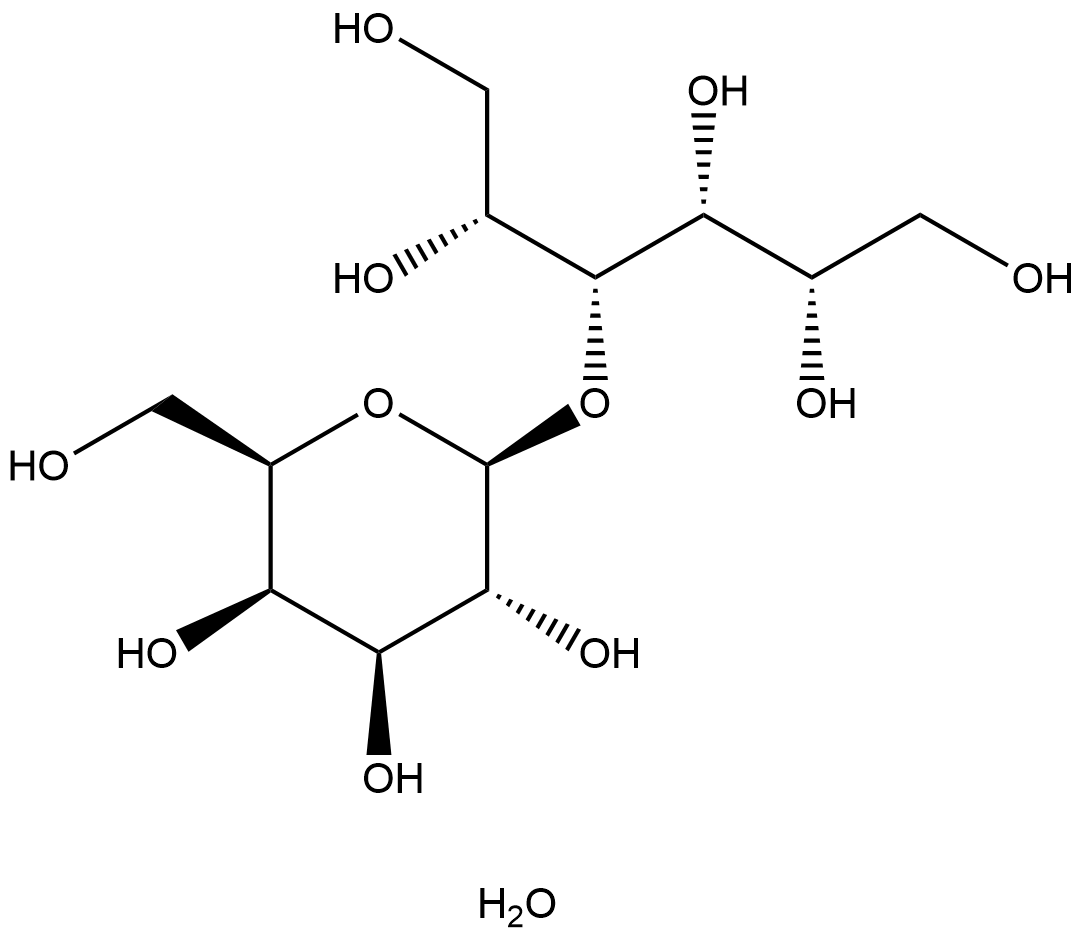 C8805 Lactitol monohydrateSummary: Lactitol monohydrate is a synthetic nonabsorbable disaccharide and microbiome-modulating functional saccharide used in gut microbiota, ammonia metabolism, and host-microbe interaction research.
 -
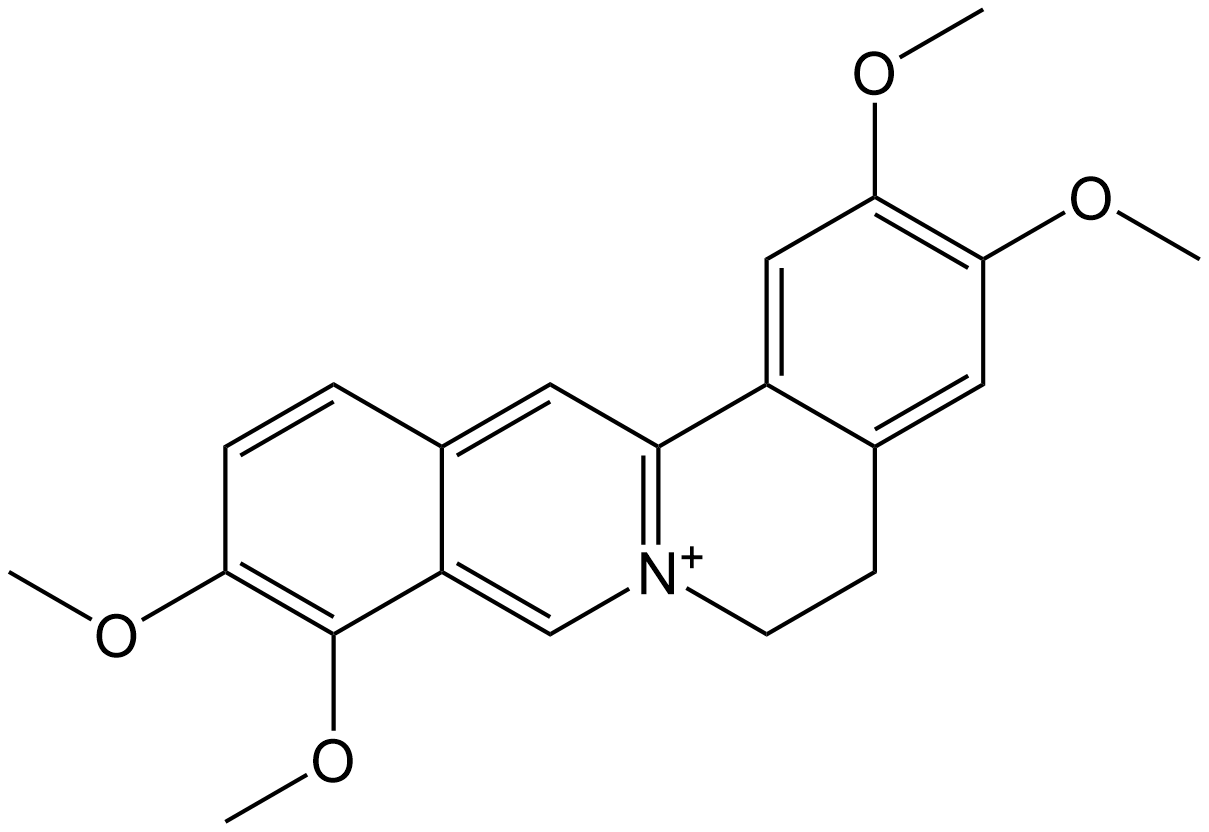 N2893 PalmatineSummary: Palmatine is a plant-derived protoberberine isoquinoline alkaloid that inhibits IDO1 and West Nile virus NS2B-NS3 protease for inflammation, infection, neurobiology, and oncology research.
 -
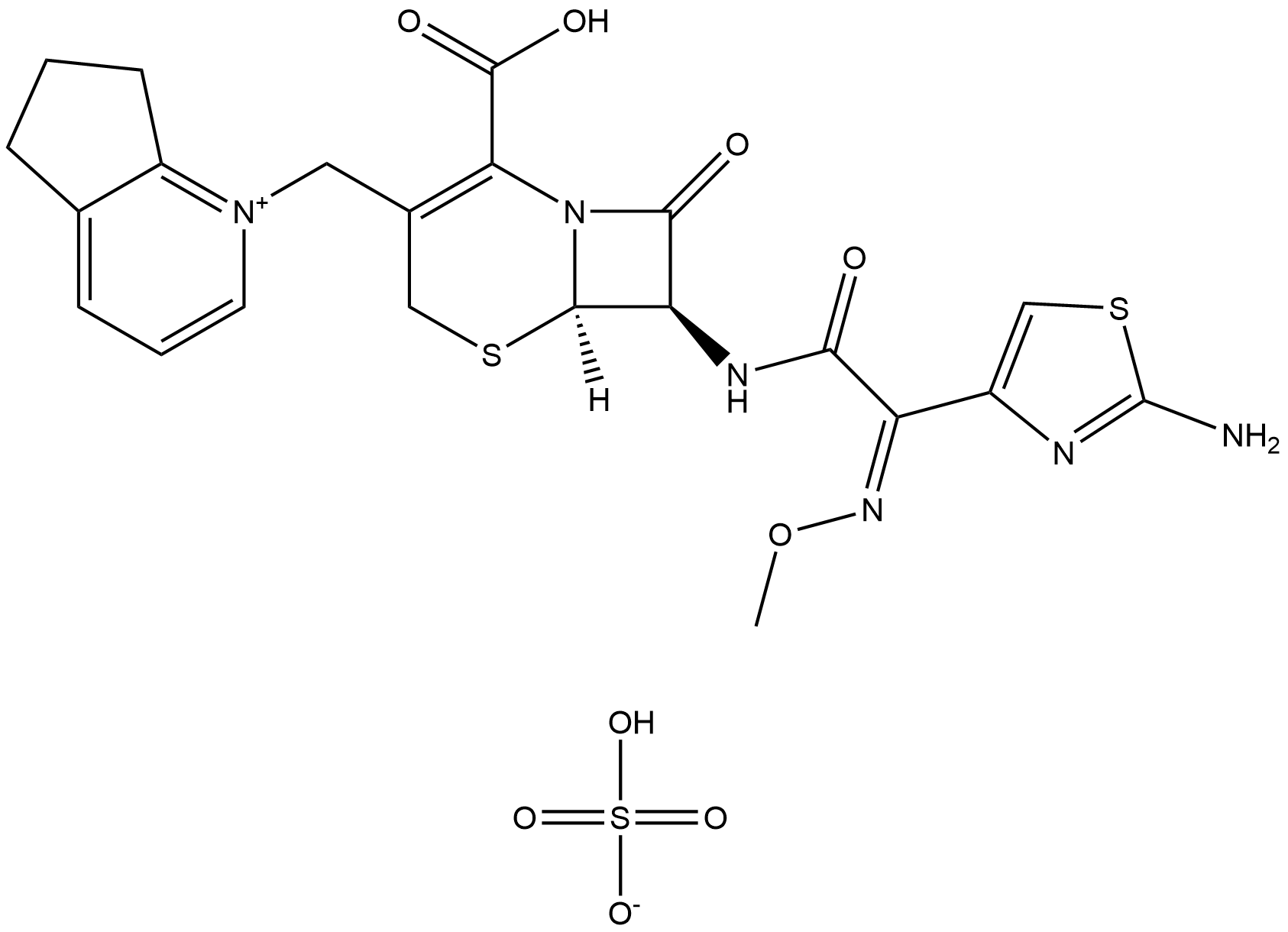 C8822 Cefpirome sulfateSummary: Cefpirome sulfate is a fourth-generation cephalosporin β-lactam compound targeting bacterial cell wall synthesis, broadly utilized in microbiology and antimicrobial resistance research.
 -
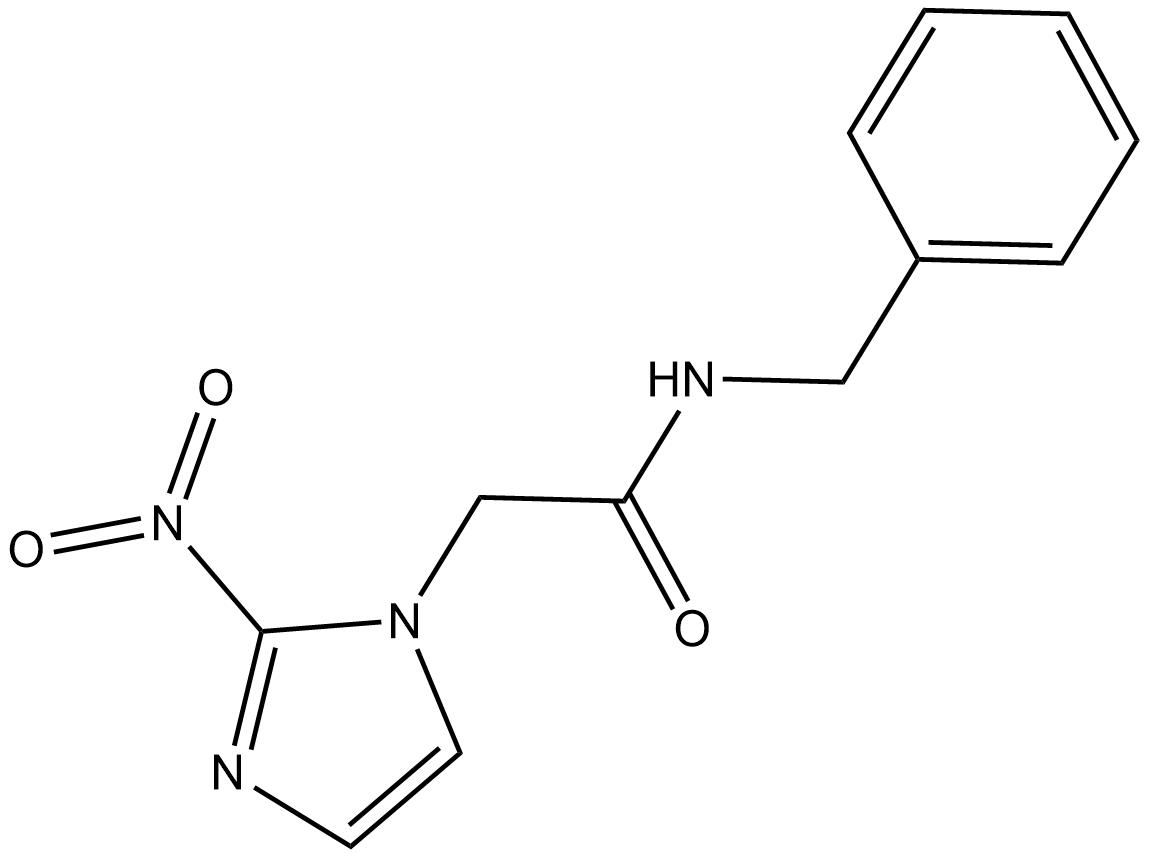 C8825 BenznidazoleSummary: Benznidazole (CAS 22994-85-0) is a nitroimidazole compound that induces parasite macromolecular damage and is widely utilized in protozoan biology and antiparasitic mechanism research.
 -
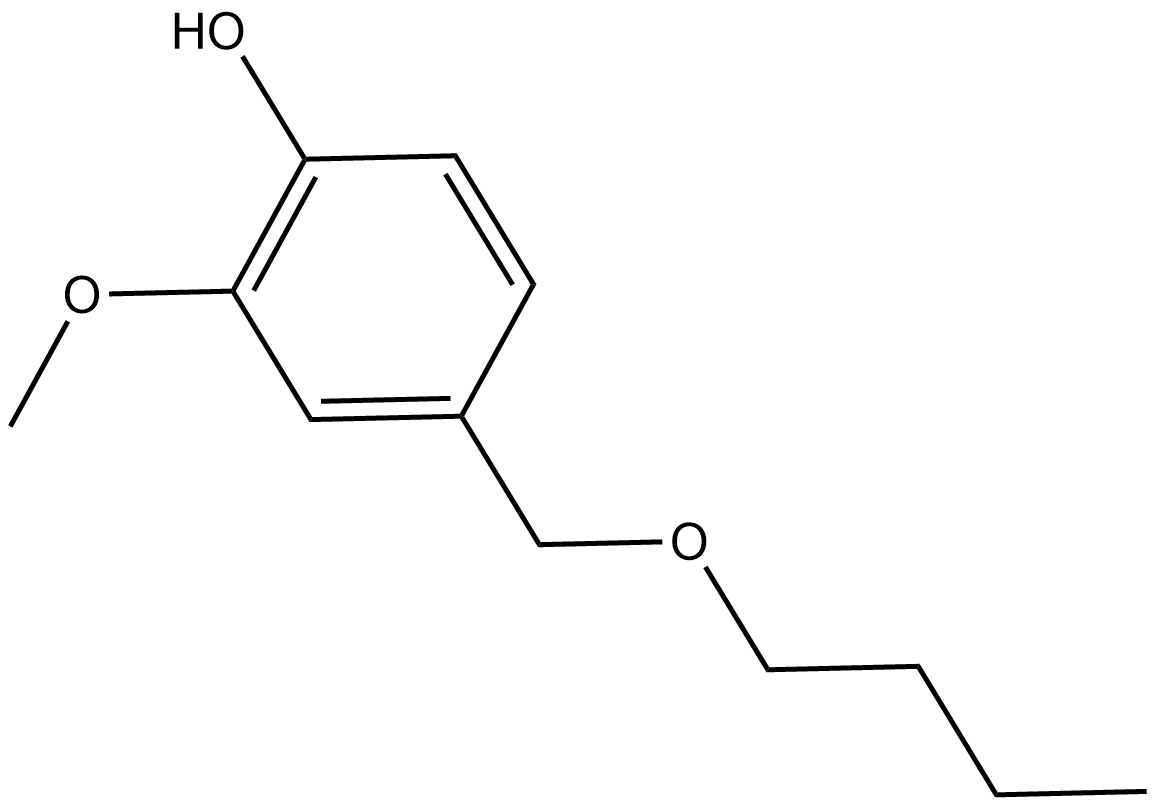 C8826 Vanillyl Butyl EtherSummary: Vanillyl Butyl Ether is a vanilloid analog that activates TRPV1 signaling and is utilized in sensory neurobiology and thermoreception mechanism research.
 -
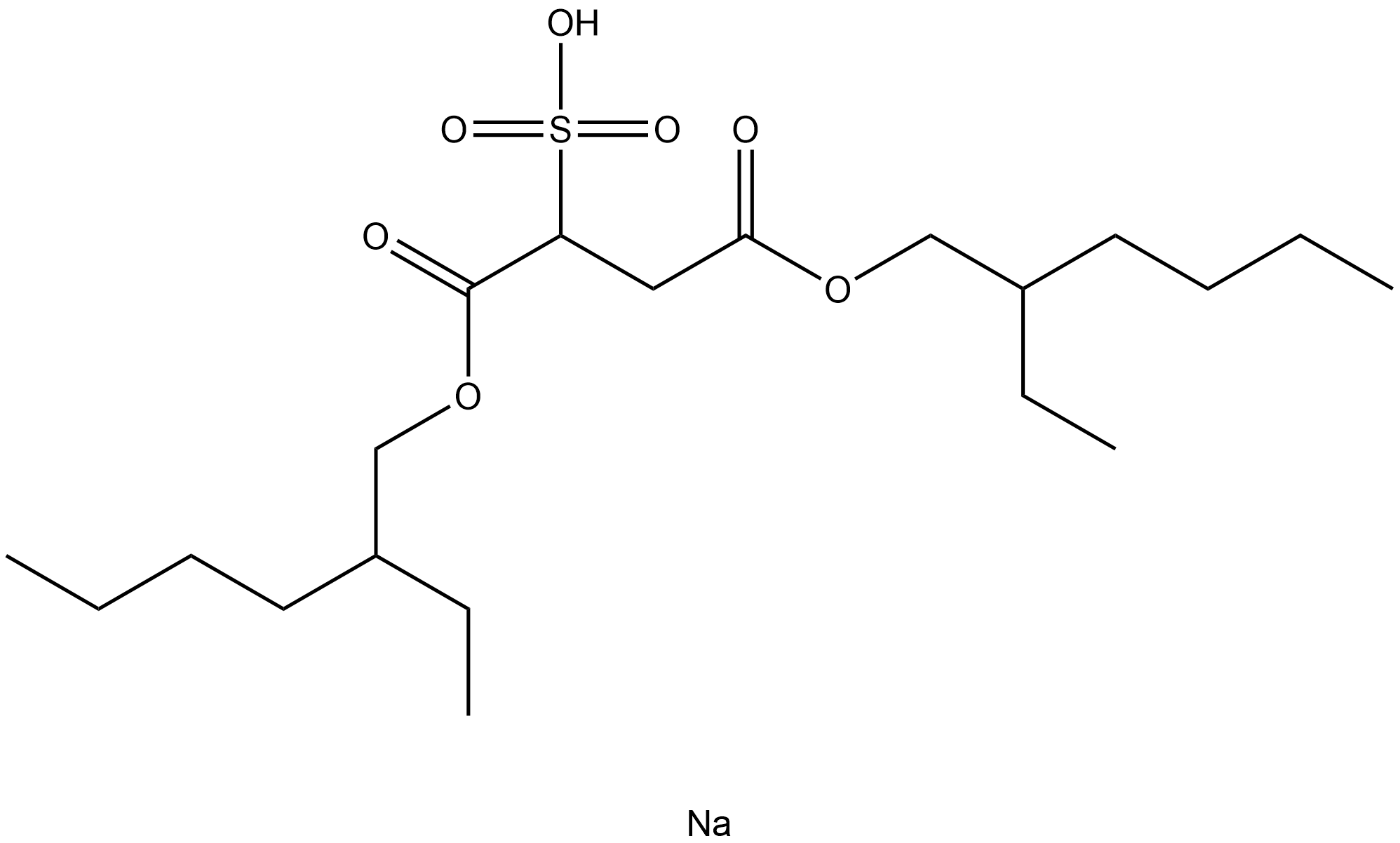 C8836 Docusate SodiumSummary: Docusate Sodium is an anionic surfactant that perturbs membrane permeability and is widely utilized as a formulation excipient in pharmaceutical and biochemical research.