


Microbiology & Virology

Furthermore, small molecules enable selective modulation of the microbiome, balancing interactions between beneficial and pathogenic microorganisms. Coupled with advances in high-throughput screening technologies, they continue to overcome limitations related to target specificity and drug resistance, thereby serving as a crucial bridge between basic research and clinical anti-infective practice. Collectively, small-molecule compounds offer diversified solutions to global public health challenges.
-
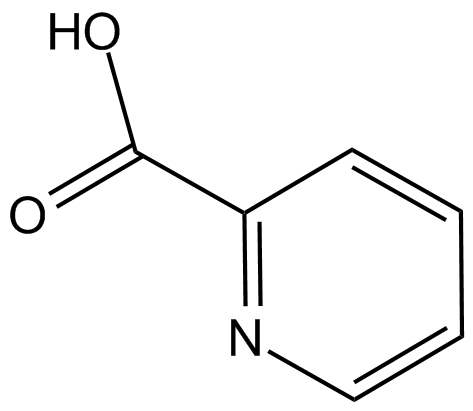 C6120 2-Picolinic acidSummary: An active molecule with antiviral activity and the ability to modulate immune responses.
 -
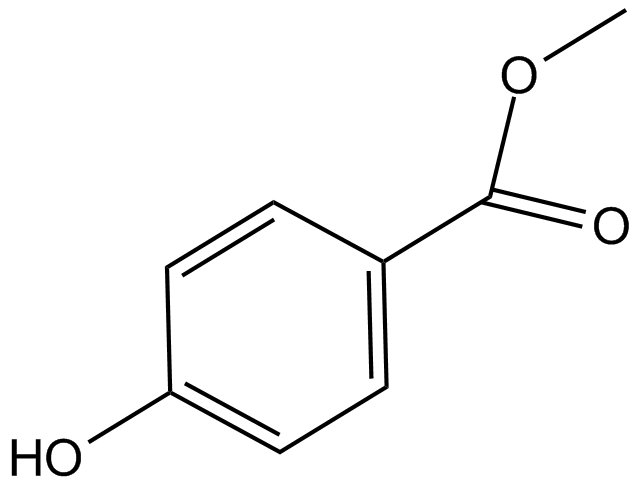 C6124 MethylparabenSummary: Commonly used as a preservative, with immunomodulatory and sodium channel-blocking effects.
 -
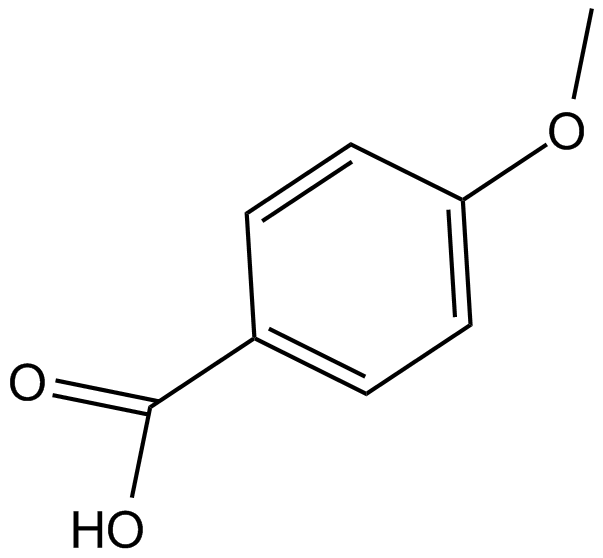 C6148 Anisic acidSummary: A cosmetic preservative with tyrosinase-inhibiting activity.
 -
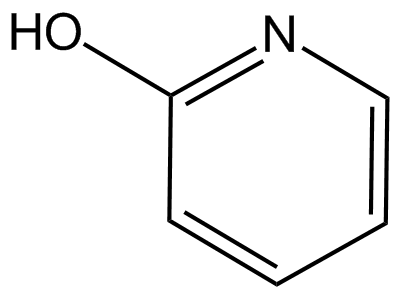 C6156 2-HydroxypyridineSummary: An endogenous pyridine metabolite exhibiting keto–enol tautomerism.
 -
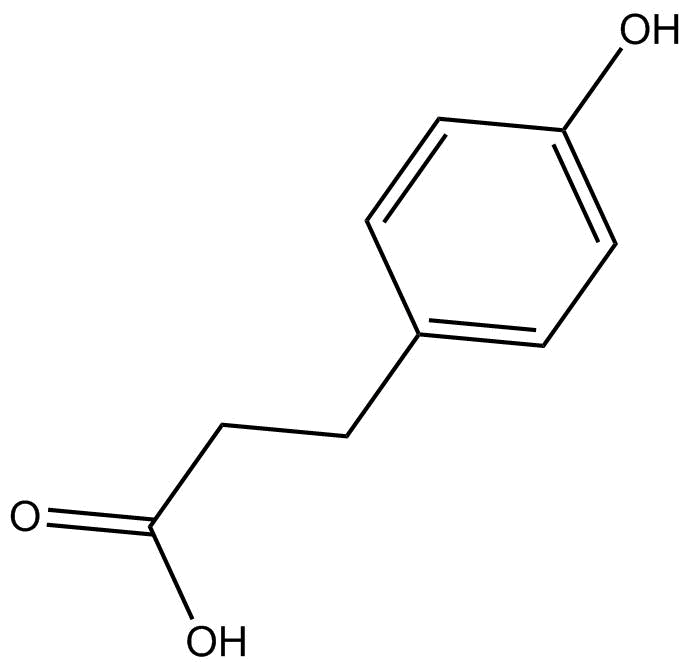 C6173 3-(4-Hydroxyphenyl)propionic acidSummary: A metabolite that can enhance type I interferon signaling and block influenza virus.
 -
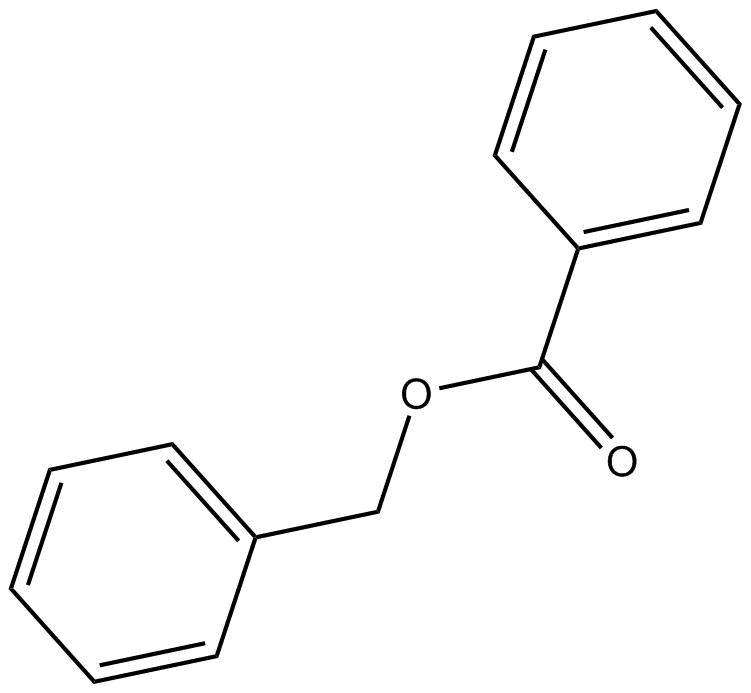 C6180 Benzyl benzoateSummary: A medication used to treat scabies, kill mites, and prevent and control lice.
 -
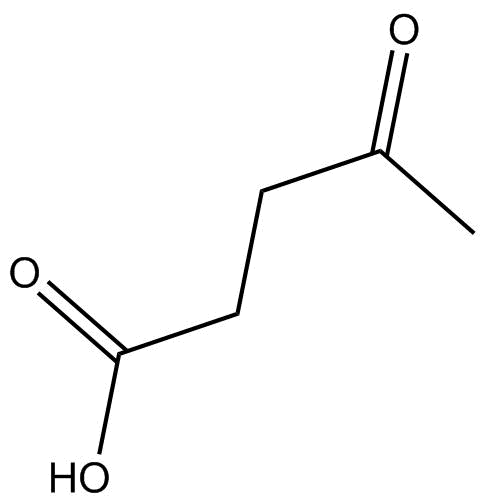 C6215 Levulinic acidSummary: A precursor compound that can be used for the synthesis of biofuels and biopolymers.
 -
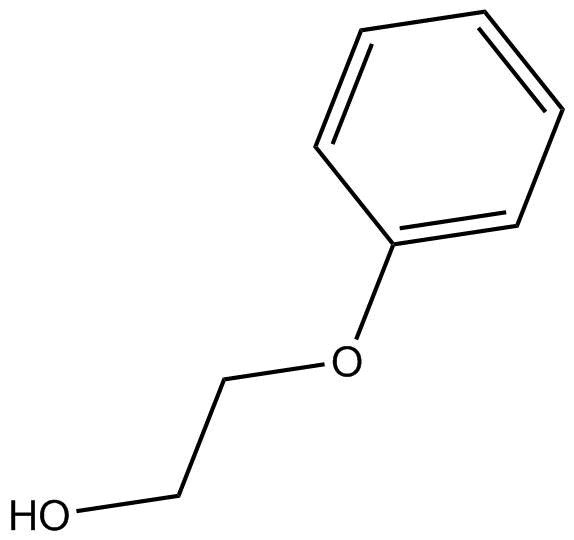 C6220 2-PhenoxyethanolSummary: Broad-spectrum antibacterial preservative, commonly used in cosmetics, pharmaceuticals, and vaccines.
 -
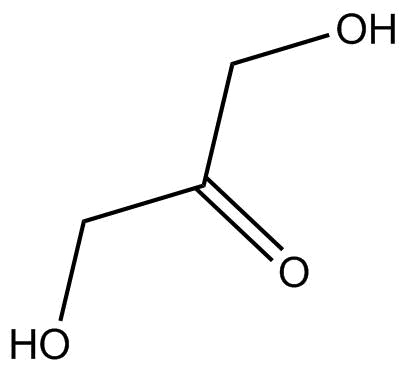 C6228 1,3-DihydroxyacetoneSummary: A precursor compound used for tanning products, blood preservation, and the synthesis of fine chemicals.
 -
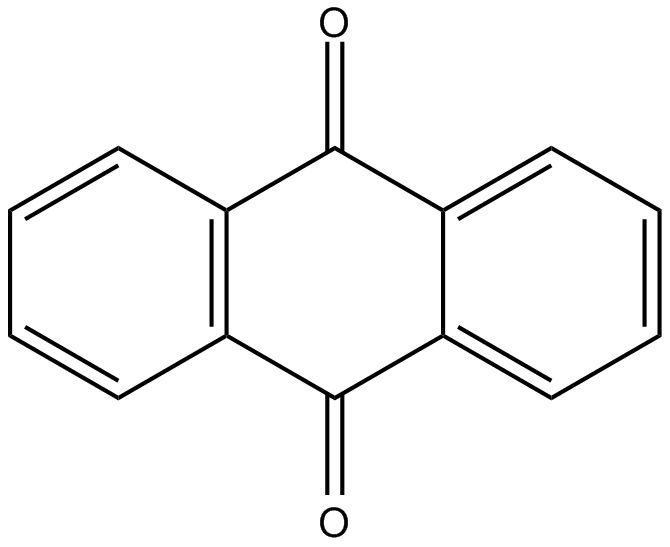 C6235 AnthraquinoneSummary: Intercalates into DNA and inhibits topoisomerase II, inducing apoptosis.