


Microbiology & Virology
Furthermore, small molecules enable selective modulation of the microbiome, balancing interactions between beneficial and pathogenic microorganisms. Coupled with advances in high-throughput screening technologies, they continue to overcome limitations related to target specificity and drug resistance, thereby serving as a crucial bridge between basic research and clinical anti-infective practice. Collectively, small-molecule compounds offer diversified solutions to global public health challenges.
-
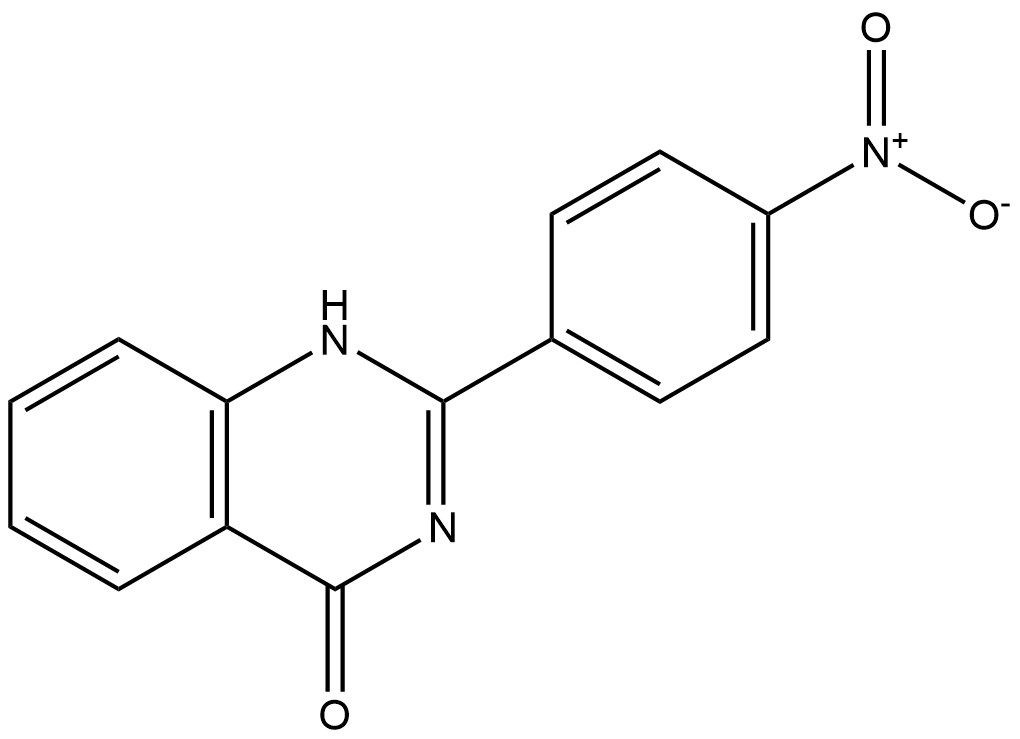 BA4395 TNKS-2-IN-1Summary: TNKS-2-IN-1 is an inhibitor.
 -
 BA4447 GlabroneSummary: Glabrone is an isoflavone isolated from licorice root.
 -
BA6455 HirsutenoneSummary: Hirsutenone, an active diheptanone contained in alder, has a variety of biological activities including anti-inflammatory, anti-tumor and anti-atopic dermatitis.
-
 C5536 Arachidonoyl thio-PCSummary: A small-molecule substrate for quantitative analysis of phospholipase A2 activity.
 -
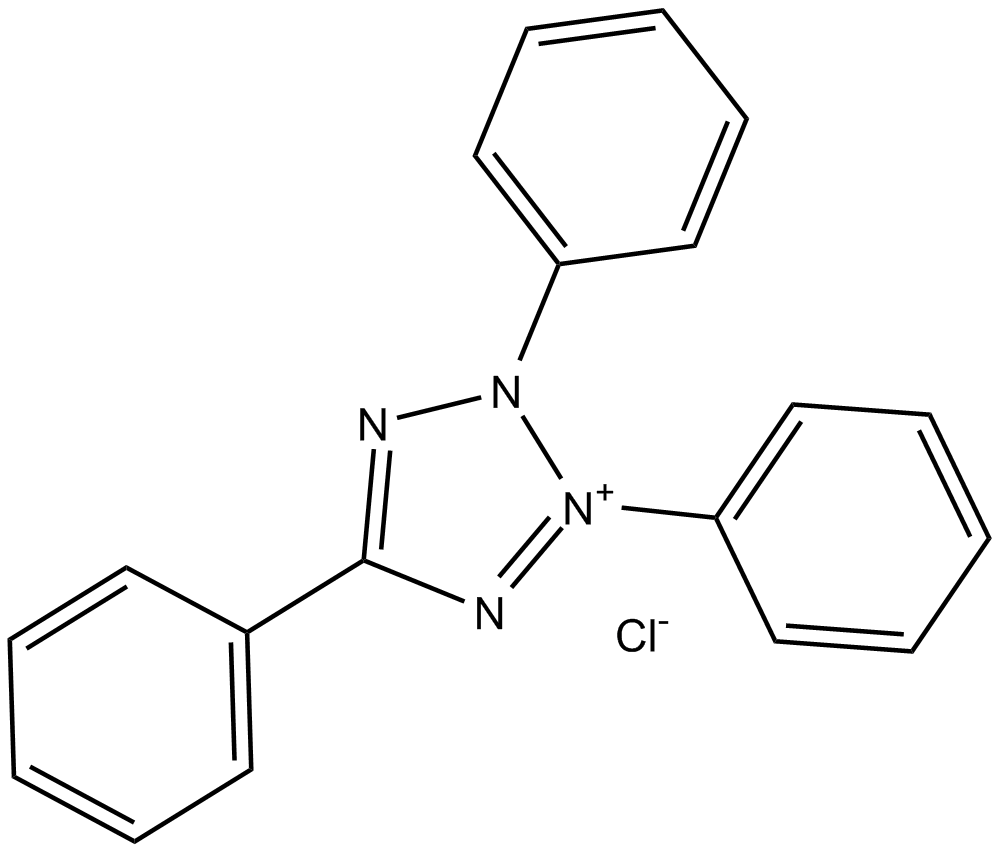 C5688 Tetrazolium (chloride)Summary: A dye used to detect tissue ischemic necrosis and dehydrogenase activity.
 -
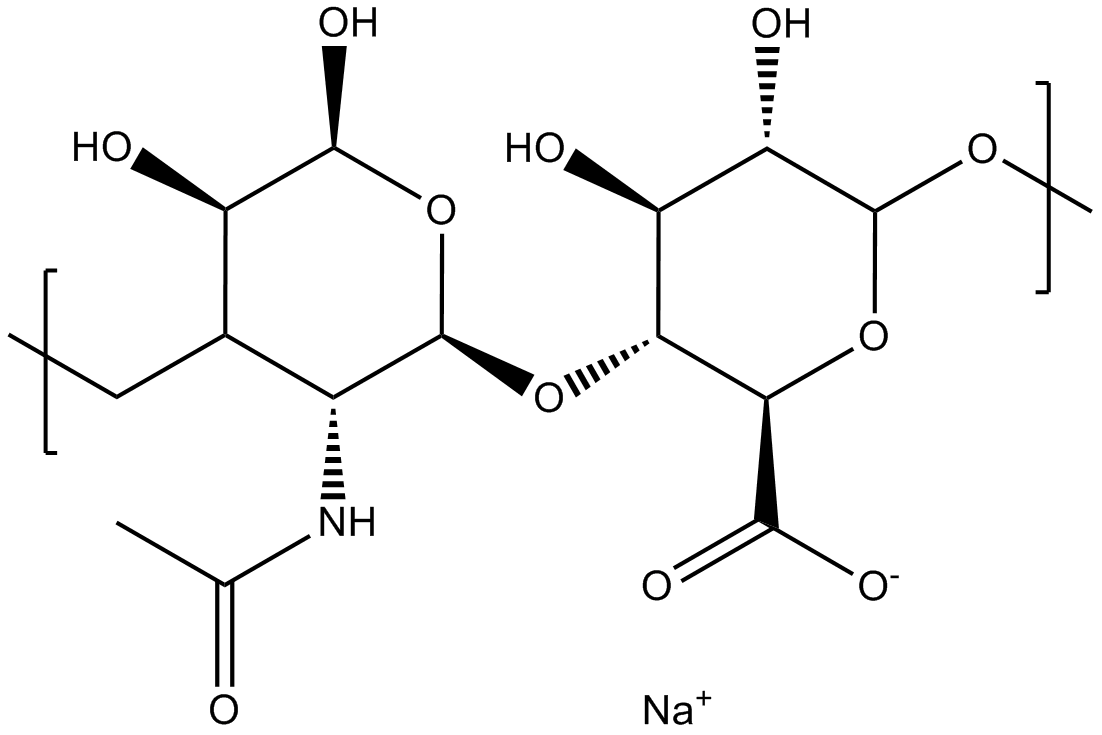 B8382 Hyaluronic acid sodium saltSummary: A biopolymer used for joint lubrication and shock absorption.
 -
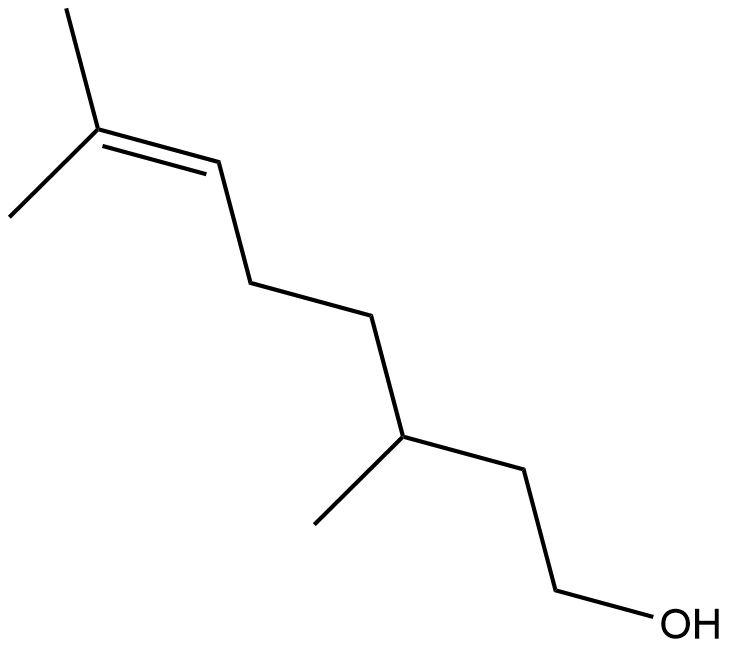 BA6197 CitronellolSummary: A monoterpene compound isolated from rose geranium
 -
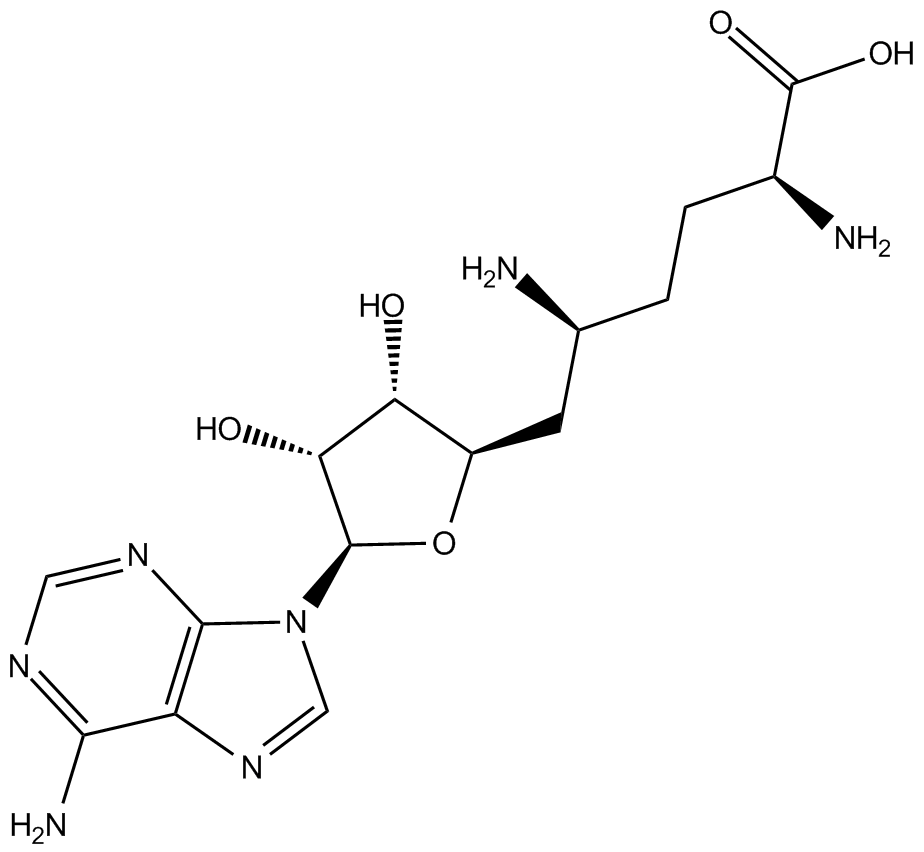 C3107 SinefunginSummary: A methyltransferase inhibitor that can effectively inhibit viral replication and improve renal fibrosis.
 -
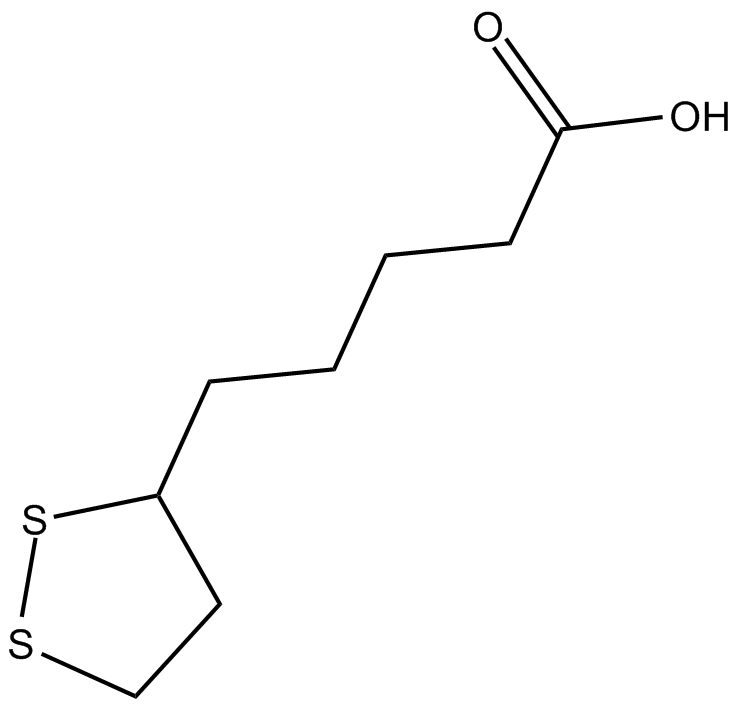 C3789 DL-α-Lipoic AcidSummary: An endogenous coenzyme with antioxidant, metal-chelating, and insulin signaling regulatory functions.
 -
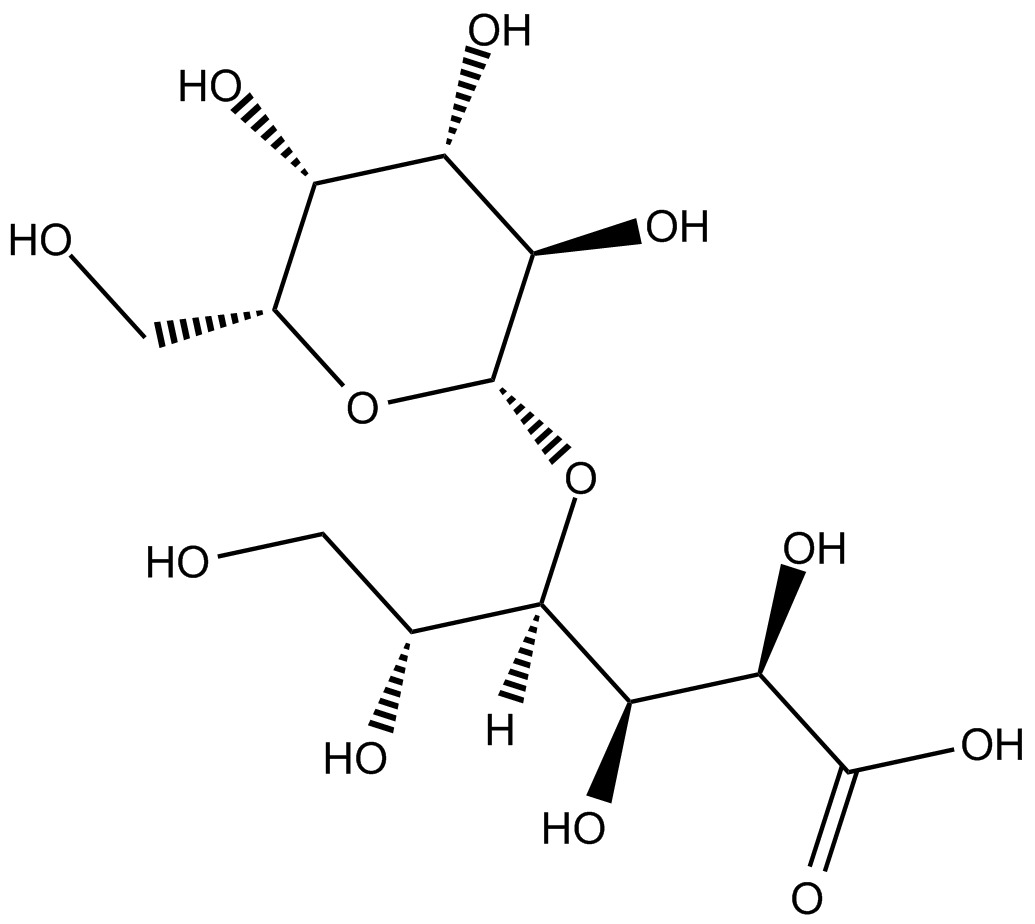 C5861 Lactobionic AcidSummary: A natural small molecule for moisturizing, drug delivery, and metal chelation.