


Microbiology & Virology

Furthermore, small molecules enable selective modulation of the microbiome, balancing interactions between beneficial and pathogenic microorganisms. Coupled with advances in high-throughput screening technologies, they continue to overcome limitations related to target specificity and drug resistance, thereby serving as a crucial bridge between basic research and clinical anti-infective practice. Collectively, small-molecule compounds offer diversified solutions to global public health challenges.
-
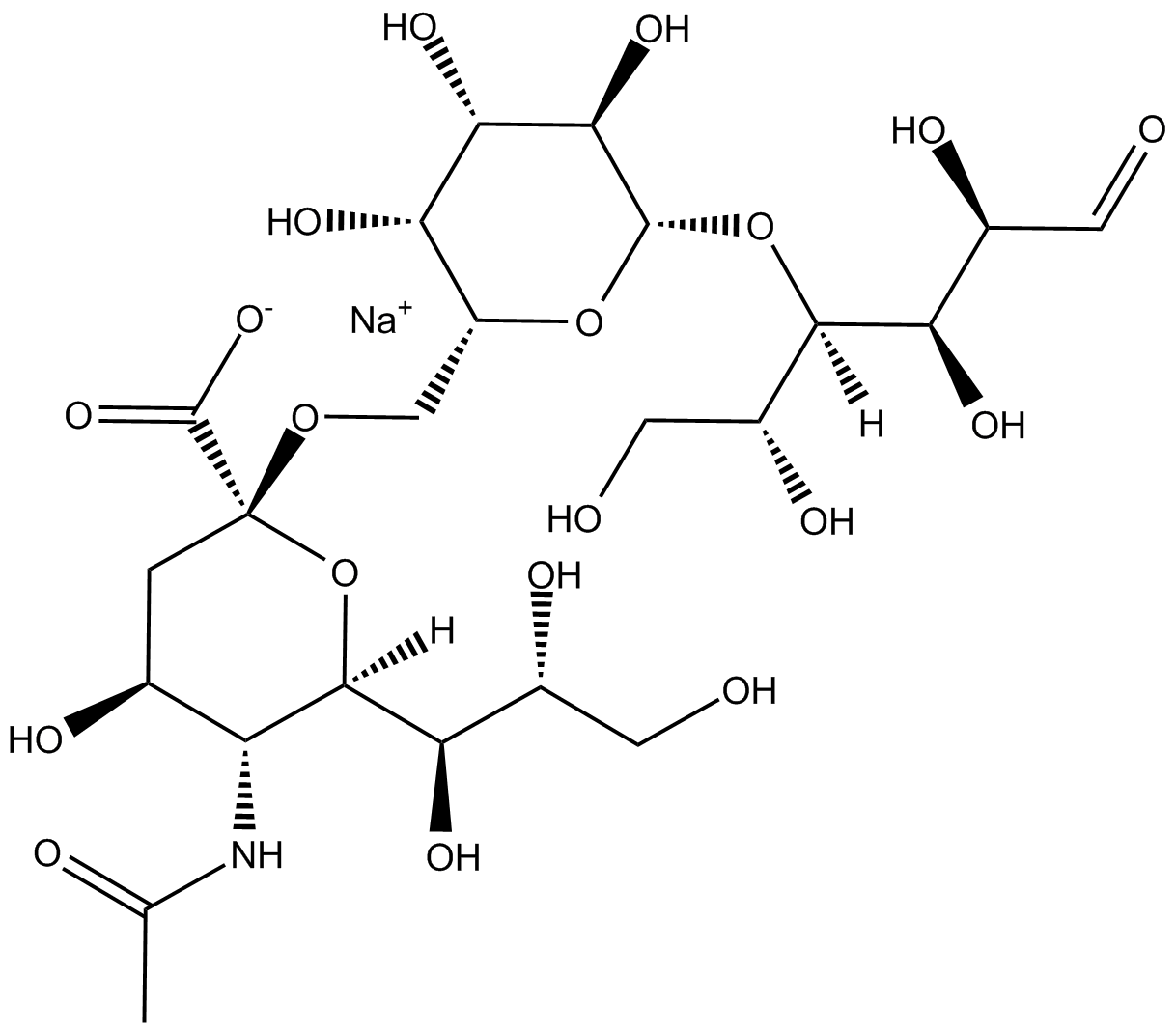 C5087 6'-Sialyllactose (sodium salt)Summary: Able to inhibit the internalization of Pseudomonas aeruginosa into lung cells.
 -
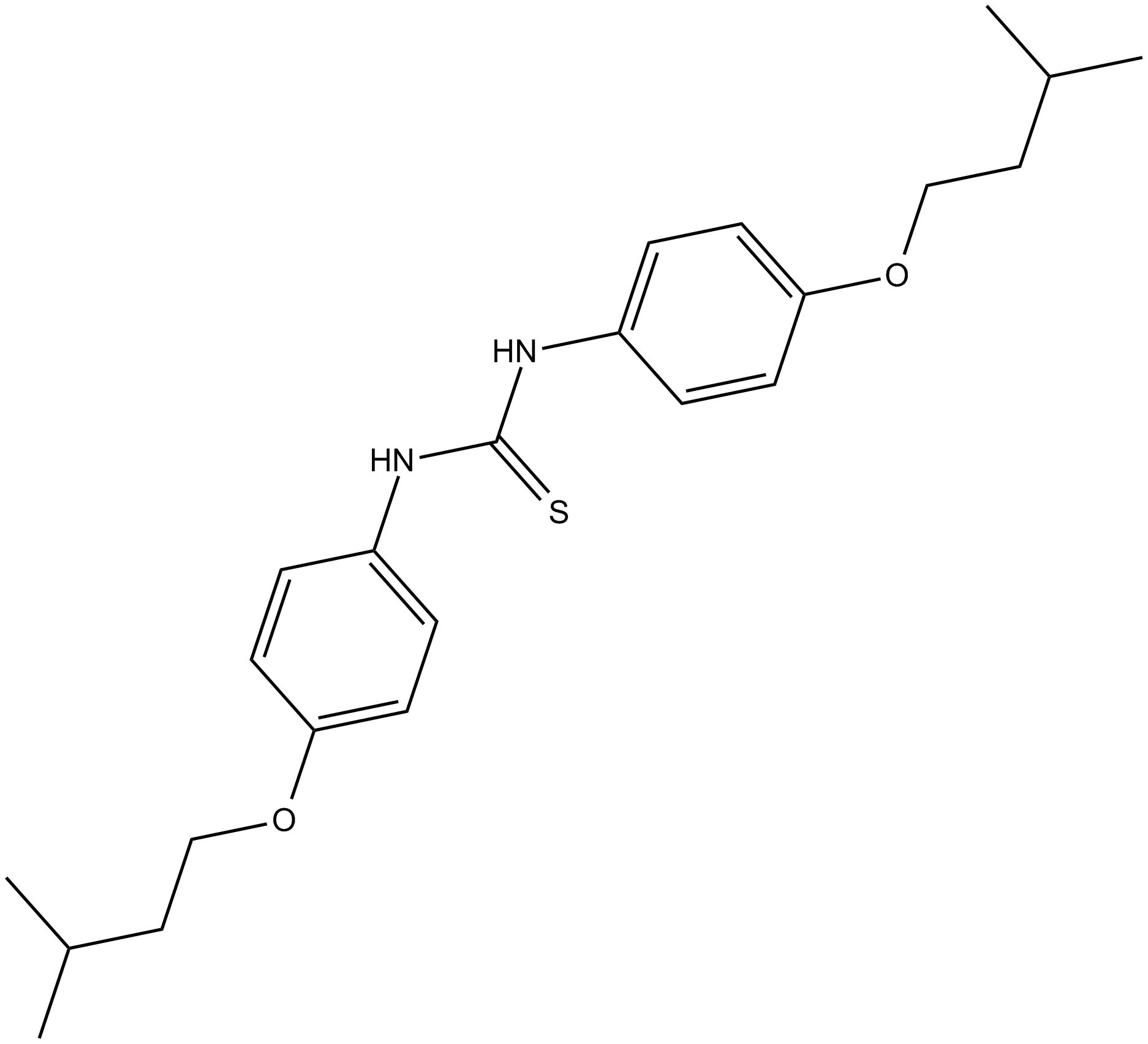 C5168 ThiocarlideSummary: An antibacterial agent with inhibitory activity against multiple Mycobacterium species, for related research use.
 -
 BA3871 BRD7586Summary: BRD7586 is a small molecule inhibitor of cell permeability.
 -
BA3872 BRD0539Summary: BRD0539 is a cell-permeable, non-toxic inhibitor.
-
BA3982 116-9eSummary: 116-9e (MAL2-11B) is a co-chaperone inhibitor.
-
BA3984 PyrazofurinSummary: Pyrazofurin is a pyrimidine nucleoside analog with antitumor activity that inhibits cell proliferation and intracellular DNA synthesis through inhibition.
-
BA4050 MitonafideSummary: Mitonafide (NSC300288) is a cell growth inhibitor.
-
BA4118 FT895Summary: FT895 is a potent and selective inhibitor.
-
BA4280 N6,N6-DimethyladenosineSummary: N6,N6-Dimethyladenosine is a modified ribonucleoside.
-
BA4297 N-6-Methyl-2-deoxyadenosineSummary: N-6-Methyl-2-deoxyadenosine is an adenine nucleoside analog.