


Apoptosis
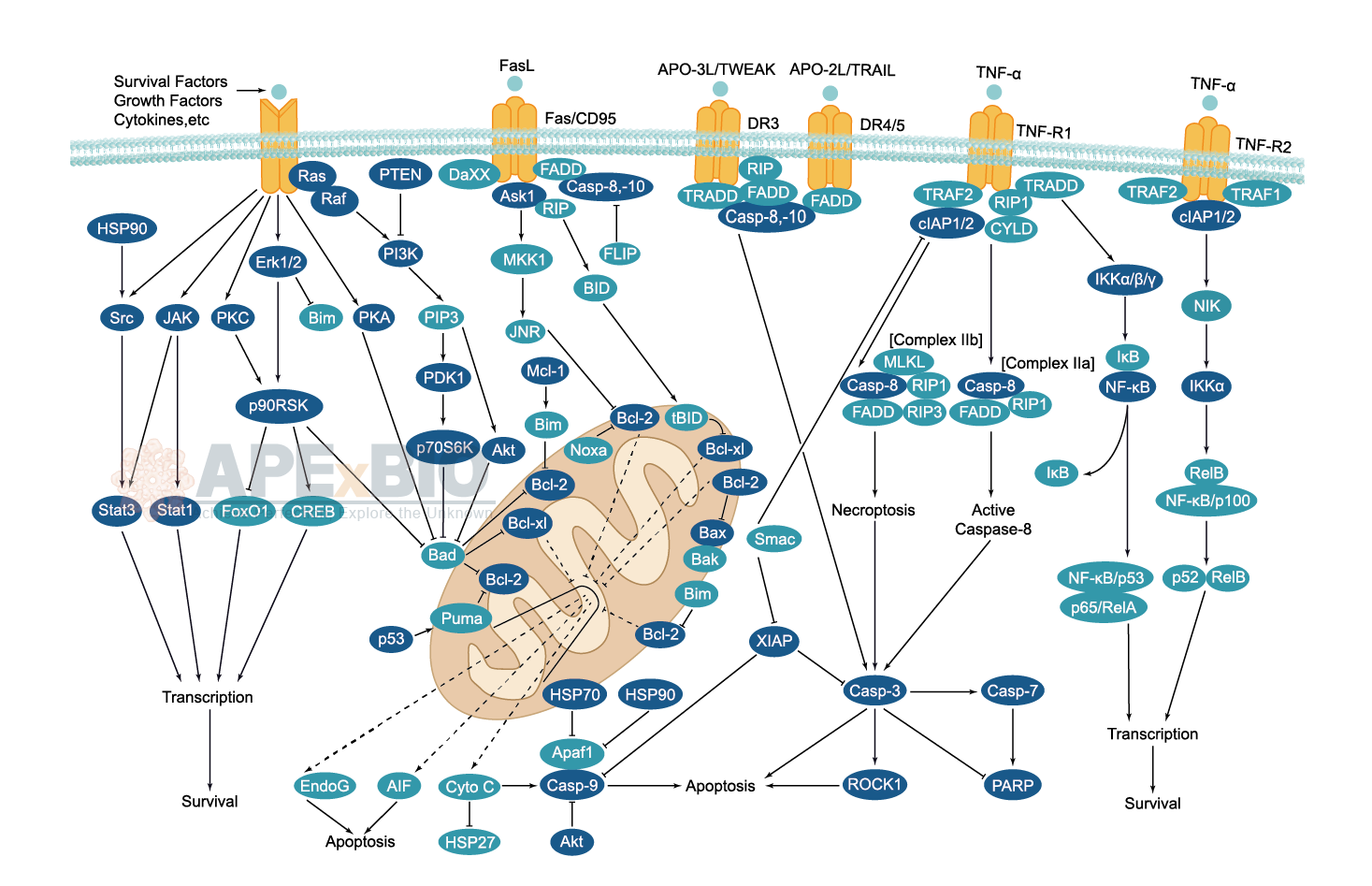
Apoptosis, also known as programmed cell death, is rigorously controlled process of cell death that leads to phagocytosis of unwanted cell. It is triggered after sufficient cellular damage and activated through extrinsic or intrinsic pathways. The intrinsic pathway is mainly occurs via release of cytochrome c from the mitochondria and regulates mitochondrial outer membrane permeabilization by Bcl-2 family proteins. The extrinsic pathway is induced by ligand binding to death receptor, such as Fas, TNFαR, DR3, DR4, and DR5. Caspases then cleave target proteins and nuclear lamins to promote DNA degradation, resulting apoptotic cells undergo phagocytosis. In addition, p53 has the ability to activate intrinsic and extrinsic pathways of apoptosis by inducing transcription of several proteins like Puma, Bid, Bax, TRAIL-R2, and CD95.
Some Inhibitors of apoptosis proteins (IAPs), such as XIAP/BIRC4 and Bruce/BIRC6, can block casapse activity through direct binding, while other IAPs, such as cIAP1/BIRC2, cIAP2/BIRC3, act as ubiquitin ligases that target caspases for ubiquitin-mediated degradation. Apoptosis is essential for growth, development and aging in multicellular organisms. Any alterations or abnormalities occurring in apoptotic processes contribute to development of human diseases, including cancer.
-
 BA2782 JX06Summary: JX06 is a potent, selective, covalent inhibitor.
 -
BA2783 BTdCPUSummary: BTdCPU is a heme-regulated inhibitory kinase activator that promotes phosphorylation and induces apoptosis in (Dex)-resistant cancer cells.
-
BA2784 FL118Summary: FL118 (10,11-(Methylenedioxy)-20(S)-camptothecin), a camptothecin (;HY-16560) analog, is an orally effective inhibitor.
-
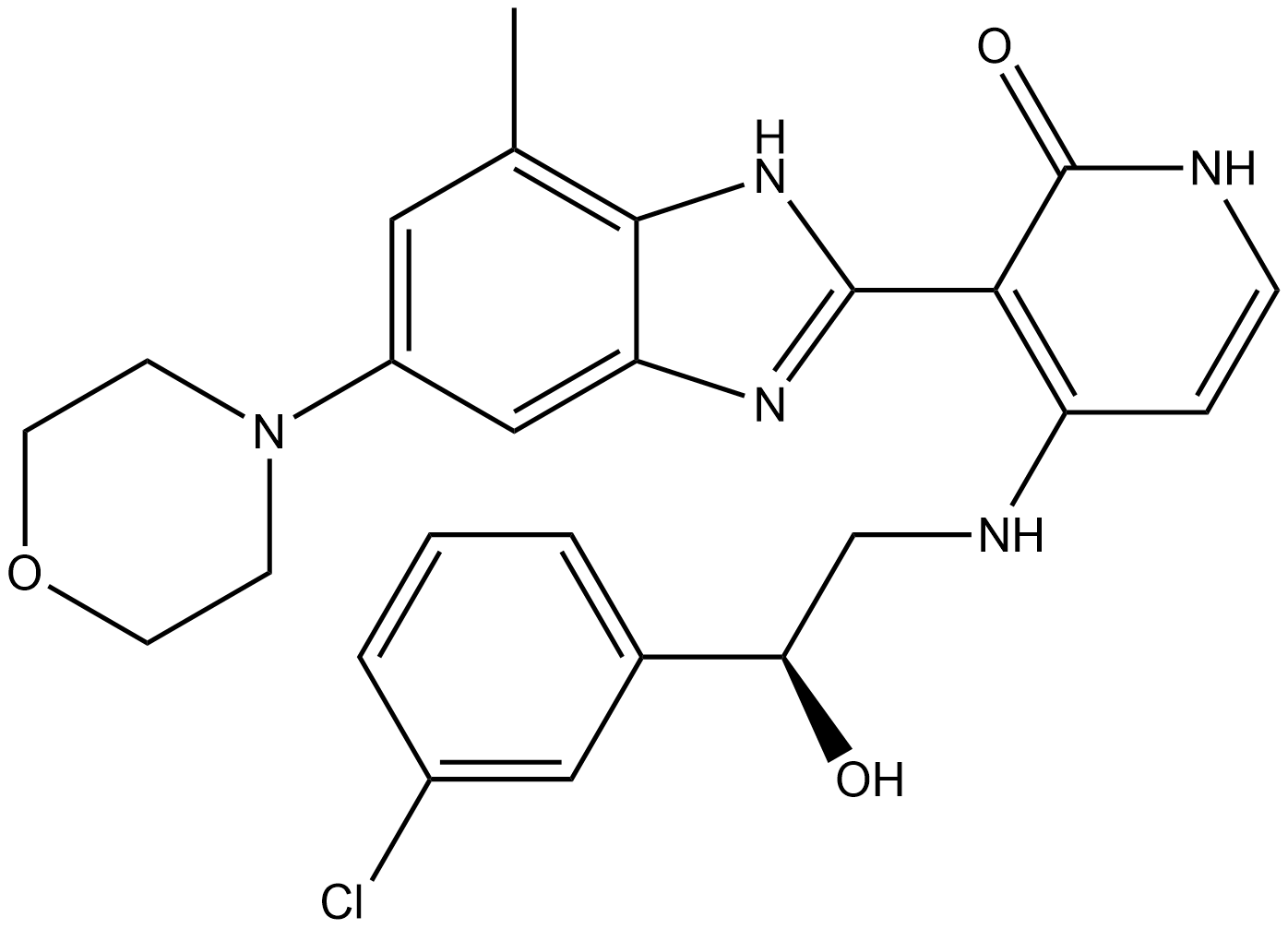 BA2785 BMS-536924Summary: BMS-536924 is an orally active, competitive and selective inhibitor of insulin-like growth factor receptor kinase and insulin receptor at 100nM and 73nM, respectively.
 -
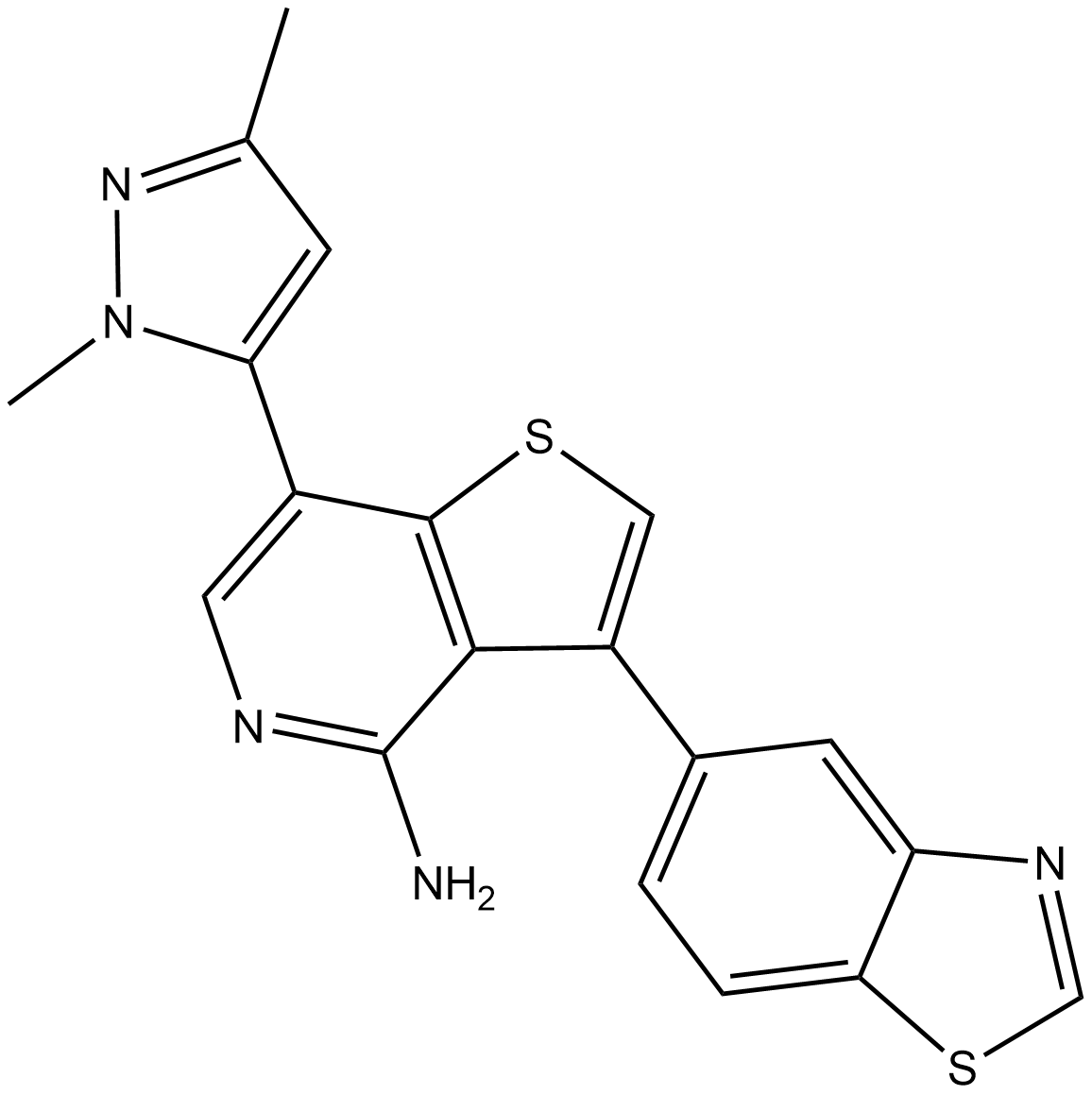 BA2786 GSK-843Summary: GSK-843 (GSK'843) is a receptor-interacting protein kinase 3 inhibitor.
 -
BA2787 AOH1160Summary: AOH1160 is a potent orally available small molecule inhibitor of proliferating cell nuclear antigen.
-
BA2788 LysophosphatidylcholinesSummary: Lysophosphatidylcholines are orally active lysophosphatidylcholines and a component of oxidized low-density lipoprotein (LDL).
-
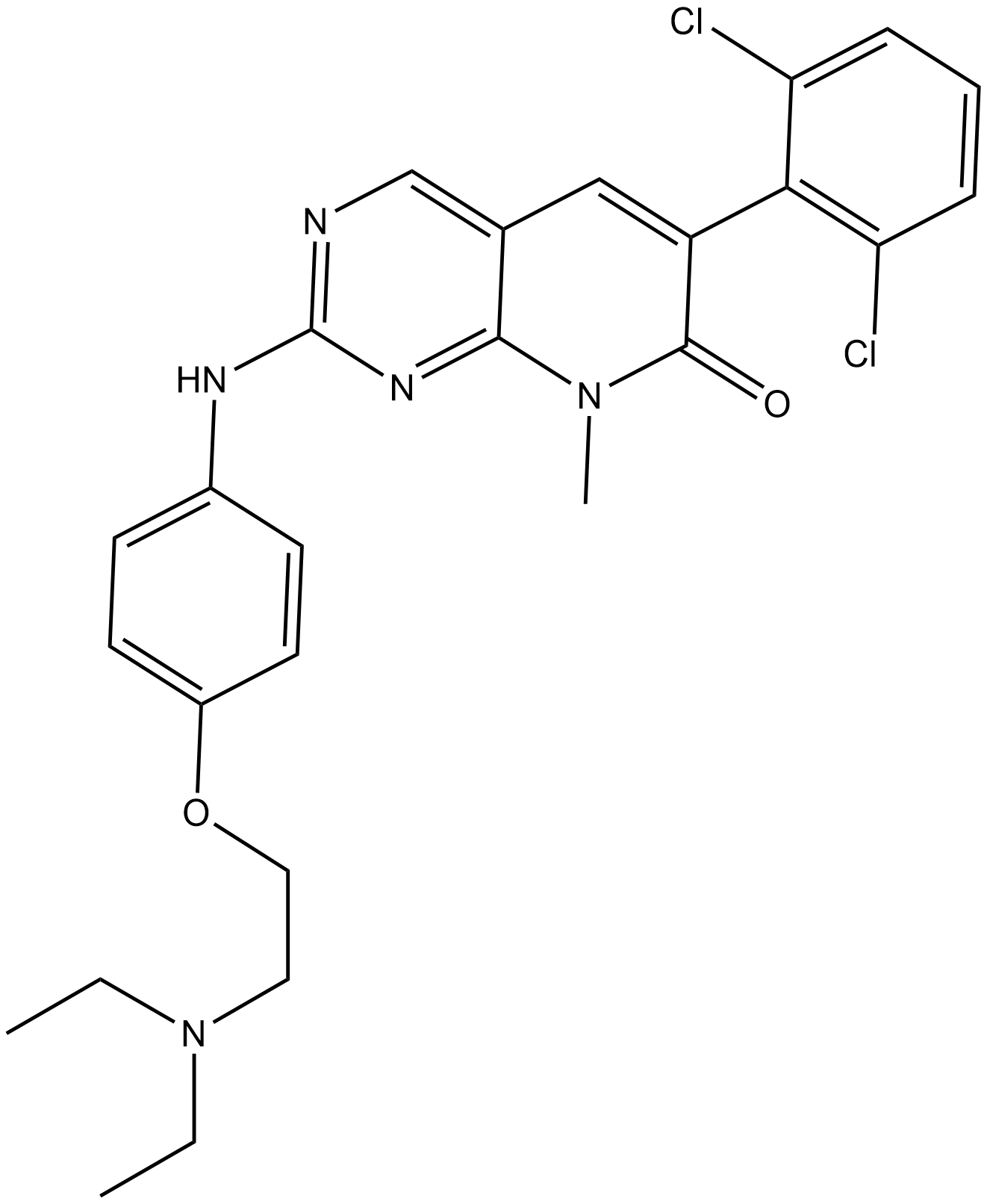 BA2789 PD0166285Summary: PD0166285 is a substrate for P-gp.
 -
BA2790 UZH1aSummary: UZH1a is a potent and selective inhibitor.
-
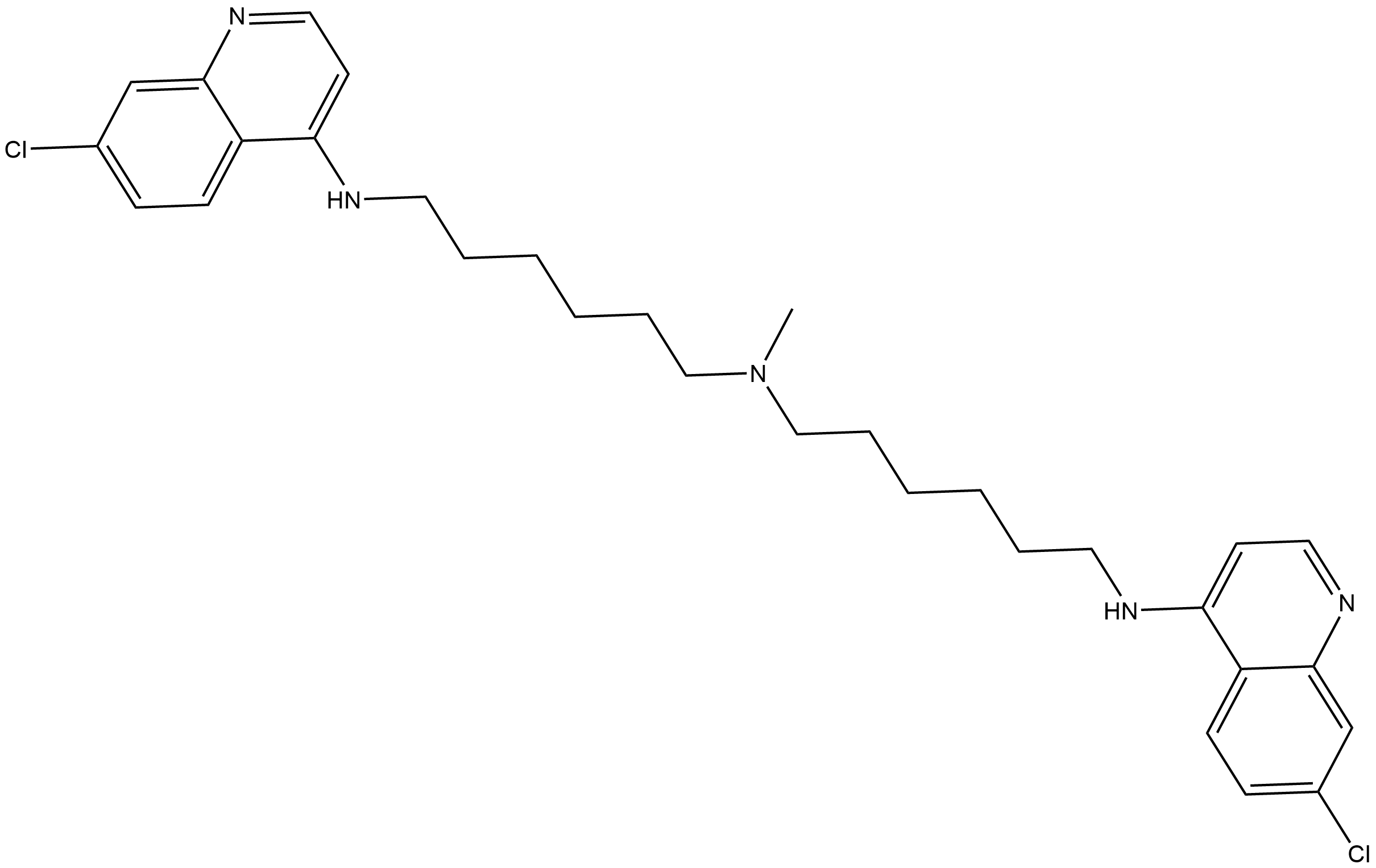 BA2791 DC661Summary: DC661 is a potent inhibitor of palmitoyl protein thioesterase 1, inhibits autophagy, and acts as an anti-lysosomal agent.