


Apoptosis
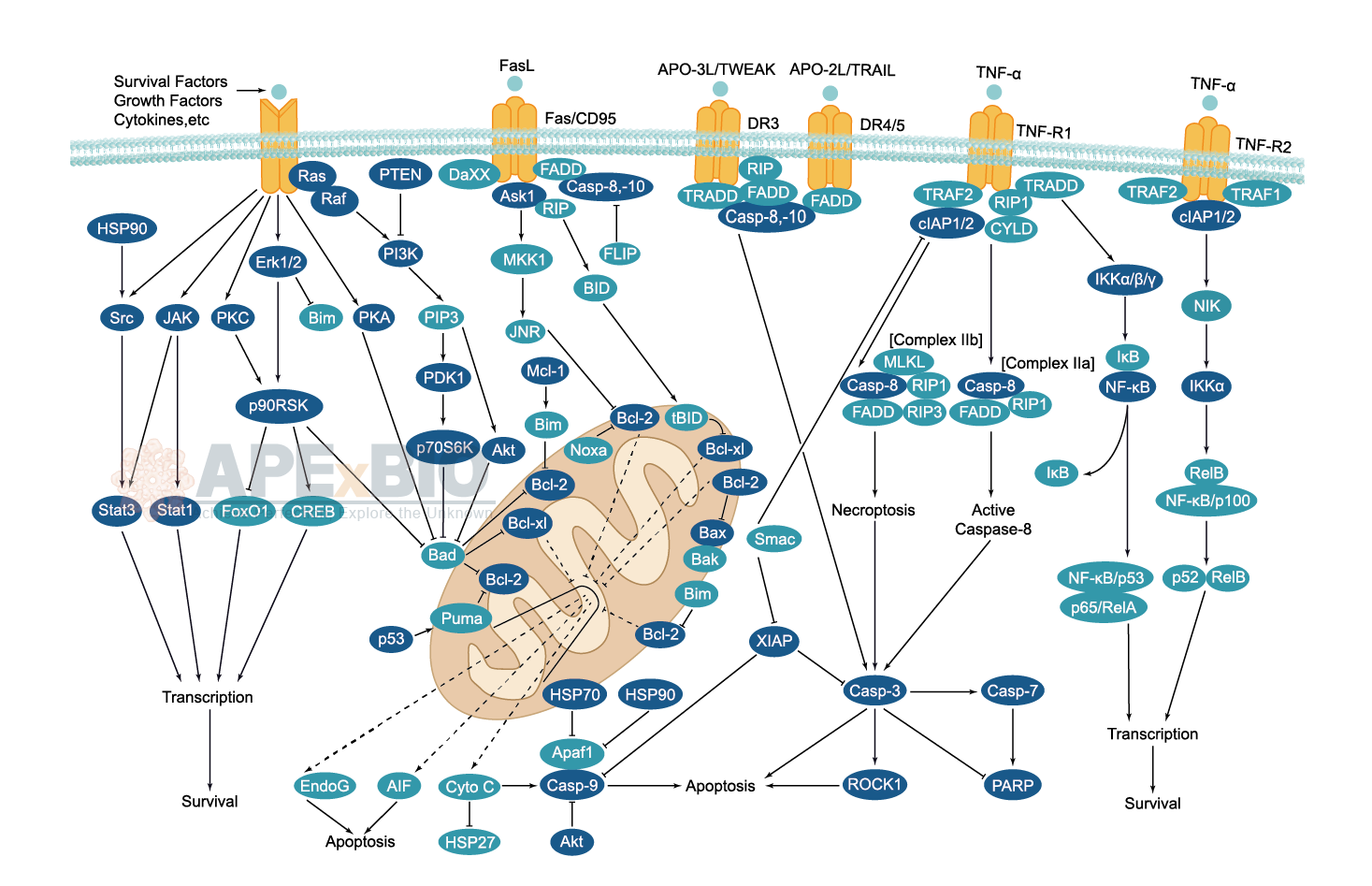
Apoptosis, also known as programmed cell death, is rigorously controlled process of cell death that leads to phagocytosis of unwanted cell. It is triggered after sufficient cellular damage and activated through extrinsic or intrinsic pathways. The intrinsic pathway is mainly occurs via release of cytochrome c from the mitochondria and regulates mitochondrial outer membrane permeabilization by Bcl-2 family proteins. The extrinsic pathway is induced by ligand binding to death receptor, such as Fas, TNFαR, DR3, DR4, and DR5. Caspases then cleave target proteins and nuclear lamins to promote DNA degradation, resulting apoptotic cells undergo phagocytosis. In addition, p53 has the ability to activate intrinsic and extrinsic pathways of apoptosis by inducing transcription of several proteins like Puma, Bid, Bax, TRAIL-R2, and CD95.
Some Inhibitors of apoptosis proteins (IAPs), such as XIAP/BIRC4 and Bruce/BIRC6, can block casapse activity through direct binding, while other IAPs, such as cIAP1/BIRC2, cIAP2/BIRC3, act as ubiquitin ligases that target caspases for ubiquitin-mediated degradation. Apoptosis is essential for growth, development and aging in multicellular organisms. Any alterations or abnormalities occurring in apoptotic processes contribute to development of human diseases, including cancer.
-
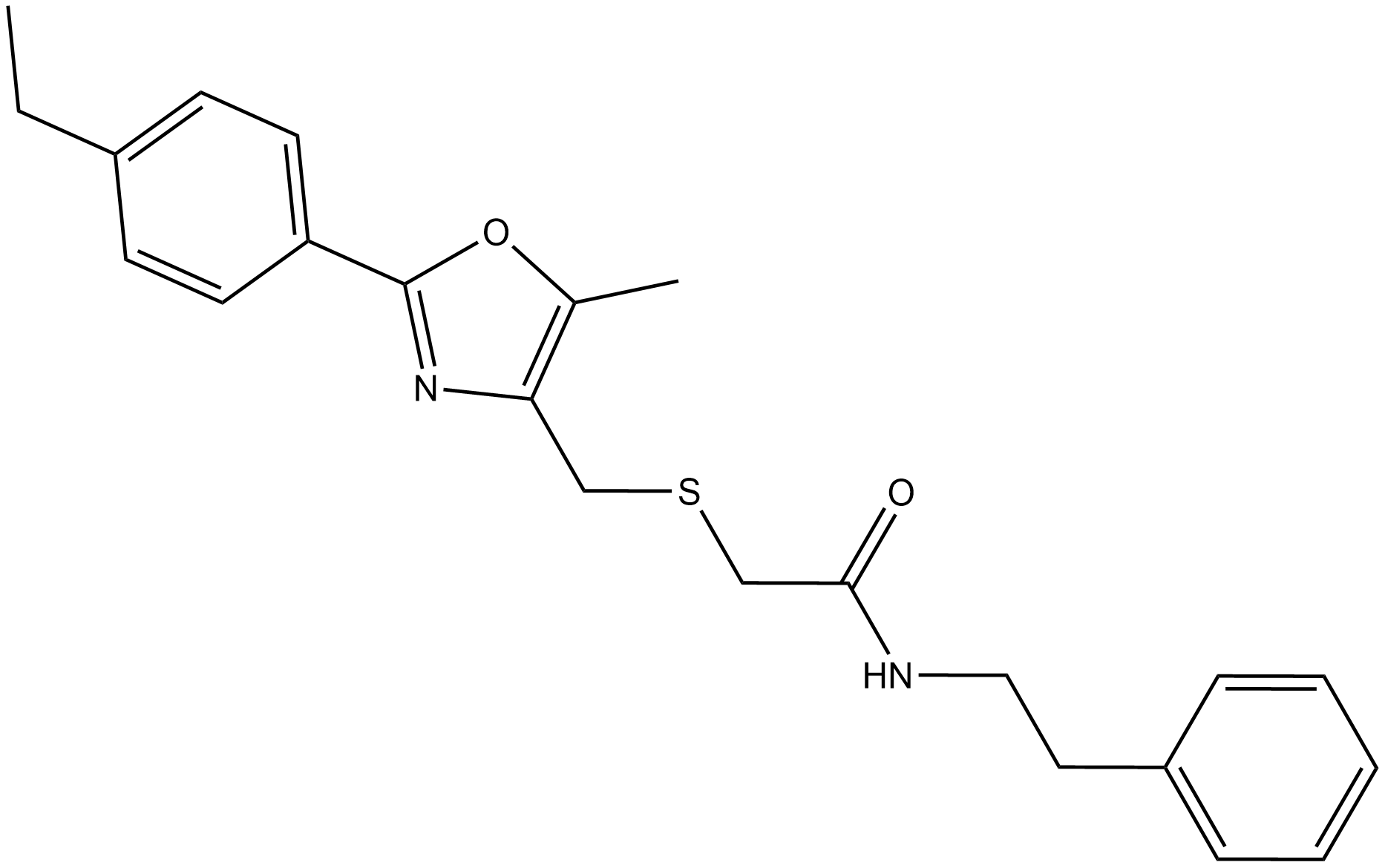 BA2760 iCRT3Summary: is an inhibitor of β-cyclin response transcription.
 -
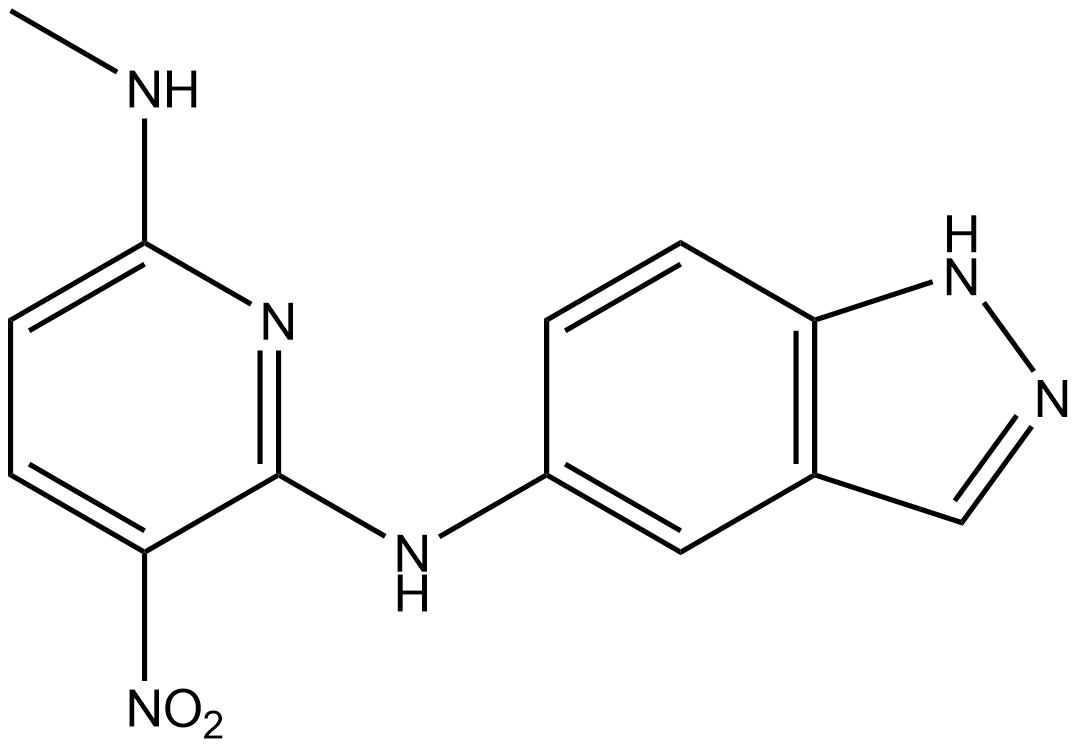 BA2761 KRIBB11Summary: KRIBB11 is an inhibitor.
 -
 BA2762 GinkgetinSummary: Ginkgetin is a biflavonoid isolated from Ginkgo biloba.
 -
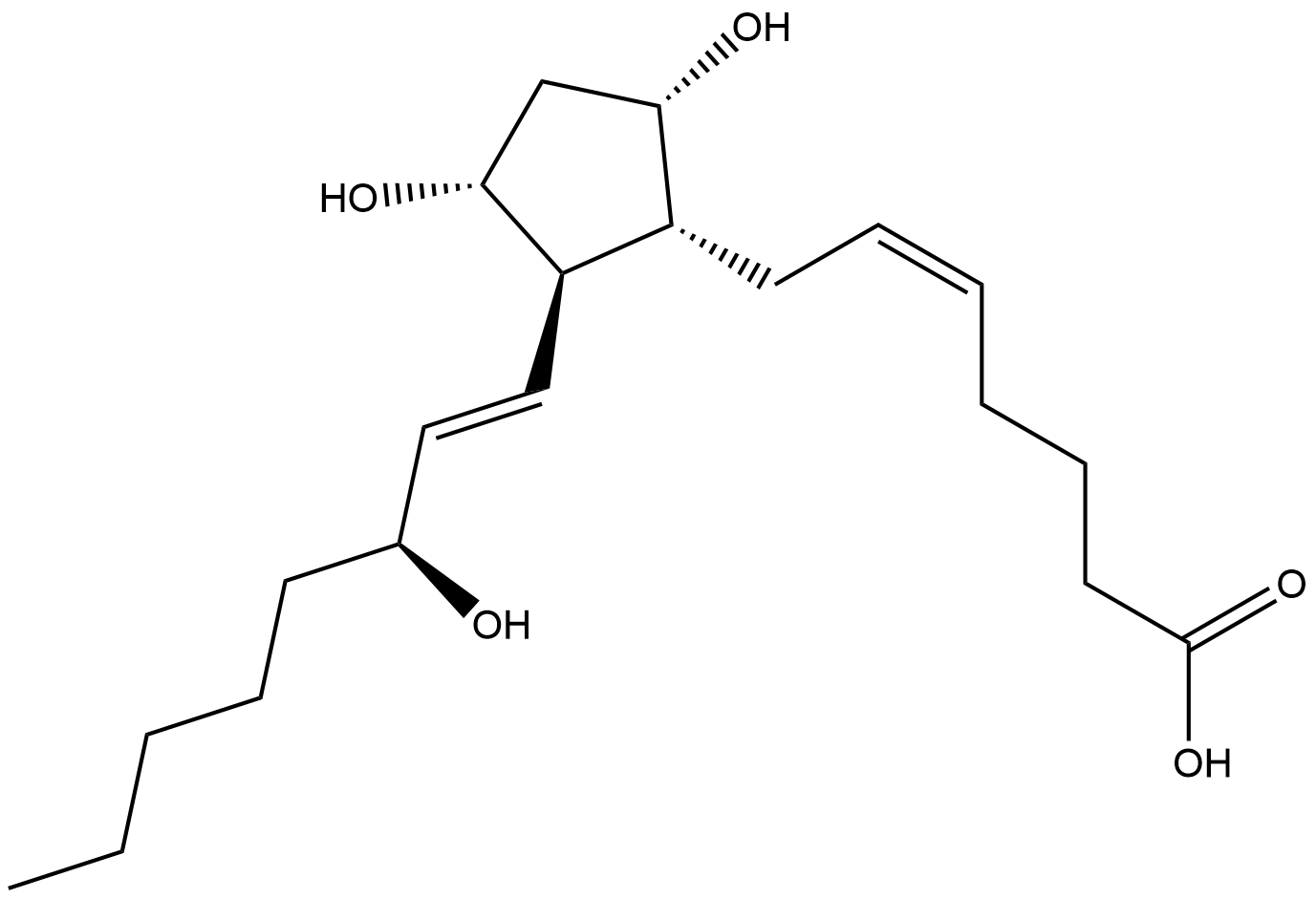 BA2763 DinoprostSummary: Dinoprost (ProstaglandinF2α) is an orally effective prostaglandin F (PGF) receptor agonist.
 -
BA2764 MGH-CP1Summary: MGH-CP1 is a potent and orally active and self-palmitoylation inhibitor at 710 nM and 672 nM, respectively.
-
BA2767 COG1410Summary: COG1410 is an apolipoprotein E-derived peptide and apoptosis inhibitor.
-
BA2768 Amiloride2 CitationSummary: Amiloride (MK-870) is an inhibitor of epithelial sodium channels and urokinase-type fibrinogen activator receptors.
-
BA2769 MS1943Summary: MS1943 is a first-of-its-kind, orally bioactive, selective degradant.
-
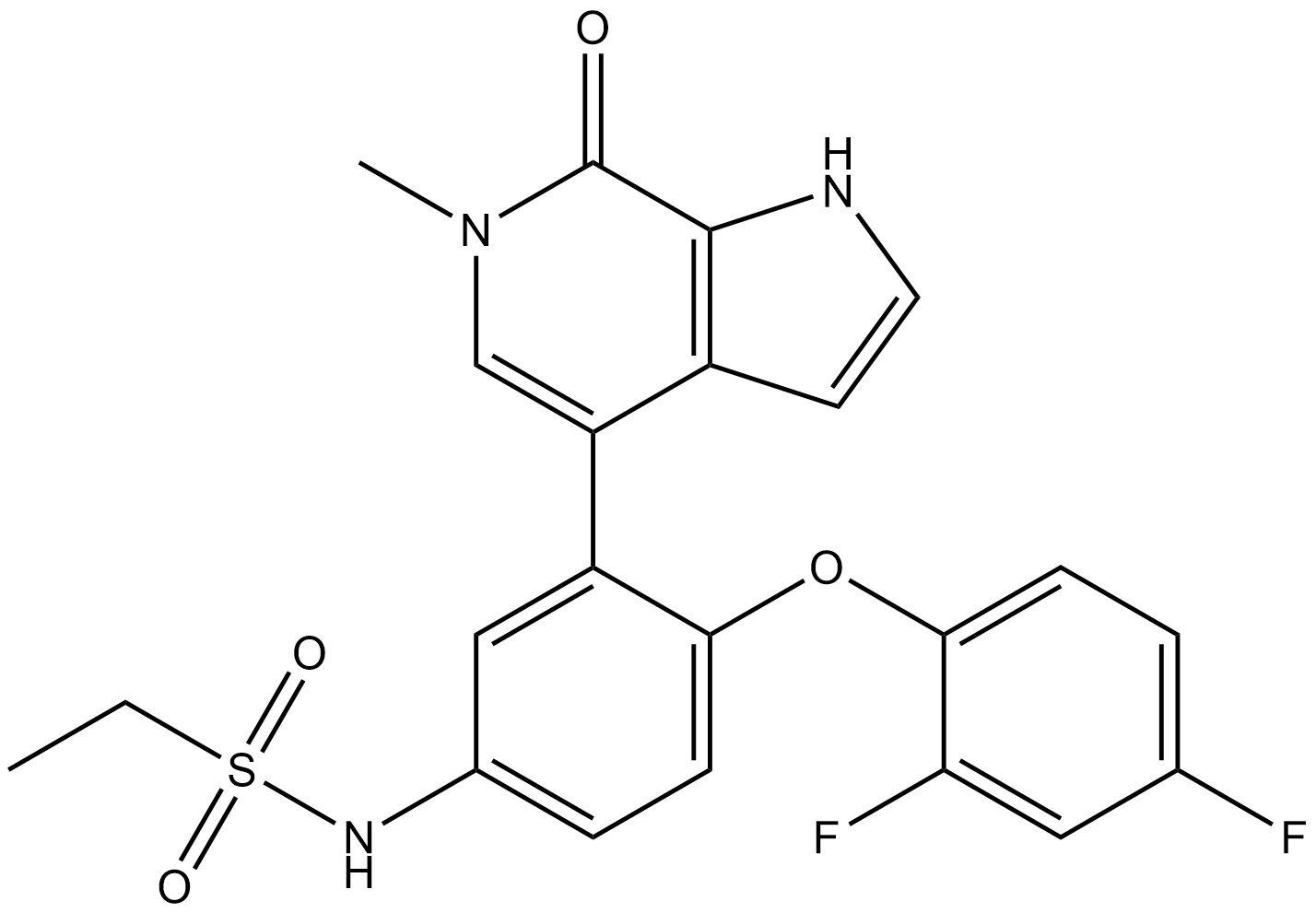 BA2770 MivebresibSummary: Mivebresib (ABBV-075) is an effective.
 -
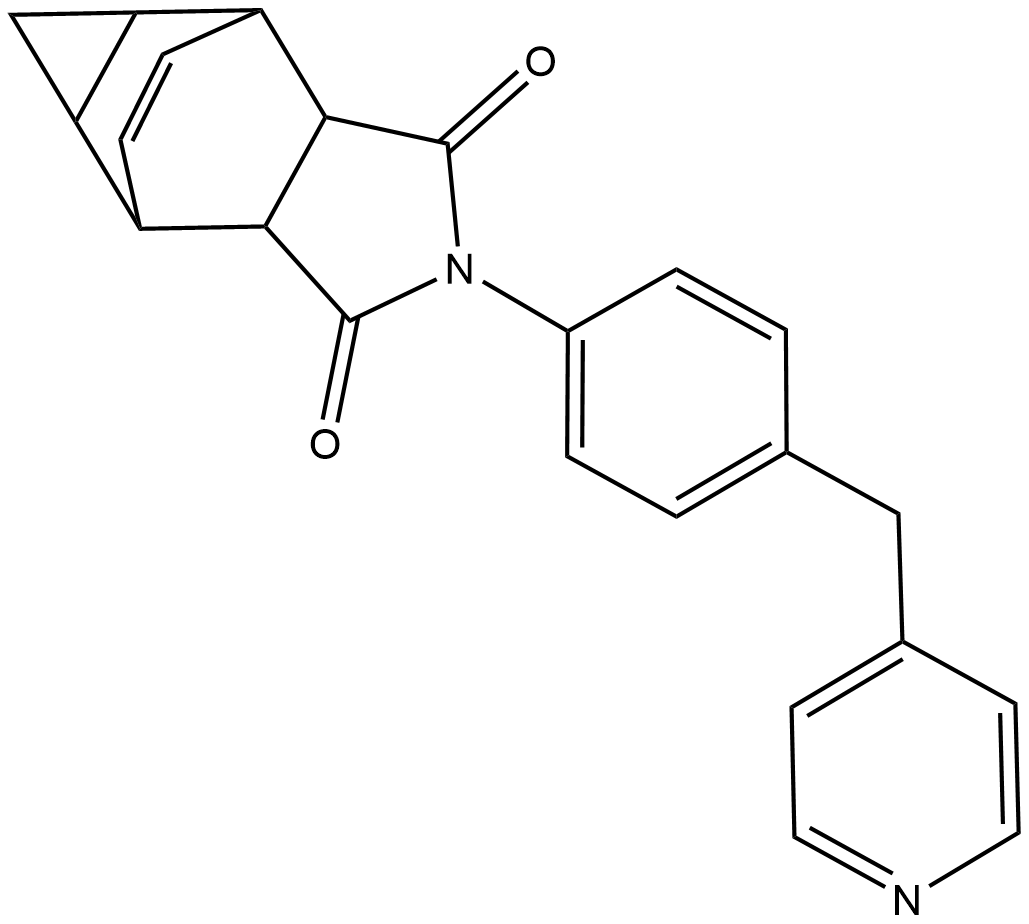 BA2771 DCZ0415Summary: DCZ0415 is a potent inhibitor that impairs non-homologous end-joining repair and inhibits activity.