


Disease induced
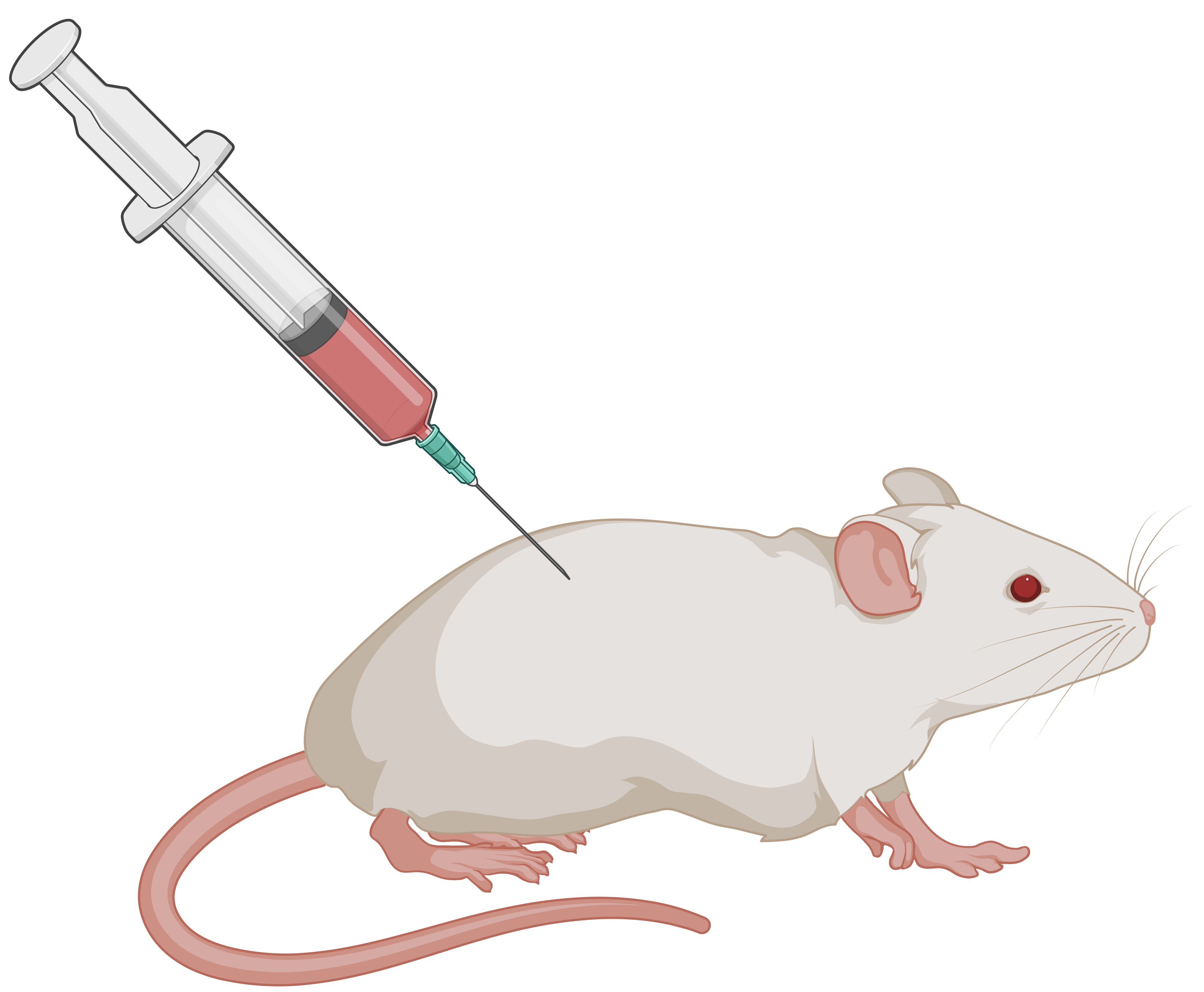
Disease-induced compounds are chemical agents used to simulate specific pathological conditions in experimental systems, such as cell cultures, organoids, or animal models.
Disease-induced compounds play a pivotal role in translational biomedical research, allowing researchers to reproduce key features of human diseases under controlled conditions, enabling the study of disease mechanisms and the testing of therapeutic interventions. For example, neurotoxins such as MPTP are widely used to model Parkinson’s disease by selectively damaging dopaminergic neurons, while streptozotocin and alloxan are used to induce diabetes through pancreatic β-cell destruction. Similarly, agents like carbon tetrachloride, bleomycin, and lipopolysaccharide are utilized to reproduce hepatic injury, pulmonary fibrosis, and systemic inflammation, respectively.
Through the application of disease-induced compounds, researchers can bridge the gap between basic molecular research and translational medicine. Their use facilitates the elucidation of disease mechanisms and supports the rational design and preclinical testing of novel therapeutic agents.
-
 BA9963 O-Phthalimide-C5-acidSummary: 6-N-Phthalimidoyhexanoicacid (compound FH) is a hemi-antigen that contains a carboxyl group at the end of the spacer arm, which is suitable for reacting with the free amine groups of proteins.
 -
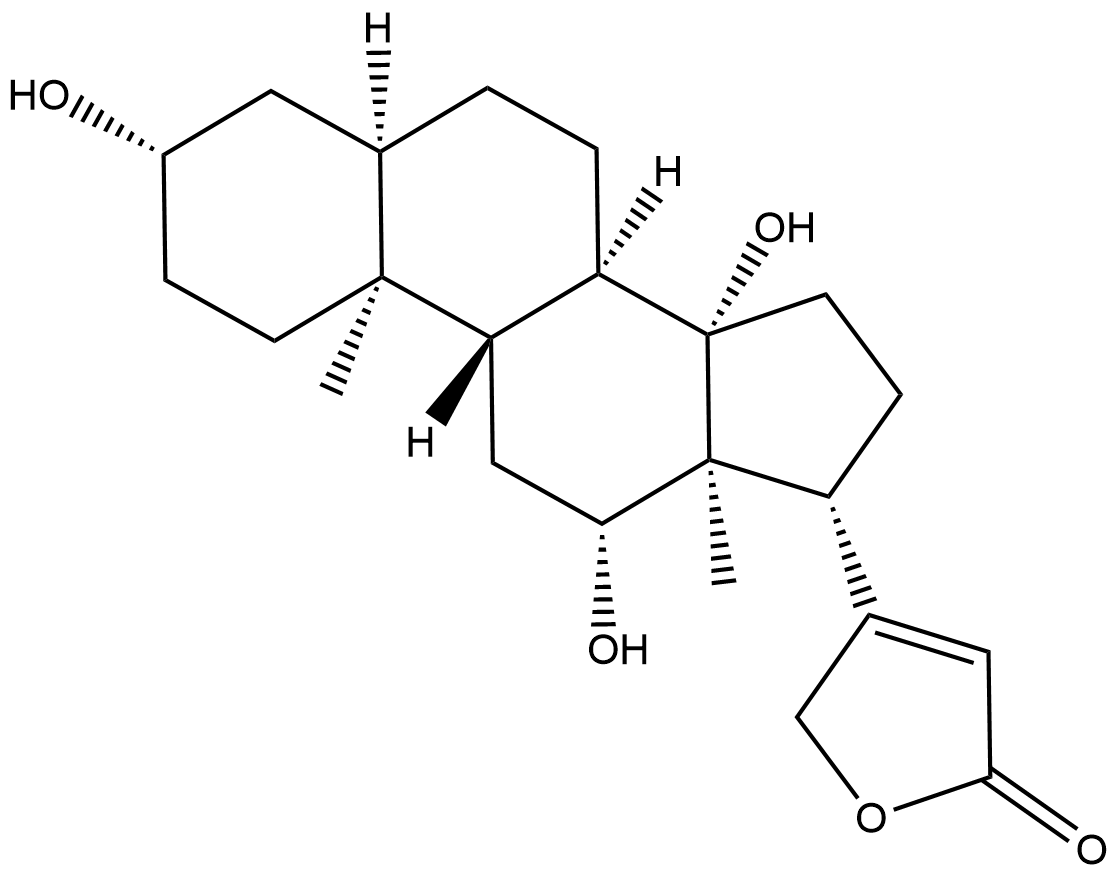 C8213 DigoxigeninSummary: A steroid and an active metabolite of digoxin that inhibits Na+/K+-ATPase and is used as a labeling molecule probe in situ hybridization owing to its long shelf life, fast detection, and high sensitivity.
 -
C8329 Fluorescein-6-isothiocyanateSummary: Fluorescein-6-isothiocyanate is a fluorescent isomeric semi-antigenic probe.
-
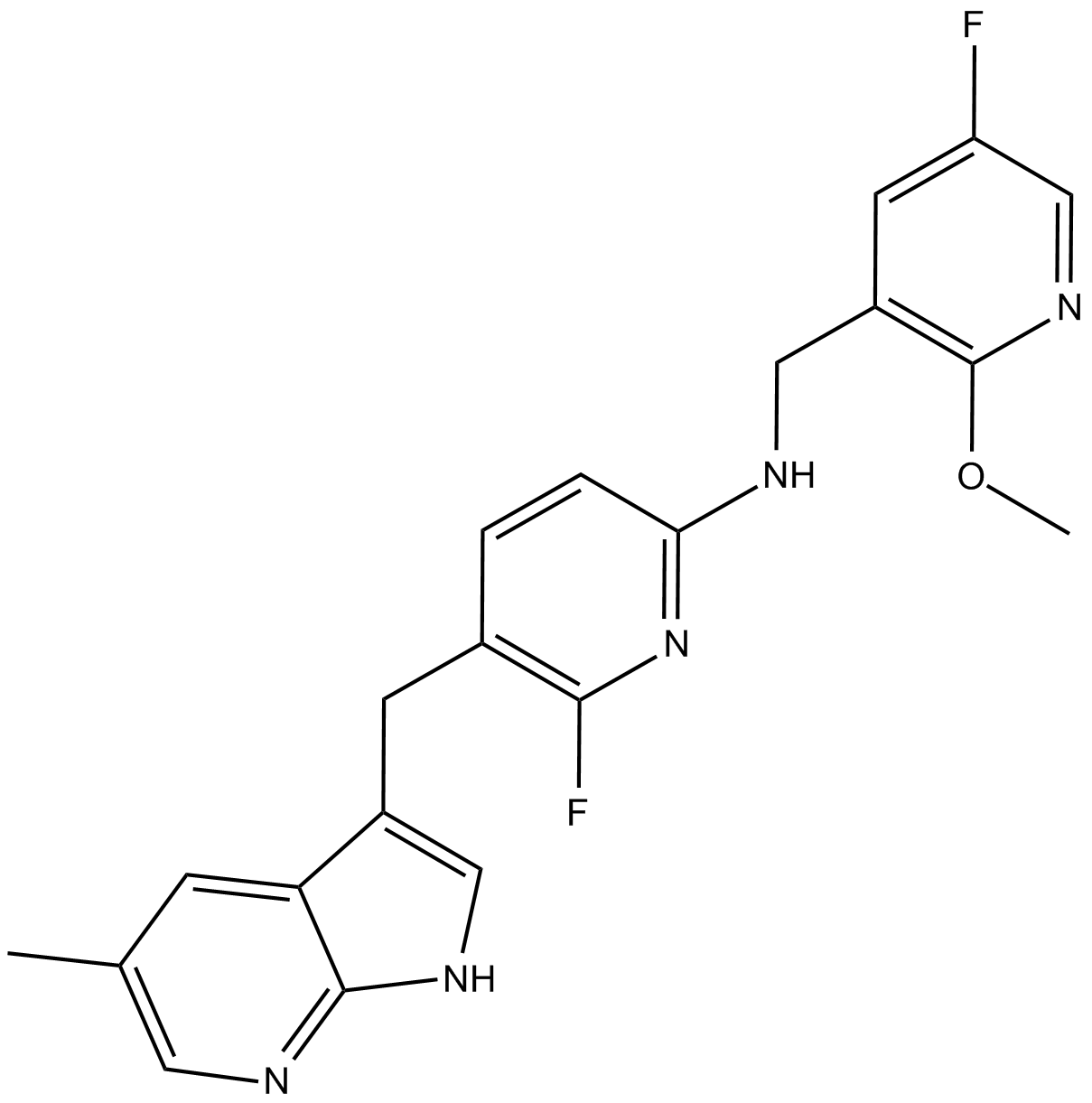 B8575 PLX-5622Summary: An orally available selective CSF1R (Colony stimulating factor 1 receptor) inhibitor.
 -
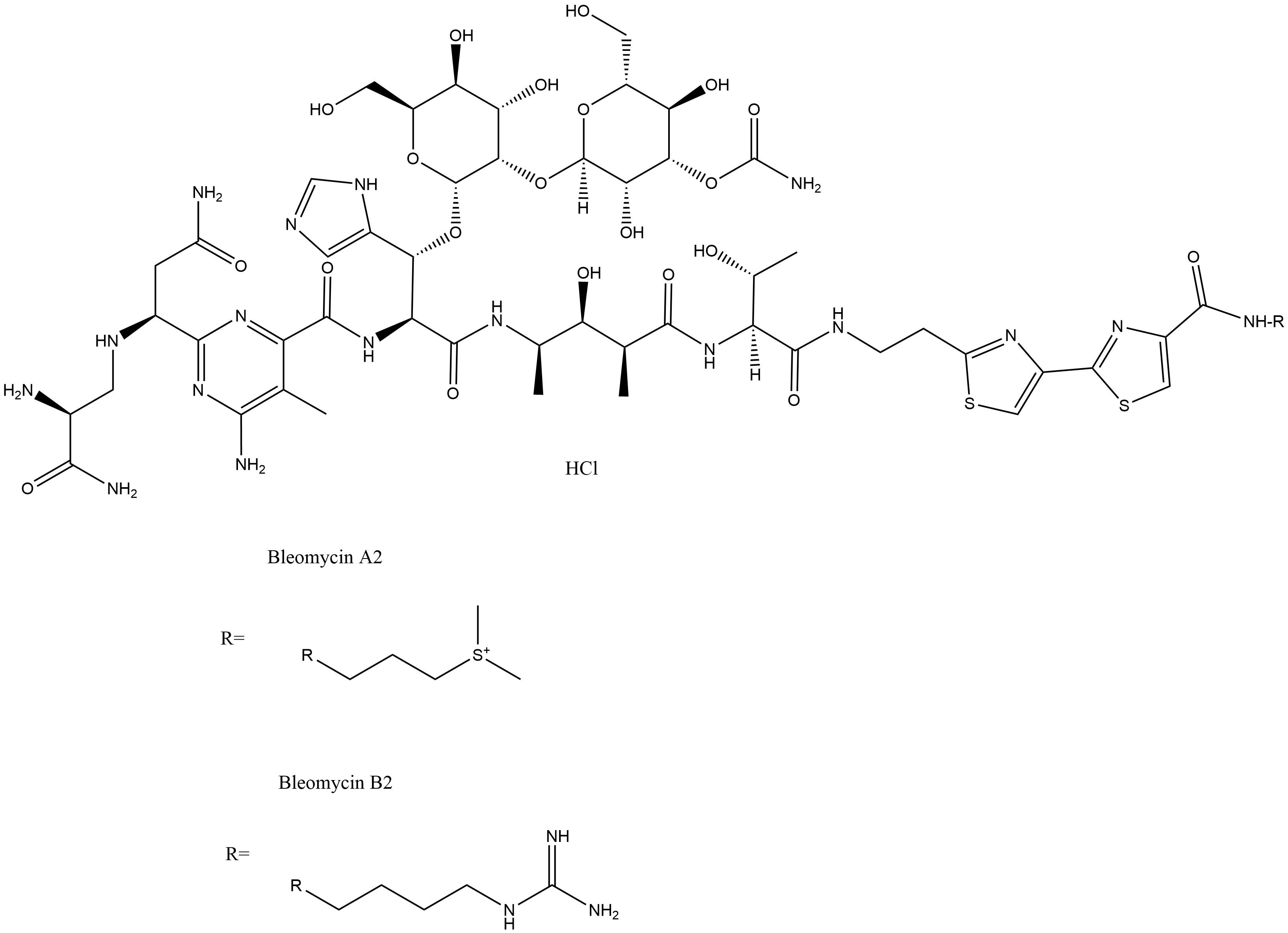 A9941 Bleomycin hydrochlorideSummary: An anti-tumor antibiotic
 -
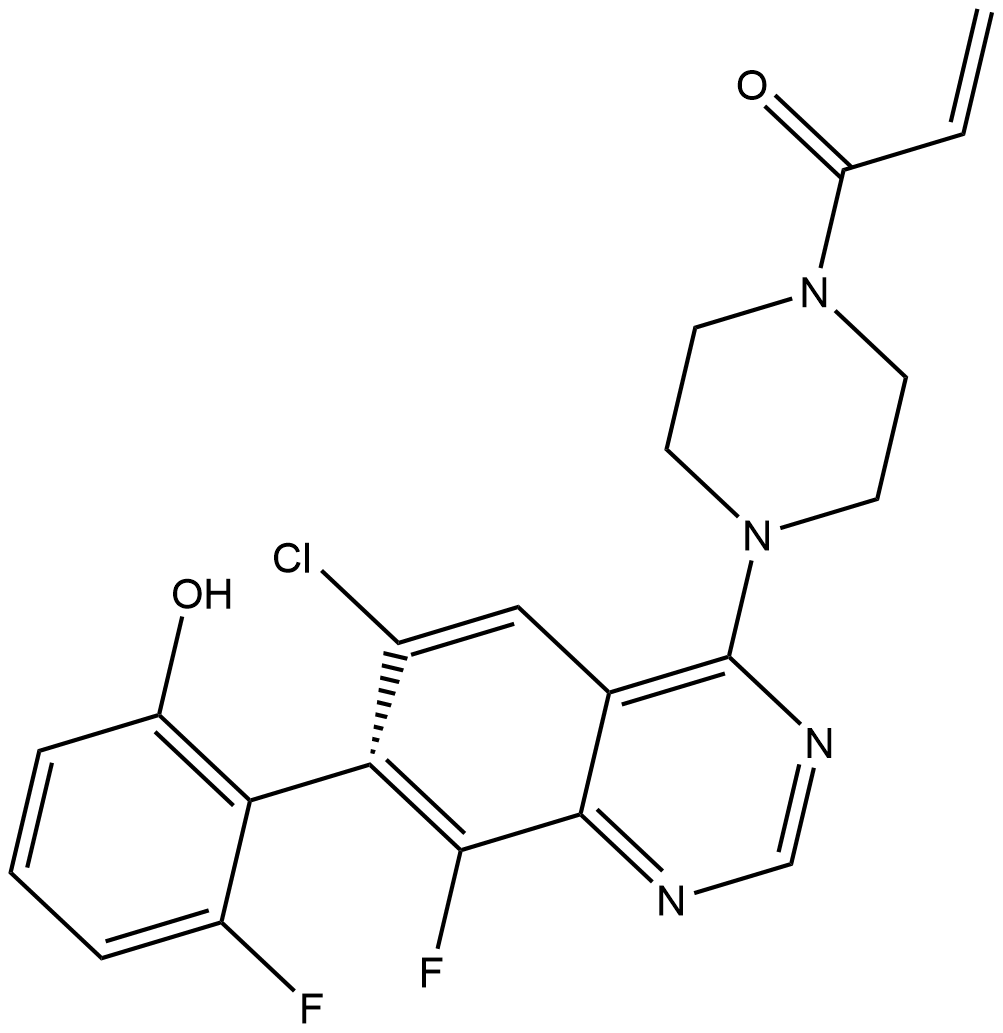 BA5766 ARS-1620Summary: A covalent inhibitor targeting the KRAS G12C mutant that blocks RAS signaling
 -
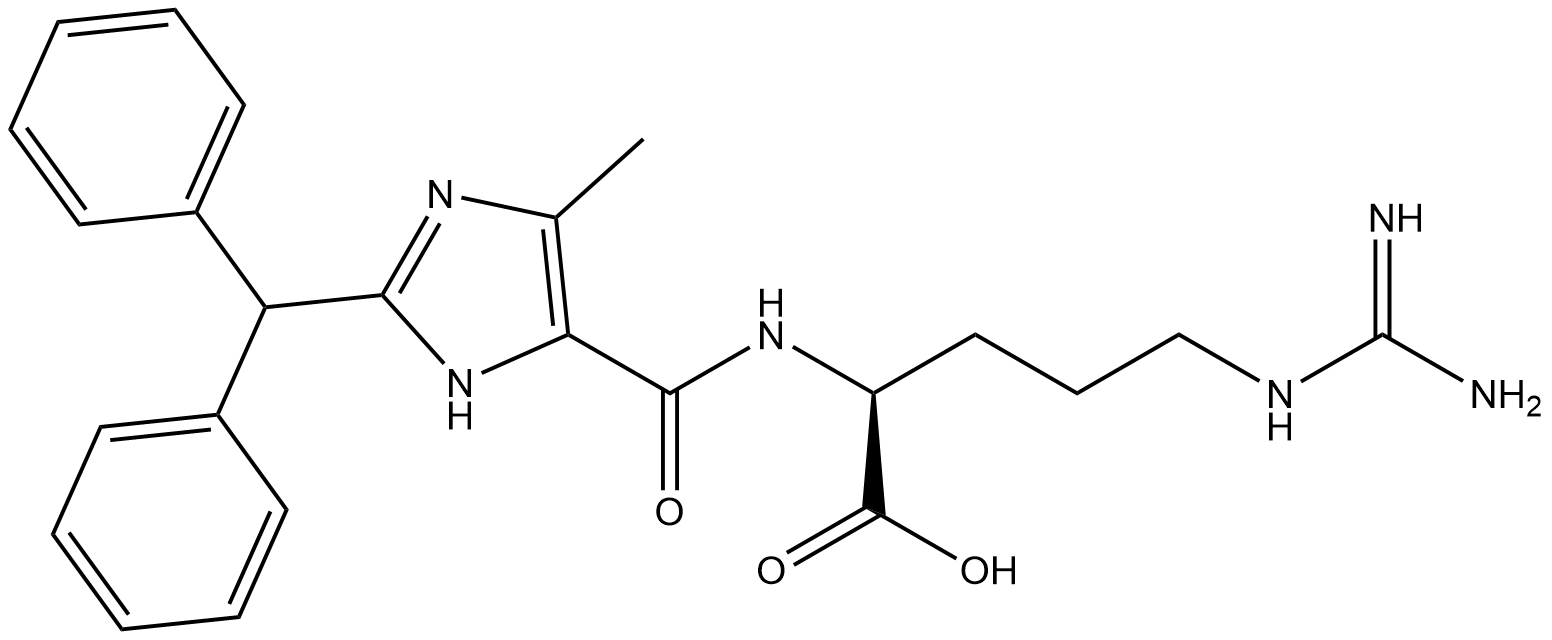 BA5891 BR103Summary: BR103 is a C3aR-specific small molecule ligand.
 -
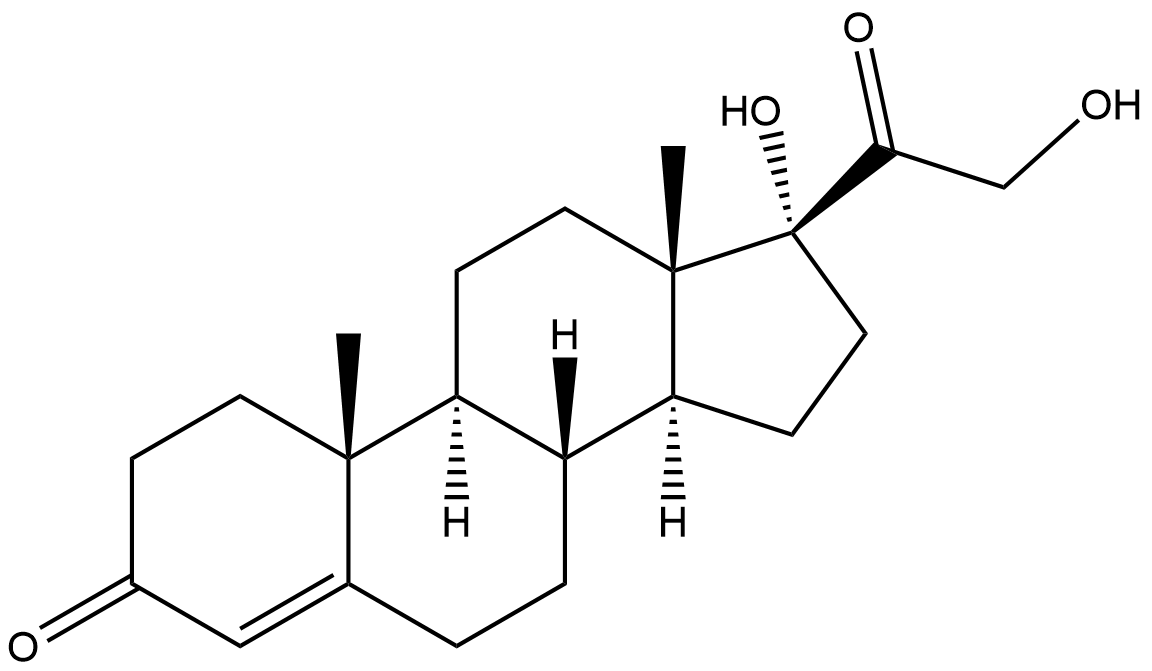 BA5985 CortodoxoneSummary: Cortodoxone (11-Deoxycortisol; cortexolone) is a glucocorticoid steroid hormone and a glucocorticoid antagonist.
 -
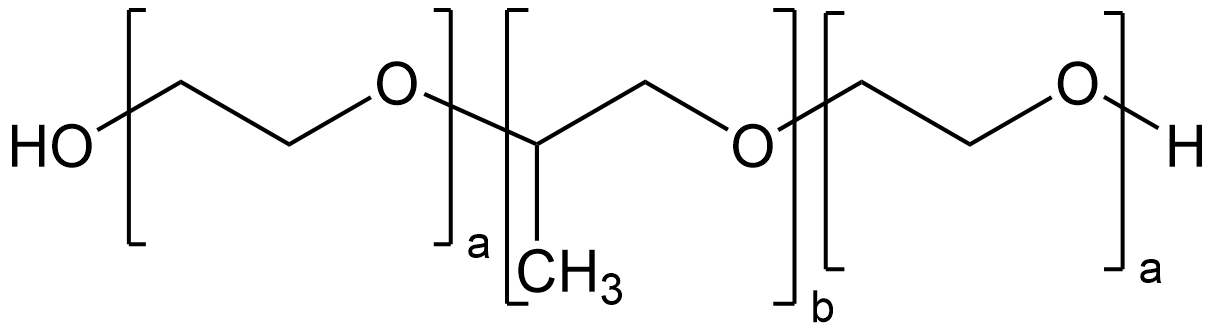 C8766 Poloxamer 407 (F127)Summary: A non-ionic triblock copolymer surfactant that can induce an acute hyperlipidemia mouse model under high-dose conditions.
 -
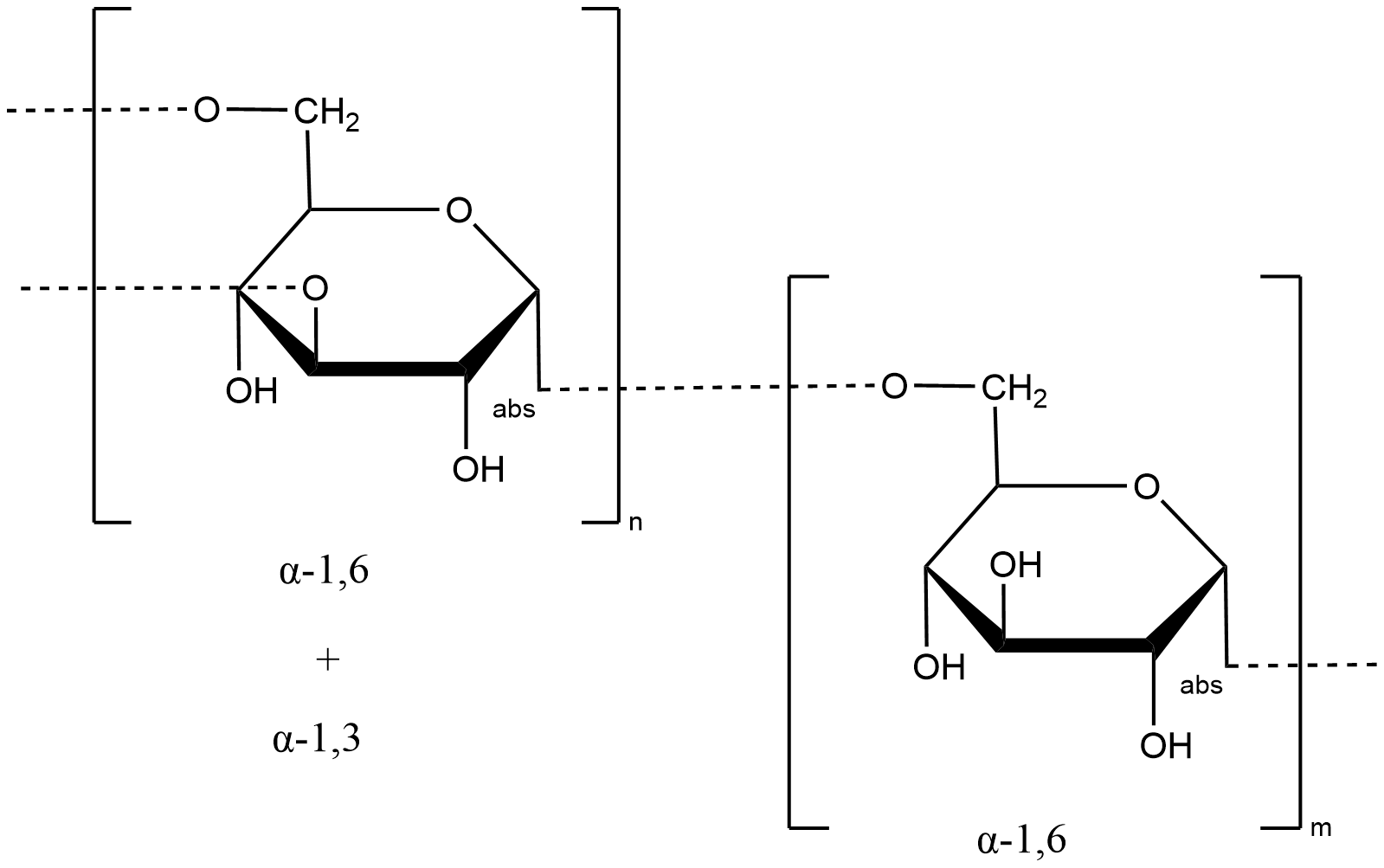 BA1214 Dextran (40,000)Summary: A water-soluble glucose polysaccharide used as a plasma volume expander and as a viscosity modifier or stabilizer in food, paints, and adhesives