


Disease induced
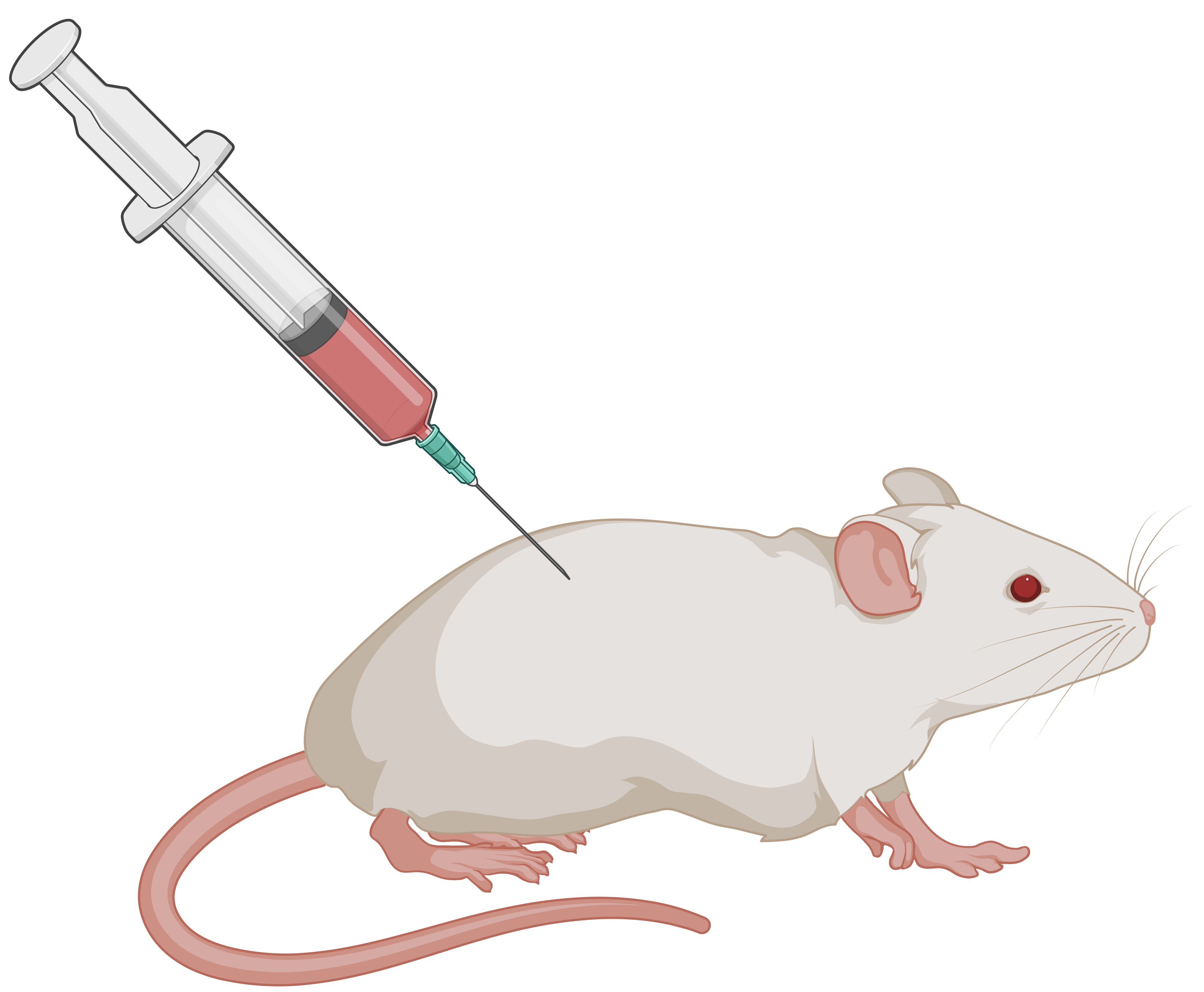
Disease-induced compounds are chemical agents used to simulate specific pathological conditions in experimental systems, such as cell cultures, organoids, or animal models.
Disease-induced compounds play a pivotal role in translational biomedical research, allowing researchers to reproduce key features of human diseases under controlled conditions, enabling the study of disease mechanisms and the testing of therapeutic interventions. For example, neurotoxins such as MPTP are widely used to model Parkinson’s disease by selectively damaging dopaminergic neurons, while streptozotocin and alloxan are used to induce diabetes through pancreatic β-cell destruction. Similarly, agents like carbon tetrachloride, bleomycin, and lipopolysaccharide are utilized to reproduce hepatic injury, pulmonary fibrosis, and systemic inflammation, respectively.
Through the application of disease-induced compounds, researchers can bridge the gap between basic molecular research and translational medicine. Their use facilitates the elucidation of disease mechanisms and supports the rational design and preclinical testing of novel therapeutic agents.
-
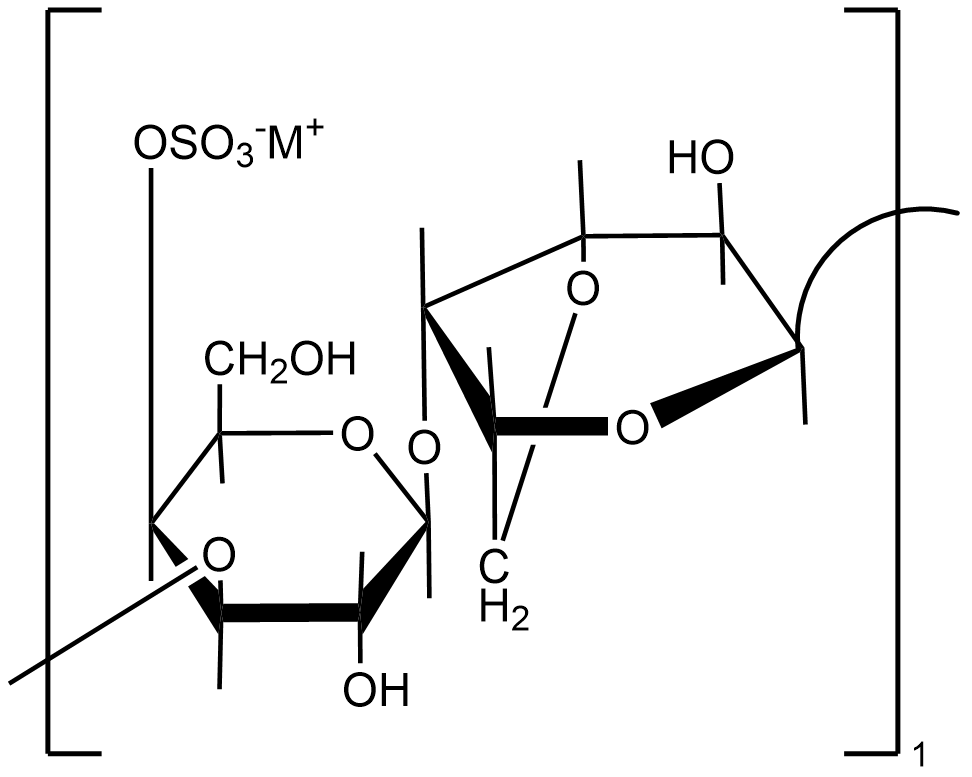 BA3023 κ-CarrageenanSummary: A natural polymer from red seaweeds that serves as an effective carrier for curcumin delivery and induces cancer cell apoptosis
 -
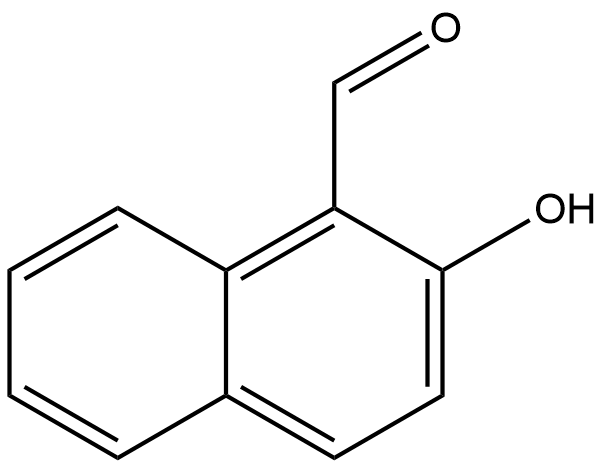 BA5804 CFL-137Summary: A potent and selective KRas G12C inhibitor
 -
 BA7410 OvalbuminsSummary: A major egg-white protein (ovalbumin, OVA) with anticancer, antihypertensive, antibacterial, antioxidant, and immunomodulatory activities
 -
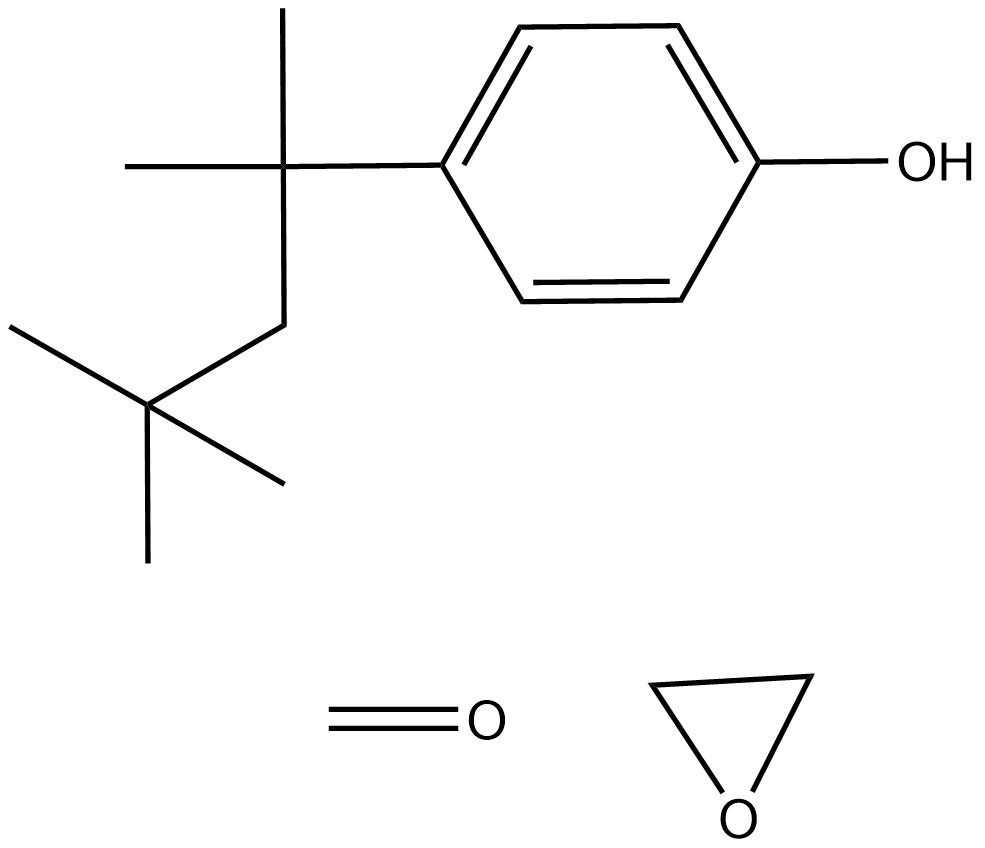 BA9536 TyloxapolSummary: Tyloxapol (TritonWR1339) is an alkyl aryl polyether alcohol-type nonionic liquid polymer, used as a surfactant stabilizer.
 -
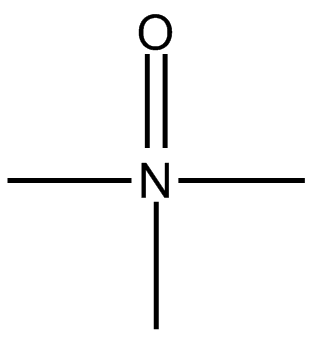 C3481 Trimethylamine N-oxideSummary: Gut microbiota-related metabolites that mediate inflammation and the progression of cardiac fibrosis.
 -
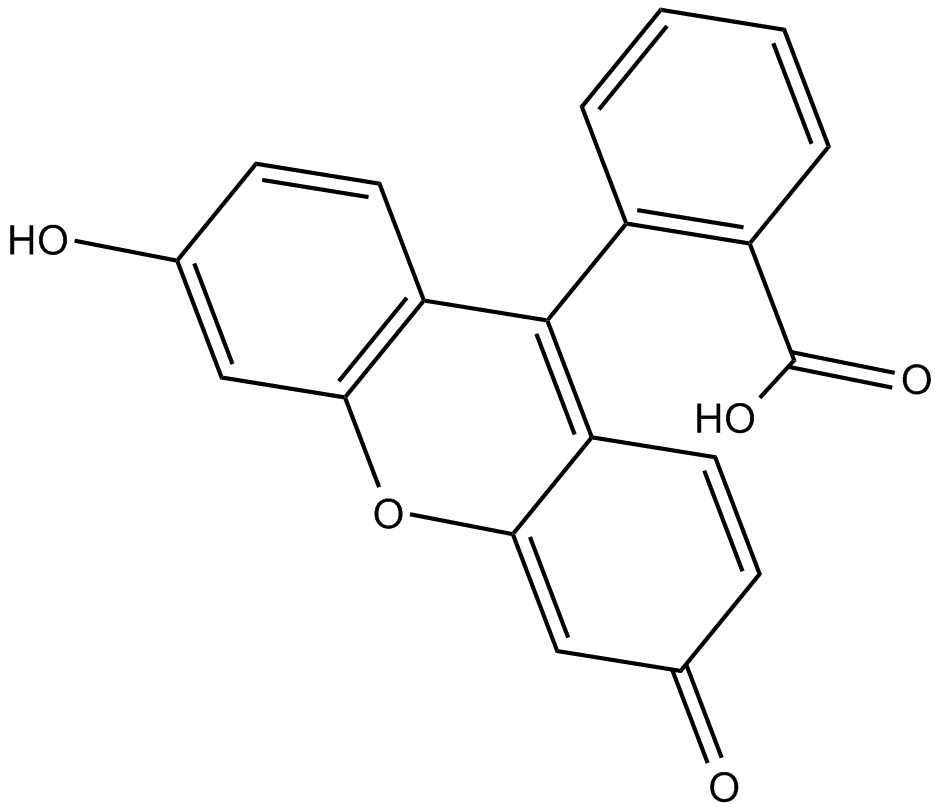 C6358 FluoresceinSummary: A fluorescent probe for corneal injury diagnosis and biofluorescent tracing.
 -
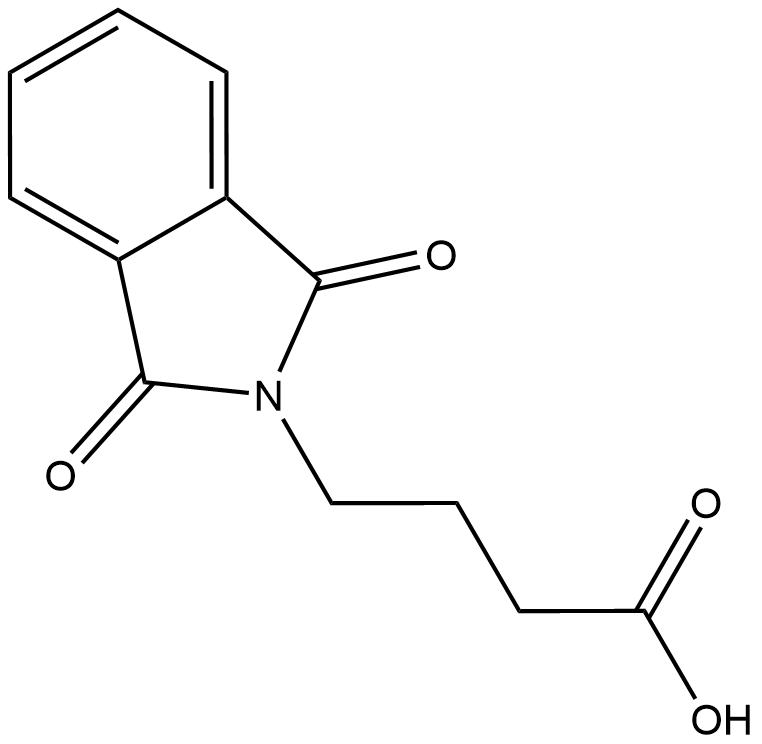 C8188 O-Phthalimide-C3-acidSummary: A hapten with a terminal carboxyl on its spacer arm that couples to amines of carrier proteins to produce immunogens and elicit anti-hapten antibodies.
 -
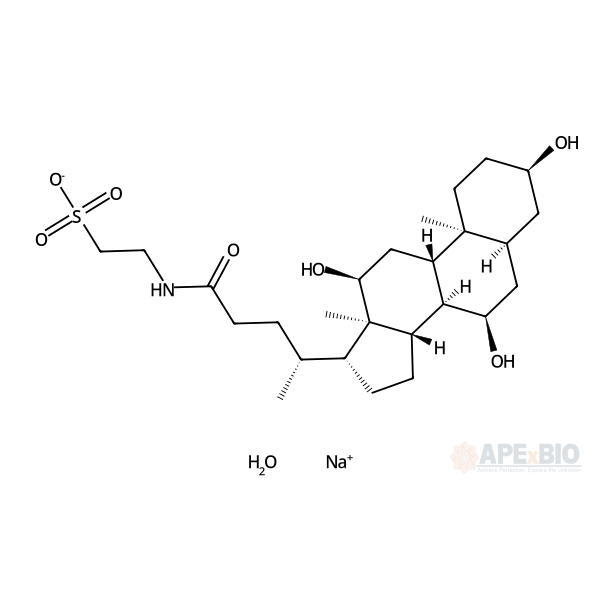 M1062 Taurine and hypotaurinemetabolismSummary: Bile acid derivative, promotes lipid emulsification and absorption, supports lipase-mediated degradation.
 -
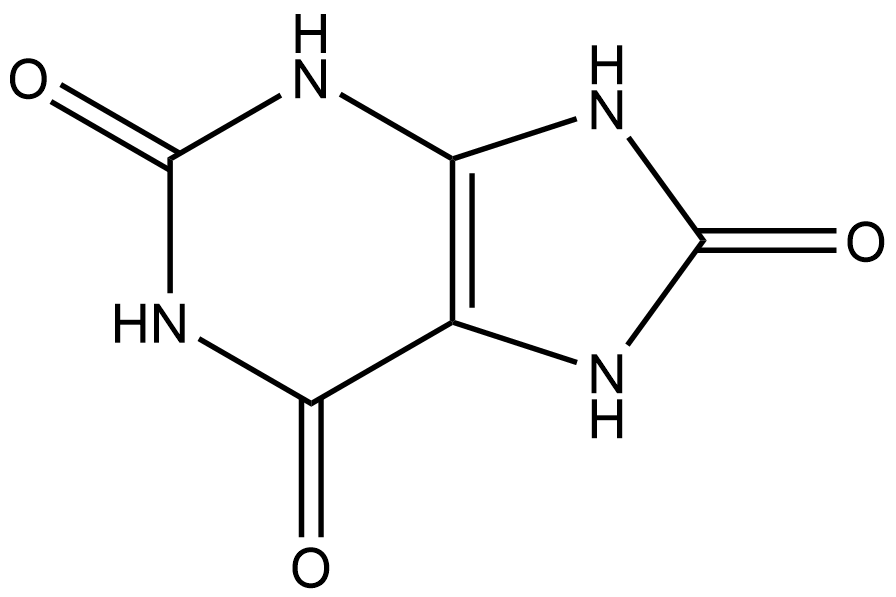 M1179 urateSummary: An antioxidant that scavenges oxygen free radicals and inhibits lipid peroxidation.
 -
 N2894 LPS, from Escherichia coli O55:B5Summary: A lipopolysaccharide endotoxin extracted from Escherichia coli (E. coli O55:B5) and a TLR-4 activator, of the S (smooth) type.