


Disease induced
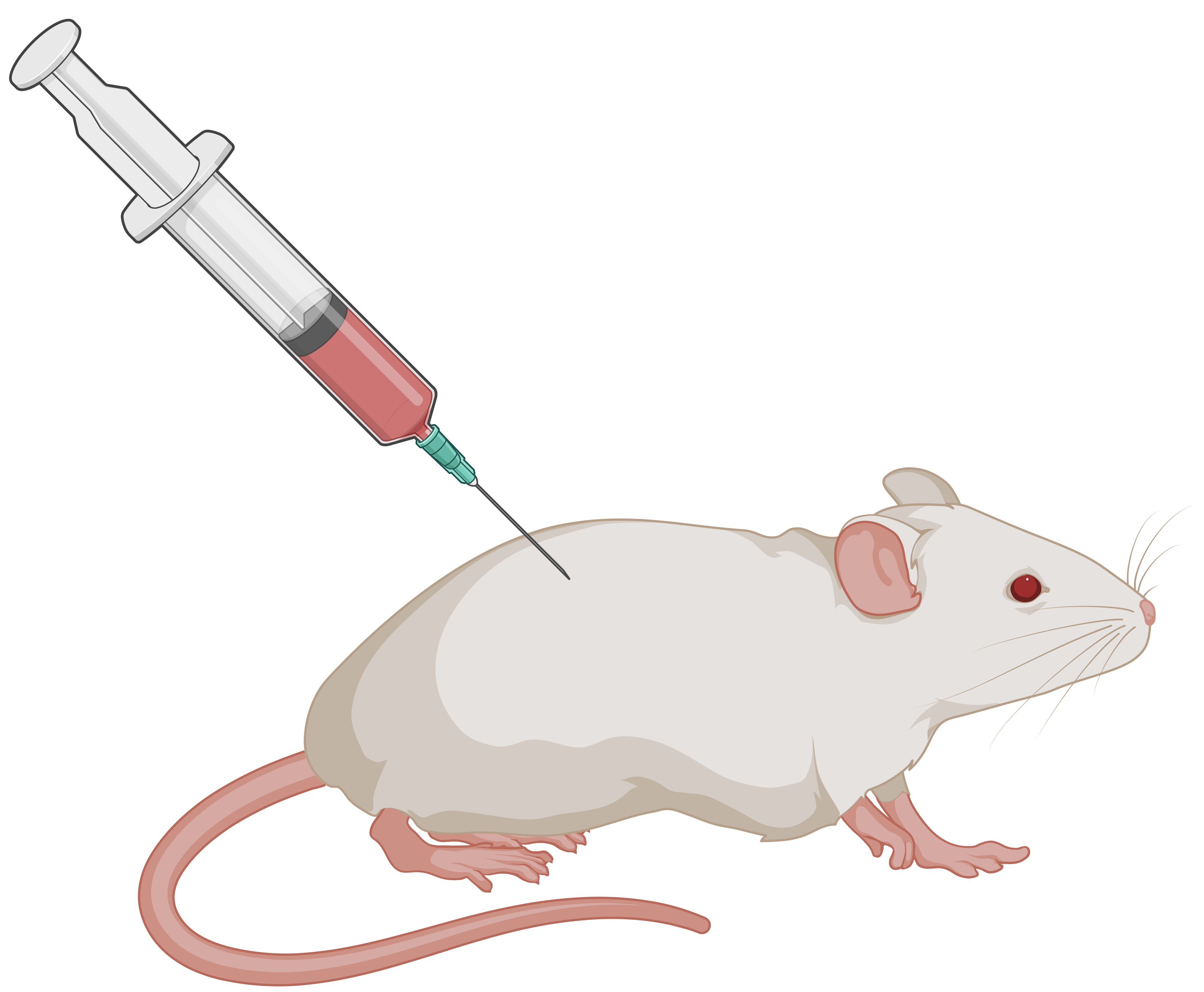
Disease-induced compounds are chemical agents used to simulate specific pathological conditions in experimental systems, such as cell cultures, organoids, or animal models.
Disease-induced compounds play a pivotal role in translational biomedical research, allowing researchers to reproduce key features of human diseases under controlled conditions, enabling the study of disease mechanisms and the testing of therapeutic interventions. For example, neurotoxins such as MPTP are widely used to model Parkinson’s disease by selectively damaging dopaminergic neurons, while streptozotocin and alloxan are used to induce diabetes through pancreatic β-cell destruction. Similarly, agents like carbon tetrachloride, bleomycin, and lipopolysaccharide are utilized to reproduce hepatic injury, pulmonary fibrosis, and systemic inflammation, respectively.
Through the application of disease-induced compounds, researchers can bridge the gap between basic molecular research and translational medicine. Their use facilitates the elucidation of disease mechanisms and supports the rational design and preclinical testing of novel therapeutic agents.
-
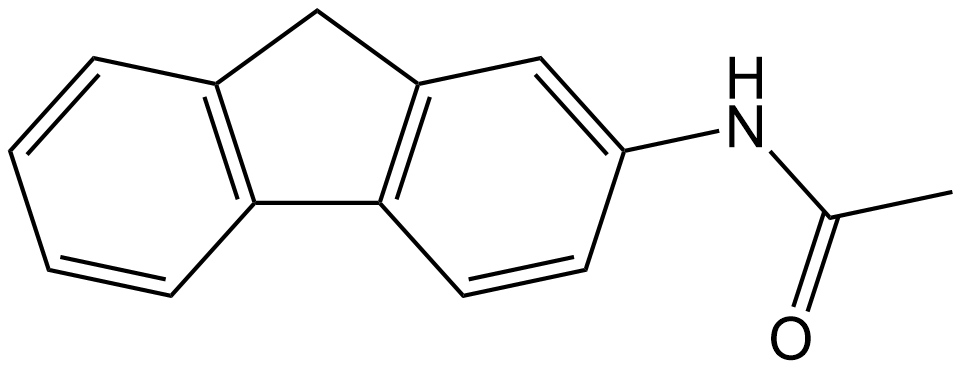 C8739 AAFSummary: Mainly used to induce animal models for hepatocellular carcinoma (HCC) and multiple primary tumors
 -
 C8740 Collagen, Type II, from bovine snout membraneSummary: A collagen that plays an important role in the structure and function of skin, bones, tendons, etc.
 -
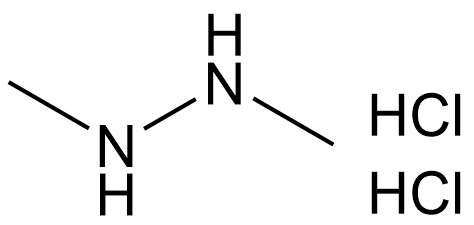 C8741 Dimethylhydrazine dihydrochlorideSummary: Induces an experimental colon cancer model
 -
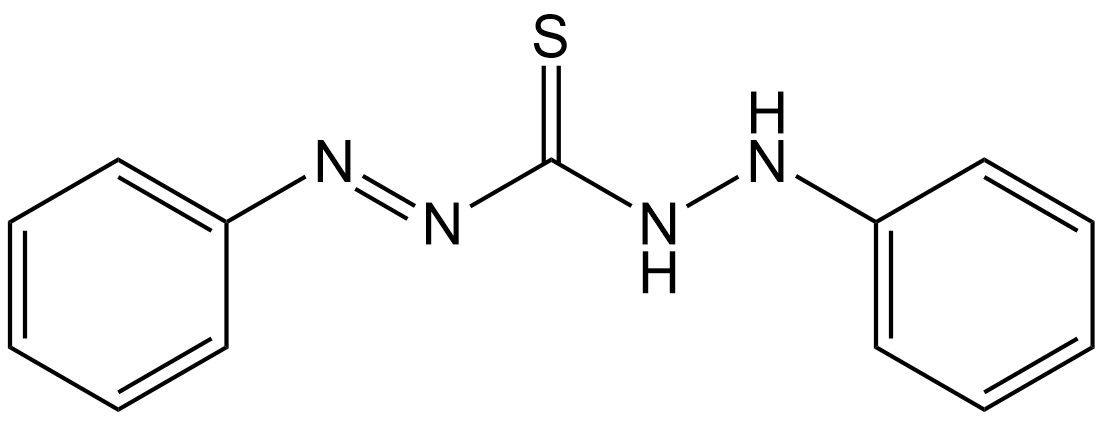 C8742 DithizoneSummary: A zinc chelator capable of detecting divalent mercury ions ( Hg2+ ); also used to establish Paneth cell dysfunction models and necrotizing enterocolitis (NEC)-related models.
 -
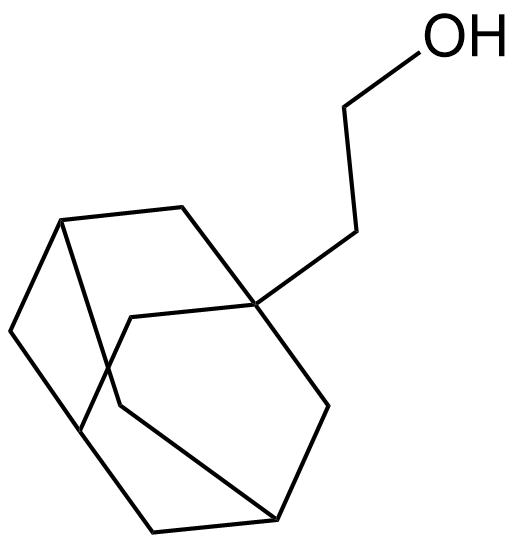 C8743 1-AdamantaneethanolSummary: MHC II-mediated peptide exchange enhancer
 -
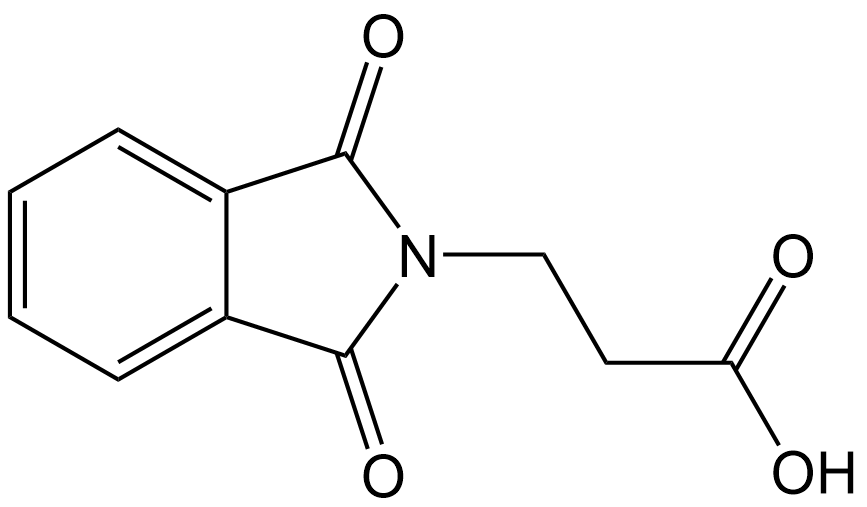 C8744 N-Phthaloyl-β-alanineSummary: Hapten for preparing immunoconjugates
 -
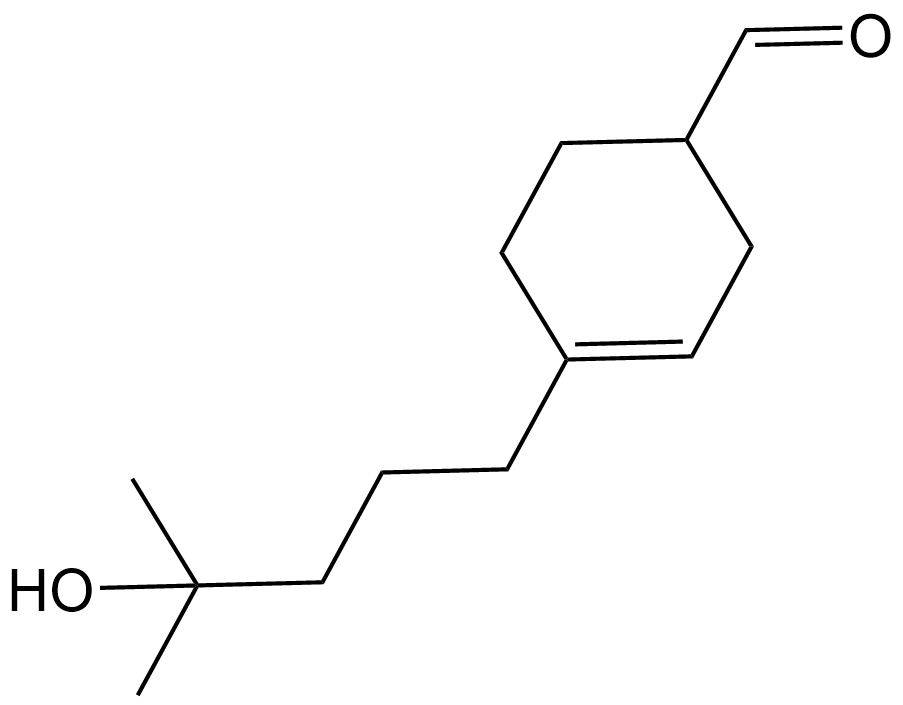 C8745 LyralSummary: A fragrance ingredient with a floral odor; OR10J5, Olfr16 activator; mitochondrial electron transport chain complex I and II inhibitor
 -
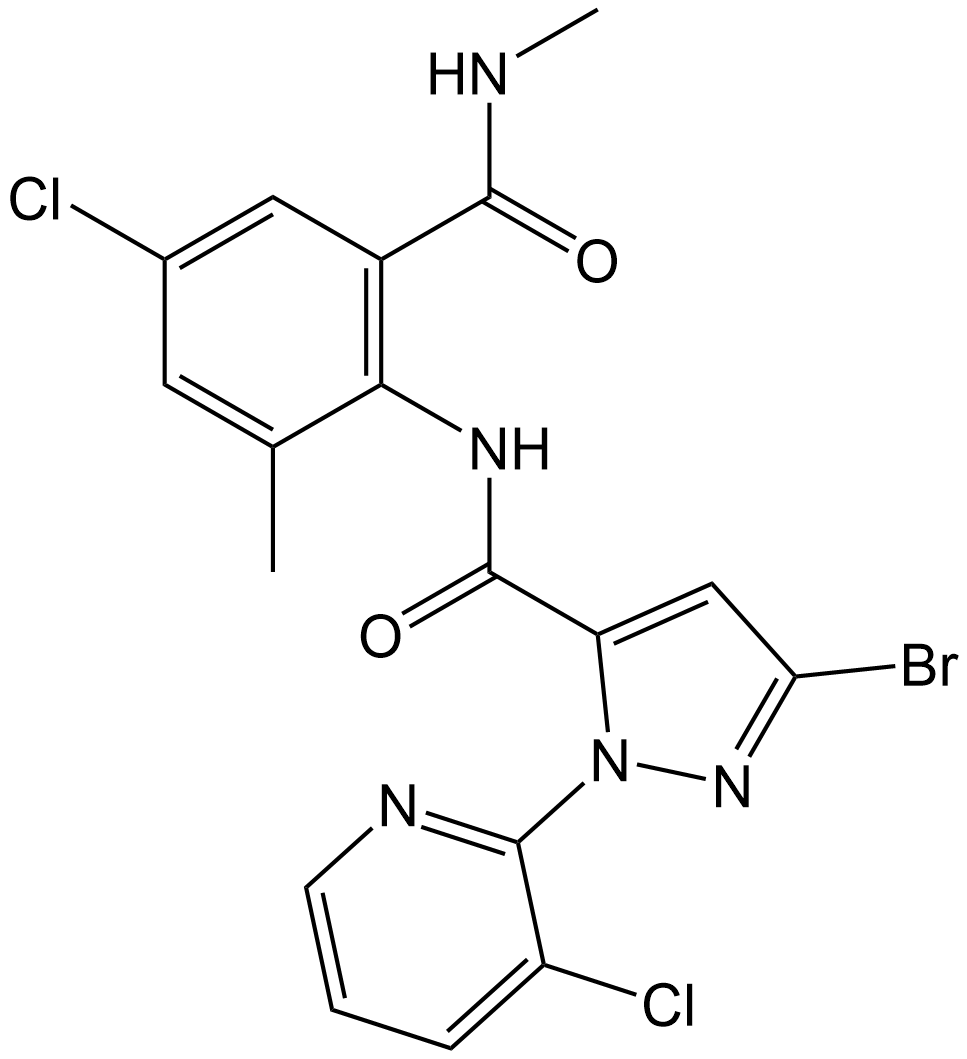 C8746 ChlorantraniliproleSummary: An anthranilic diamide insecticide, an activator of the ryanodine receptor (Ryanodine Receptor, RyR) in insect muscle cells
 -
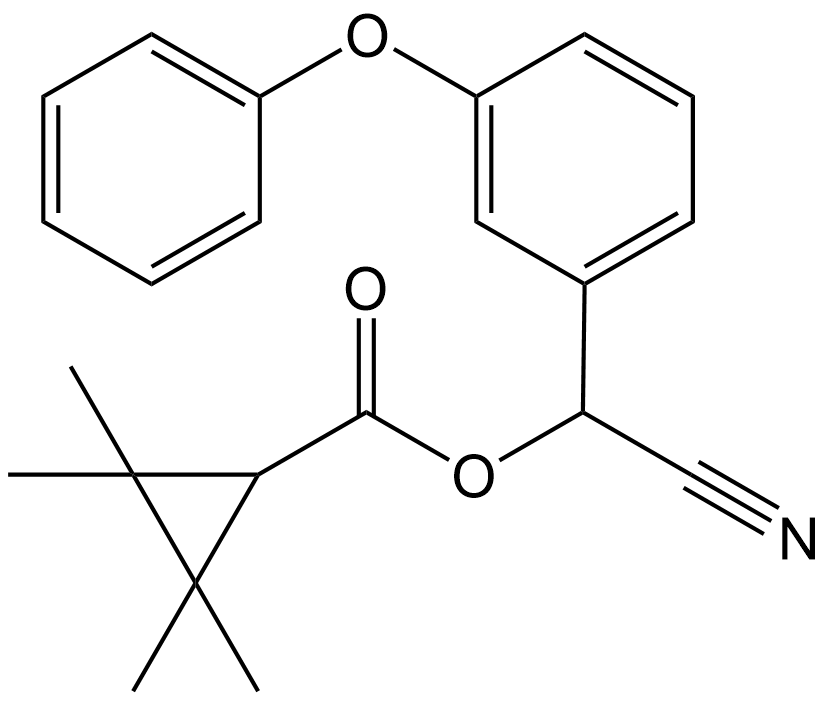 C8747 FenpropathrinSummary: A synthetic pyrethroid insecticide that can induce neuronal apoptosis, decrease mitochondrial membrane potential, and promote reactive oxygen species generation
 -
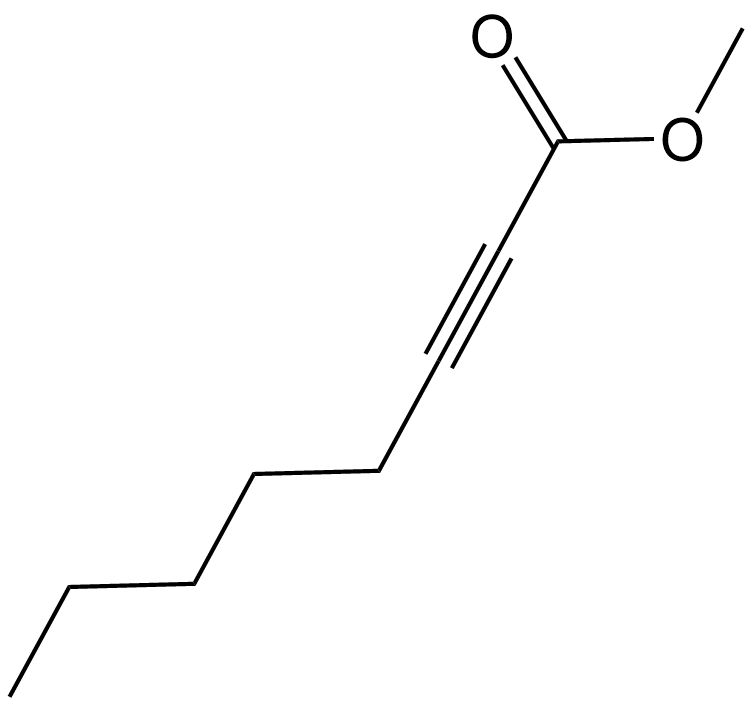 C8748 Methyl 2-OctynoateSummary: A synthetic fragrance ingredient and strong skin sensitizer, with potential neuroprotective and anti-inflammatory activity in in vitro Alzheimer's disease (AD) models