


Disease induced
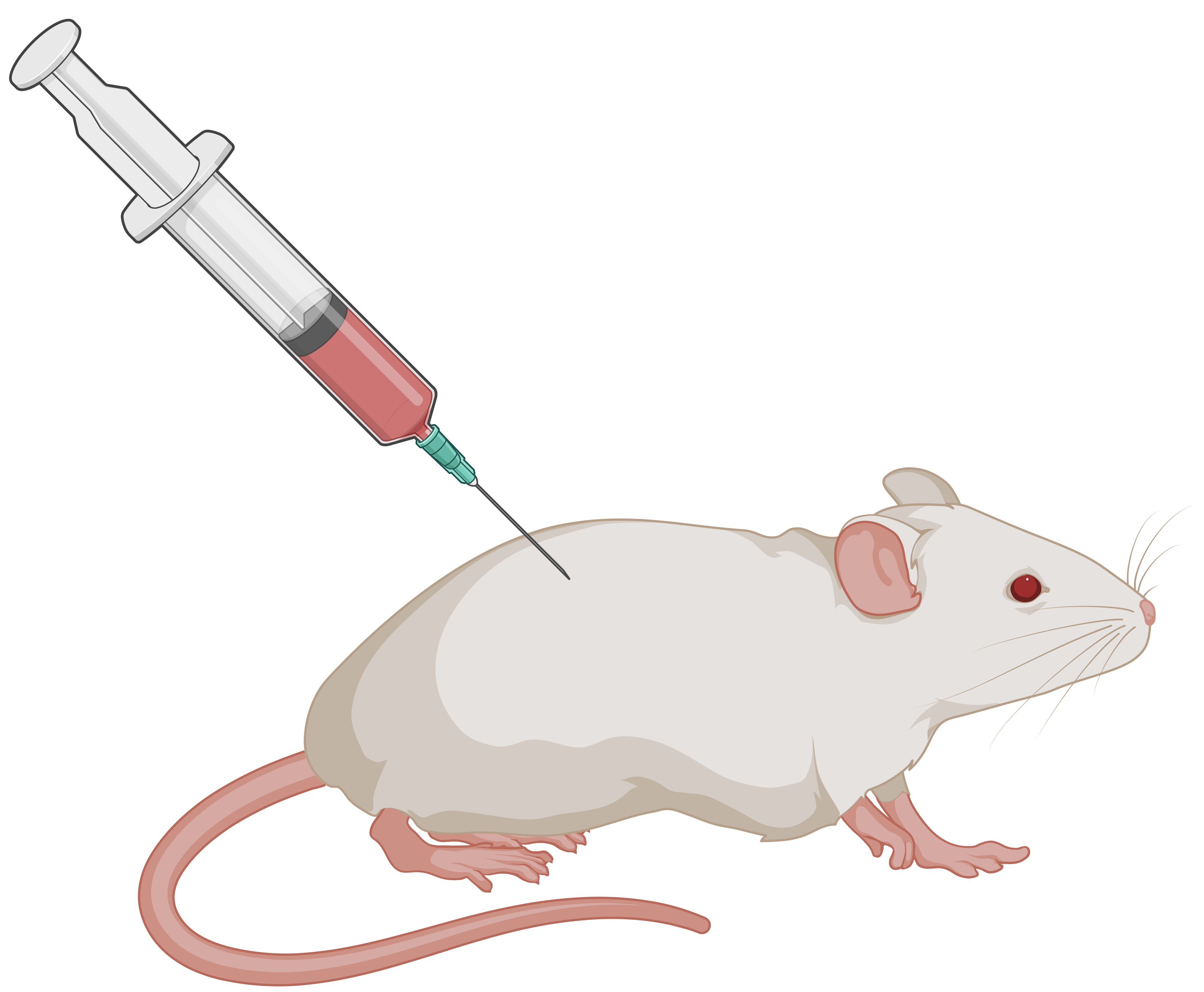
Disease-induced compounds are chemical agents used to simulate specific pathological conditions in experimental systems, such as cell cultures, organoids, or animal models.
Disease-induced compounds play a pivotal role in translational biomedical research, allowing researchers to reproduce key features of human diseases under controlled conditions, enabling the study of disease mechanisms and the testing of therapeutic interventions. For example, neurotoxins such as MPTP are widely used to model Parkinson’s disease by selectively damaging dopaminergic neurons, while streptozotocin and alloxan are used to induce diabetes through pancreatic β-cell destruction. Similarly, agents like carbon tetrachloride, bleomycin, and lipopolysaccharide are utilized to reproduce hepatic injury, pulmonary fibrosis, and systemic inflammation, respectively.
Through the application of disease-induced compounds, researchers can bridge the gap between basic molecular research and translational medicine. Their use facilitates the elucidation of disease mechanisms and supports the rational design and preclinical testing of novel therapeutic agents.
-
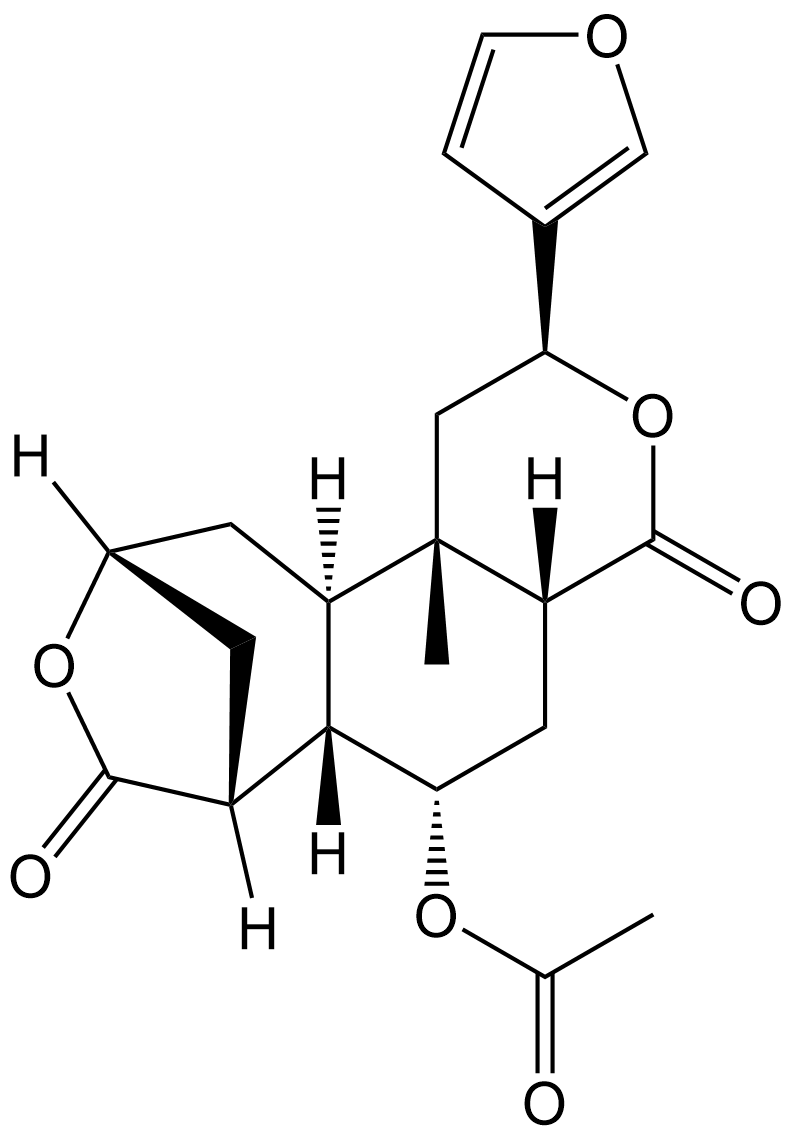 N2890 8-Epidiosbulbin E acetateSummary: A furan compound with broad-spectrum plasmid-curing activity against multiple multidrug-resistant bacteria, including vancomycin-resistant enterococci
 -
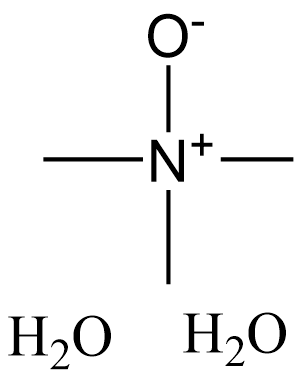 N2891 Trimethylamine oxide dihydrateSummary: ROS/NLRP3 activator; TGF-β/Smad2 signaling pathway activator
 -
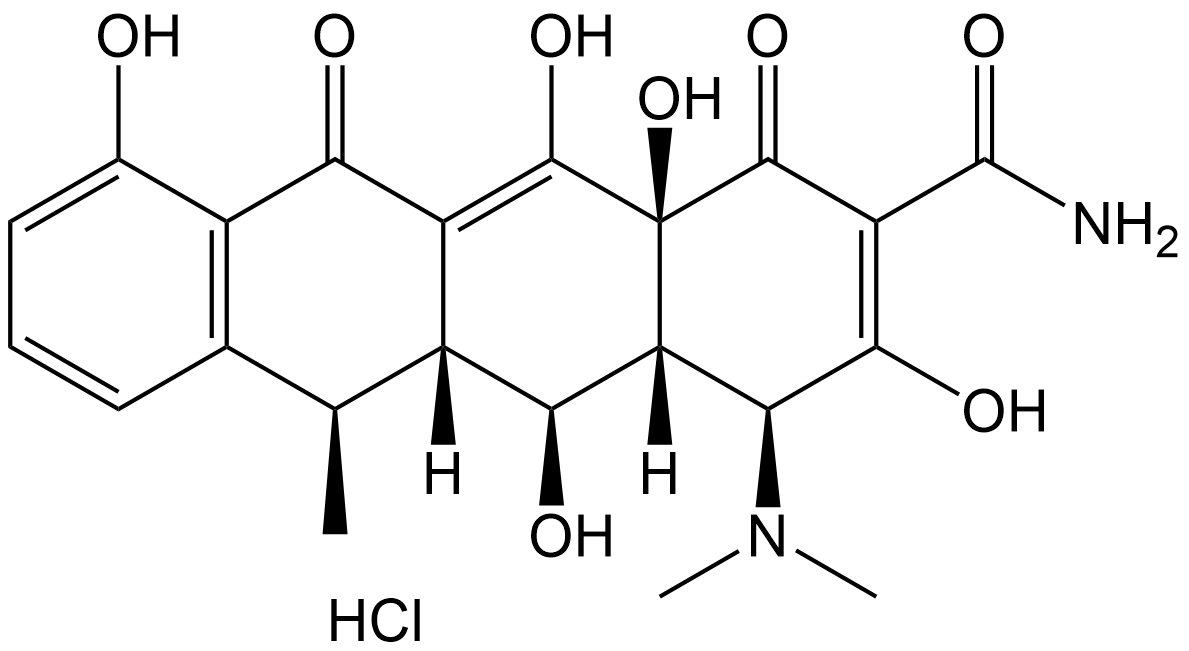 C8734 Doxycycline hydrochlorideSummary: A broad-spectrum tetracycline antibiotic that primarily inhibits the bacterial ribosomal 30S subunit, thereby blocking protein synthesis
 -
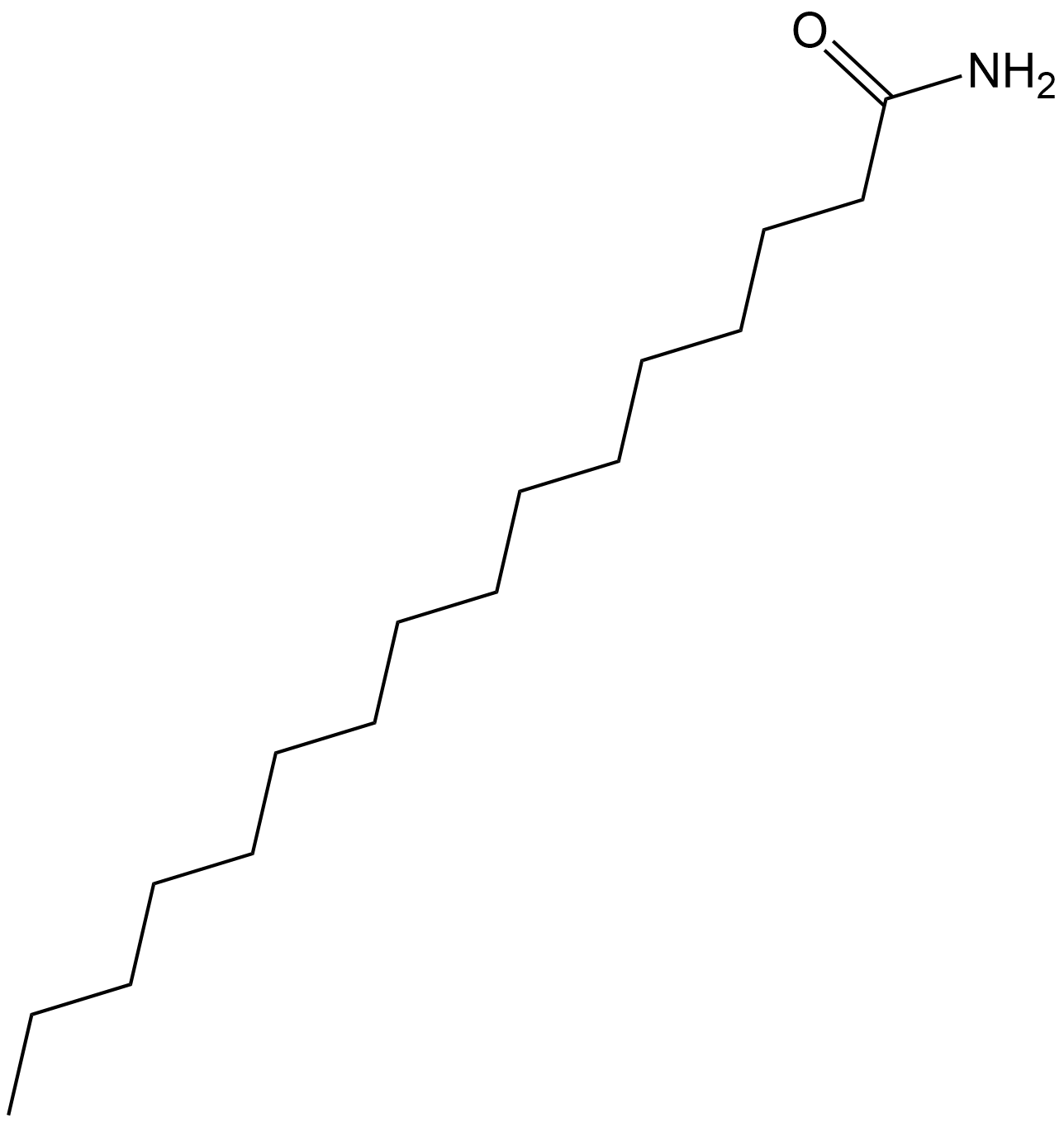 N2889 HexadecanamideSummary: A fatty acid amide derived from palmitic acid, commonly used to study its anti-inflammatory and neuroprotective effects
 -
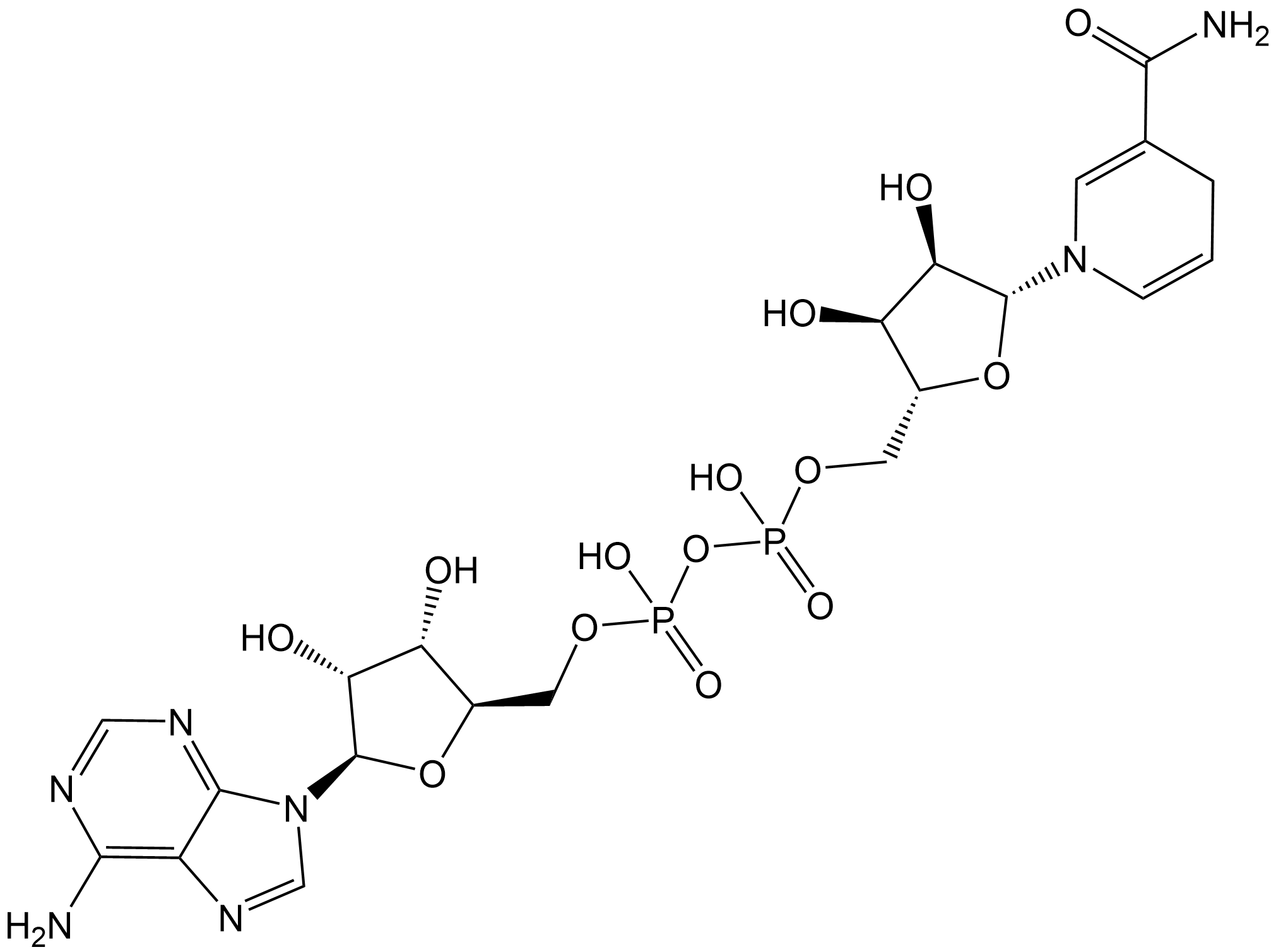 C8749 NADHSummary: Reduced-form coenzymes, whose core biological function is to participate in energy metabolism processes such as glycolysis, the tricarboxylic acid (TCA) cycle, and the mitochondrial electron transport chain.
 -
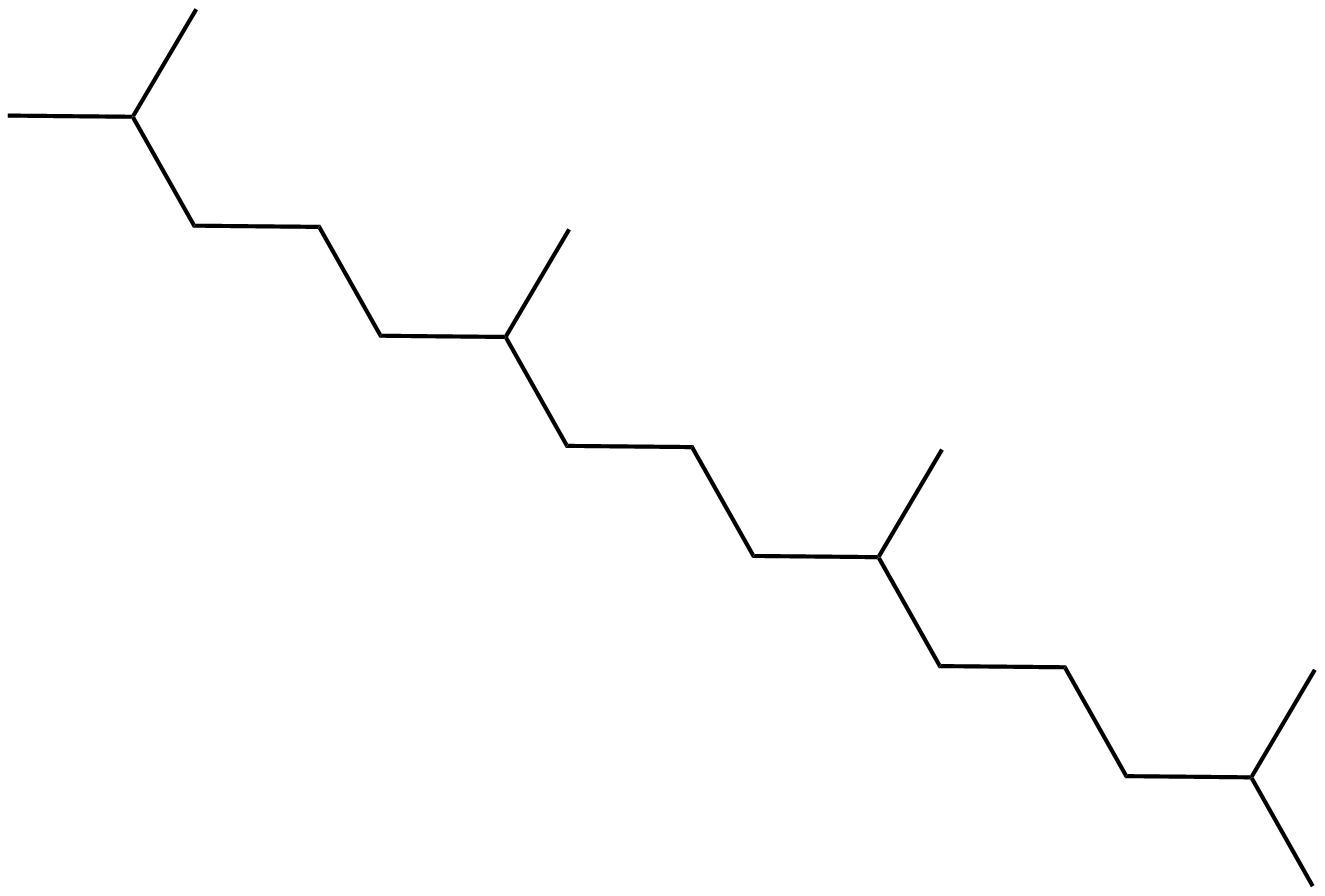 N2892 PristaneSummary: A compound that can be used to induce animal models of rheumatoid arthritis and systemic lupus erythematosus-like syndrome.
 -
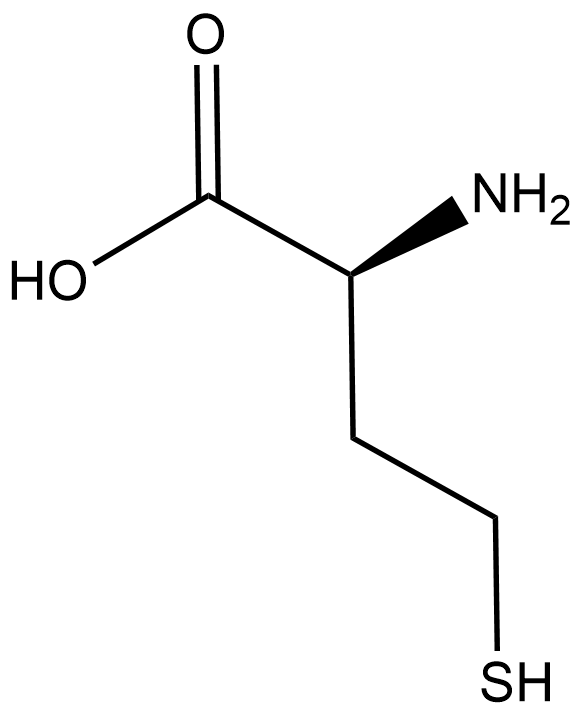 BA7219 L-HomocysteineSummary: L-Homocysteine is an amino acid, the L-configuration form of homocysteine.
 -
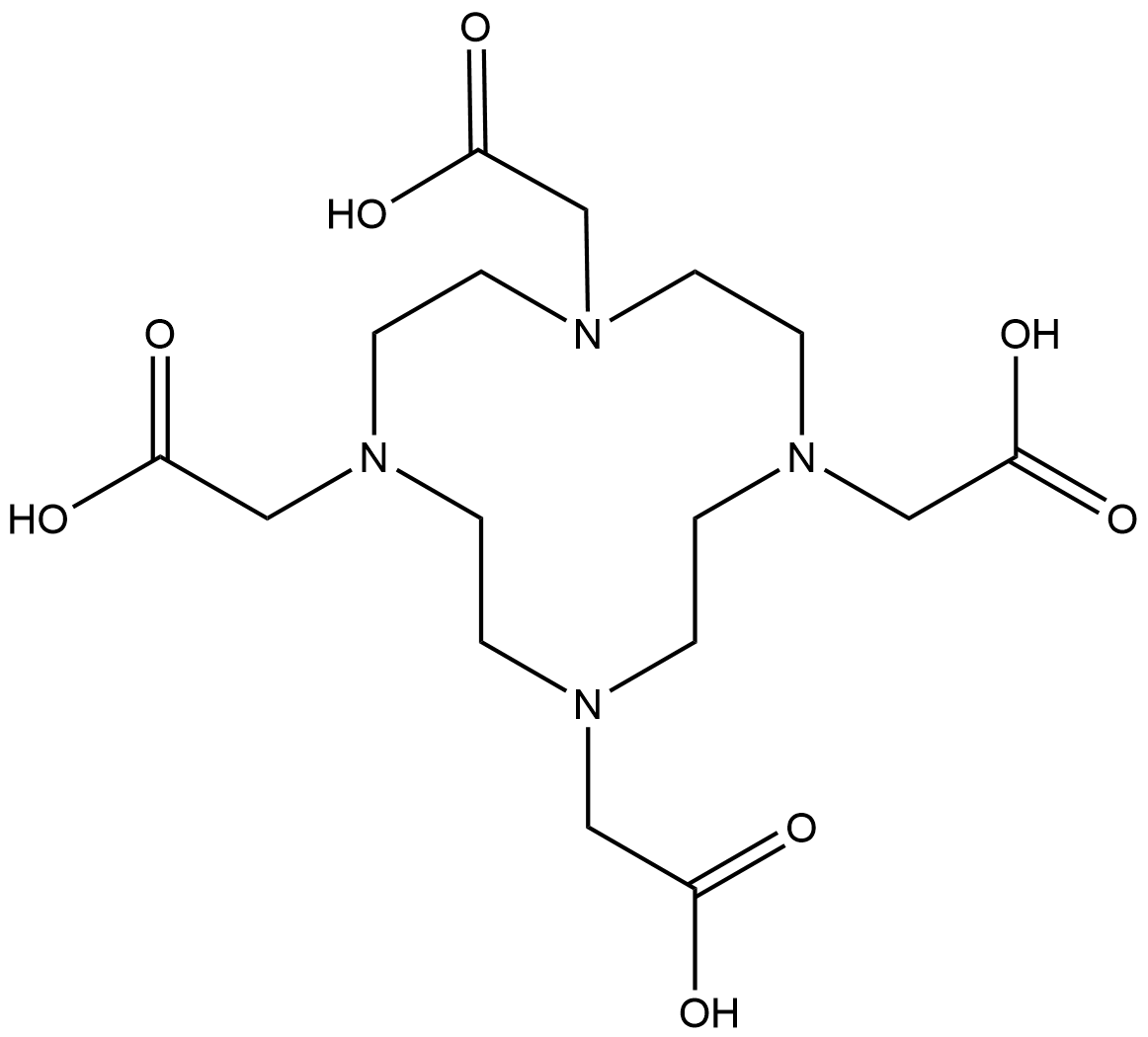 BA9582 TetraxetanSummary: A chelating agent; its complexes have medical applications as contrast agents and in cancer research.
 -
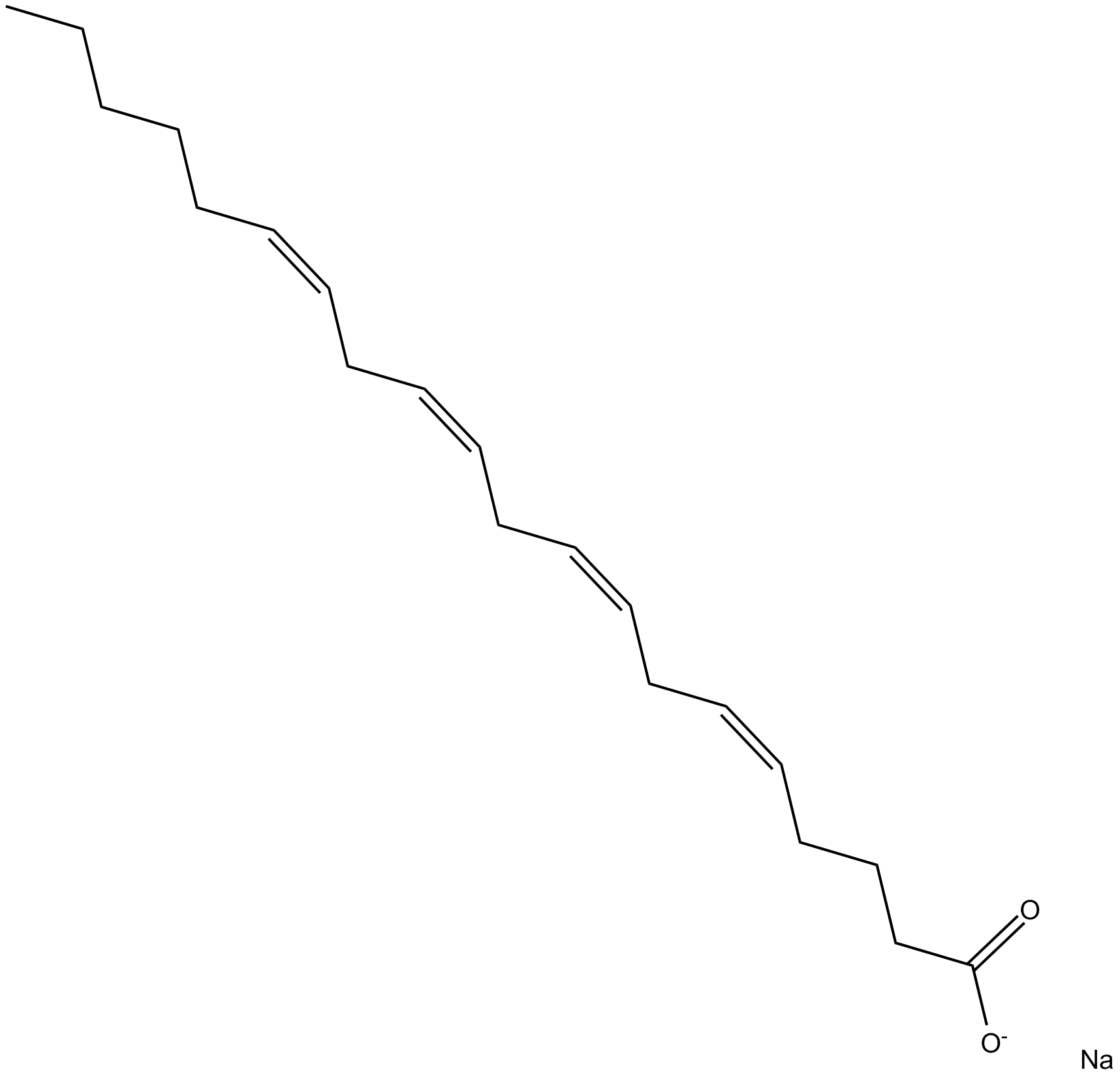 C3247 Arachidonic Acid (sodium salt)Summary: An omega-6 fatty acid that constitutes cell membranes and serves as a substrate for the synthesis of lipid mediators.
 -
 BA9790 RL-6-Me-7-OHSummary: RL-6-Me-7-OH is a semi-antigen that activates human and mouse MAIT cells (=25μM).