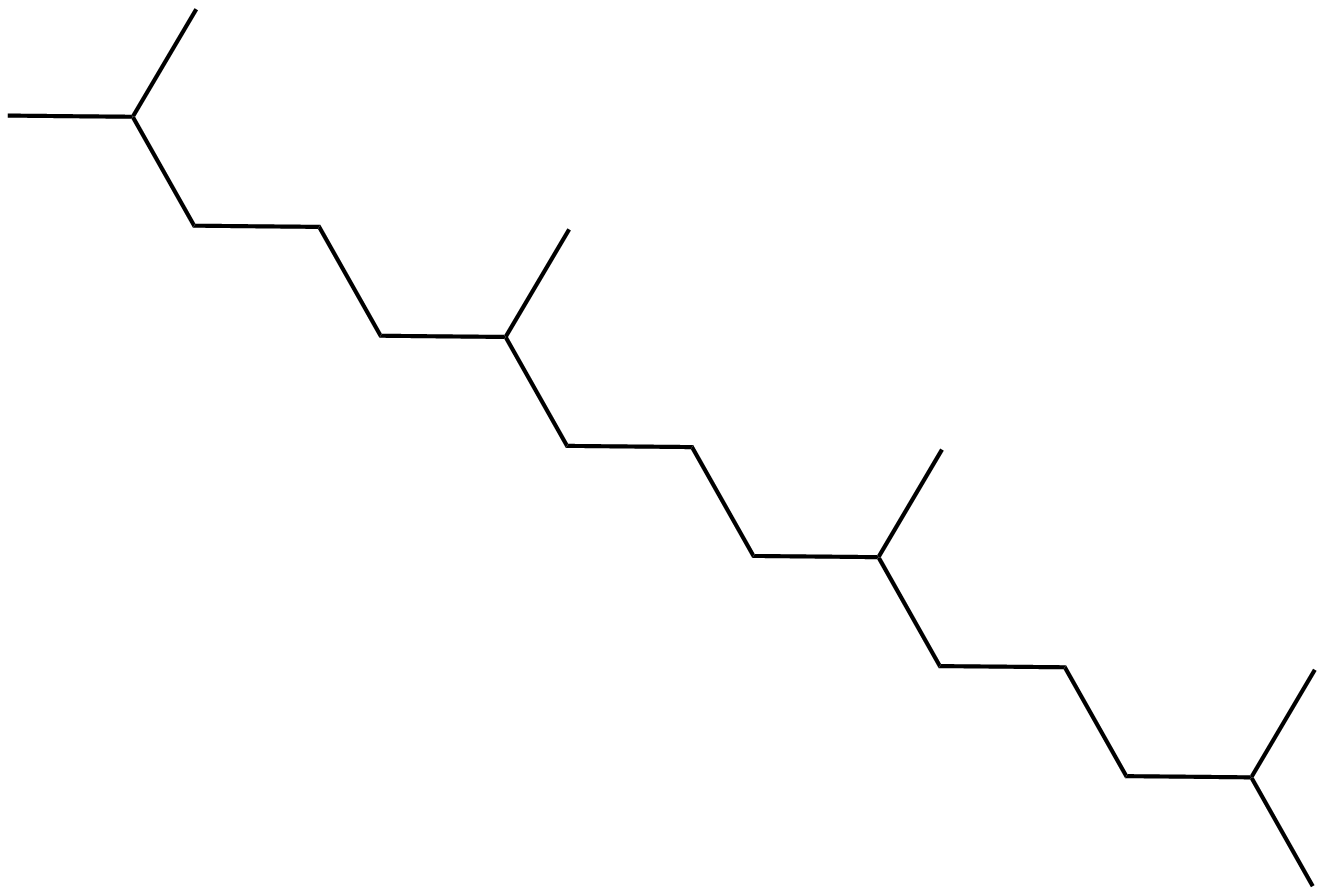
Pristane
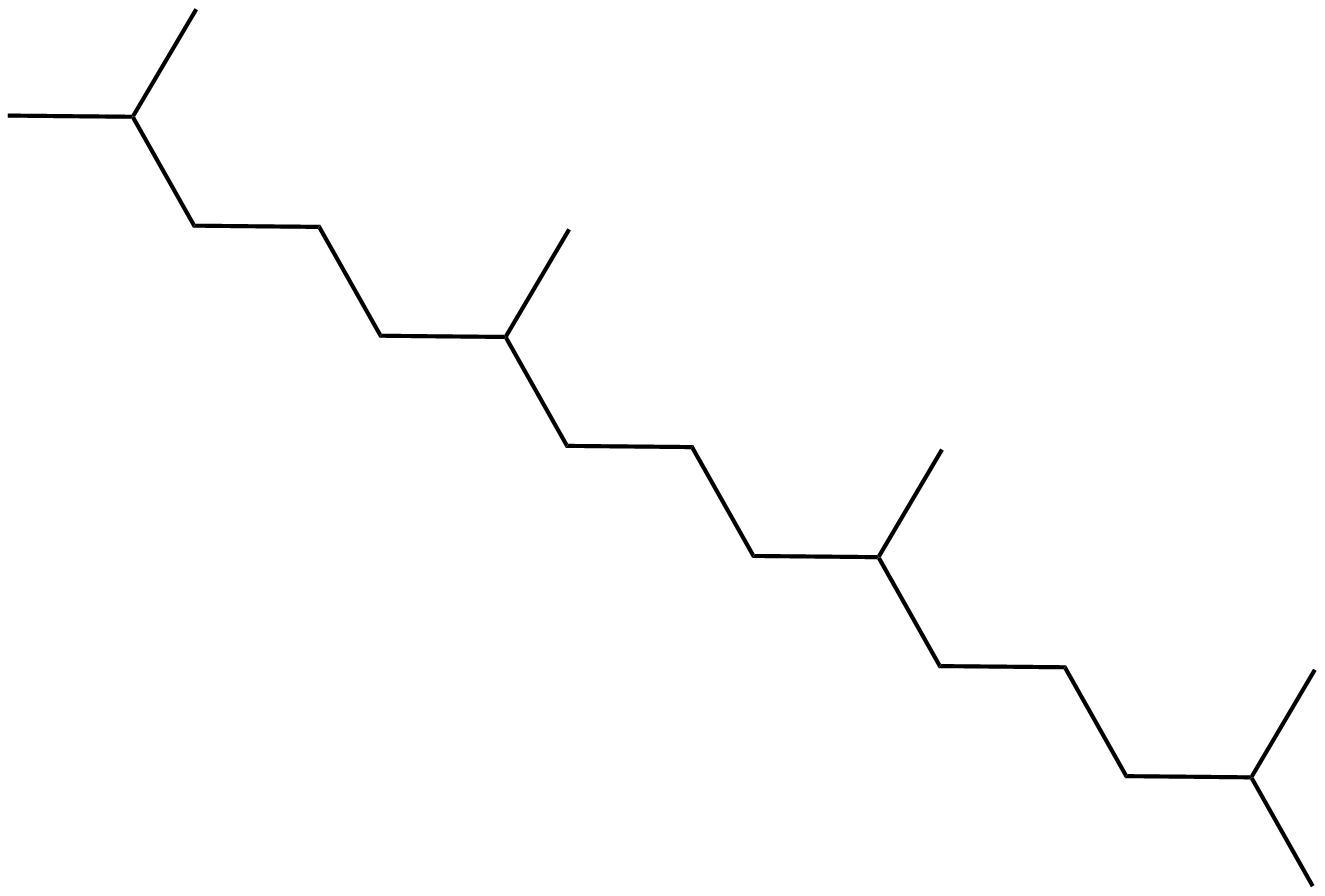





Pristane (CAS No. 1921-70-6) is a naturally occurring saturated terpane, typically isolated from shark liver oil, stomach oil of some seabirds, and mineral oil. It appears as a transparent oily liquid.
In biomedical research, it is most commonly used as an immunological adjuvant and a reagent for establishing animal models of autoimmune diseases. Intraperitoneal injection of pristane can induce rheumatoid arthritis (RA) and systemic lupus erythematosus (SLE)-like syndromes in mice, making it widely applied to investigate the pathogenesis of RA and SLE, as well as autoantibody production and plasmacytoma development.
Its mechanism is associated with the formation of persistent oil droplets in the peritoneal cavity, activation of mononuclear phagocytes and innate immunity, and promotion of chronic inflammation and the expansion of autoreactive B cells, thus exerting non-specific immune stimulation and remodeling of the inflammatory microenvironment.
In addition, pristane serves as a biomarker in geochemistry and environmental science, used to indicate the sources of sediments and petroleum, as well as diagenetic processes.
| Storage | Store at -20°C |
| M.Wt | 268.52 |
| Cas No. | 1921-70-6 |
| Formula | C19H40 |
| Synonyms | NSC 114852 |
| Solubility | insoluble in DMSO; ≥45.9 mg/mL in EtOH; ≥47.5 mg/mL in H2O |
| Chemical Name | 2,6,10,14-tetramethylpentadecane |
| Canonical SMILES | CC(C)CCCC(C)CCCC(C)CCCC(C)C |
| Shipping Condition | Small Molecules with Blue Ice, Modified Nucleotides with Dry Ice. |
| General tips | We do not recommend long-term storage for the solution, please use it up soon. |
Quality Control & MSDS
- View current batch:
Chemical structure