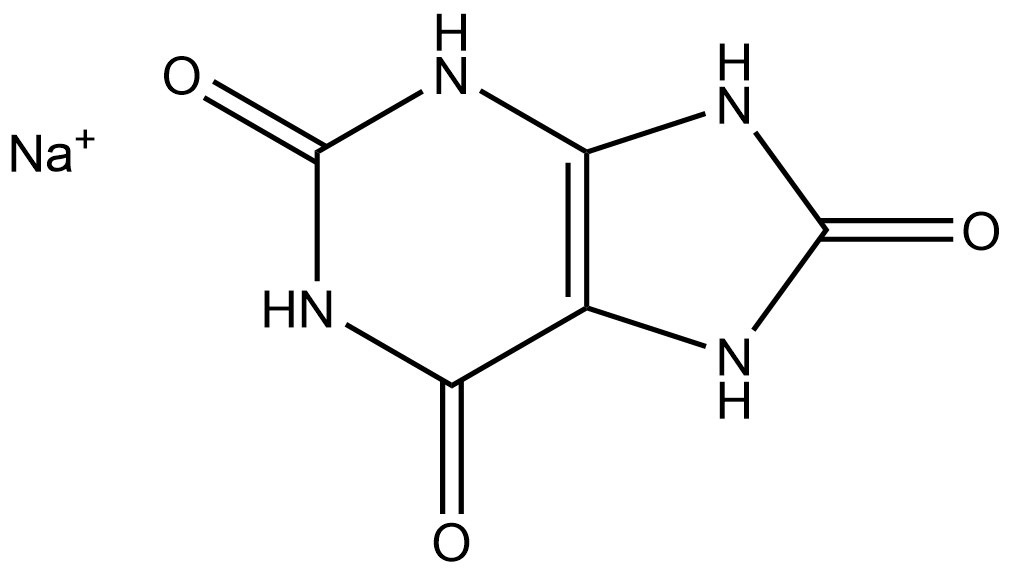
urate
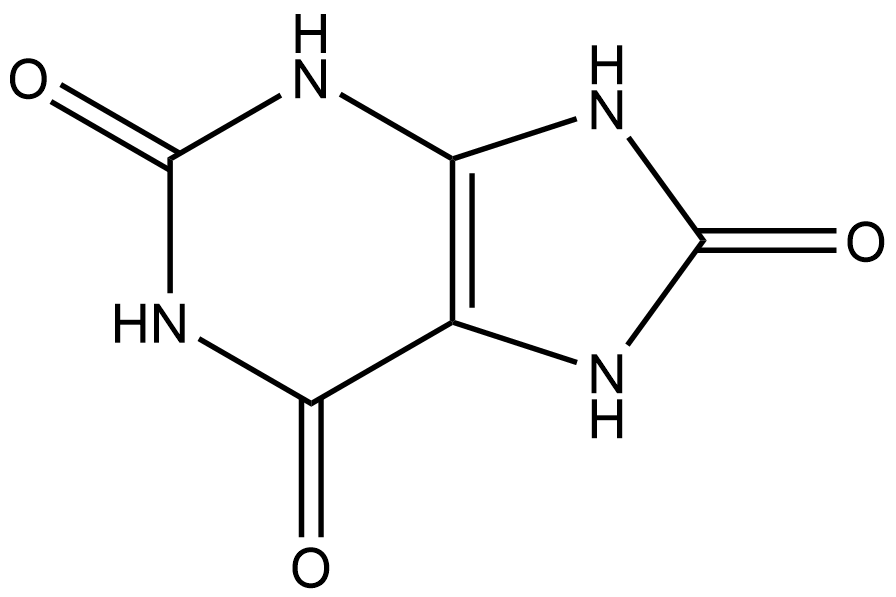
urate (CAS No.: 69-93-2) is the terminal metabolite of purine catabolism in humans, generated through the oxidation of xanthine and hypoxanthine by xanthine oxidase, and is widely studied as an endogenous small-molecule antioxidant in biochemical and pharmacological research. Functionally, urate acts as a scavenger of reactive oxygen and nitrogen species, including singlet oxygen and peroxynitrite, thereby inhibiting lipid peroxidation and contributing to redox homeostasis in cellular systems. Its biological activity is closely associated with oxidative stress pathways and purine metabolism, making it a relevant tool for investigating mechanisms of redox regulation, inflammation, and metabolic imbalance. In experimental settings, urate is frequently employed in cell-based assays to evaluate oxidative stress responses and in animal models to study hyperuricemia-associated pathophysiology, including hypertension and renal dysfunction. Although it does not exhibit classical receptor-mediated pharmacology, its effects are mediated through chemical interactions with reactive species and modulation of oxidative signaling cascades, typically observed at micromolar to millimolar concentrations depending on the system. As a research reagent, urate is also utilized in screening platforms aimed at identifying modulators of xanthine oxidase activity or oxidative stress-related pathways, with dosing and exposure parameters tailored to specific experimental designs.
| Physical Appearance | A solid |
| Storage | -20°C |
| M.Wt | 168.11 |
| Cas No. | 69-93-2 |
| Formula | C5H4N4O3 |
| Solubility | insoluble in H2O; insoluble in DMSO; insoluble in EtOH |
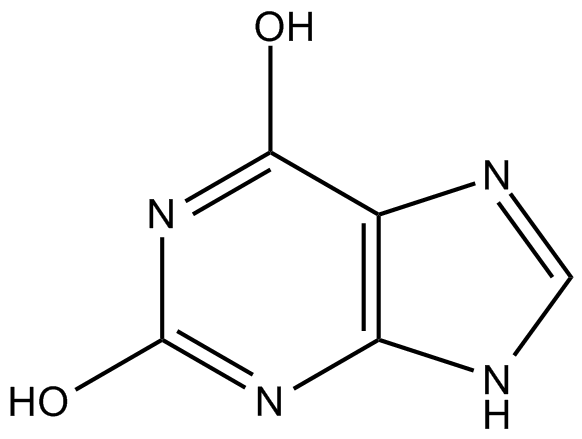
| Chemical Name | 7,9-dihydro-1H-purine-2,6,8(3H)-trione |
| Canonical SMILES | O=C1NC(=O)C=2NC(=O)NC2N1 |
| Shipping Condition | Small Molecules with Blue Ice, Modified Nucleotides with Dry Ice. |
| General tips | We do not recommend long-term storage for the solution, please use it up soon. |