phosphate
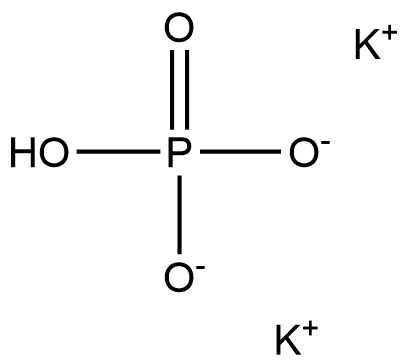
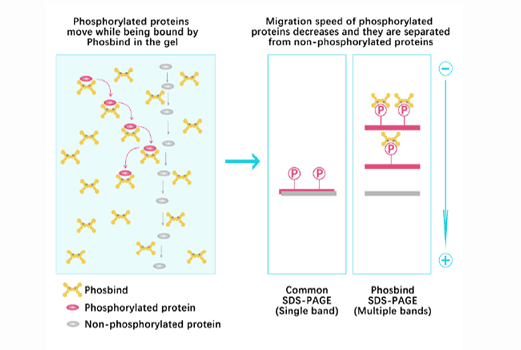
phosphate (CAS No.: 14265-44-2) is a fundamental inorganic anion widely distributed in biological systems and classified as a key biochemical intermediate involved in cellular metabolism and signal transduction processes. It plays a central role in phosphorylation reactions mediated by kinases and phosphatases, thereby regulating protein function, enzyme activity, cell cycle progression, gene expression, and diverse metabolic pathways. As an essential structural and functional component of adenosine triphosphate and nucleic acid backbones, phosphate is indispensable for cellular energy transfer and the storage and propagation of genetic information. In research settings, phosphate is extensively utilized in studies of protein phosphorylation dynamics, intracellular signaling cascades such as MAPK and PI3K/Akt pathways, and metabolic flux analysis. Although it does not act as a conventional ligand with defined binding affinities, its involvement in enzymatic reactions and signaling events typically occurs across concentration ranges from micromolar to millimolar levels depending on cellular context and experimental design. Phosphate is broadly applied in biochemical assays, cell-based models, and molecular biology workflows, including kinase activity assays, phosphoproteomics, and investigations of signal transduction mechanisms, with experimental concentrations or conditions tailored to specific study objectives.
| Physical Appearance | A solid |
| Storage | -20°C |
| M.Wt | 174.18 |
| Cas No. | 14265-44-2 |
| Formula | HK2O4P |
| Solubility | insoluble in DMSO; insoluble in EtOH; ≥42.9 mg/mL in H2O |
| Chemical Name | potassium hydrogen phosphate |
| Canonical SMILES | OP([O-])([O-])=O.[K+].[K+] |
| Shipping Condition | Small Molecules with Blue Ice, Modified Nucleotides with Dry Ice. |
| General tips | We do not recommend long-term storage for the solution, please use it up soon. |