


Immunology/Inflammation
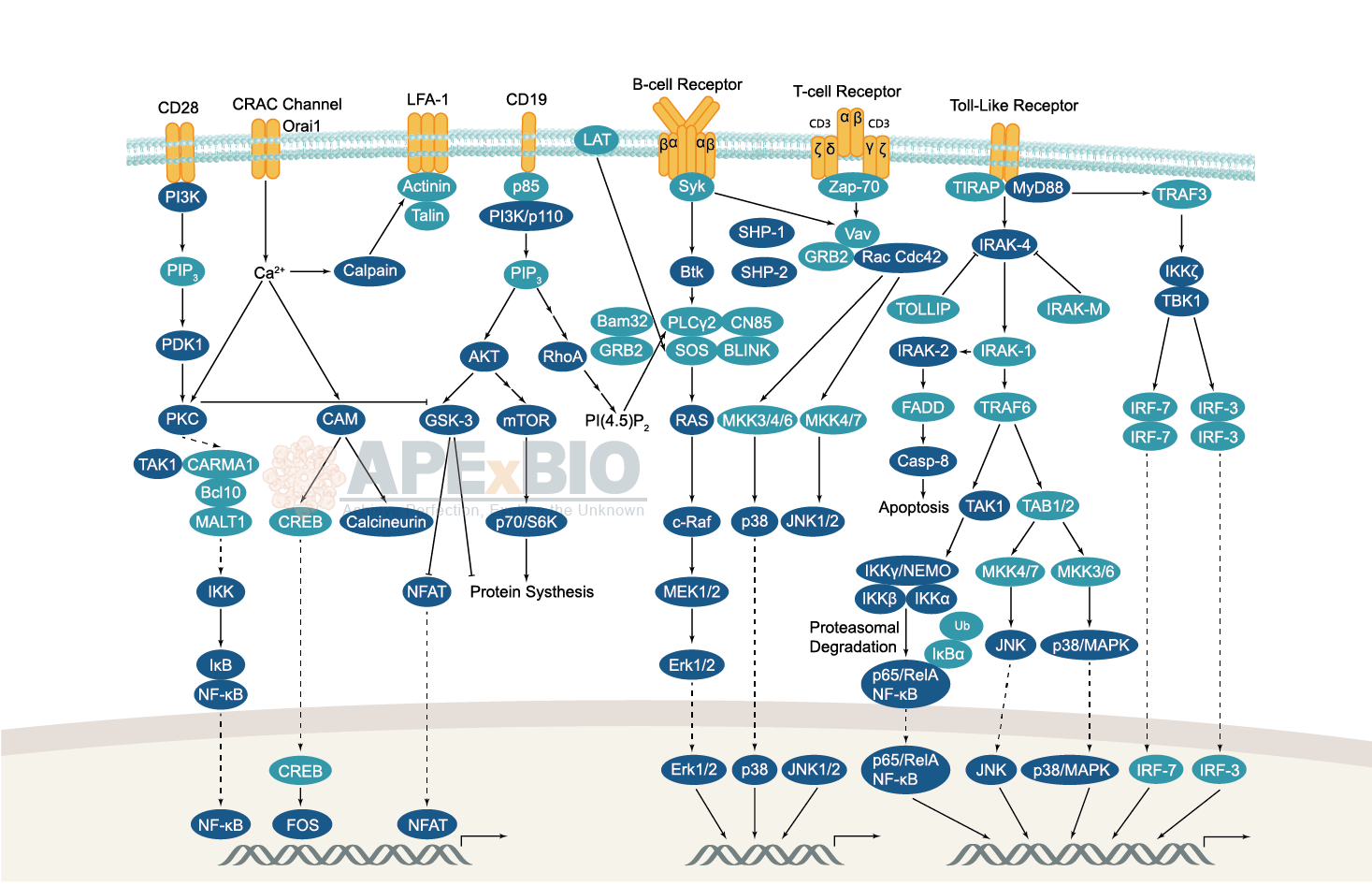
The adaptive immune system consists of B and T lymphocytes which mediate humoral immunity (e.g. antibody response) and cell-mediated immunity, respectively. B cell receptor and T cell receptor signaling is responsible for activation of Src family tyrosine kinases, such as Blk, Fyn, and Lyn in B cells and Fyn and Lck in T cells, resulting phosphorylation of the receptor-associated ITAM motifs. Phosphorylated ITAMs serve as the docking sites for Syk family tyrosine kinases, e.g. Syk in B cells and Zap-70 in T cells. Activated Syk kinases then propagate the signals via phosphorylation of downstream proteins. Furthermore, lymphocyte receptor signaling facilitates B and T cell development, differentiation, proliferation and survival.
-
 C9104 C-178Summary: A research-grade chemical probe that selectively and covalently inhibits the STING pathway.
 -
C9118 EC330Summary: A LIFR-antagonistic steroidal small-molecule pathway probe, suitable for in vitro tumor and cytokine research.
-
C9120 GO-203 TFASummary: A cell-permeable all-D peptide research tool that selectively targets MUC1-C, for research use.
-
N2967 Leonurine HClSummary: An alkaloid hydrochloride derived from the genus Leonurus, used for in vitro research on inflammation and oxidative stress.
-
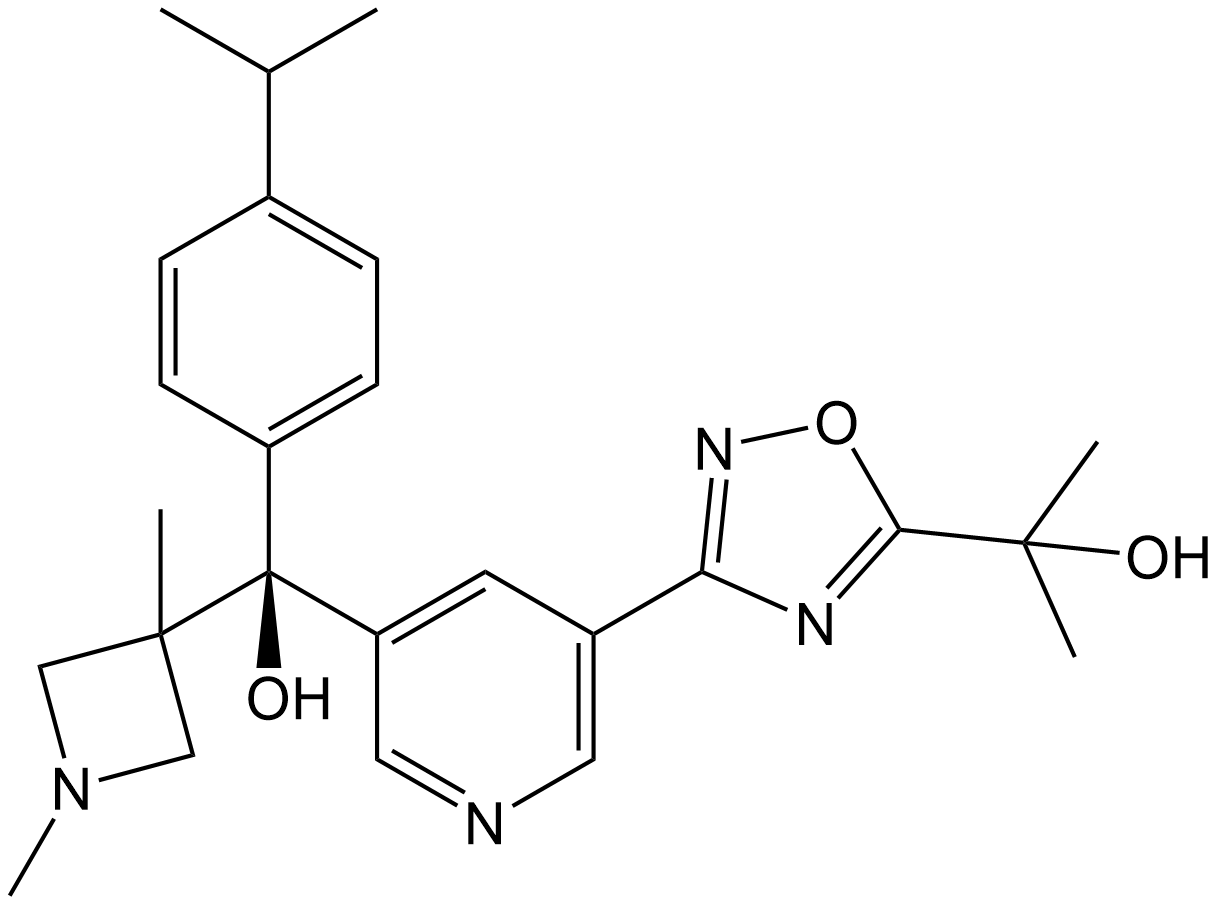 C9078 IDOR-1117-2520Summary: An orally active, potent, selective, reversible CCR6 antagonist