


Immunology/Inflammation
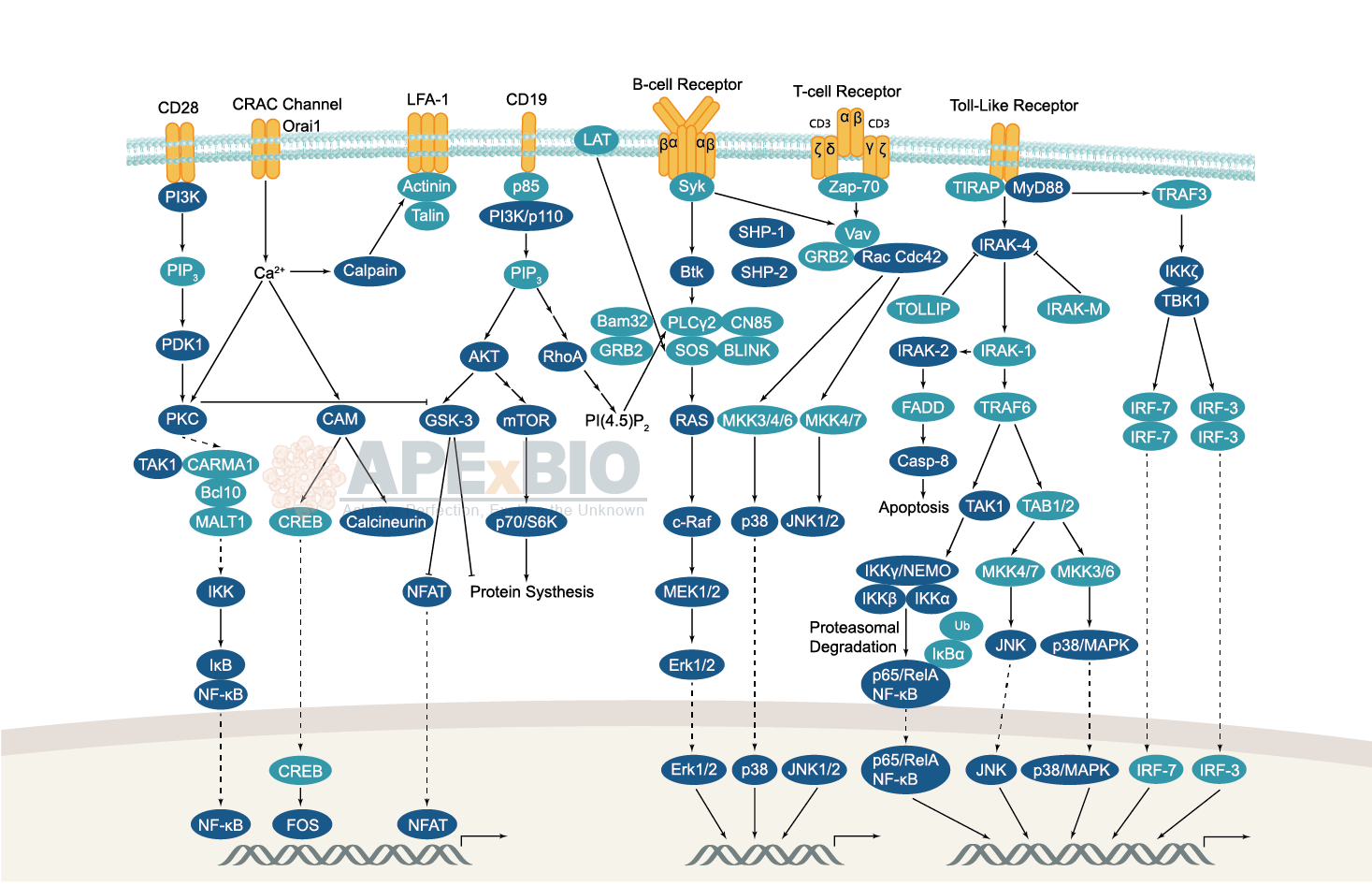
The adaptive immune system consists of B and T lymphocytes which mediate humoral immunity (e.g. antibody response) and cell-mediated immunity, respectively. B cell receptor and T cell receptor signaling is responsible for activation of Src family tyrosine kinases, such as Blk, Fyn, and Lyn in B cells and Fyn and Lck in T cells, resulting phosphorylation of the receptor-associated ITAM motifs. Phosphorylated ITAMs serve as the docking sites for Syk family tyrosine kinases, e.g. Syk in B cells and Zap-70 in T cells. Activated Syk kinases then propagate the signals via phosphorylation of downstream proteins. Furthermore, lymphocyte receptor signaling facilitates B and T cell development, differentiation, proliferation and survival.
-
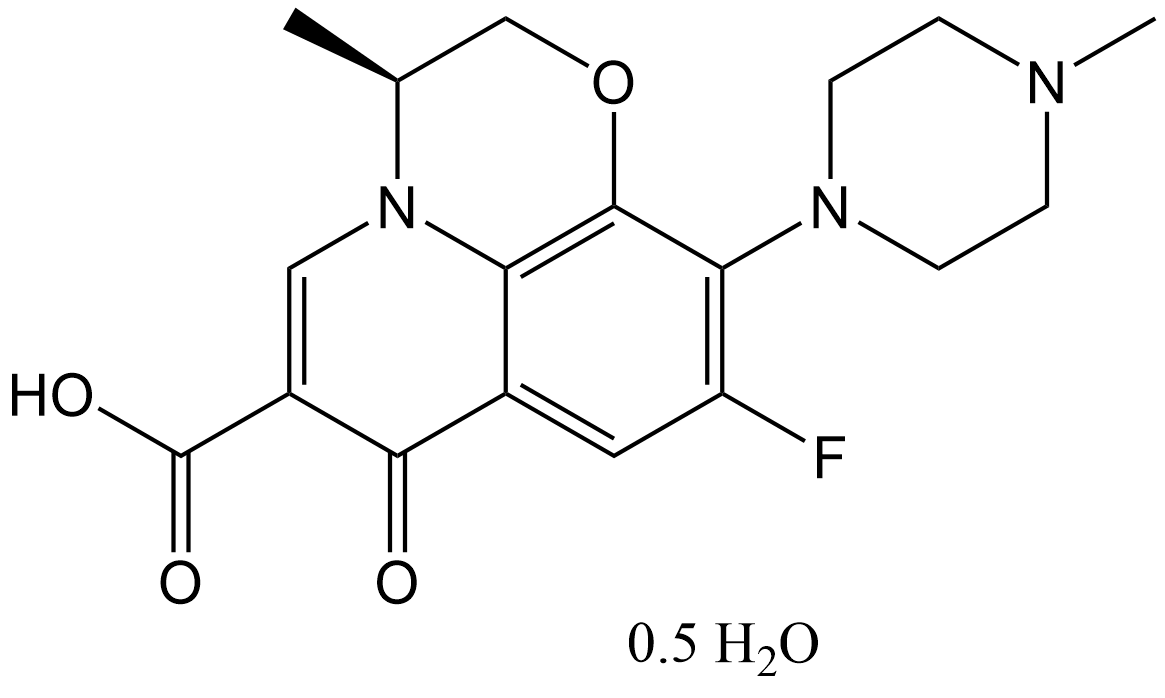 N2897 Levofloxacin hemihydrateSummary: A broad-spectrum third-generation fluoroquinolone antibiotic that targets bacterial DNA gyrase and topoisomerase IV.
 -
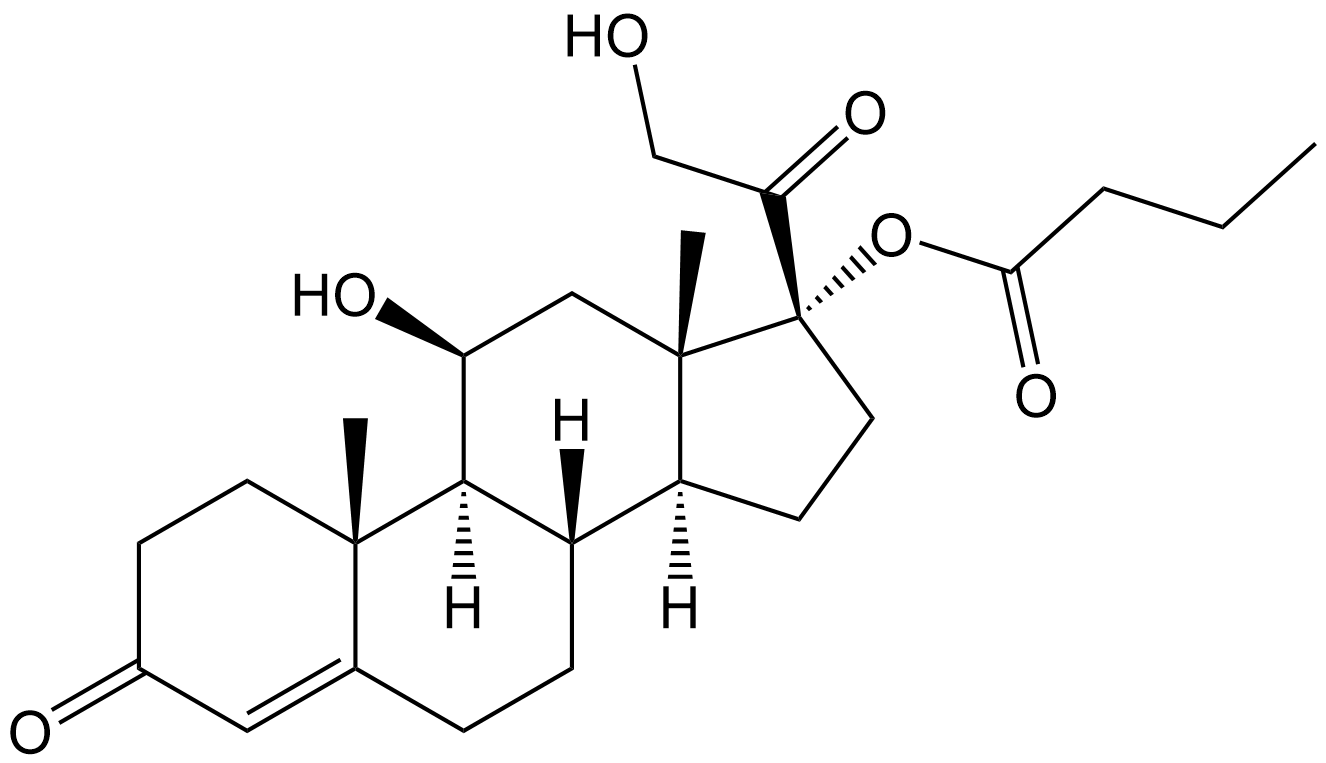 N2898 Hydrocortisone butyrateSummary: A potent synthetic glucocorticoid receptor (GR) agonist.
 -
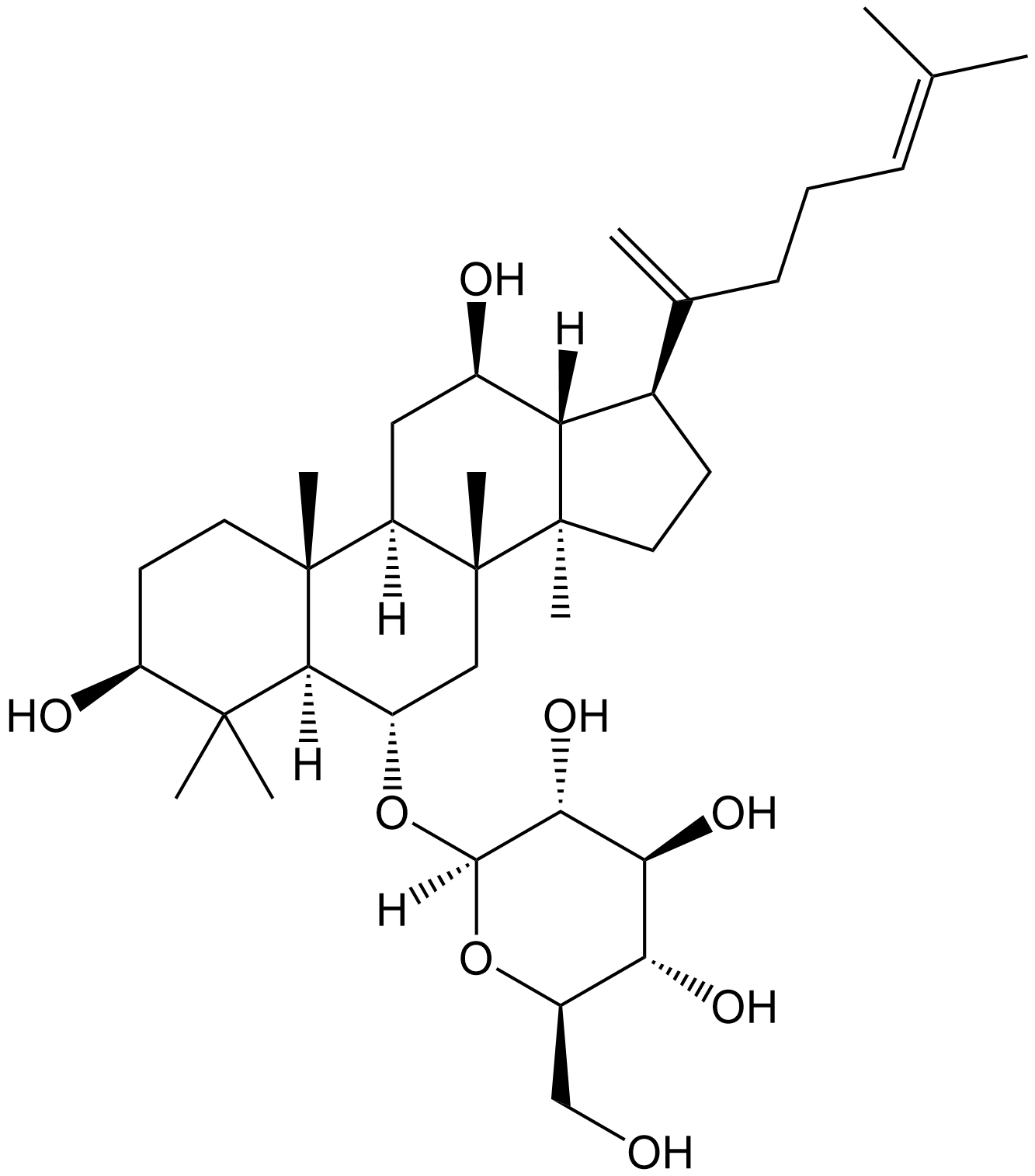 N2901 Ginsenoside Rk3Summary: A saponin NF-κB transcriptional activity inhibitor derived from ginseng root.
 -
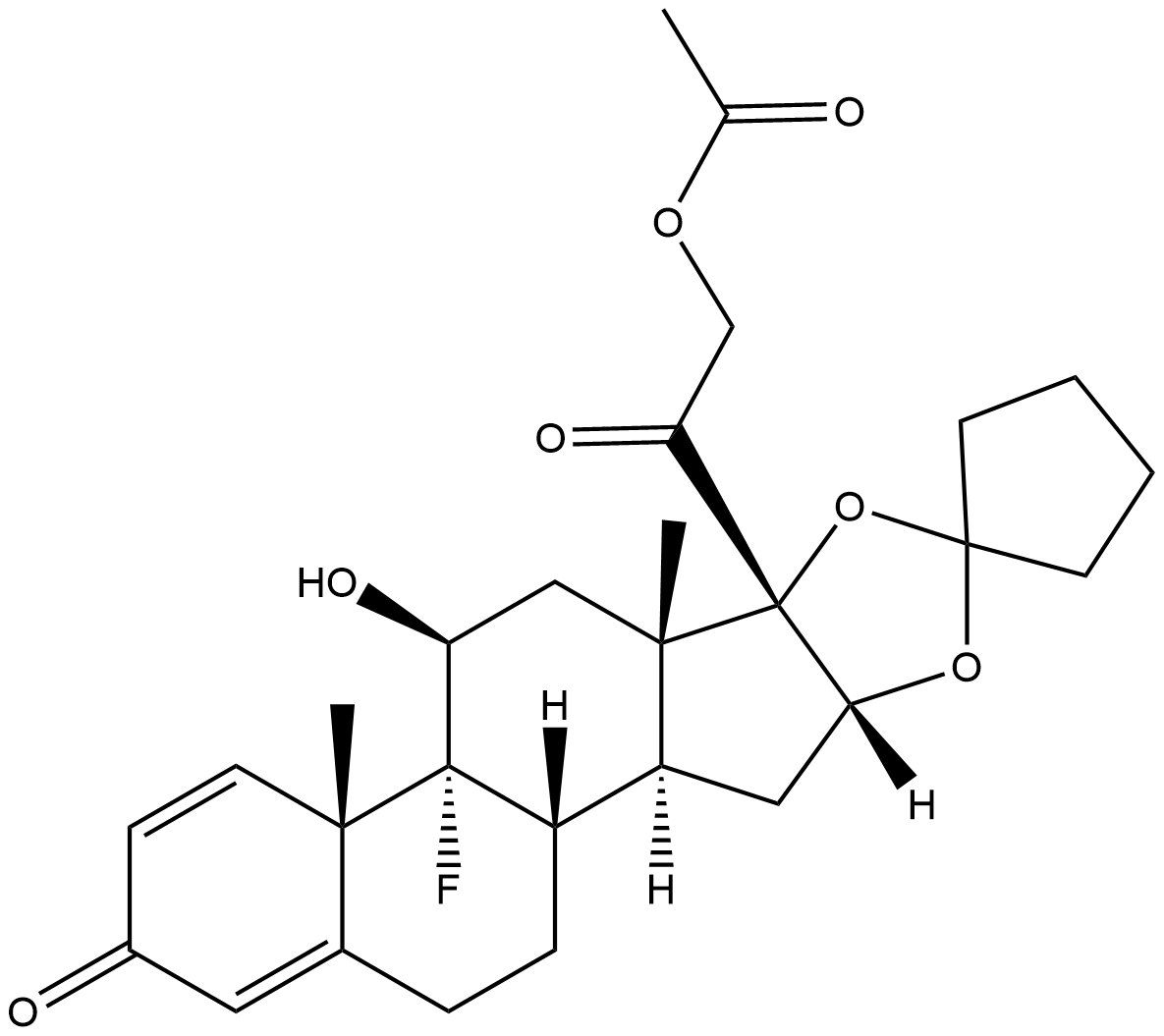 B8757 AmcinonideSummary: An effective corticosteroid hormone receptor agonist.
 -
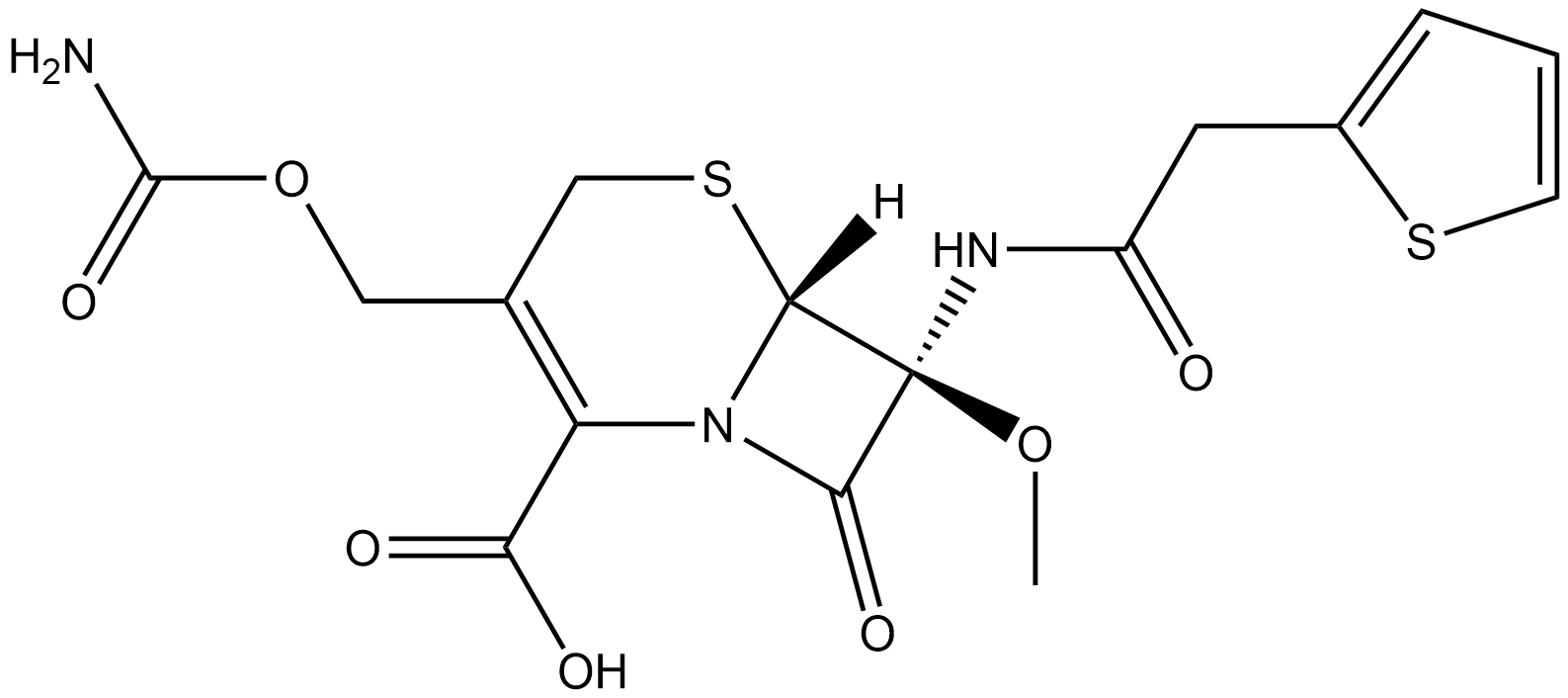 BA1022 CefoxitinSummary: A broad-spectrum second-generation cephalosporin antibiotic that is stable against β-lactamases.
 -
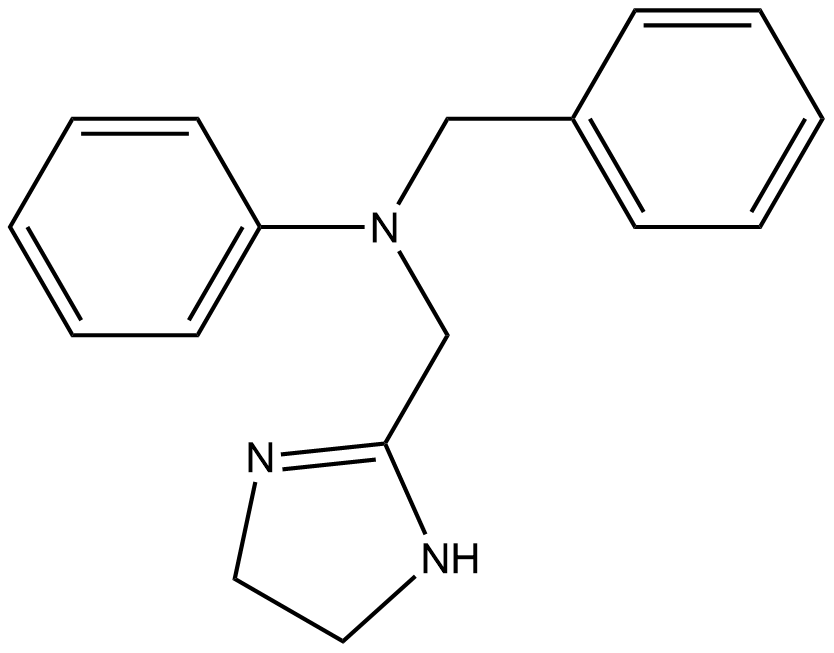 BA5430 AntazolineSummary: A histamine H1 receptor antagonist with anticholinergic and antiviral activities.
 -
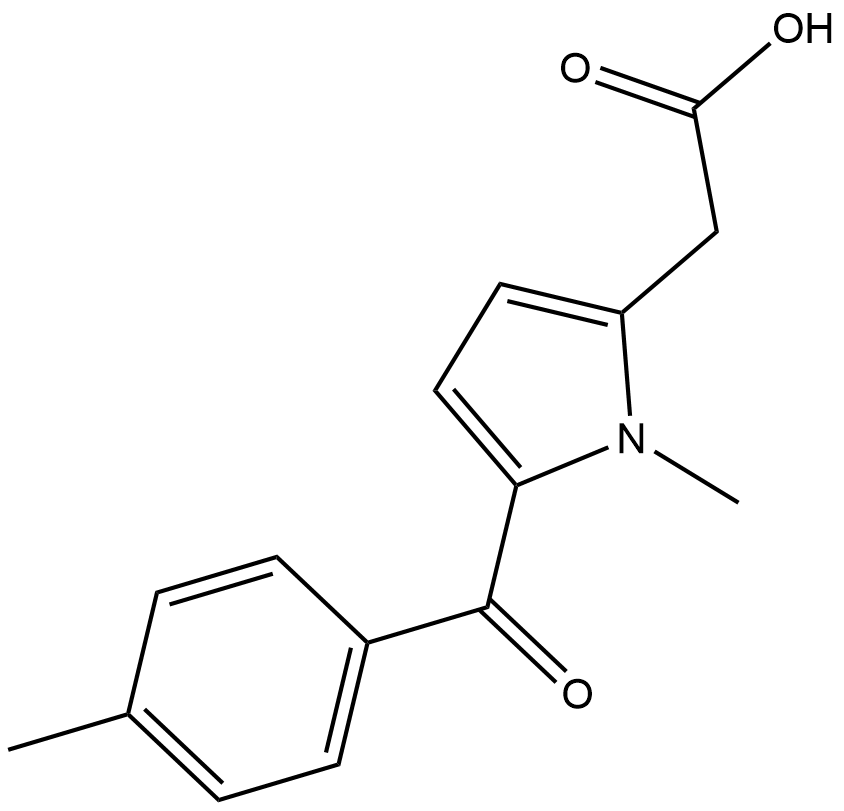 BA5906 TolmetinSummary: An orally active, potent cyclooxygenase (COX-1/COX-2) inhibitor.
 -
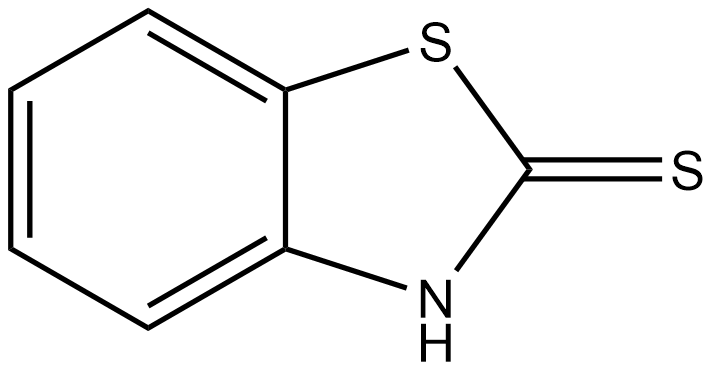 BA7573 2-MercaptobenzothiazoleSummary: An aryl hydrocarbon receptor (AhR) activator that inhibits thyroid peroxidase activity.
 -
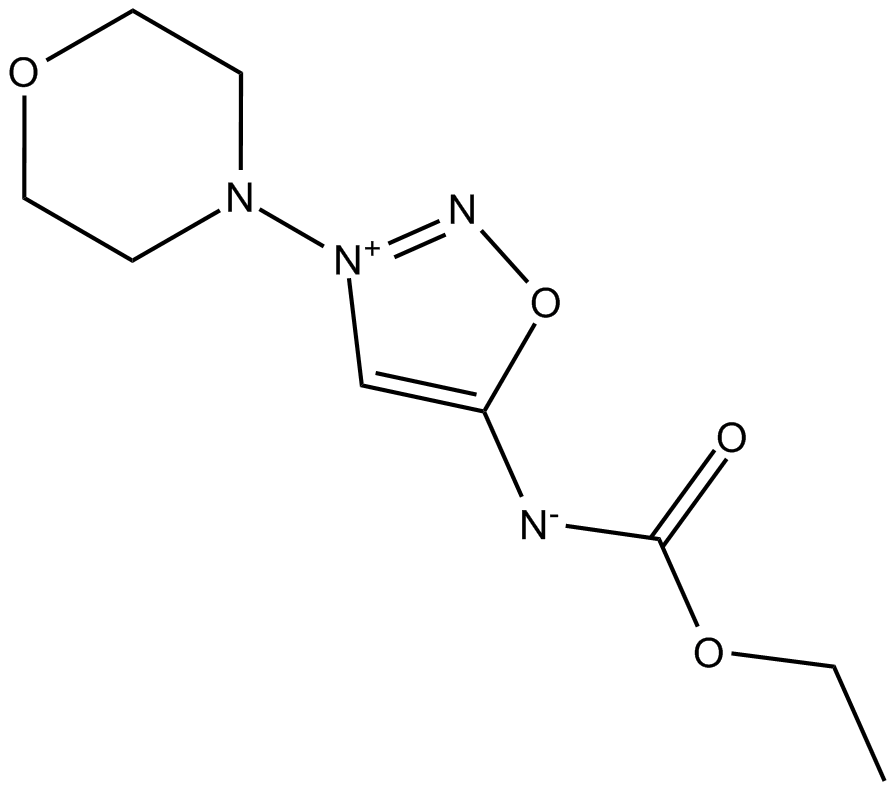 C3366 MolsidomineSummary: A prodrug that releases nitric oxide (NO) and produces vasodilatory effects.
 -
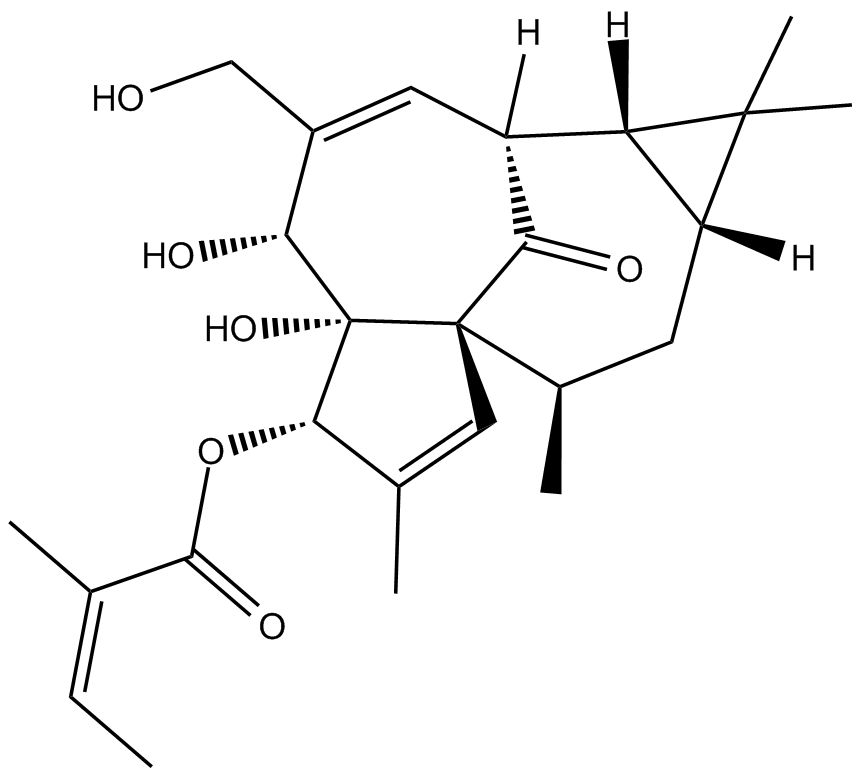 C3844 Ingenol-3-angelateSummary: A diterpene ester protein kinase C (PKC) modulator derived from Euphorbia peplus.