


Immunology/Inflammation
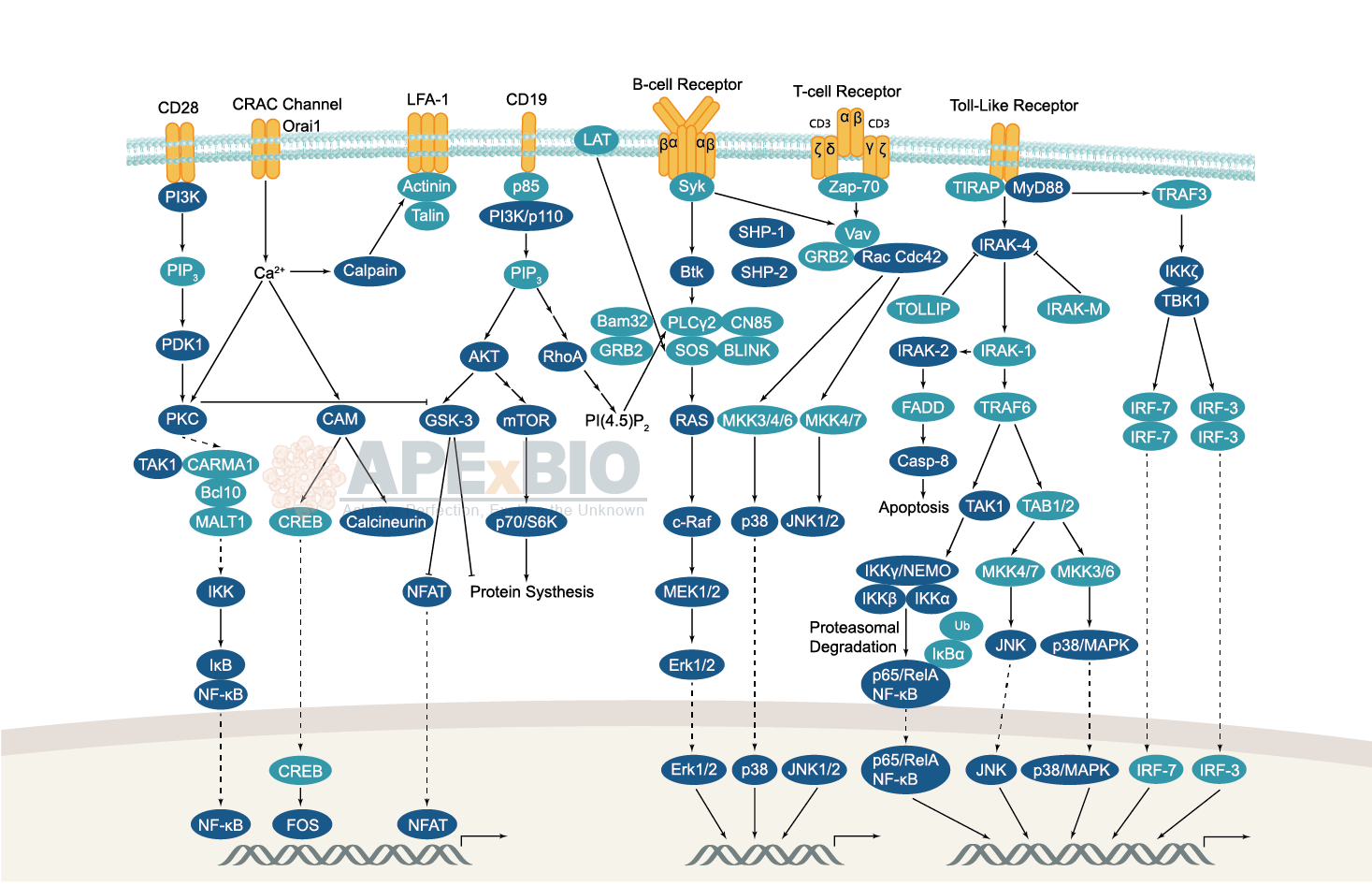
The adaptive immune system consists of B and T lymphocytes which mediate humoral immunity (e.g. antibody response) and cell-mediated immunity, respectively. B cell receptor and T cell receptor signaling is responsible for activation of Src family tyrosine kinases, such as Blk, Fyn, and Lyn in B cells and Fyn and Lck in T cells, resulting phosphorylation of the receptor-associated ITAM motifs. Phosphorylated ITAMs serve as the docking sites for Syk family tyrosine kinases, e.g. Syk in B cells and Zap-70 in T cells. Activated Syk kinases then propagate the signals via phosphorylation of downstream proteins. Furthermore, lymphocyte receptor signaling facilitates B and T cell development, differentiation, proliferation and survival.
-
 N2914 Benzyl cinnamateSummary: Benzyl cinnamate is an aromatic ester and phenylpropanoid-related compound used as a reference standard in natural products chemistry and formulation research.
 -
N2916 Dimethyl phthalateSummary: Dimethyl phthalate is a phthalate ester commonly used as a solvent and plasticizer in analytical chemistry, toxicology, and environmental exposure research.
-
N2925 Octyl gallateSummary: Octyl gallate is a lipophilic phenolic antioxidant and radical scavenger used to investigate oxidative stress mechanisms, lipid peroxidation, and redox-related cellular pathways.
-
N2928 Dracohodin perochlorateSummary: Dracohodin perochlorate is a synthetic small molecule investigated for modulation of cellular signaling pathways and utilized in mechanistic studies of inflammation and oncology biology.
-
N2929 Propyl gallateSummary: Propyl gallate (CAS 121-79-9) is a phenolic antioxidant that modulates oxidative stress pathways and is widely used in redox biology and cell stress research.
-
N2937 Sodium ThiocyanateSummary: Sodium thiocyanate is an inorganic chaotropic salt that perturbs hydrogen-bonding networks and is utilized in protein denaturation, enzyme kinetics, and structural biochemistry research.
-
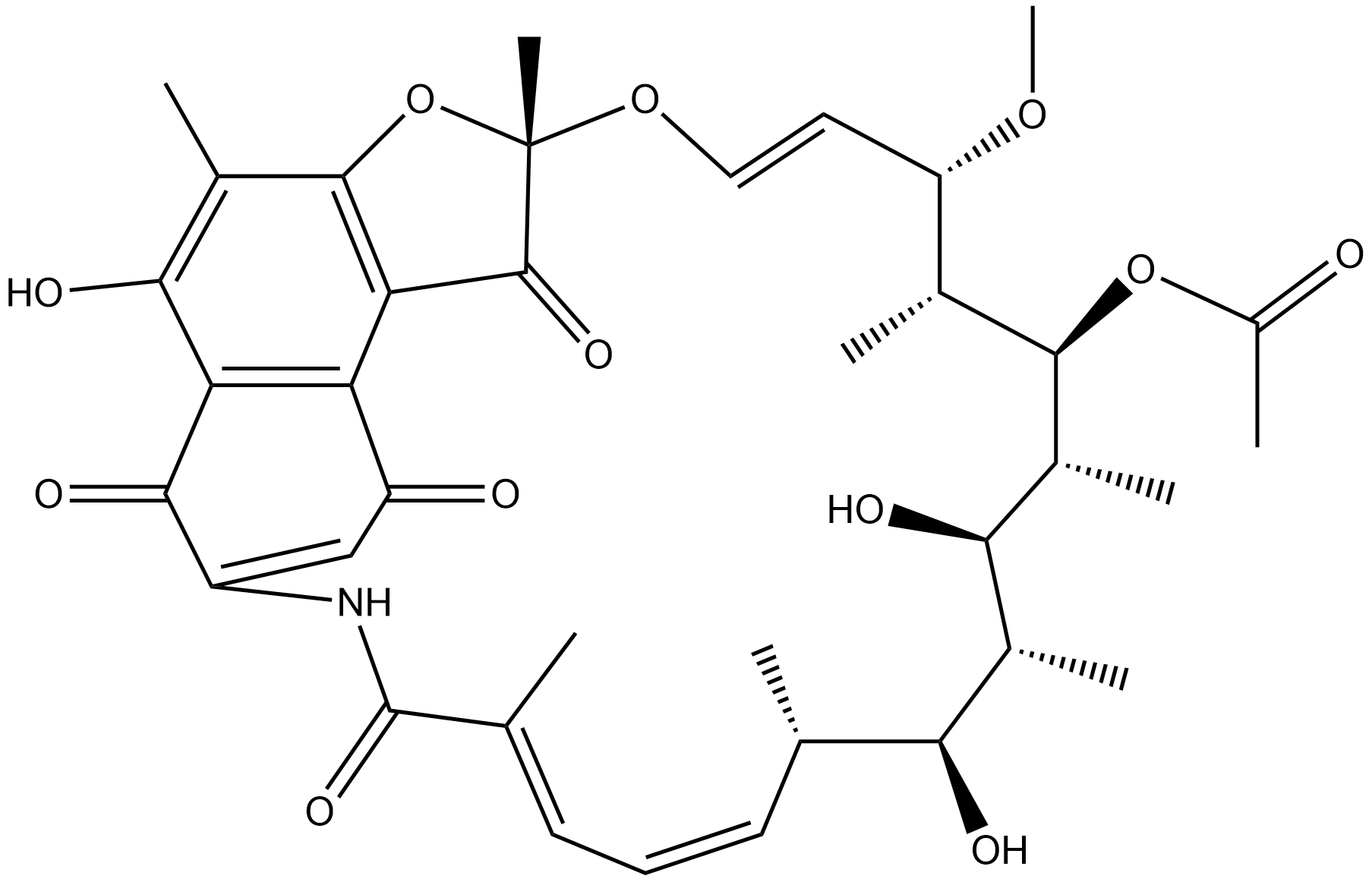 N2940 Rifamycin SSummary: Rifamycin S is an ansamycin antibiotic that inhibits bacterial DNA-dependent RNA polymerase, widely utilized in microbiology and antimicrobial resistance mechanism research.
 -
N2949 Benzyl isothiocyanateSummary: Benzyl isothiocyanate is a naturally occurring isothiocyanate that modulates phase II detoxification and apoptosis-related signaling, widely utilized in cancer chemoprevention research.
-
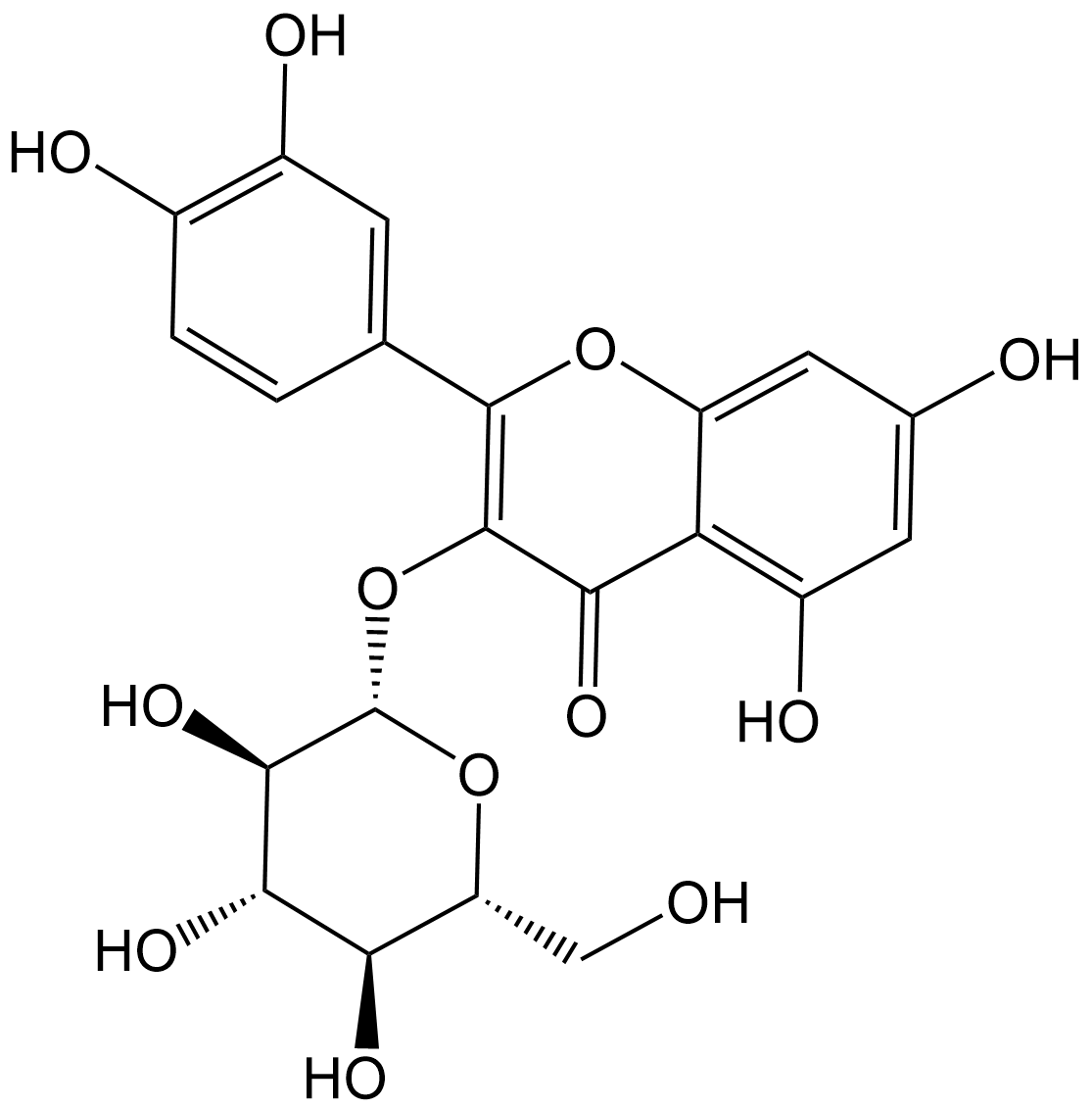 N2895 IsoquercitrinSummary: A natural polyphenolic flavonoid inhibitor of the Wnt/β-catenin pathway.
 -
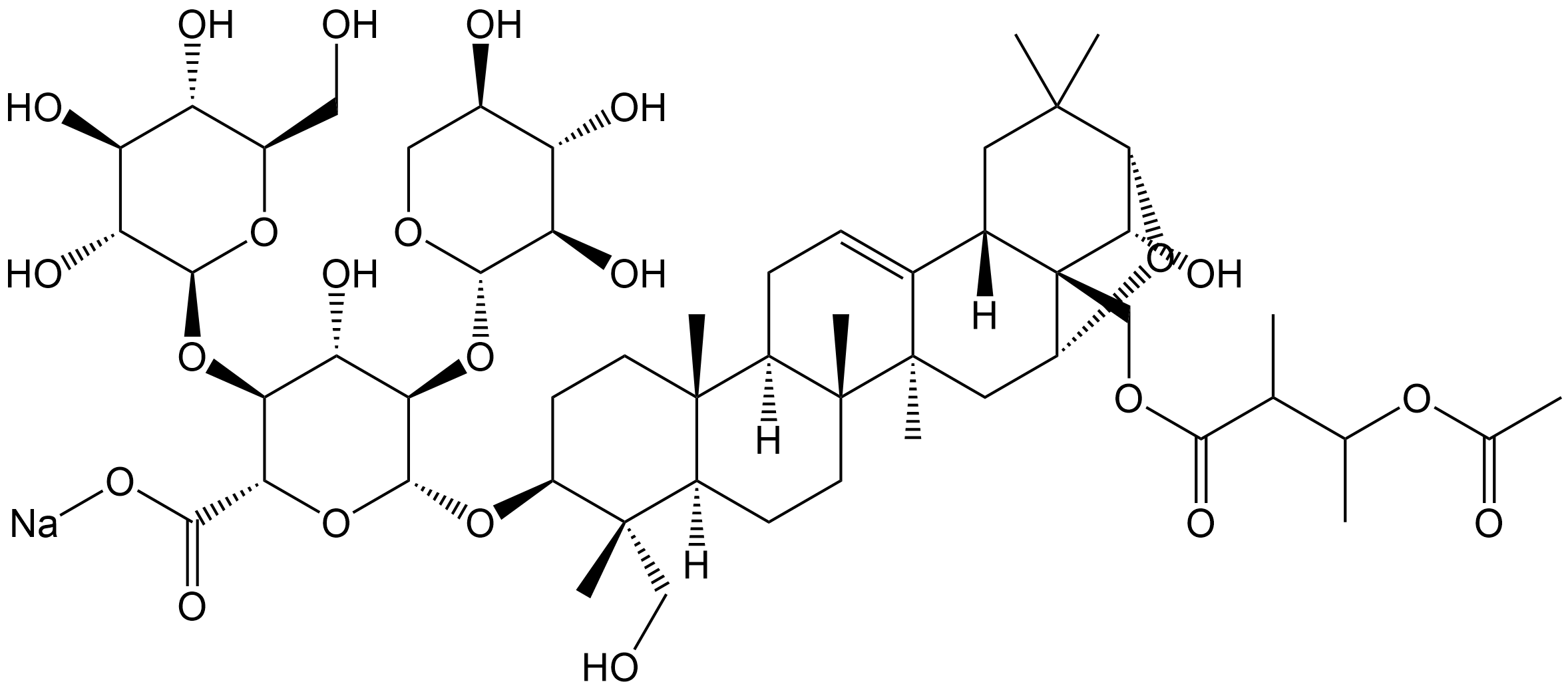 N2896 Sodium aescinateSummary: A triterpenoid saponin compound that regulates the CARMA3/NF-κB signaling pathway.