


Immunology/Inflammation
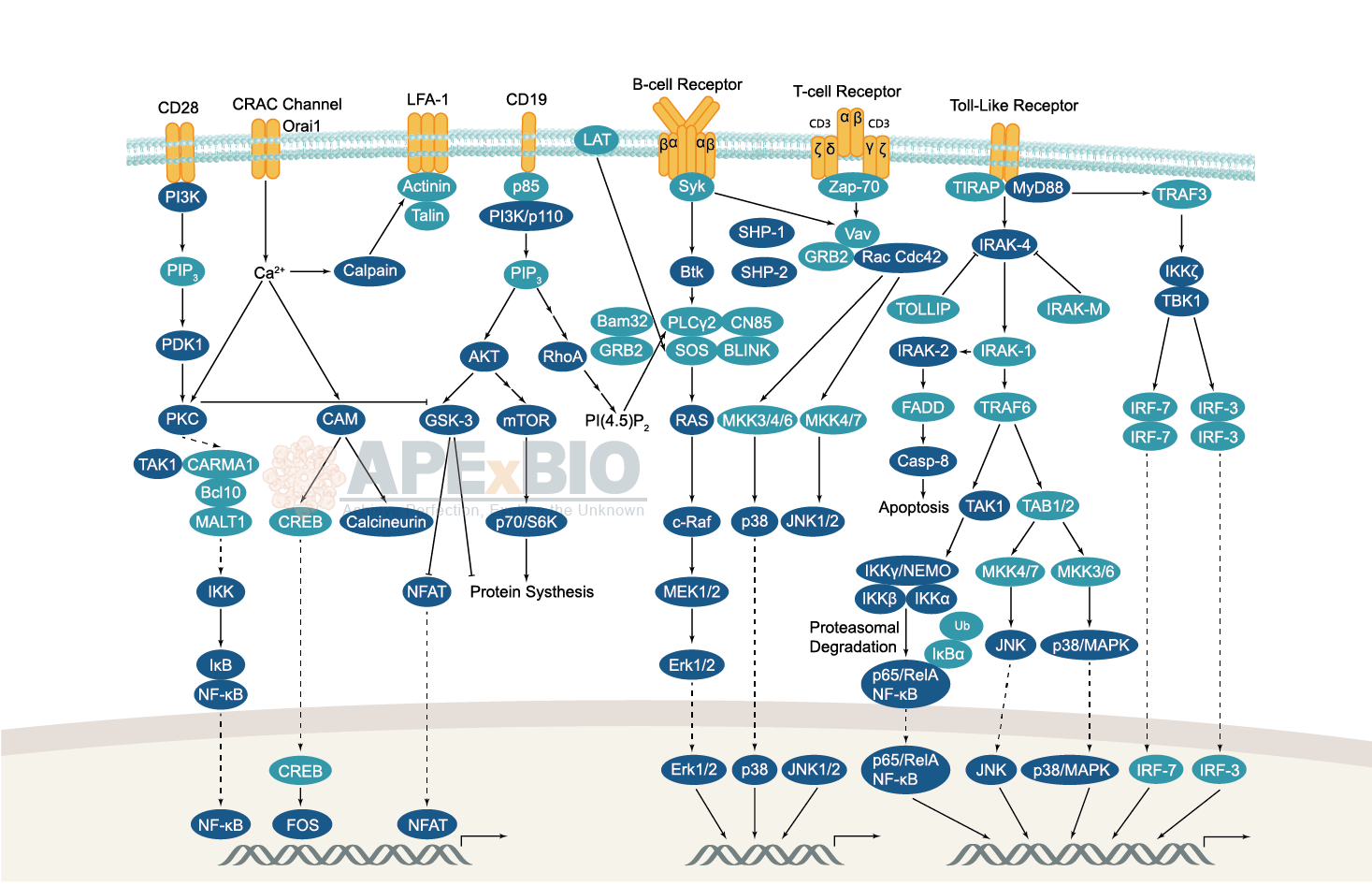
The adaptive immune system consists of B and T lymphocytes which mediate humoral immunity (e.g. antibody response) and cell-mediated immunity, respectively. B cell receptor and T cell receptor signaling is responsible for activation of Src family tyrosine kinases, such as Blk, Fyn, and Lyn in B cells and Fyn and Lck in T cells, resulting phosphorylation of the receptor-associated ITAM motifs. Phosphorylated ITAMs serve as the docking sites for Syk family tyrosine kinases, e.g. Syk in B cells and Zap-70 in T cells. Activated Syk kinases then propagate the signals via phosphorylation of downstream proteins. Furthermore, lymphocyte receptor signaling facilitates B and T cell development, differentiation, proliferation and survival.
-
 C8828 Anisotropine MethylbromideSummary: Anisotropine methylbromide is a quaternary ammonium antimuscarinic agent targeting cholinergic muscarinic receptors, utilized in pharmacological and neurophysiological receptor-signaling research.
 -
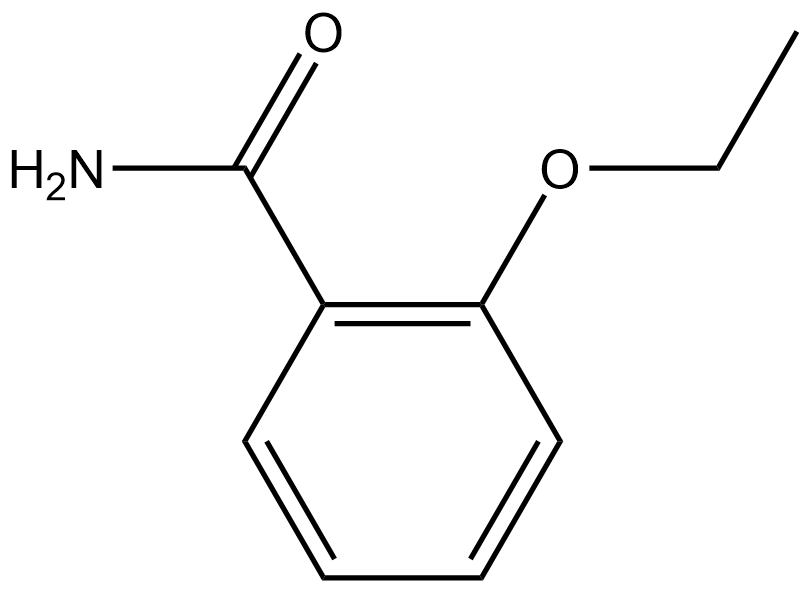 C8835 2-EthoxybenzamideSummary: 2-Ethoxybenzamide is an aromatic benzamide derivative used as a synthetic intermediate and reference standard in medicinal chemistry and analytical method development research.
 -
C8842 TafluprostSummary: Tafluprost is a fluorinated prostaglandin F2α analog and selective FP receptor agonist used to investigate prostanoid signaling and ocular physiology in experimental research.
-
C8844 Ecabet sodiumSummary: Ecabet sodium (CAS 86408-72-2) is a gastroprotective quinolone derivative used as a biochemical probe in gastric mucosal barrier and cytoprotection mechanism research.
-
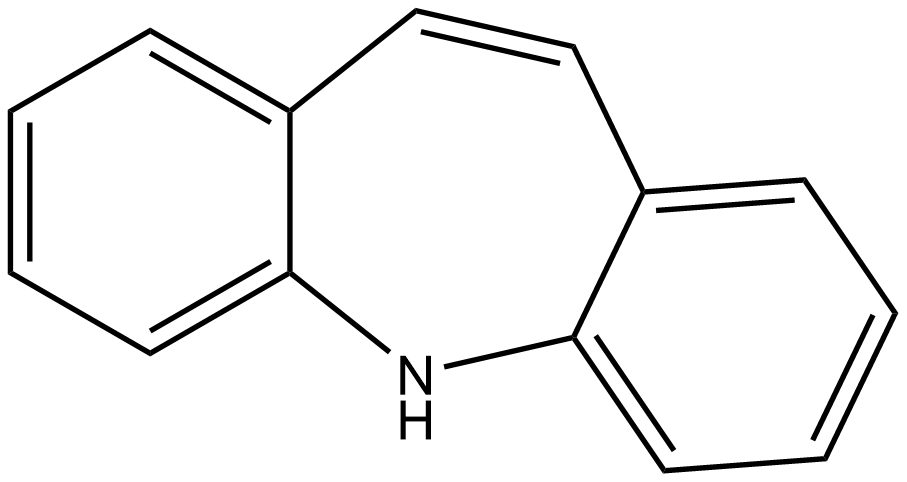 C8848 IminostilbeneSummary: Iminostilbene is a tricyclic dibenzazepine scaffold compound used as a synthetic intermediate and reference standard in neuropharmacology and medicinal chemistry research.
 -
C8857 Imidazolidinyl UreaSummary: Imidazolidinyl Urea is a formaldehyde-releasing antimicrobial preservative utilized as a model compound in microbiology, formulation stability, and preservative efficacy research.
-
C8860 UfenamateSummary: Ufenamate is a fenamate-class nonsteroidal anti-inflammatory compound that modulates cyclooxygenase-mediated prostaglandin biosynthesis and is utilized in inflammation and lipid-signaling research.
-
C8872 BendazacSummary: Bendazac is a benzoylacetic acid derivative that modulates protein aggregation pathways and is utilized in biochemical and ophthalmic lens opacity research.
-
C8881 Landiolol hydrochlorideSummary: Landiolol hydrochloride is an ultra-short-acting, selective β1-adrenergic receptor antagonist used to investigate sympathetic signaling and cardiac electrophysiology in cardiovascular research.
-
C8889 DesoximetasoneSummary: Desoximetasone is a synthetic glucocorticoid receptor agonist modulating glucocorticoid-responsive transcriptional pathways, utilized in inflammation signaling and steroid receptor mechanism research.