


Immunology/Inflammation
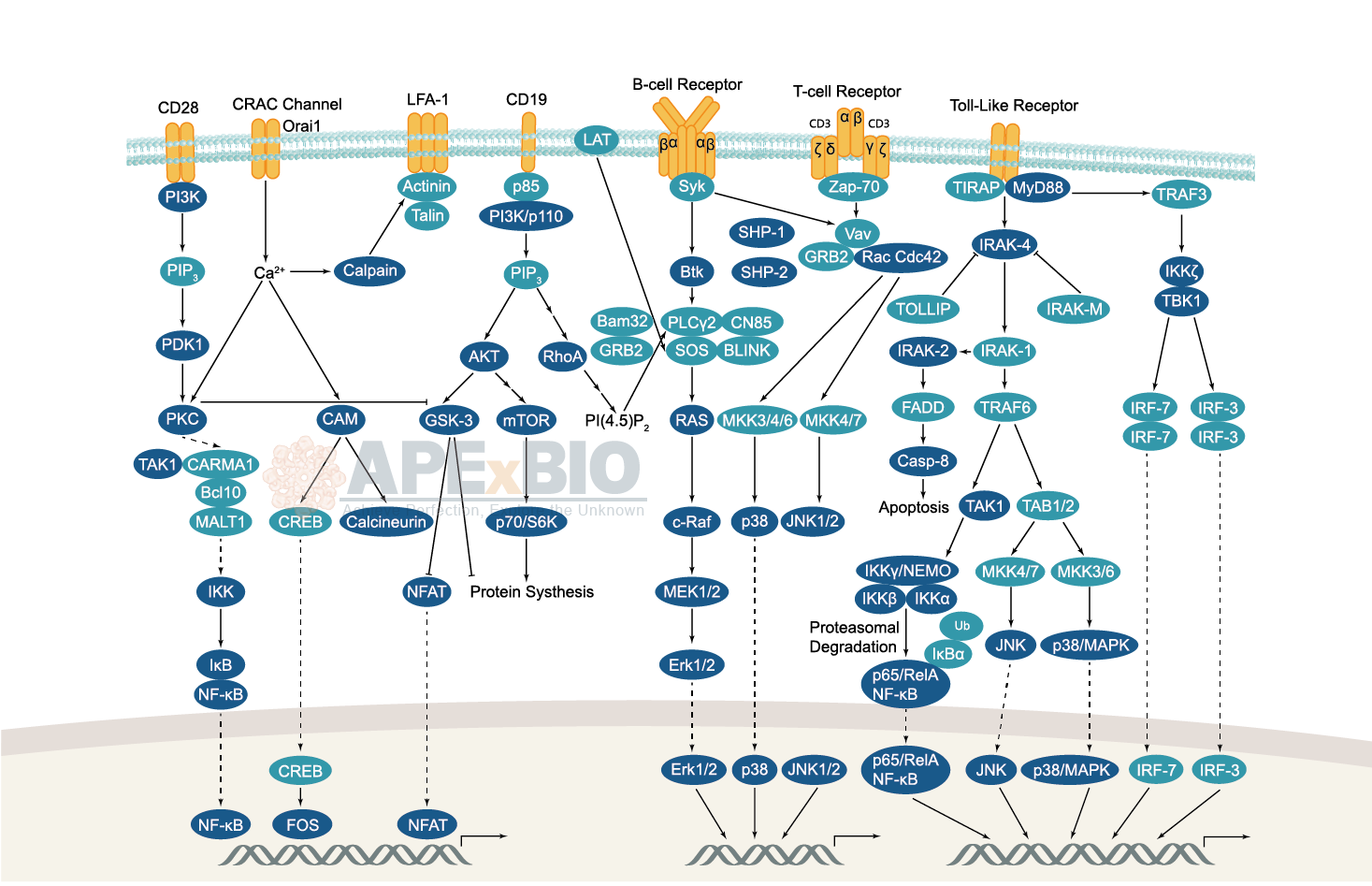
The adaptive immune system consists of B and T lymphocytes which mediate humoral immunity (e.g. antibody response) and cell-mediated immunity, respectively. B cell receptor and T cell receptor signaling is responsible for activation of Src family tyrosine kinases, such as Blk, Fyn, and Lyn in B cells and Fyn and Lck in T cells, resulting phosphorylation of the receptor-associated ITAM motifs. Phosphorylated ITAMs serve as the docking sites for Syk family tyrosine kinases, e.g. Syk in B cells and Zap-70 in T cells. Activated Syk kinases then propagate the signals via phosphorylation of downstream proteins. Furthermore, lymphocyte receptor signaling facilitates B and T cell development, differentiation, proliferation and survival.
-
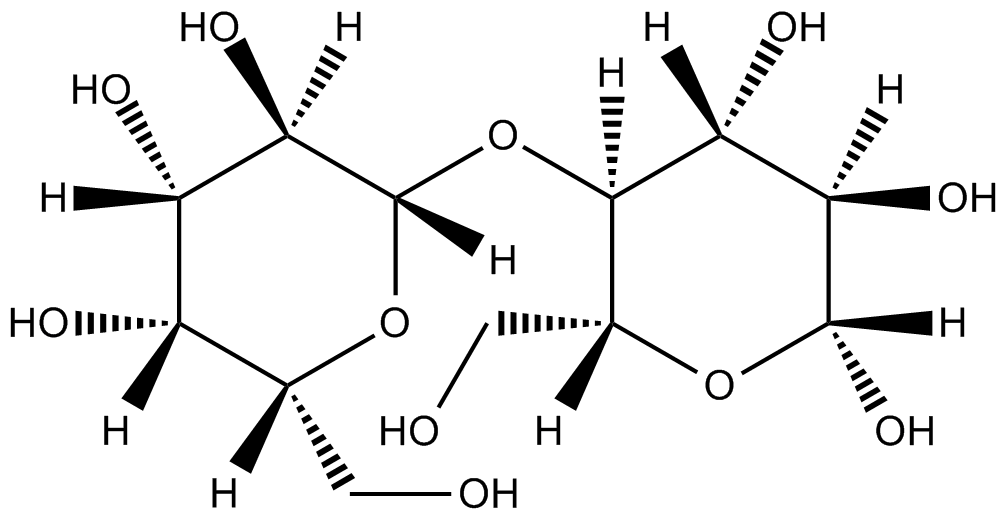 M1201 lactoseSummary: A disaccharide used for tablet preparation, nutritional supplementation, and immune modulation.
-
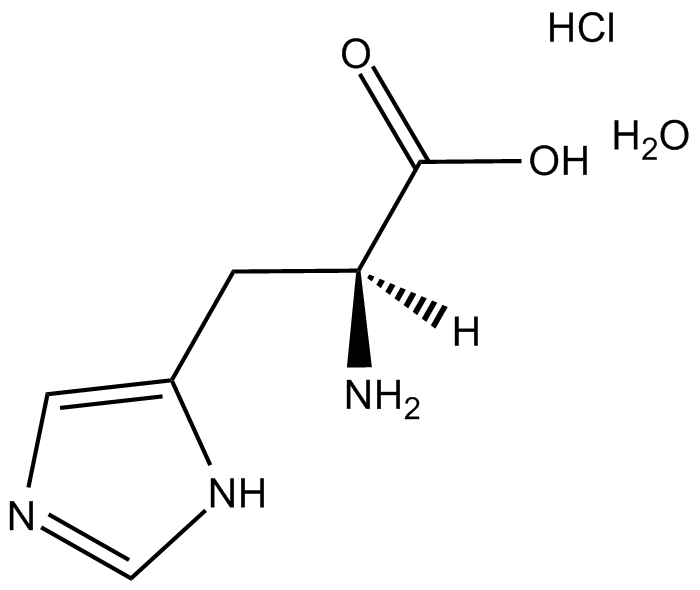 M1488 L-Histidine monohydrochloride monohydrateSummary: An endogenous metabolite used for metabolic disease research and cellular immune regulation.
-
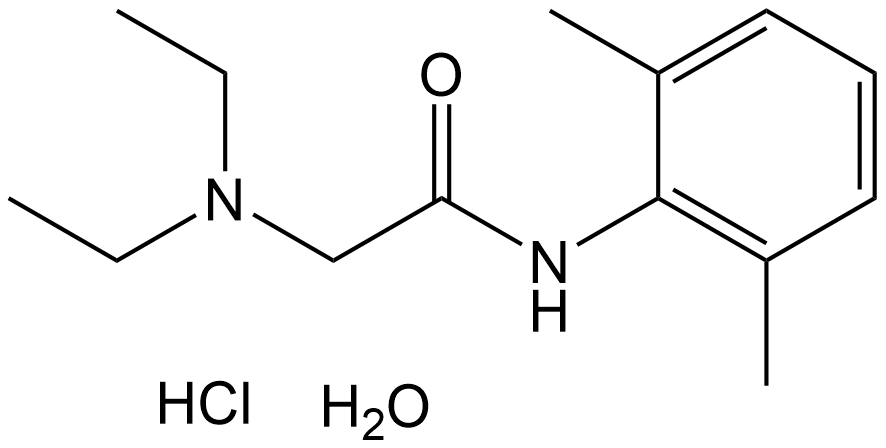 C8814 Lidocaine hydrochloride hydrateSummary: A research-use reagent for studying local anesthetics and antiarrhythmic agents
-
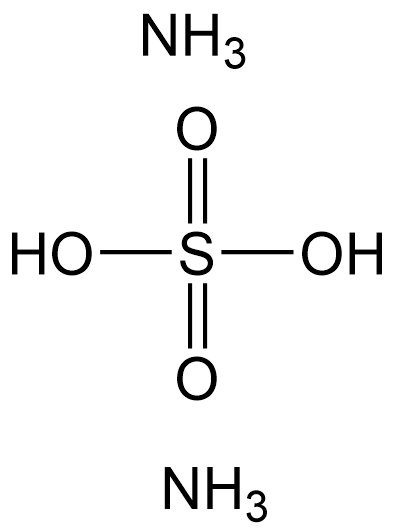 C8768 Ammonium sulfateSummary: Ammonium sulfate is a laboratory-grade inorganic sulfate salt used for protein precipitation and fractionation in molecular biology, protein biochemistry, immunology, and plant research.
-
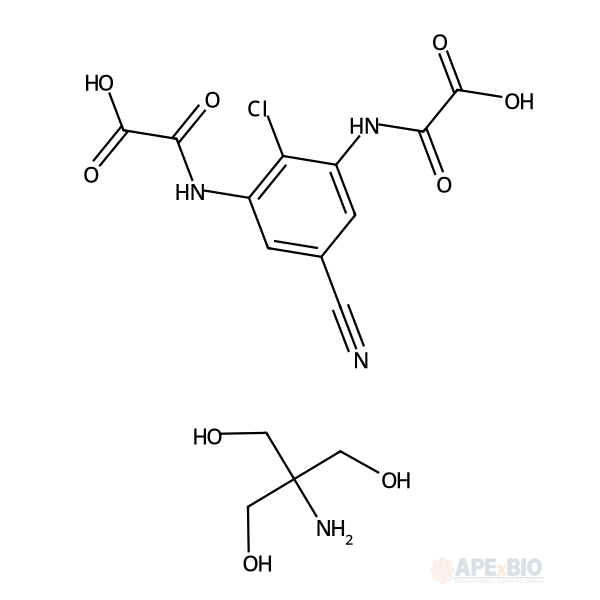 C8787 Lodoxamide TromethamineSummary: A mast cell stabilizer used to prevent and treat mast cell-mediated allergic disease
-
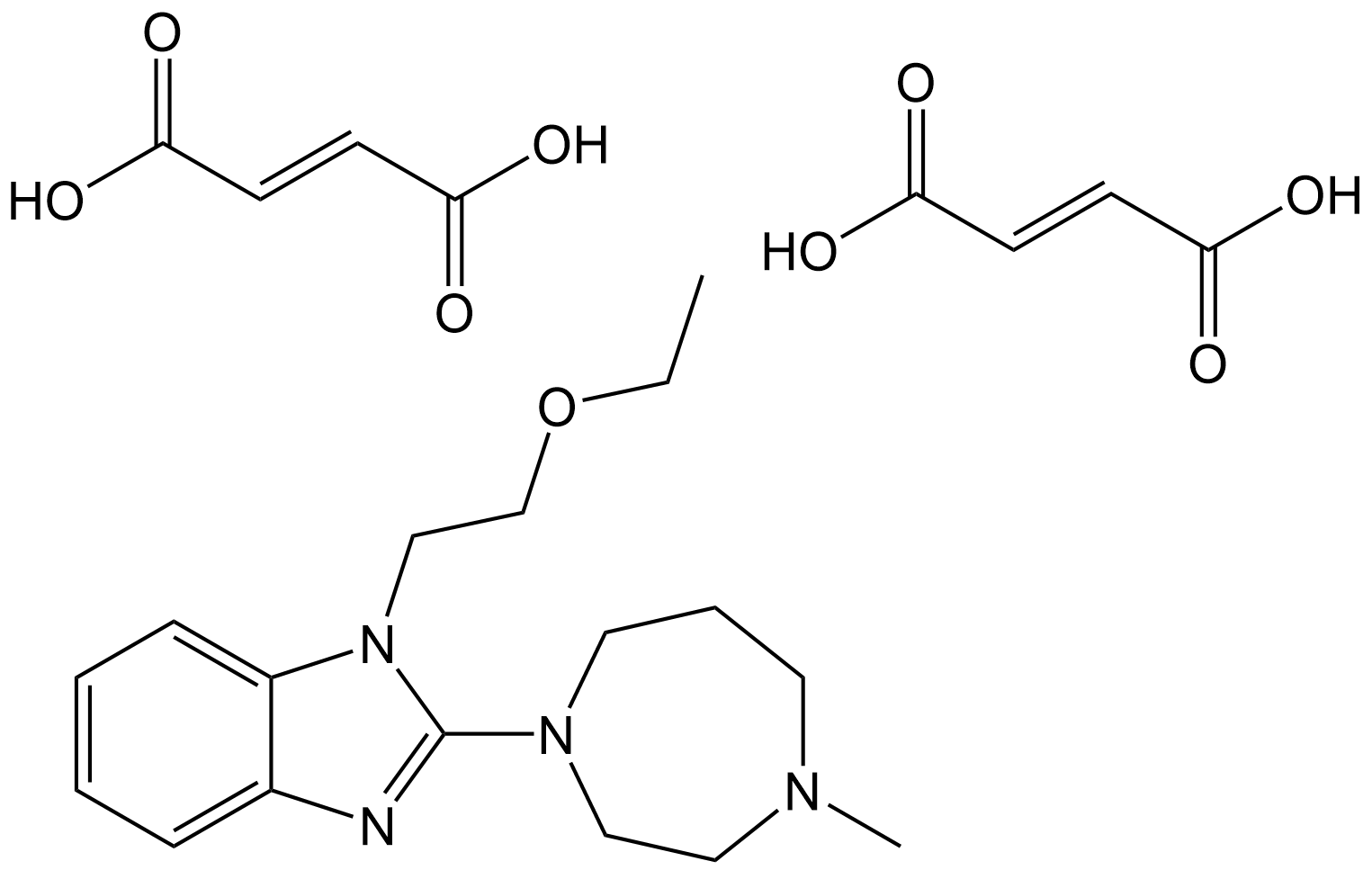 C8788 Emedastine DifumarateSummary: A histamine H1 receptor antagonist
-
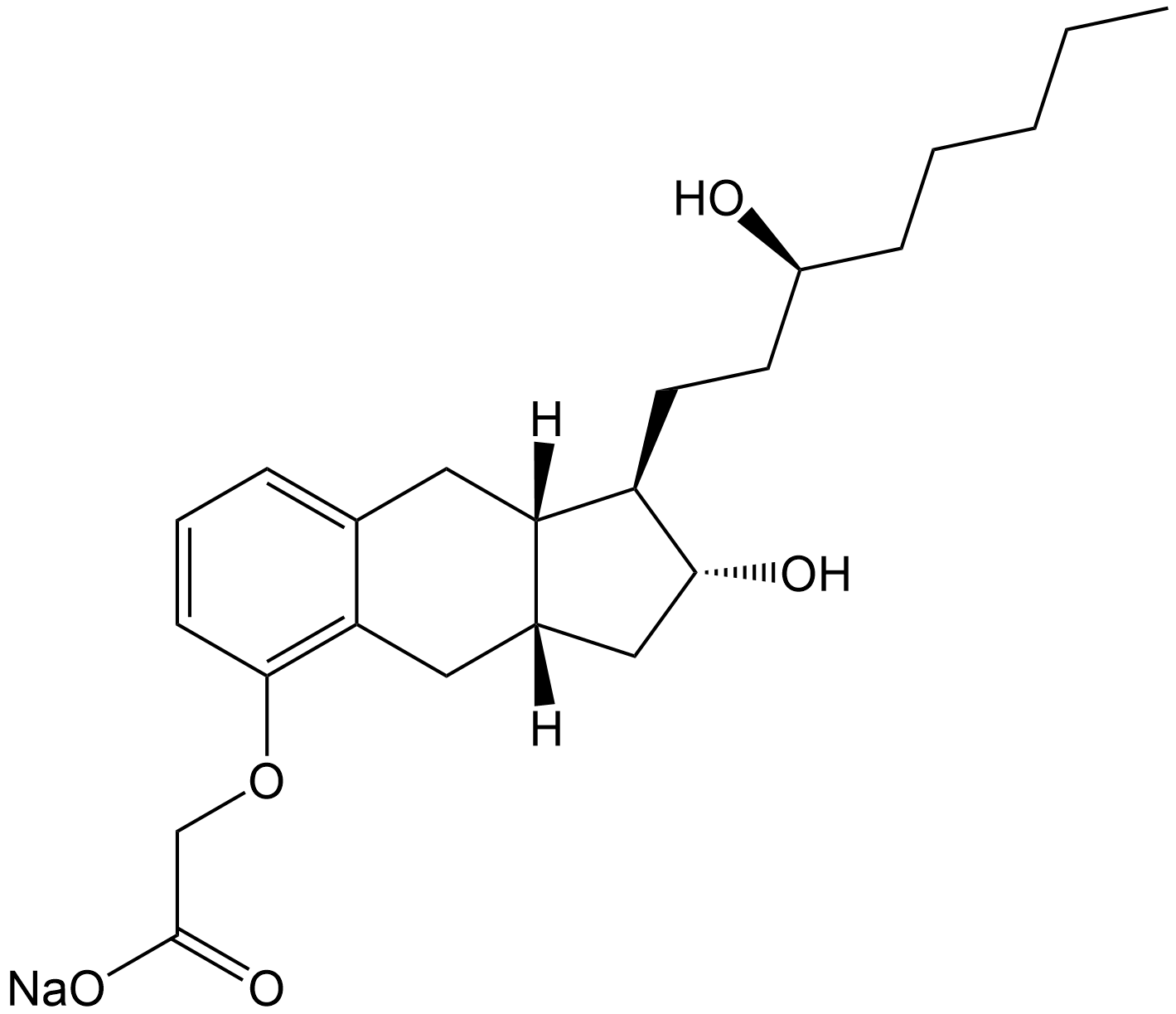 C8790 Treprostinil sodiumSummary: A DP1 and EP2 prostaglandin receptor agonist used for the treatment of pulmonary arterial hypertension
-
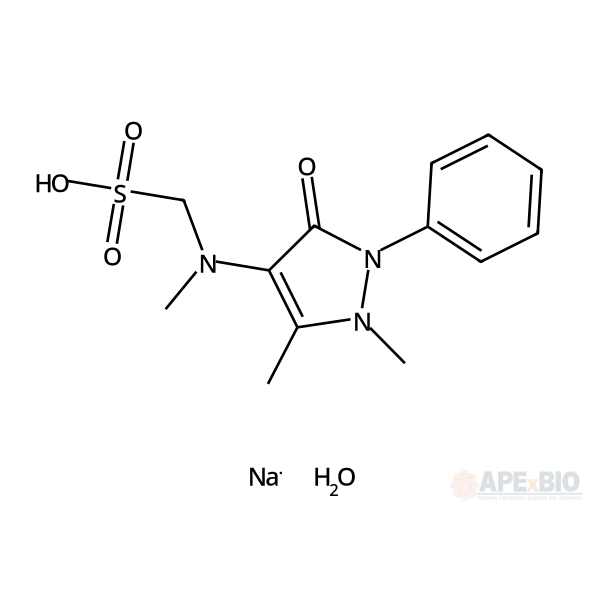 C8803 Metamizole sodium hydrateSummary: An orally active cyclooxygenase (COX) inhibitor with anti-inflammatory, antipyretic, analgesic and spasmolytic activities, used to relieve various types of pain
-
 N2894 LPS, from Escherichia coli O55:B5Summary: A lipopolysaccharide endotoxin extracted from Escherichia coli (E. coli O55:B5) and a TLR-4 activator, of the S (smooth) type.
-
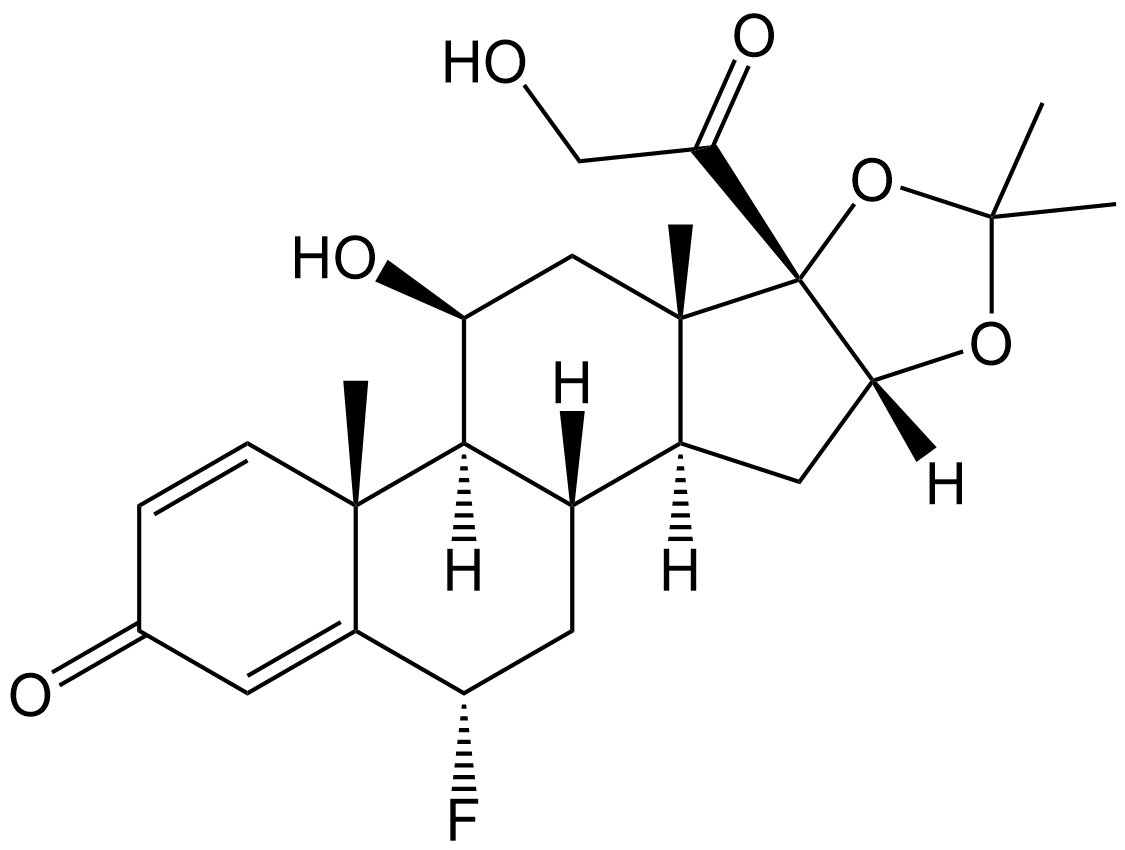 B8702 FlunisolideSummary: An orally active glucocorticoid receptor (GR) agonist