


Immunology/Inflammation
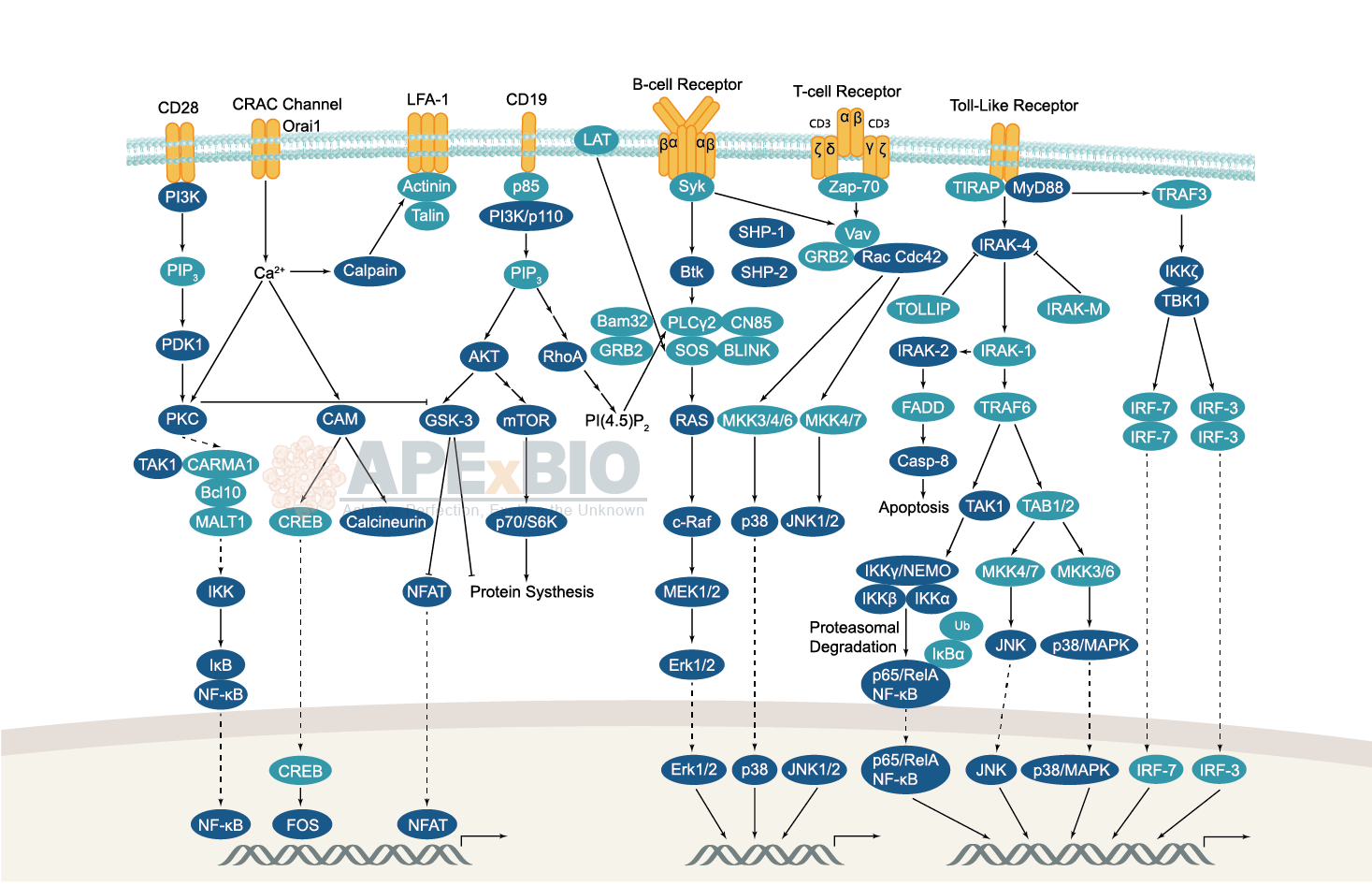
The adaptive immune system consists of B and T lymphocytes which mediate humoral immunity (e.g. antibody response) and cell-mediated immunity, respectively. B cell receptor and T cell receptor signaling is responsible for activation of Src family tyrosine kinases, such as Blk, Fyn, and Lyn in B cells and Fyn and Lck in T cells, resulting phosphorylation of the receptor-associated ITAM motifs. Phosphorylated ITAMs serve as the docking sites for Syk family tyrosine kinases, e.g. Syk in B cells and Zap-70 in T cells. Activated Syk kinases then propagate the signals via phosphorylation of downstream proteins. Furthermore, lymphocyte receptor signaling facilitates B and T cell development, differentiation, proliferation and survival.
-
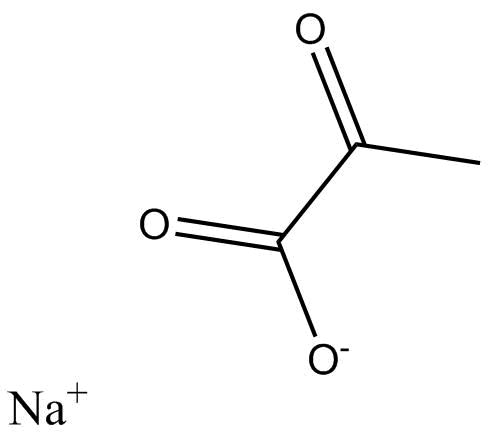 C6218 Sodium pyruvateSummary: A free radical scavenger for cell culture, metabolism research, and oxidative stress research.
 -
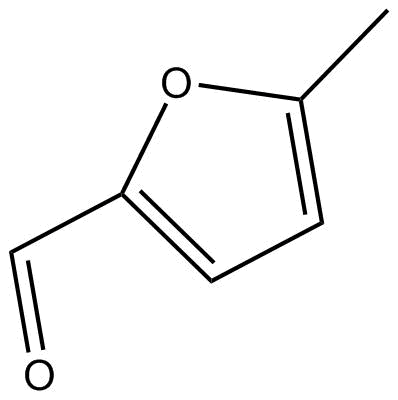 C6245 5-Methyl furfuralSummary: A natural furan standard for the analysis of food flavors and volatile compounds.
 -
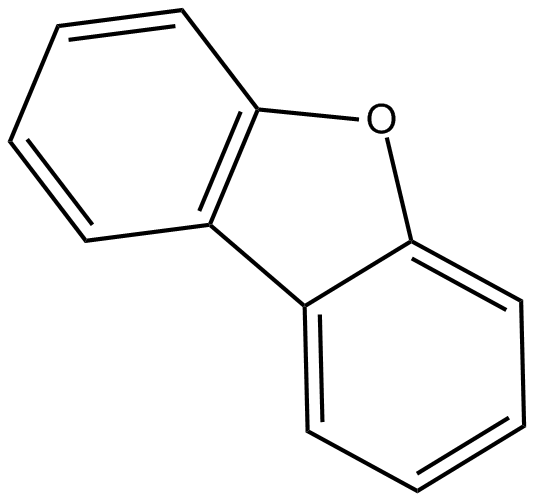 C6284 DibenzofuranSummary: A biochemical research reagent used to regulate signaling pathways and enzyme activity.
 -
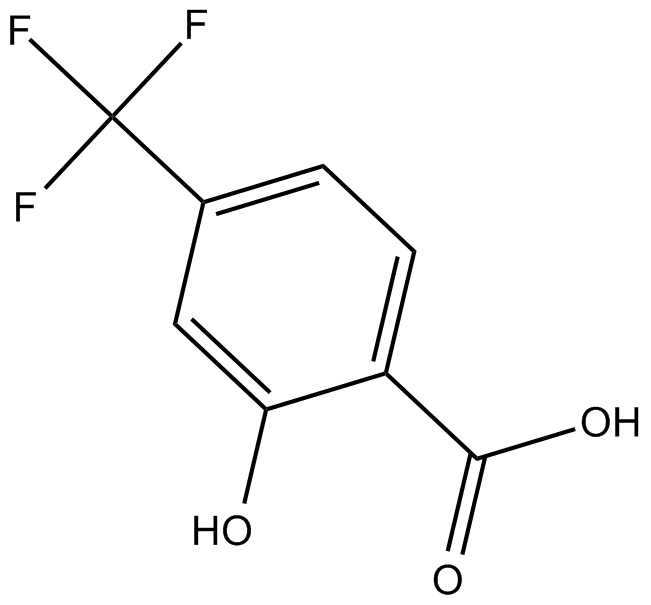 C6295 4-Trifluoromethylsalicylic acidSummary: Selectively inhibits COX activity and platelet aggregation, for use in antithrombotic research.
 -
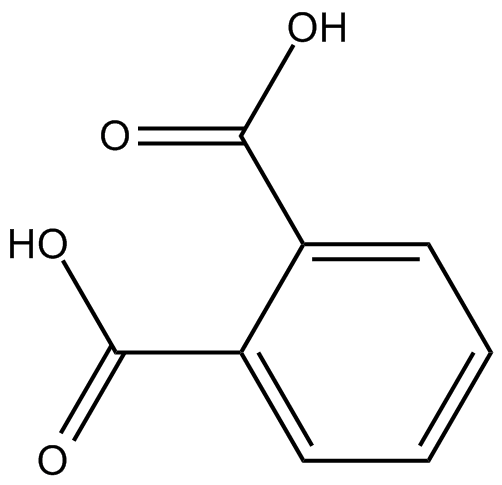 C6308 Phthalic acidSummary: Commonly used as an intermediate for preparing plasticizers and for the synthesis of isophthalic acid and terephthalic acid.
 -
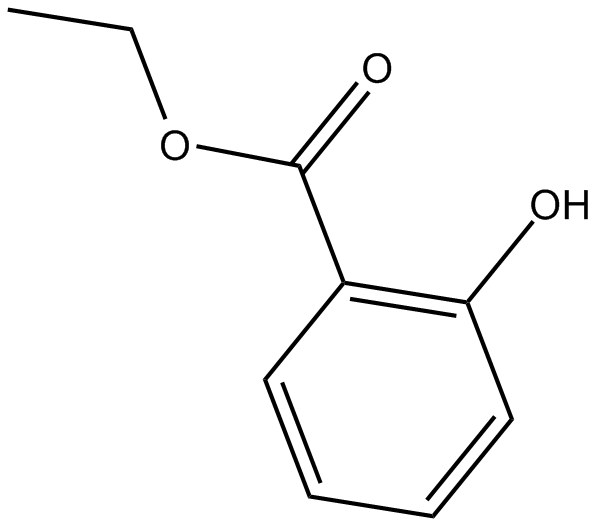 C6332 Ethyl 2-hydroxybenzoateSummary: Exhibits anti-inflammatory and analgesic activity, and is used in transdermal drug delivery and fragrance research.
 -
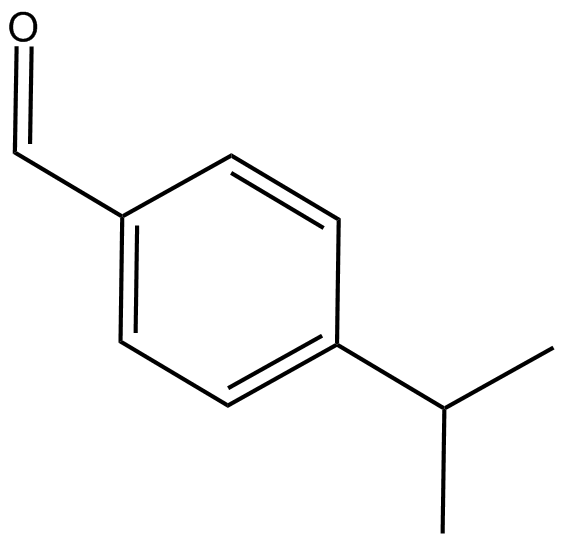 C6353 CuminaldehydeSummary: Exhibits bioactivities such as anti-inflammatory, anticancer, antidiabetic, and neuroprotective effects.
 -
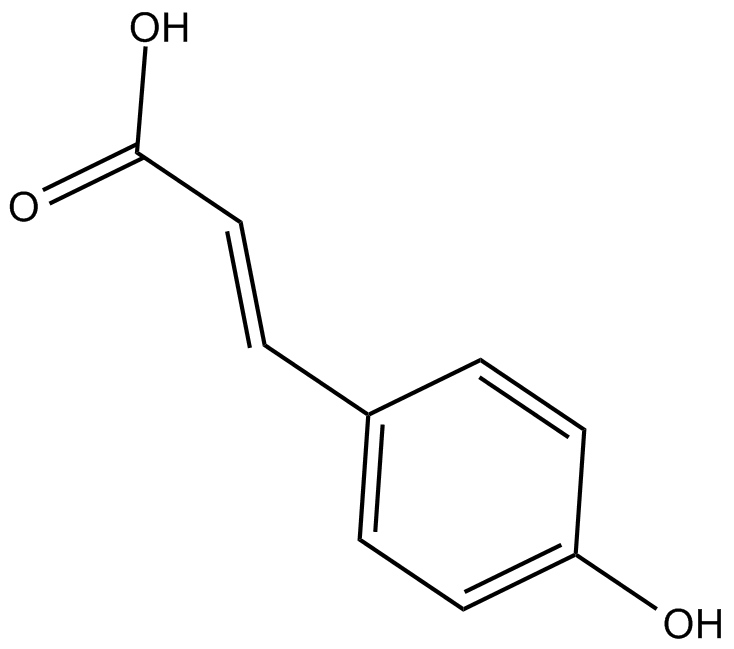 C6357 p-Hydroxy-cinnamic acidSummary: An edible phenolic compound that can inhibit platelet activity.
 -
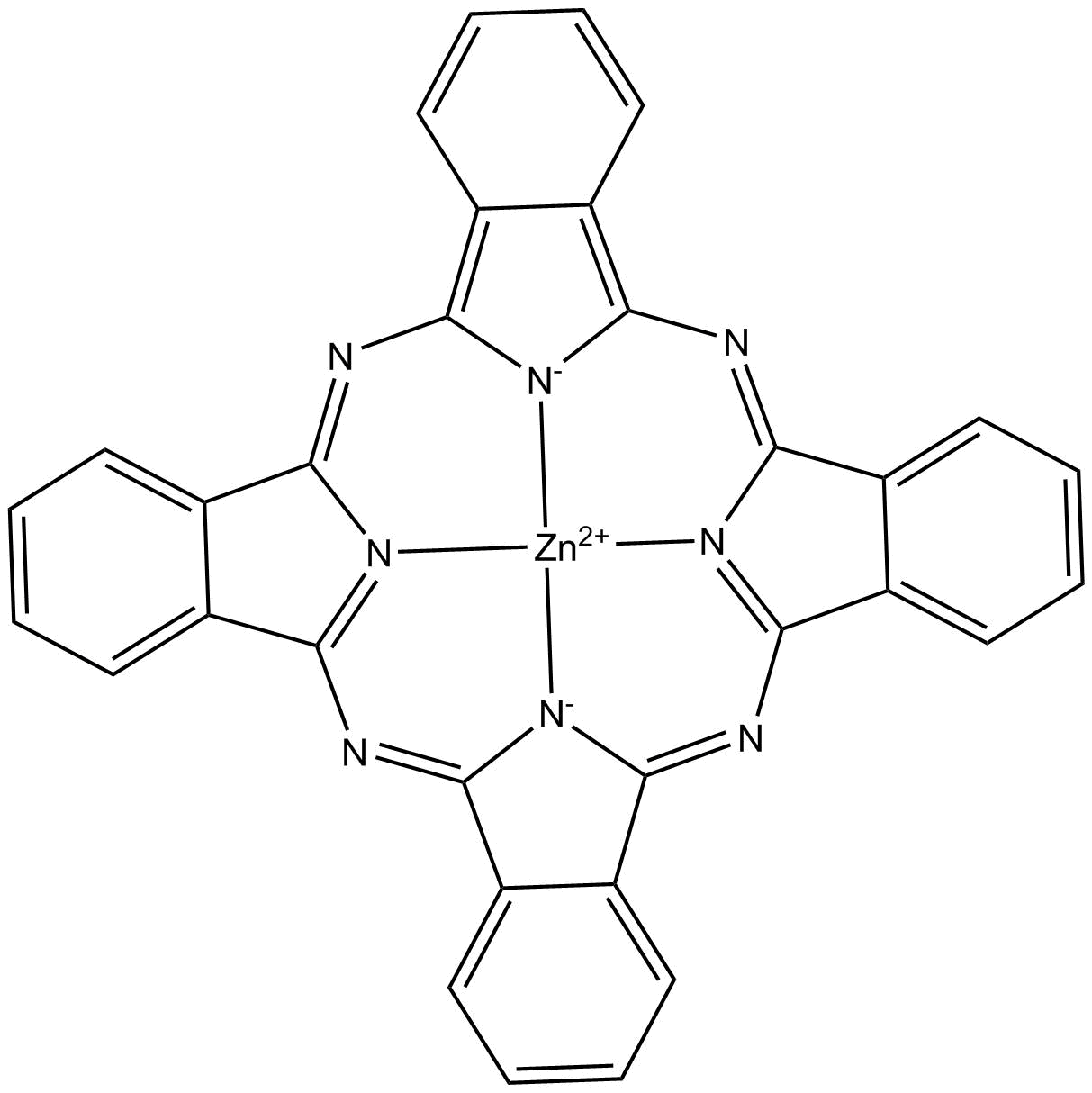 C6552 Zinc phthalocyanineSummary: A metal phthalocyanine compound with unique optical and electronic properties
 -
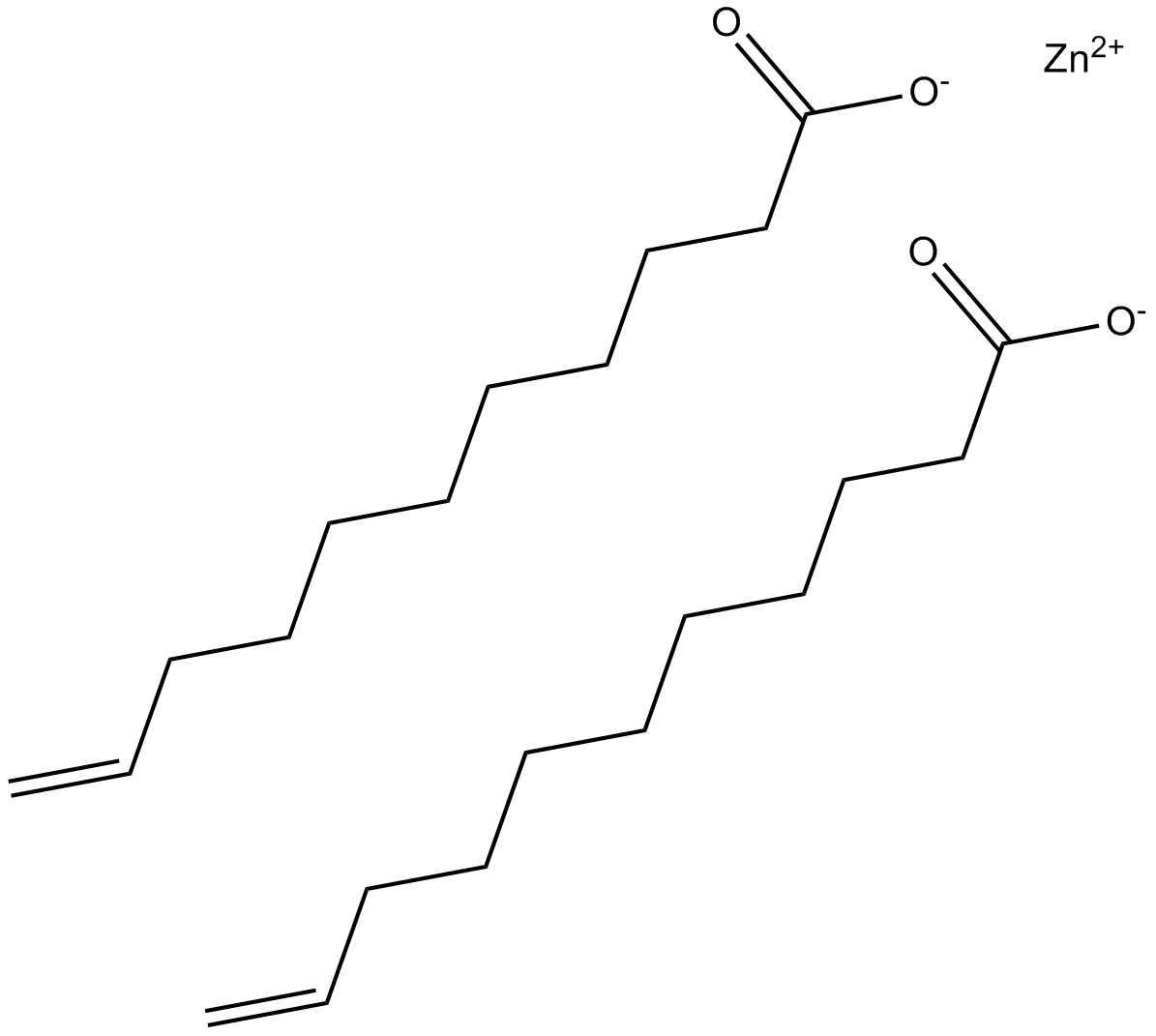 C6644 Zinc UndecylenateSummary: A Zika virus RdRp inhibitor with antiviral activity, used for ZIKV research.