


Immunology/Inflammation
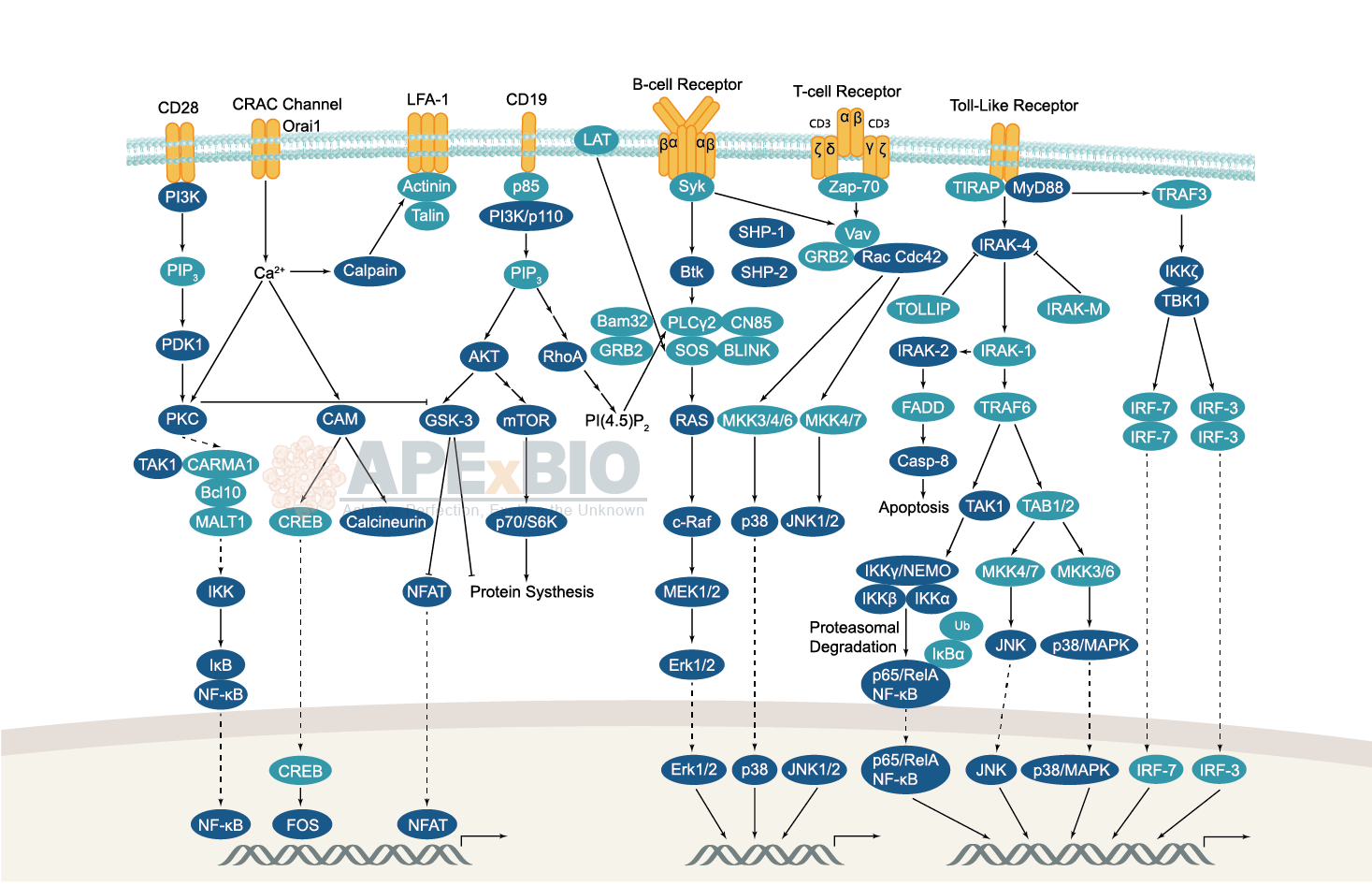
The adaptive immune system consists of B and T lymphocytes which mediate humoral immunity (e.g. antibody response) and cell-mediated immunity, respectively. B cell receptor and T cell receptor signaling is responsible for activation of Src family tyrosine kinases, such as Blk, Fyn, and Lyn in B cells and Fyn and Lck in T cells, resulting phosphorylation of the receptor-associated ITAM motifs. Phosphorylated ITAMs serve as the docking sites for Syk family tyrosine kinases, e.g. Syk in B cells and Zap-70 in T cells. Activated Syk kinases then propagate the signals via phosphorylation of downstream proteins. Furthermore, lymphocyte receptor signaling facilitates B and T cell development, differentiation, proliferation and survival.
-
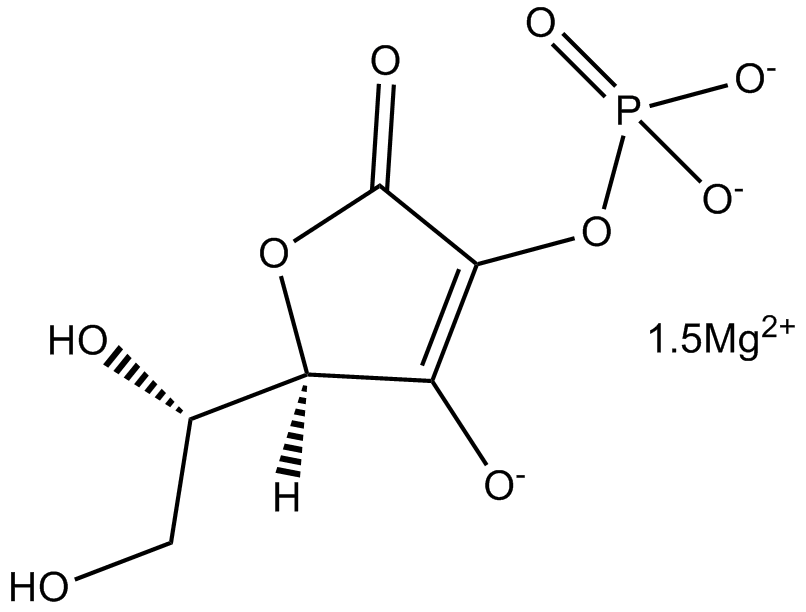 C3675 L-Ascorbic Acid 2-phosphate (magnesium salt)Summary: A long-lasting ascorbic acid derivative that stimulates the expression and formation of collagen
 -
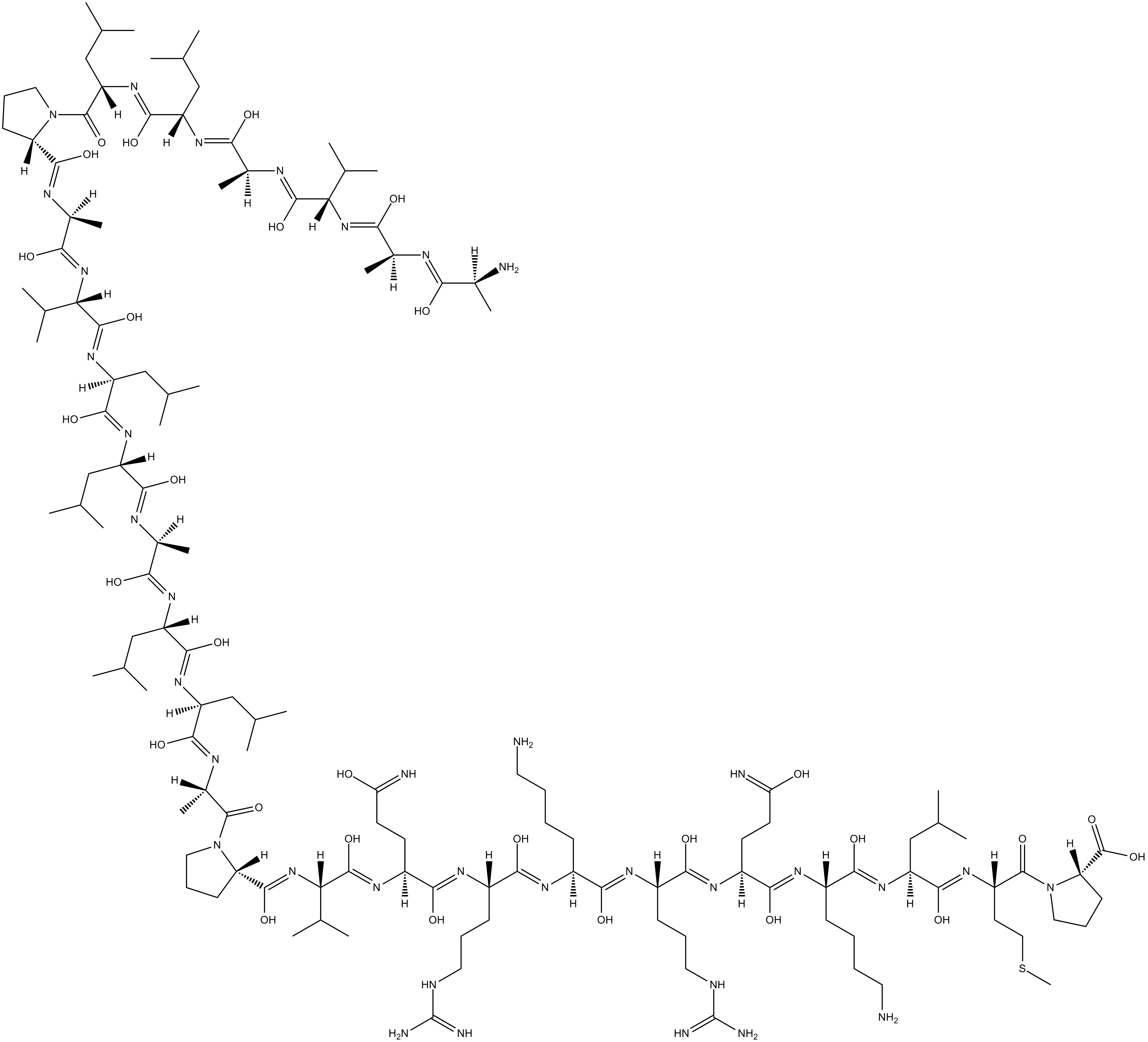 C5323 SN50Summary: A cell membrane-permeable inhibitor that specifically blocks NF-κB nuclear translocation.
 -
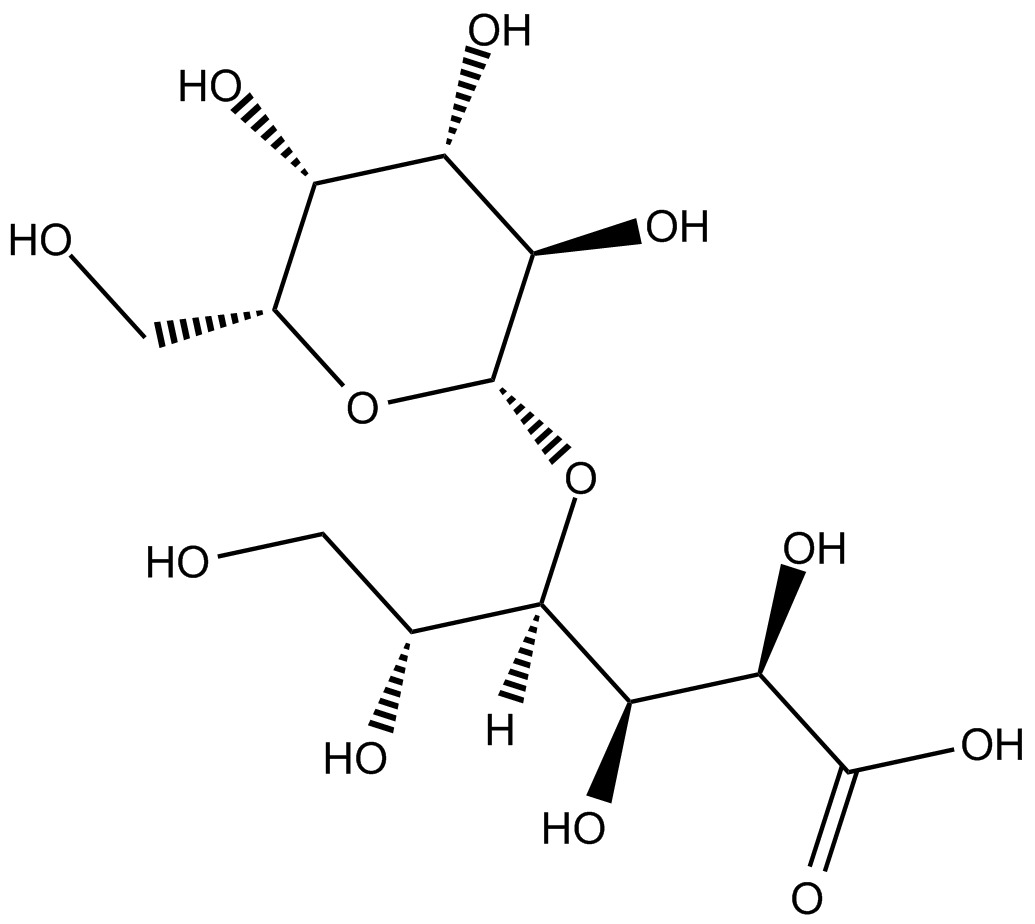 C5861 Lactobionic AcidSummary: A natural small molecule for moisturizing, drug delivery, and metal chelation.
 -
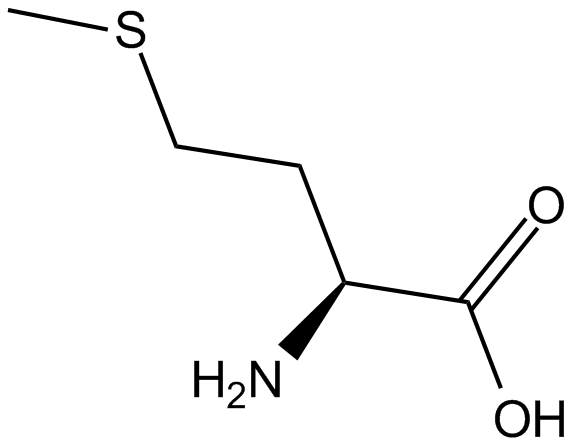 C6113 L-MethionineSummary: An essential amino acid used for liver protection, heavy metal chelation, and anti-tumor purposes.
 -
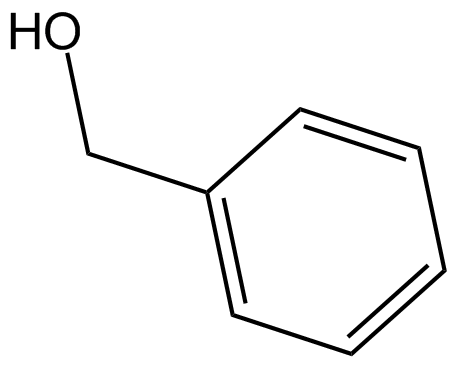 C6118 Benzyl alcoholSummary: An aromatic alcohol that can inhibit P450 enzymes and alleviate inflammatory responses.
 -
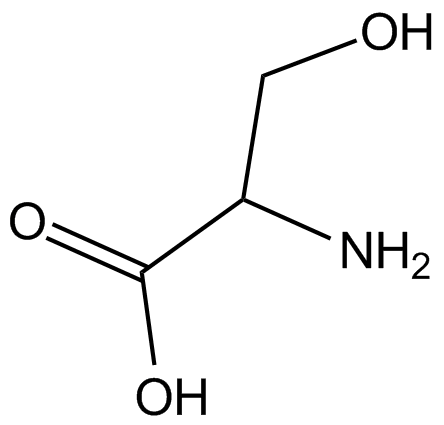 C6137 DL-SerineSummary: A basic metabolite with an inhibitory effect on the proliferation of Tobacco mosaic virus.
 -
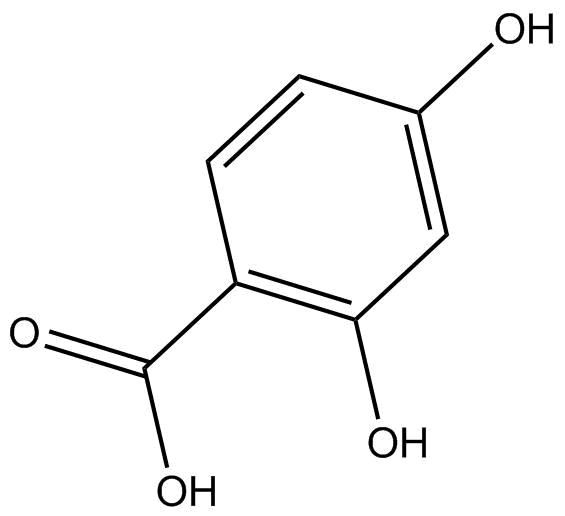 C6172 2,4-Dihydroxybenzoic acidSummary: A compound that can be used for tart cherries degradation research in cell culture
 -
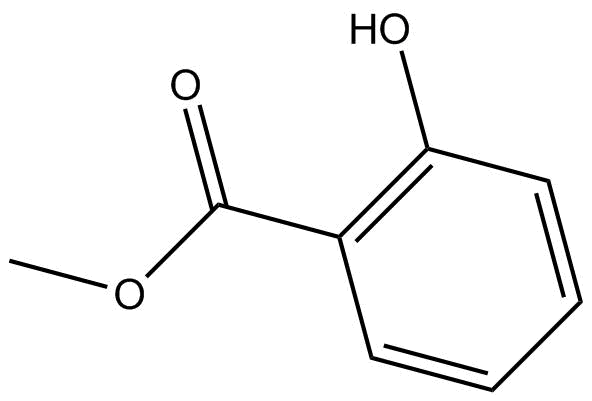 C6190 Methyl salicylateSummary: An aromatic anti-inflammatory analgesic with COX inhibitory activity.
 -
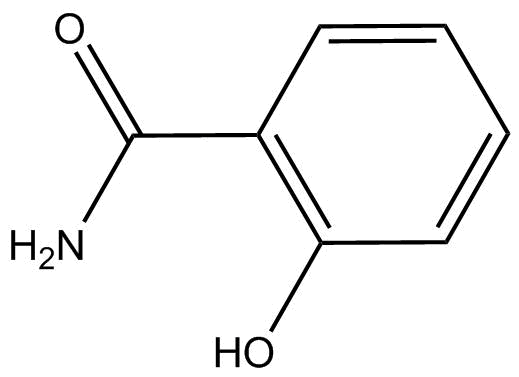 C6199 SalicylamideSummary: A salicylic acid derivative, commonly used in COX pathway and anti-inflammatory mechanism research.
 -
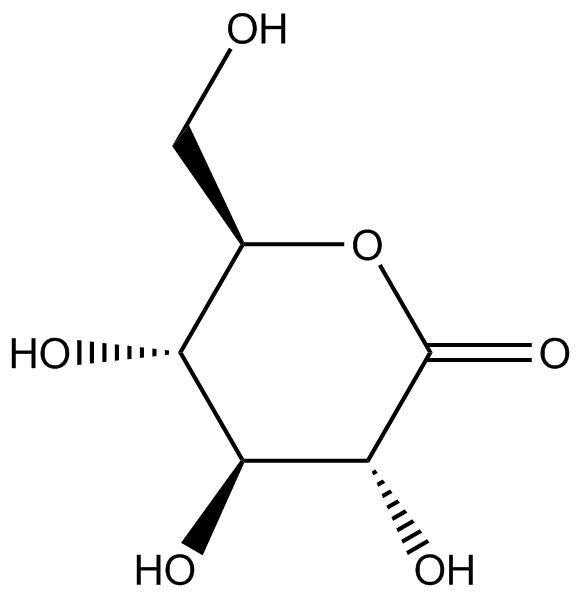 C6206 delta-GluconolactoneSummary: A natural additive that can be used for food acidification, chelating metal ions, and moisturizing.