


Immunology/Inflammation
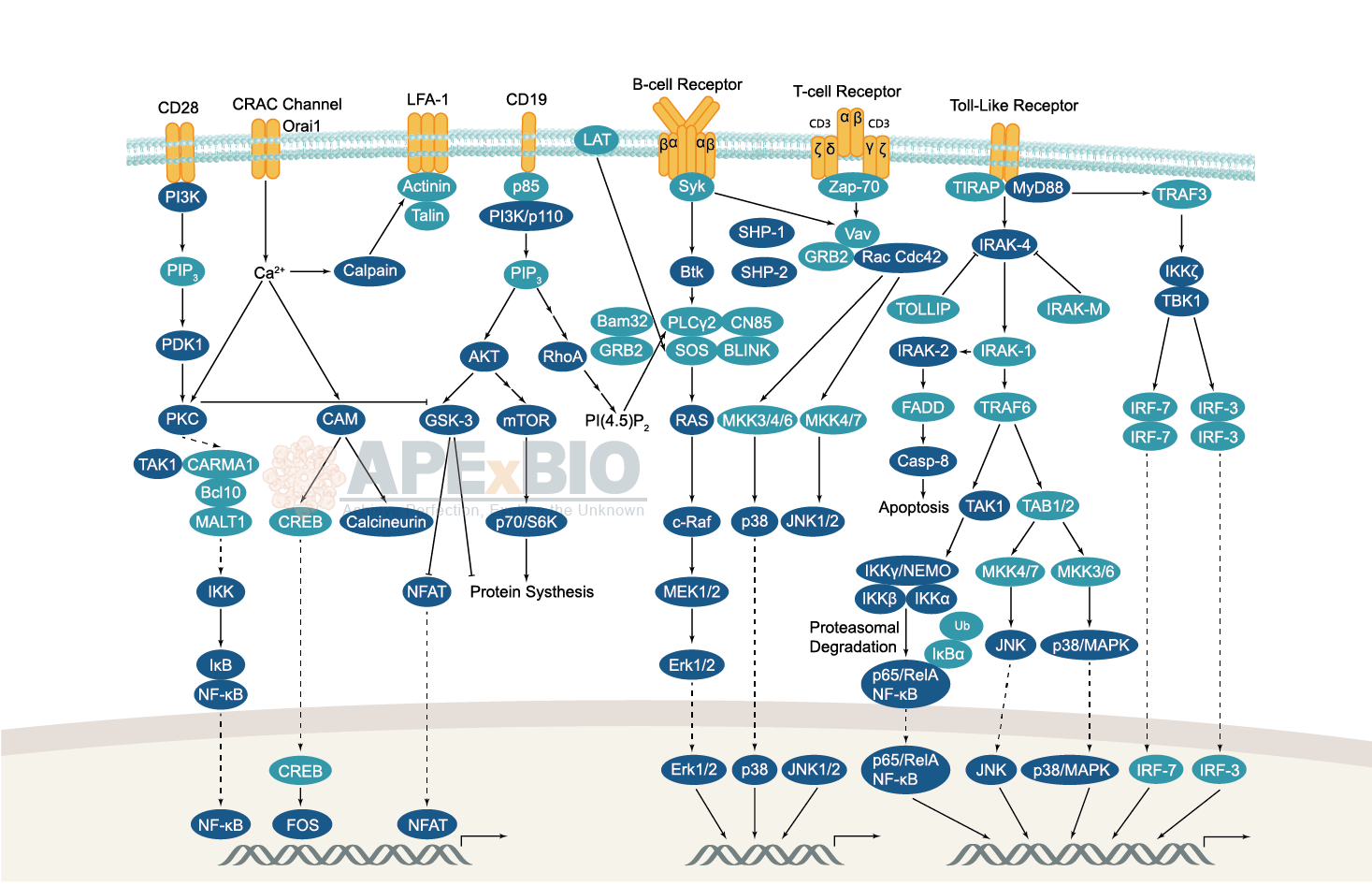
The adaptive immune system consists of B and T lymphocytes which mediate humoral immunity (e.g. antibody response) and cell-mediated immunity, respectively. B cell receptor and T cell receptor signaling is responsible for activation of Src family tyrosine kinases, such as Blk, Fyn, and Lyn in B cells and Fyn and Lck in T cells, resulting phosphorylation of the receptor-associated ITAM motifs. Phosphorylated ITAMs serve as the docking sites for Syk family tyrosine kinases, e.g. Syk in B cells and Zap-70 in T cells. Activated Syk kinases then propagate the signals via phosphorylation of downstream proteins. Furthermore, lymphocyte receptor signaling facilitates B and T cell development, differentiation, proliferation and survival.
-
 BA8530 MAO-B-IN-30Summary: MAO-B-IN-30 is a potent, selective inhibitor that crosses the blood-brain barrier.
 -
BA8663 CatalposideSummary: Catalposide is a cyclic enol ether terpene glycoside that can be isolated from G. Don.
-
BA8664 11-HydroxytephrosinSummary: 11-Hydroxytephrosin is a potent inhibitor.
-
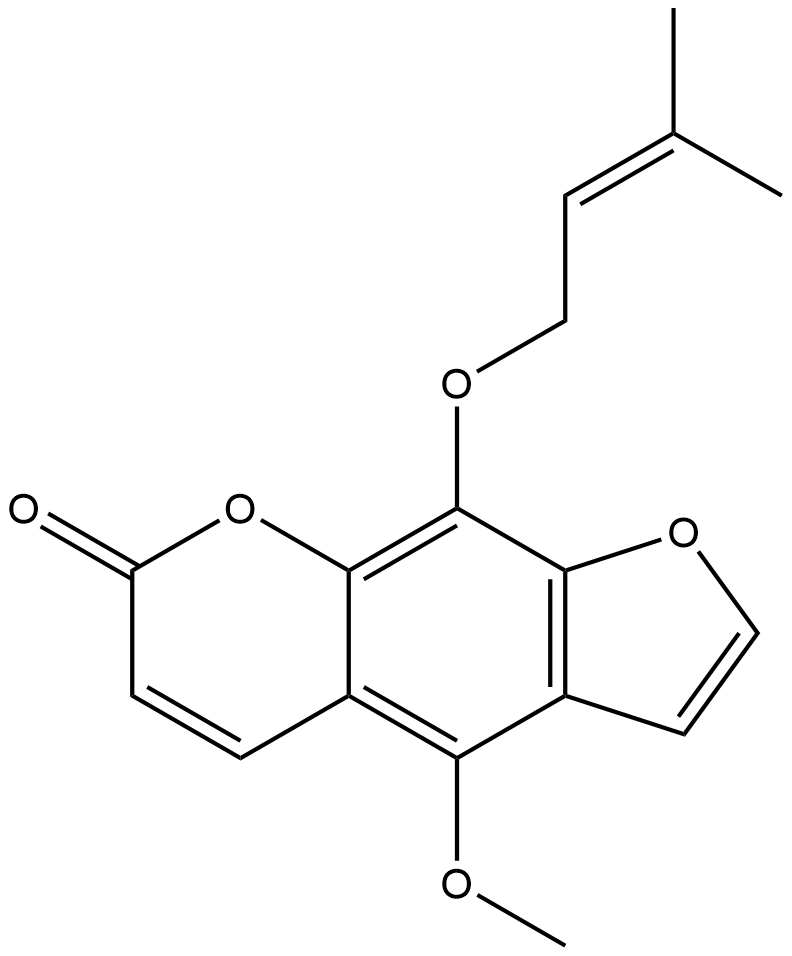 BA8685 PhellopterinSummary: Phellopterin is a natural product.
 -
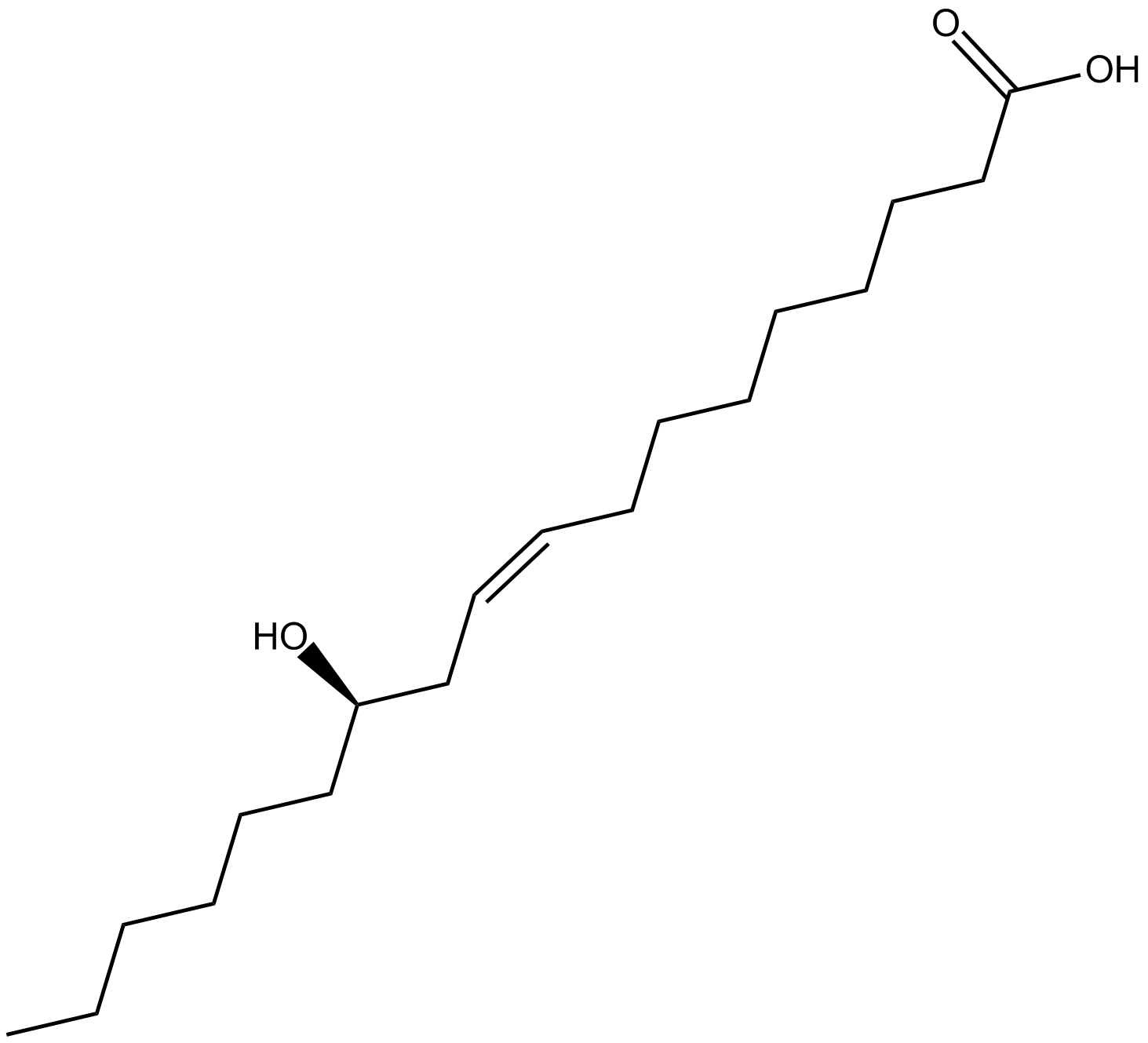 C4955 Ricinoleic AcidSummary: A hydroxy fatty acid raw material used for the preparation of lubricants, cosmetics, polymers, and coatings.
 -
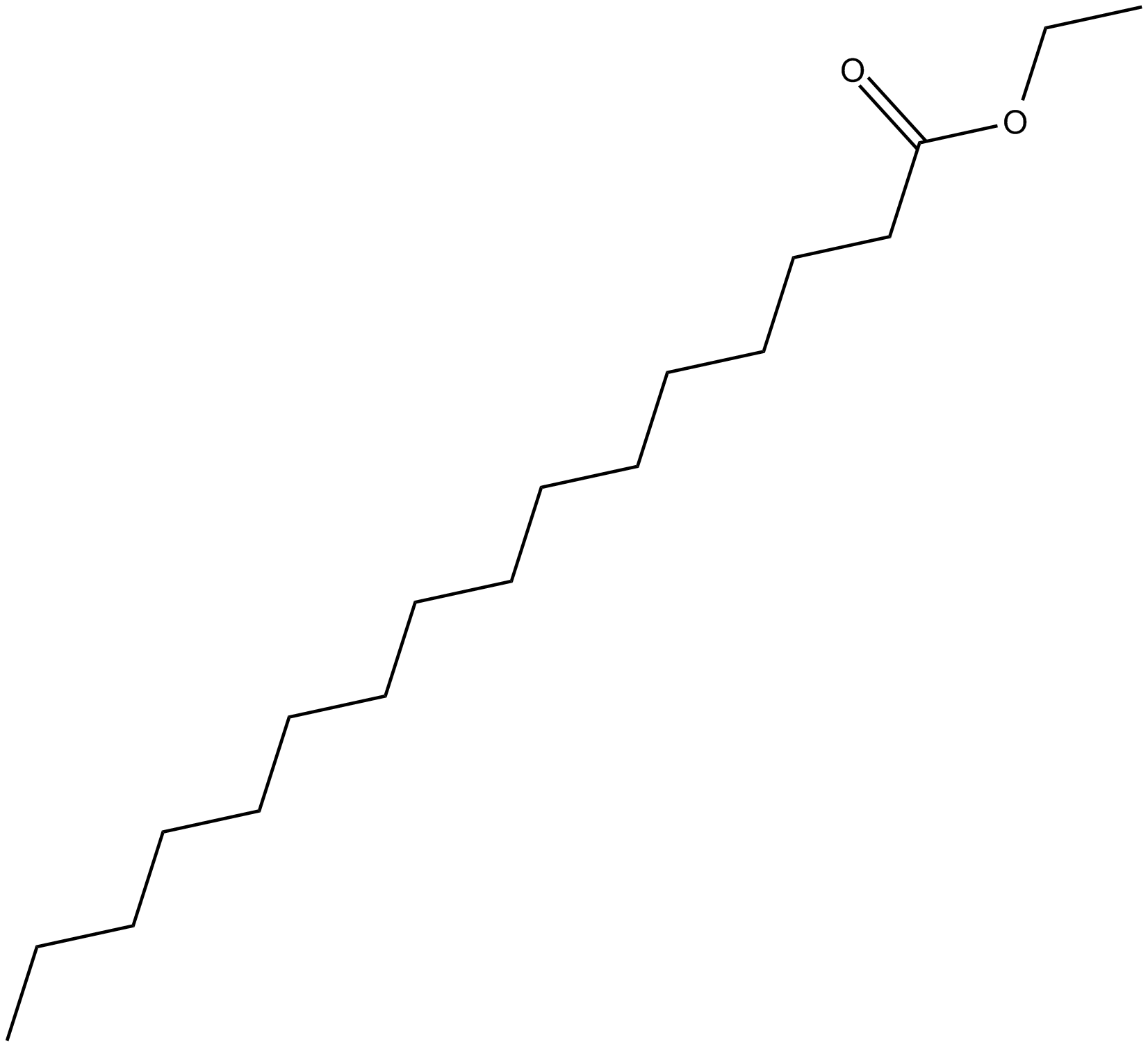 C5084 Palmitic Acid ethyl esterSummary: Exhibits inhibitory activity against CHIKV viral replication and anti-inflammatory activity, and can modulate the levels of inflammatory factors.
 -
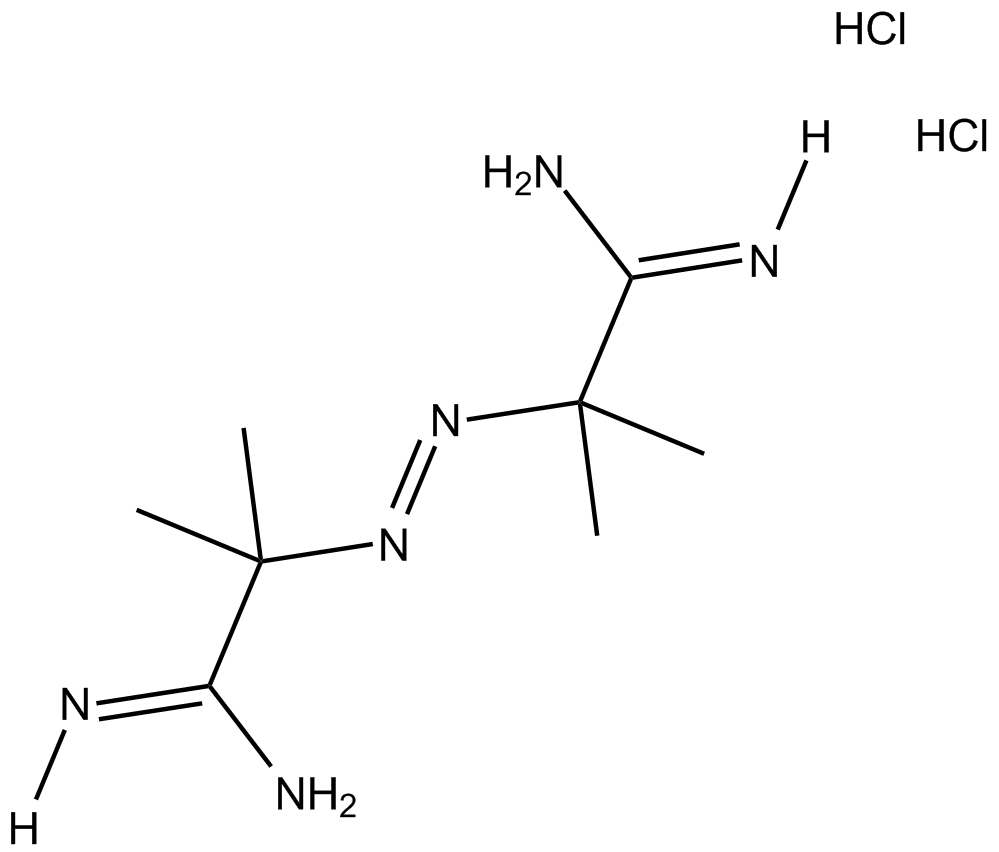 C5140 AAPH1 CitationSummary: A free radical initiator used to induce oxidative stress and erythrocyte hemolysis.
 -
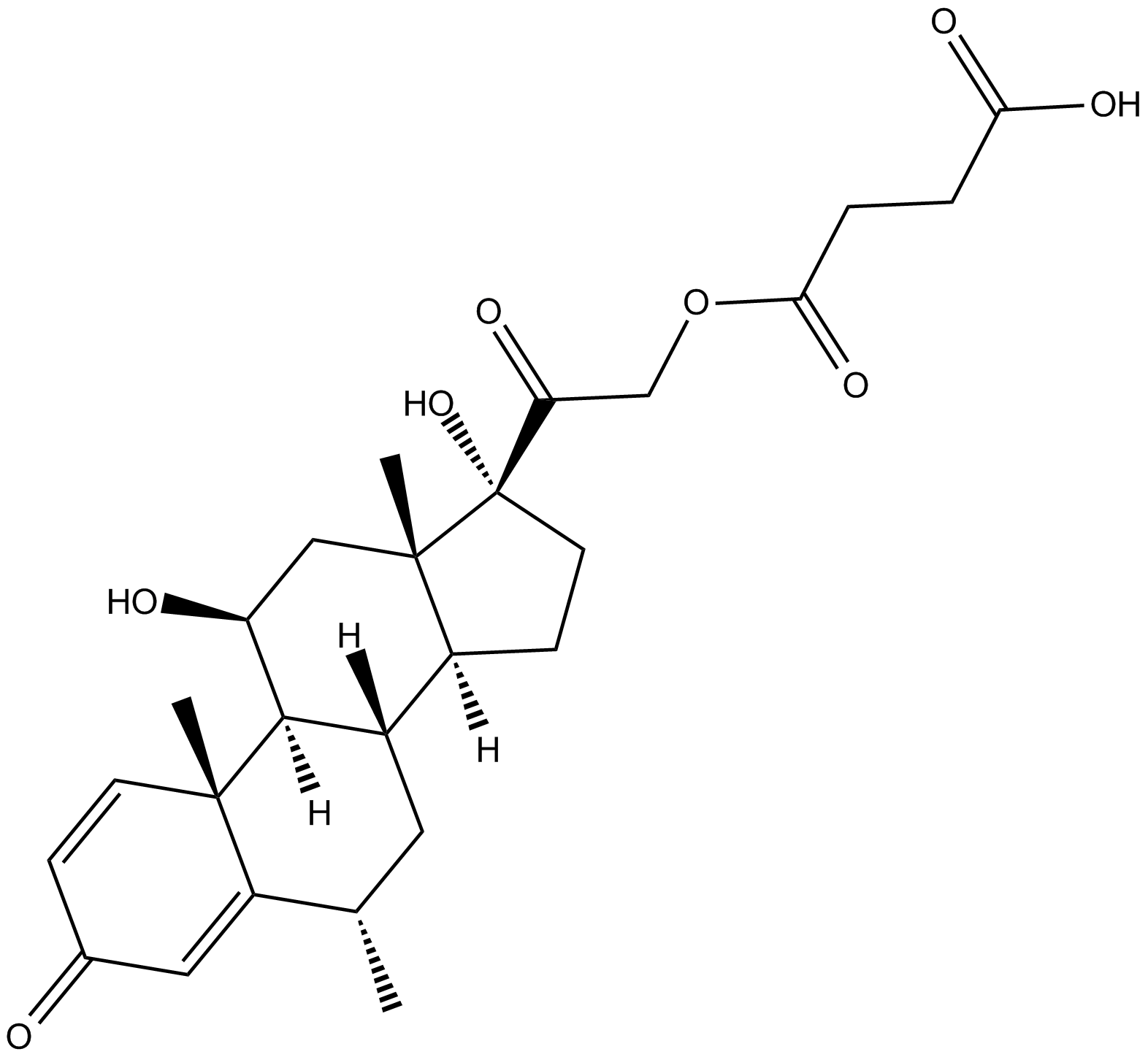 C5863 6α-Methylprednisolone 21-hemisuccinateSummary: A synthetic glucocorticoid used for acute cardiac, allergic, and hypoxic emergencies.
 -
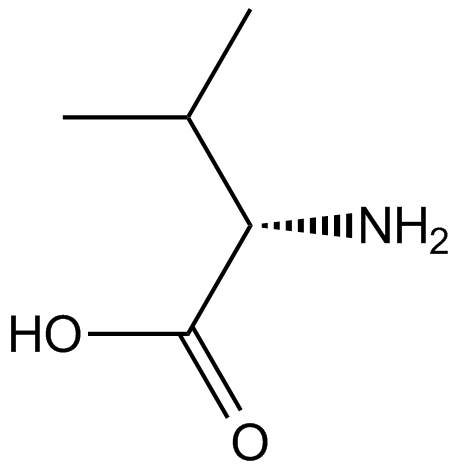 C6103 L-ValineSummary: A bioactive, nonlinear semi-organic material used for basic research and antibacterial applications.
 -
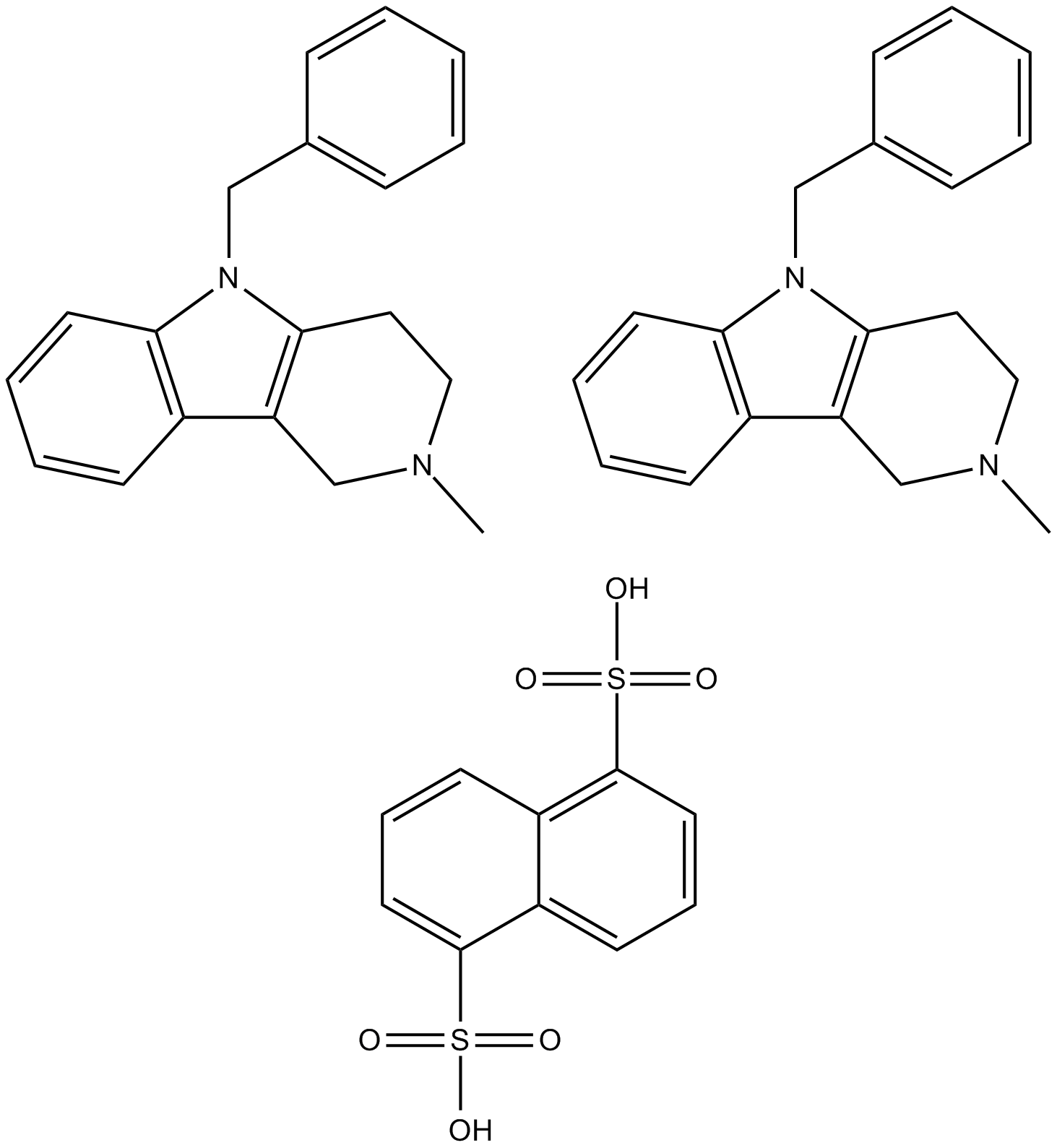 C6995 Mebhydrolin napadisylateSummary: A selective histamine H1 receptor antagonist used to relieve allergy symptoms.