Methyl salicylate
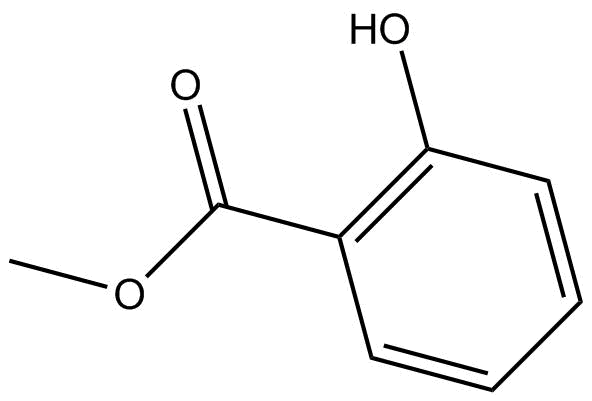
Methyl salicylate (CAS No.: 119-36-8) is a naturally occurring aromatic ester predominantly derived from plant species such as wintergreens and is widely utilized as a small-molecule probe in biomedical research. Classified as a nonsteroidal anti-inflammatory agent at the biochemical level, it exhibits inhibitory activity against cyclooxygenase (COX) enzymes, thereby modulating prostaglandin biosynthesis and serving as a useful tool for investigating inflammatory signaling cascades and pain perception pathways. In addition to its role in COX-associated mechanisms, methyl salicylate has been implicated in plant defense biology as a mobile signal involved in systemic acquired resistance, supporting its relevance in cross-kingdom signaling studies. Experimental data indicate that its bioactivity typically manifests in the low micromolar to millimolar range depending on assay conditions and biological context. In research settings, it is commonly employed as a reference compound in studies of inflammatory regulation, signal transduction, and sensory biology, as well as in screening platforms aimed at characterizing enzyme inhibition and pathway modulation. The concentrations or dosing regimens applied vary according to specific in vitro or in vivo experimental designs, reflecting its broad applicability across pharmacological and physiological research models.
| Physical Appearance | Liquid |
| Storage | -20°C |
| M.Wt | 152.15 |
| Cas No. | 119-36-8 |
| Formula | C8H8O3 |
| Solubility | insoluble in H2O; ≥40.3 mg/mL in DMSO; ≥45 mg/mL in EtOH |
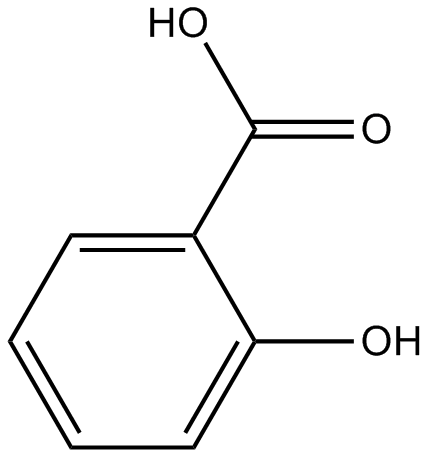
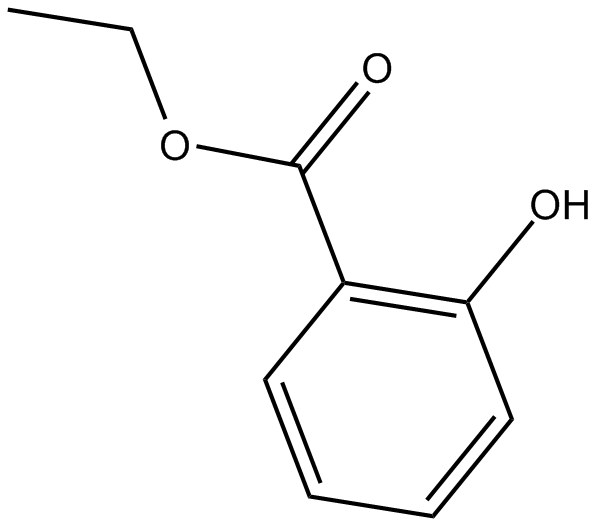
| Chemical Name | methyl 2-hydroxybenzoate |
| Canonical SMILES | OC1=C(C(OC)=O)C=CC=C1 |
| Shipping Condition | Small Molecules with Blue Ice, Modified Nucleotides with Dry Ice. |
| General tips | We do not recommend long-term storage for the solution, please use it up soon. |