PTIO
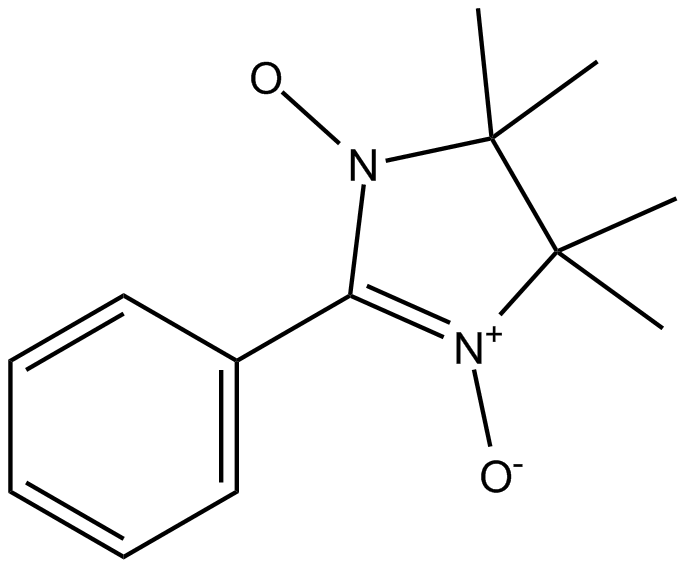
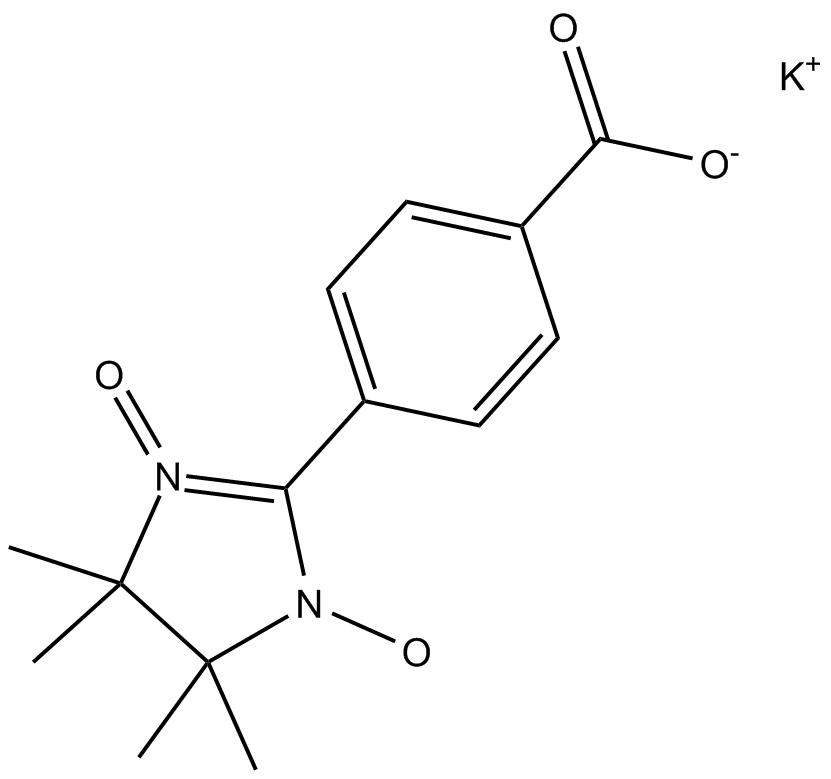
PTIO (CAS No.: 18390-00-6) is a well-characterized nitric oxide (NO) scavenger and redox-active compound widely used in biomedical research to modulate NO-dependent signaling pathways. Functioning as an oxidizing reagent, PTIO reacts rapidly with nitric oxide radicals to generate corresponding imino nitroxides and nitrogen dioxide, thereby effectively attenuating NO bioavailability and downstream signaling events. This mechanism underlies its utility as a pharmacological tool for probing the role of NO in physiological and pathological processes, particularly within cardiovascular and neurobiological systems where NO acts as a critical signaling mediator. PTIO is commonly employed to assess nitric oxide synthase activity and to dissect NO-mediated regulatory mechanisms in cell-based and in vivo models, with observed activity typically in the nanomolar to micromolar concentration range depending on experimental conditions. In addition to its role in signaling studies, PTIO has been reported to influence oxidative processes, including enhancing permanganate-mediated oxidation of organic substrates, further supporting its classification as a redox mediator. Its application spans mechanistic studies of vascular tone regulation, inflammatory signaling, and neurodegeneration, as well as use in drug discovery workflows aimed at identifying modulators of NO production and signaling, with dosing and exposure parameters tailored to specific experimental systems.
| Storage | -20°C |
| M.Wt | 233.29 |
| Cas No. | 18390-00-6 |
| Formula | C13H17N2O2 |
| Synonyms | α- Phenyltetramethylnitronyl nitroxide |
| Solubility | insoluble in H2O; ≥115.8 mg/mL in EtOH; ≥23.3 mg/mL in DMSO |
| Chemical Name | A name could not be generated for this structure. |
| Canonical SMILES | [O-][N+]1=C(C2=CC=CC=C2)N([O.])C(C)(C)C1(C)C |
| Shipping Condition | Small Molecules with Blue Ice, Modified Nucleotides with Dry Ice. |
| General tips | We do not recommend long-term storage for the solution, please use it up soon. |