


Microbiology & Virology

Furthermore, small molecules enable selective modulation of the microbiome, balancing interactions between beneficial and pathogenic microorganisms. Coupled with advances in high-throughput screening technologies, they continue to overcome limitations related to target specificity and drug resistance, thereby serving as a crucial bridge between basic research and clinical anti-infective practice. Collectively, small-molecule compounds offer diversified solutions to global public health challenges.
-
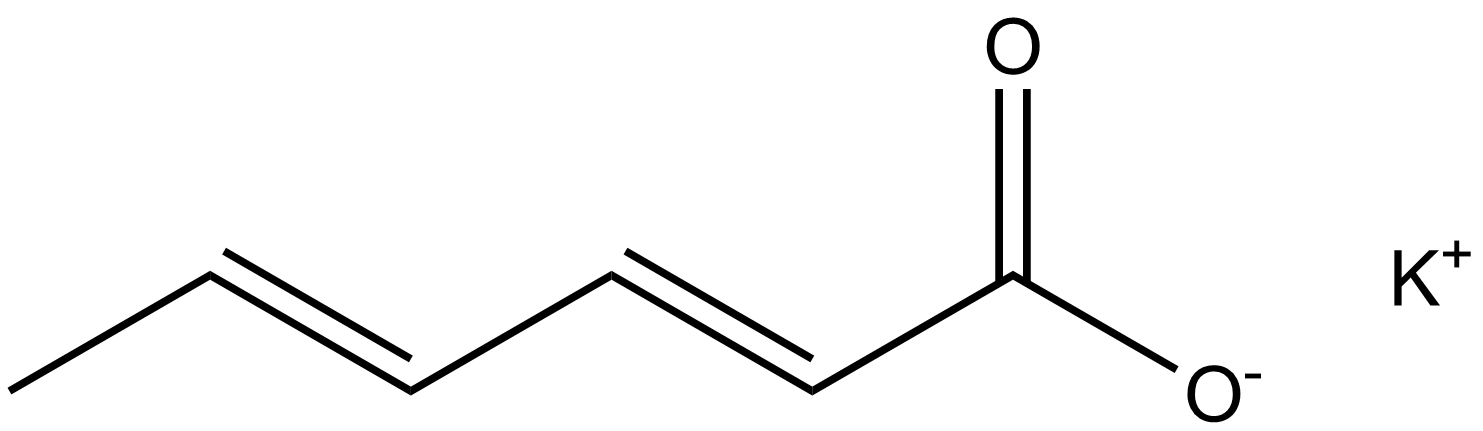 N2963 Potassium sorbateSummary: Potassium sorbate is a food-grade preservative and unsaturated fatty acid salt that inhibits microbial growth, widely utilized in microbiology and formulation stability research.
 -
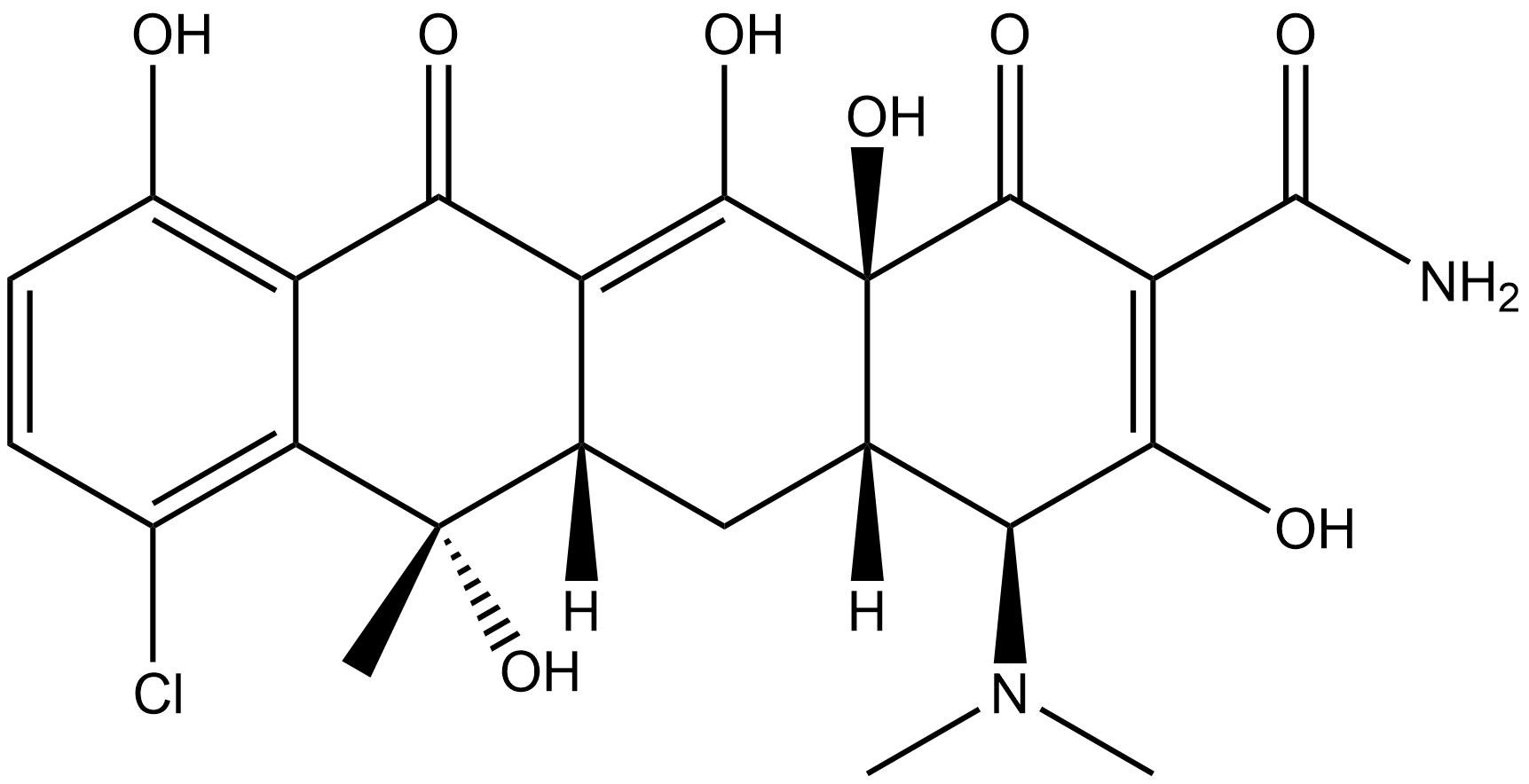 B8613 ChlorotetracyclineSummary: Chlorotetracycline is a broad-spectrum tetracycline-class antibiotic that inhibits bacterial protein synthesis via 30S ribosomal binding, widely utilized in microbiology and antimicrobial resistance research.
 -
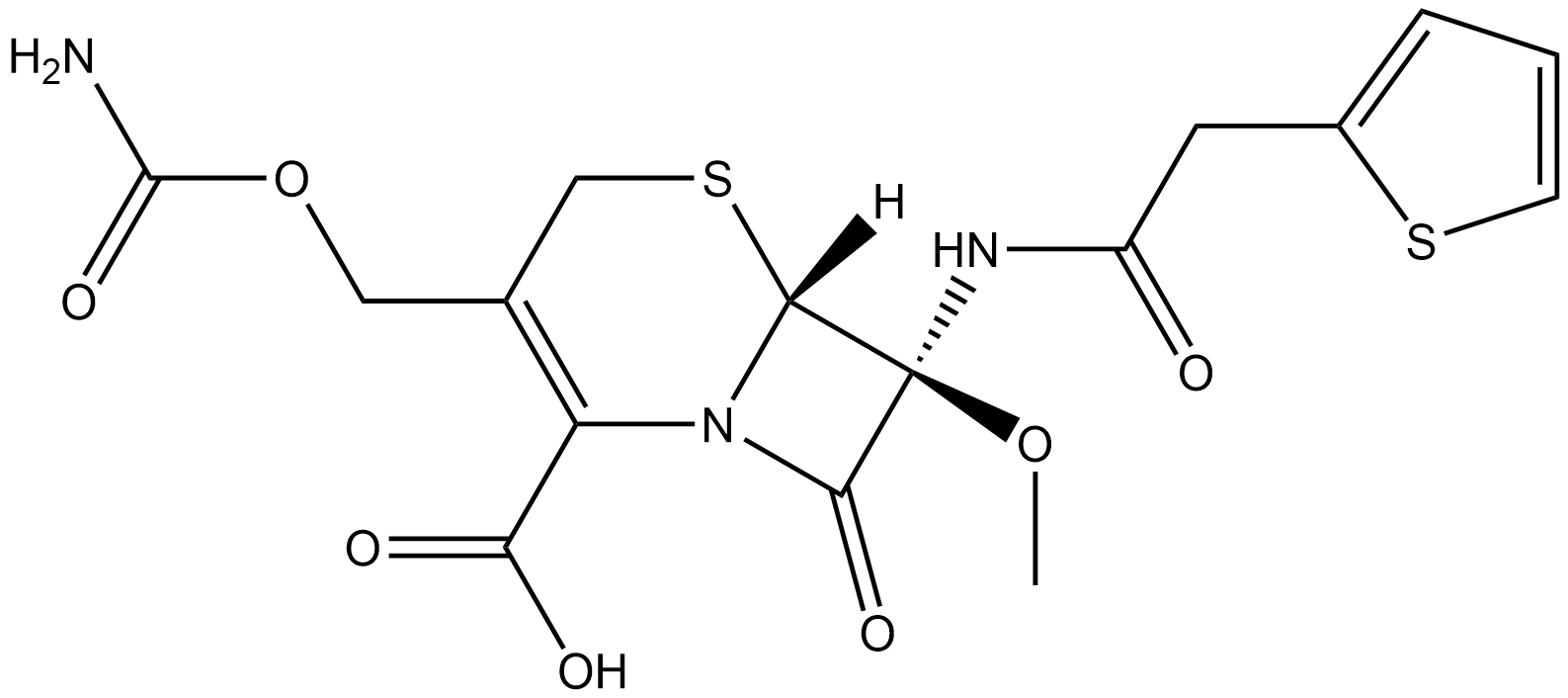 BA1022 CefoxitinSummary: A broad-spectrum second-generation cephalosporin antibiotic that is stable against β-lactamases.
 -
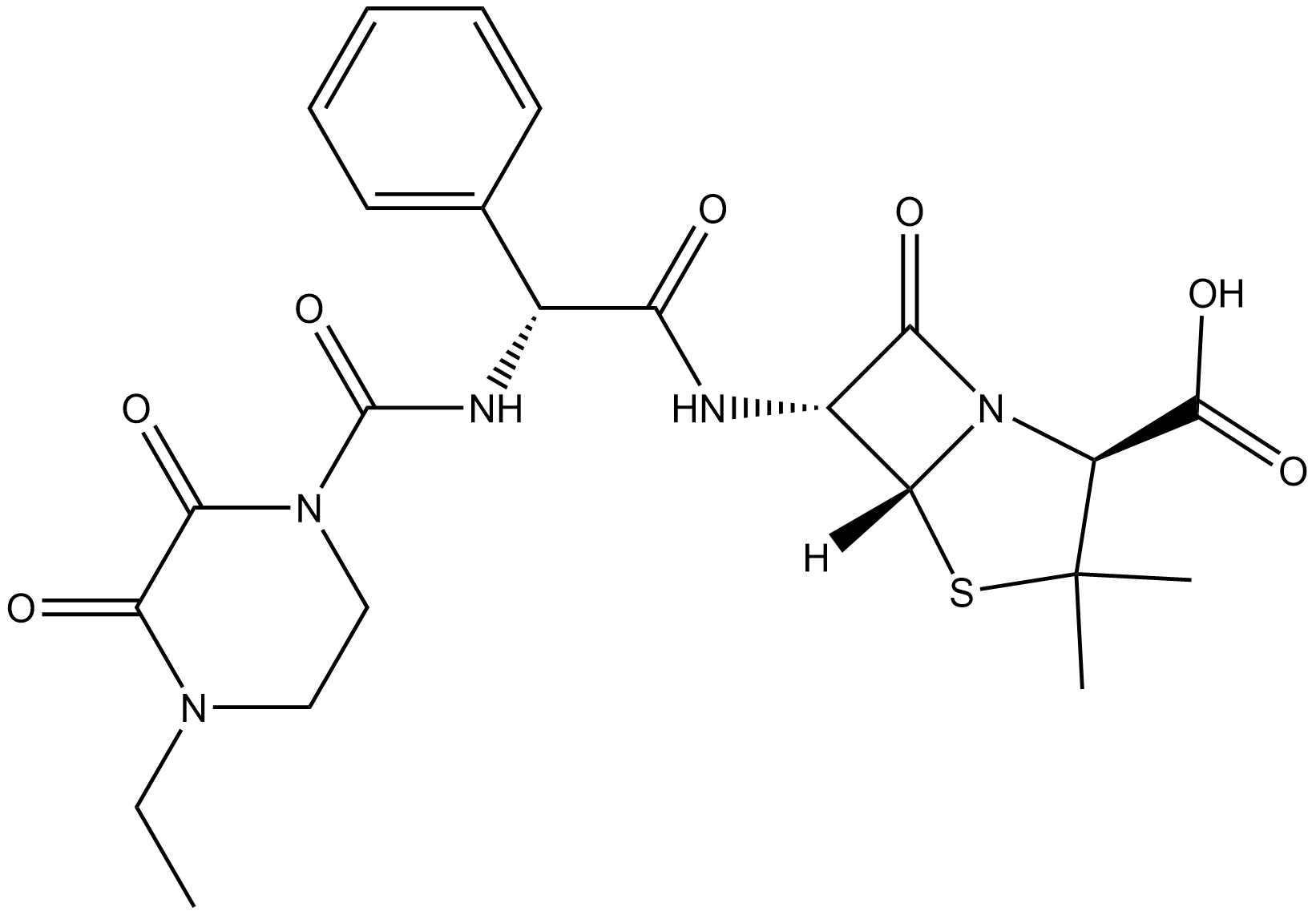 BA1038 PiperacillinSummary: A semi-synthetic broad-spectrum β-lactam antibiotic that inhibits bacterial cell wall synthesis by acting on penicillin-binding proteins (PBPs).
 -
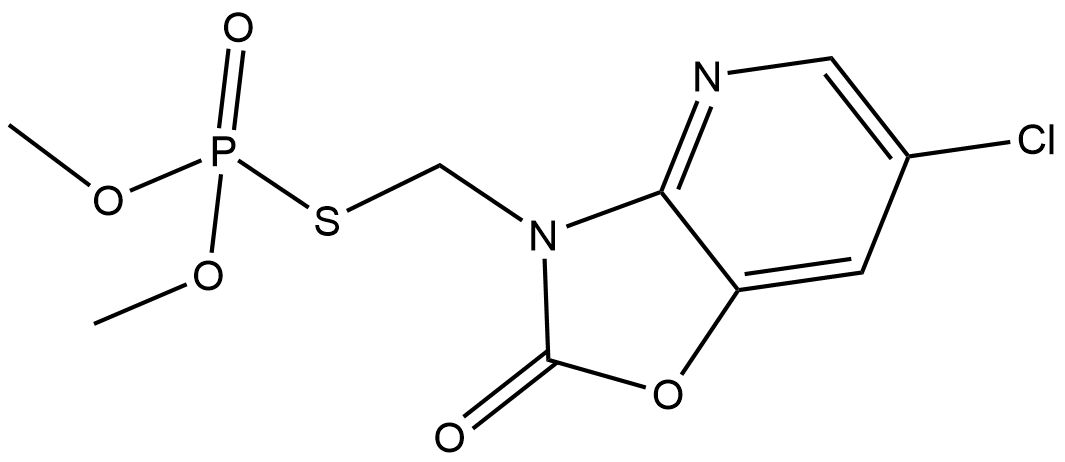 BA2219 AzamethiphosSummary: An organothiophosphate acetylcholinesterase inhibitor.
 -
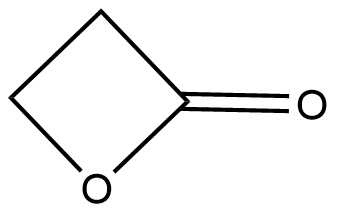 BA2268 PropiolactoneSummary: A β-lactone chemical inactivating agent used for studies of viral infectivity inactivation.
 -
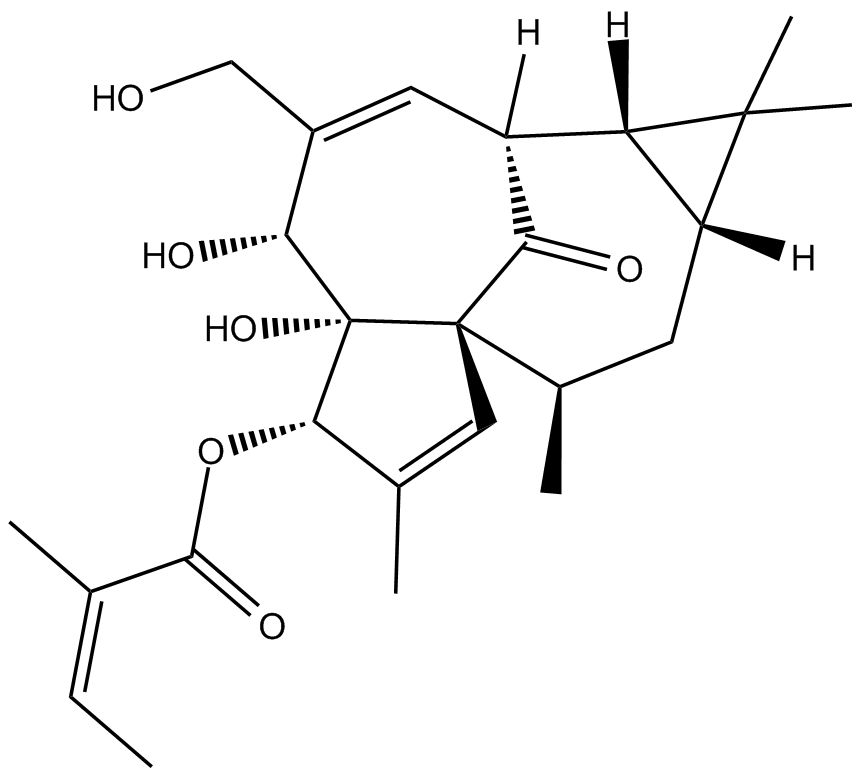 C3844 Ingenol-3-angelateSummary: A diterpene ester protein kinase C (PKC) modulator derived from Euphorbia peplus.
 -
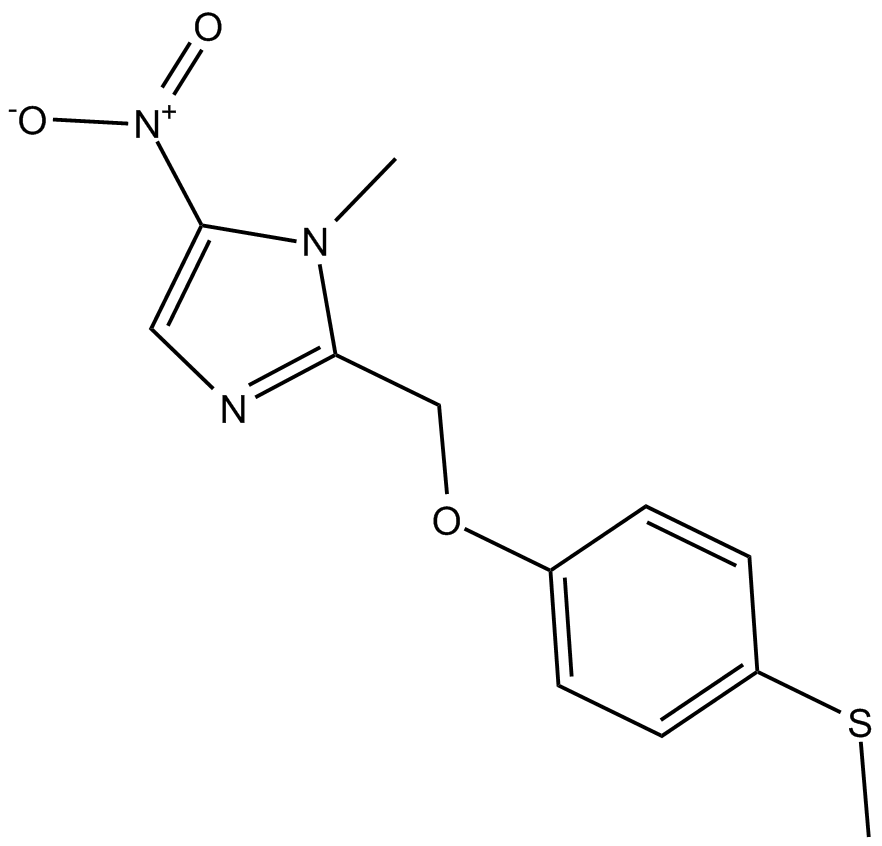 C4007 FexinidazoleSummary: A nitroimidazole compound with antiparasitic activity.
 -
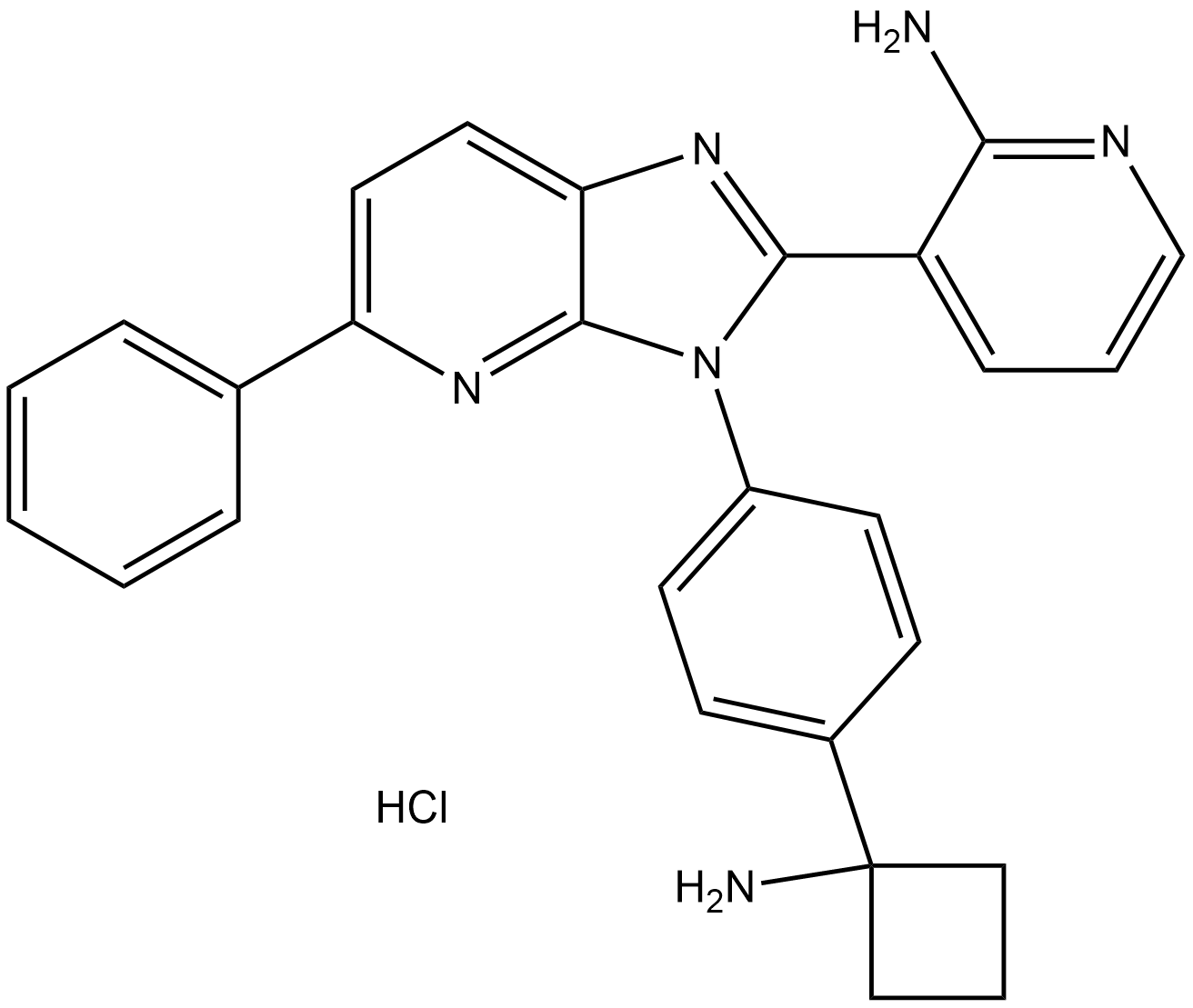 C9065 Miransertib HClSummary: A selective allosteric pan-AKT inhibitor for research on the mechanisms of the PI3K/AKT pathway.
 -
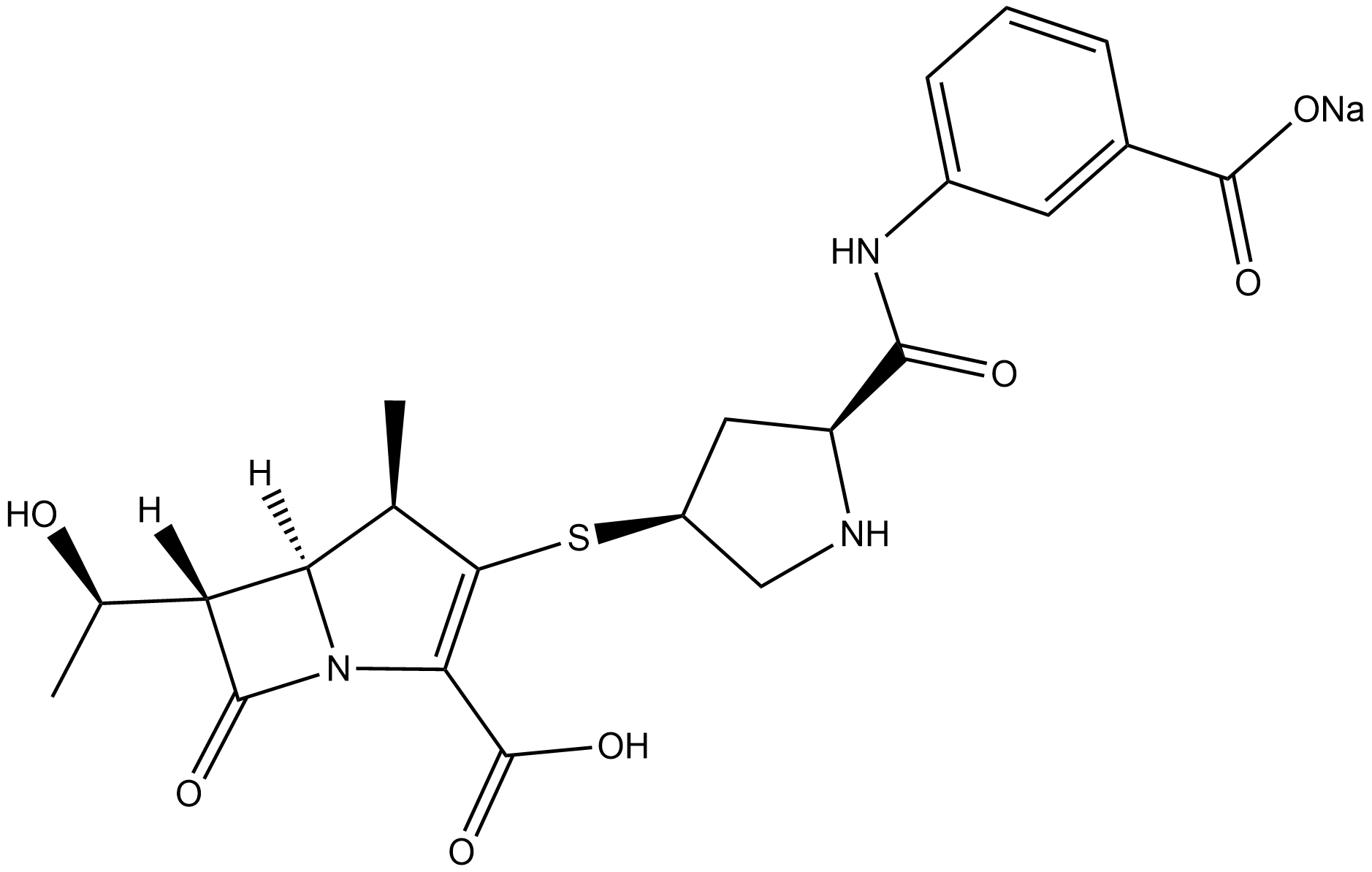 C9114 Ertapenem sodiumSummary: A long-acting broad-spectrum carbapenem β-lactam for in vitro studies of antibacterial mechanisms.