


Microbiology & Virology

Furthermore, small molecules enable selective modulation of the microbiome, balancing interactions between beneficial and pathogenic microorganisms. Coupled with advances in high-throughput screening technologies, they continue to overcome limitations related to target specificity and drug resistance, thereby serving as a crucial bridge between basic research and clinical anti-infective practice. Collectively, small-molecule compounds offer diversified solutions to global public health challenges.
-
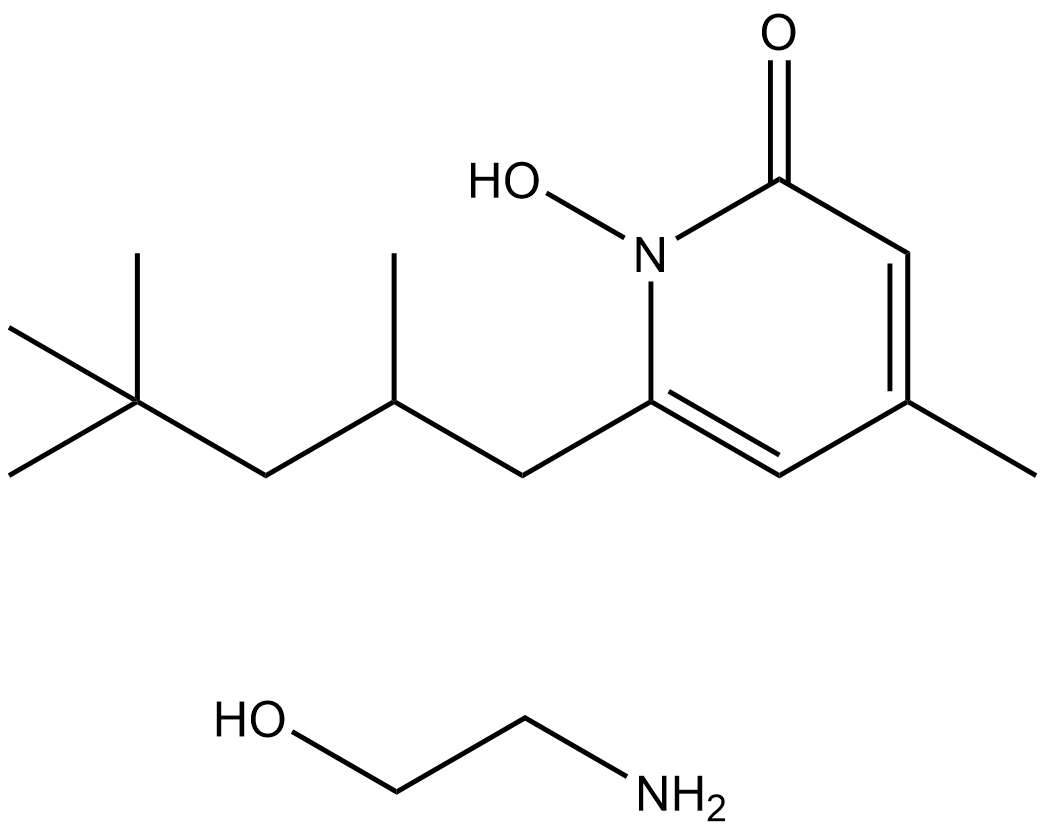 C9028 Piroctone OlamineSummary: Piroctone Olamine is a hydroxamic acid derivative with antifungal activity, targeting membrane integrity pathways and used in microbiology and fungal cell biology research.
 -
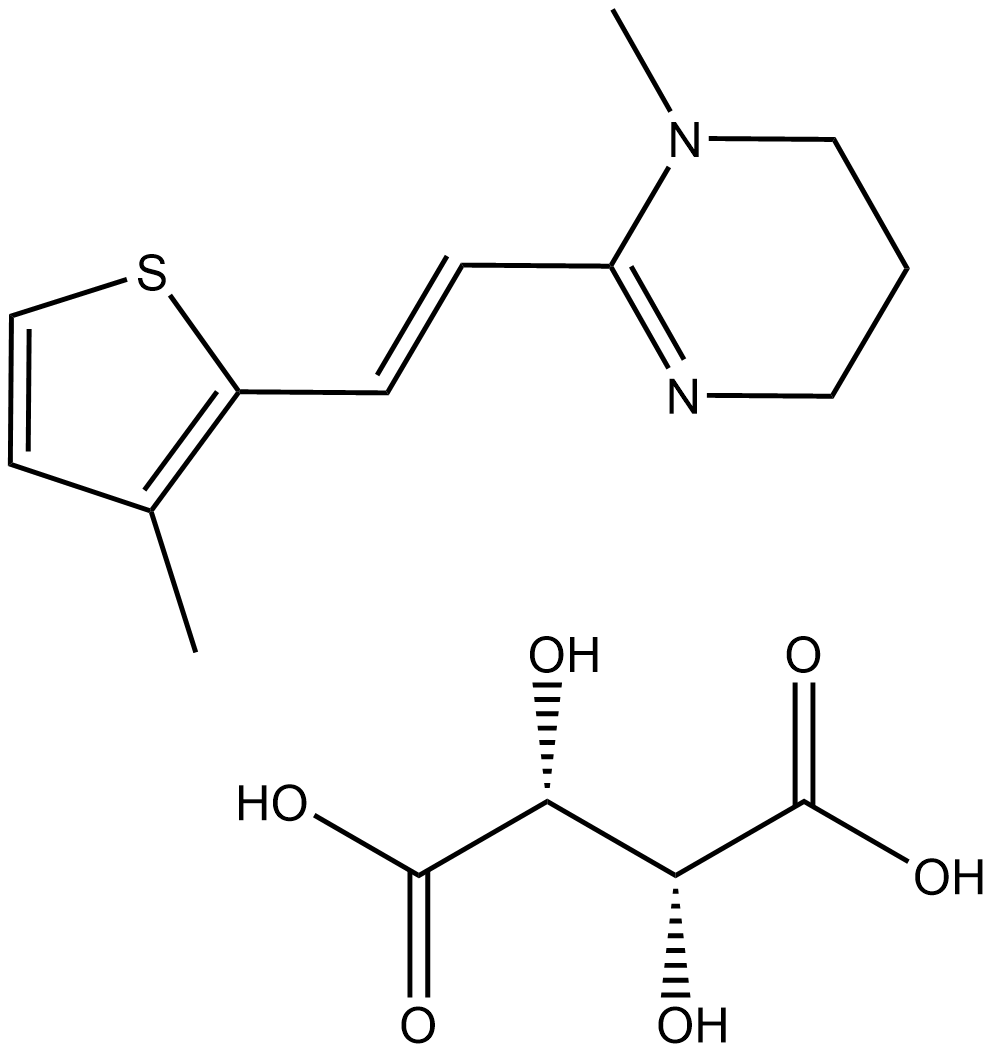 C9031 Morantel tartrateSummary: Morantel tartrate is a tetrahydropyrimidine cholinergic agonist targeting nematode nicotinic acetylcholine receptors, widely used in antiparasitic pharmacology and helminth neuromuscular signaling research.
 -
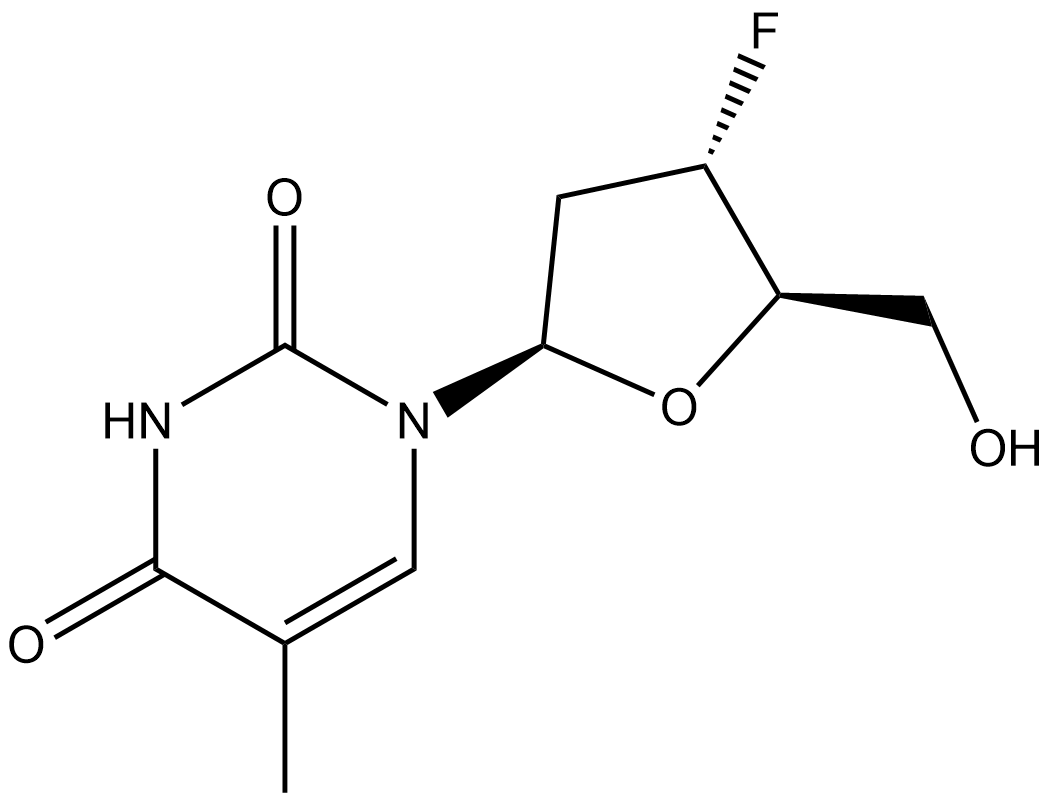 C9037 3'-Fluoro-3'-deoxythymidine (Alovudine)Summary: 3'-Fluoro-3'-deoxythymidine (Alovudine) is a fluorinated thymidine nucleoside analog that inhibits reverse transcriptase and is utilized in antiviral mechanism and nucleoside metabolism research.
 -
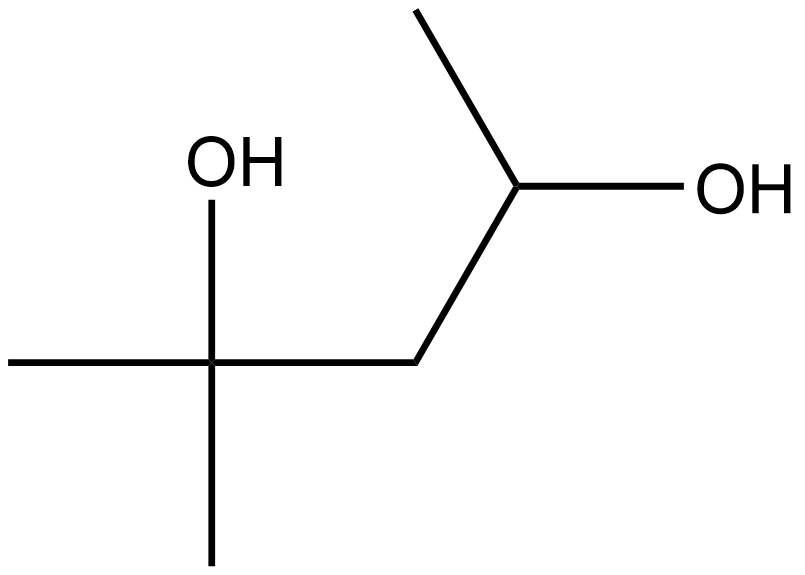 C9039 Hexylene glycolSummary: Hexylene glycol (CAS 107-41-5) is a branched aliphatic diol solvent used in formulation chemistry and physicochemical method development for life sciences research.
 -
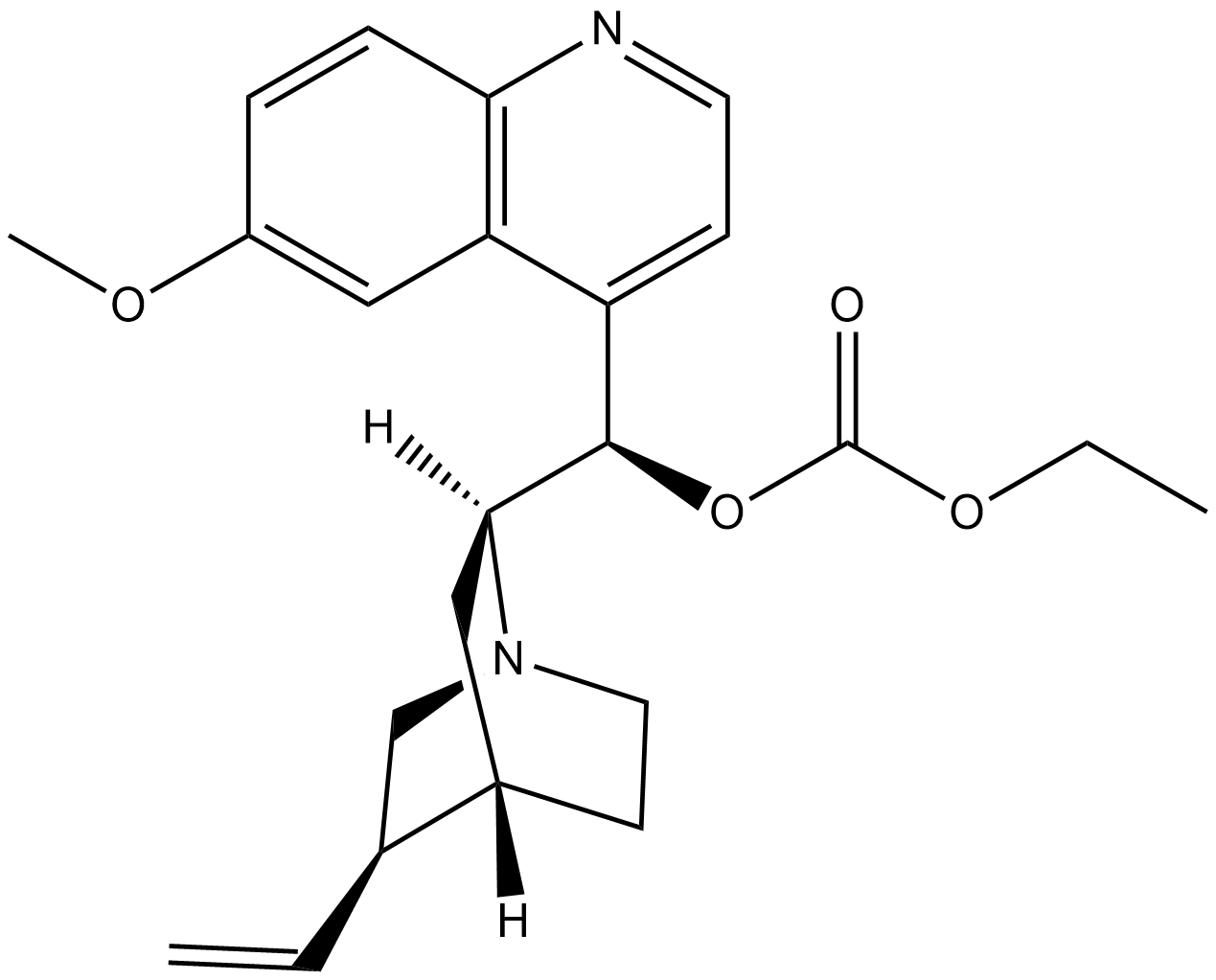 C9042 EuquinineSummary: Euquinine is a quinine-derived alkaloid compound used as an analytical reference standard in chemical characterization and pharmacognosy-related life sciences research.
 -
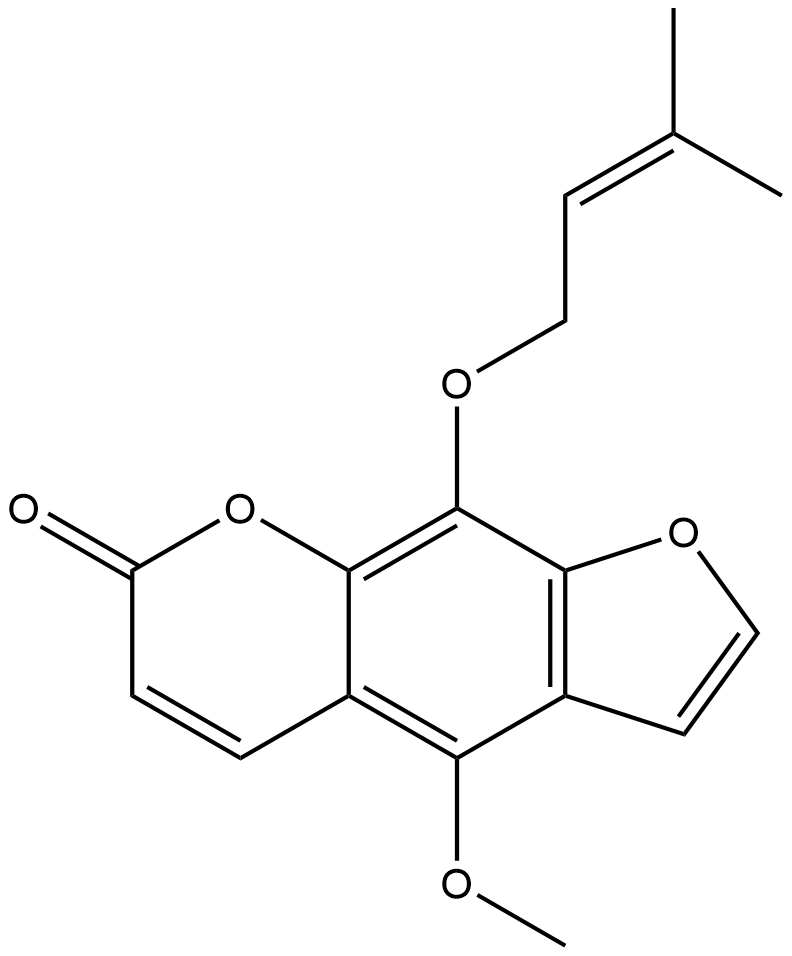 BA8685 PhellopterinSummary: An orally active furocoumarin that acts as a partial agonist of central benzodiazepine receptors, with anti-inflammatory activity via SIRT1 upregulation
 -
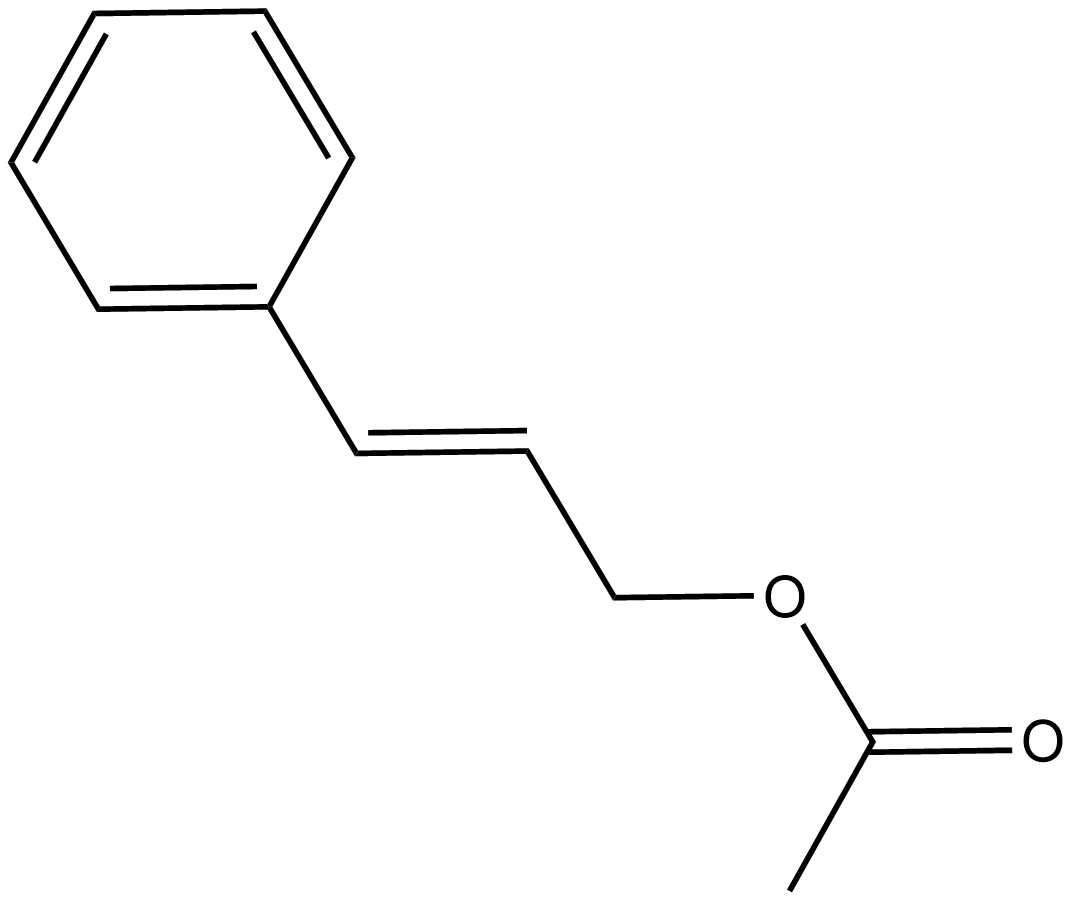 N2918 Cinnamyl acetateSummary: Cinnamyl acetate is an aromatic ester compound used as a reference standard in flavor chemistry, olfactory signaling, and metabolic pathway research.
 -
 N2924 Methyl cinnamateSummary: Methyl cinnamate is a phenylpropanoid ester used as a bioactive small molecule in studies of oxidative stress, inflammation signaling, and antimicrobial mechanisms.
 -
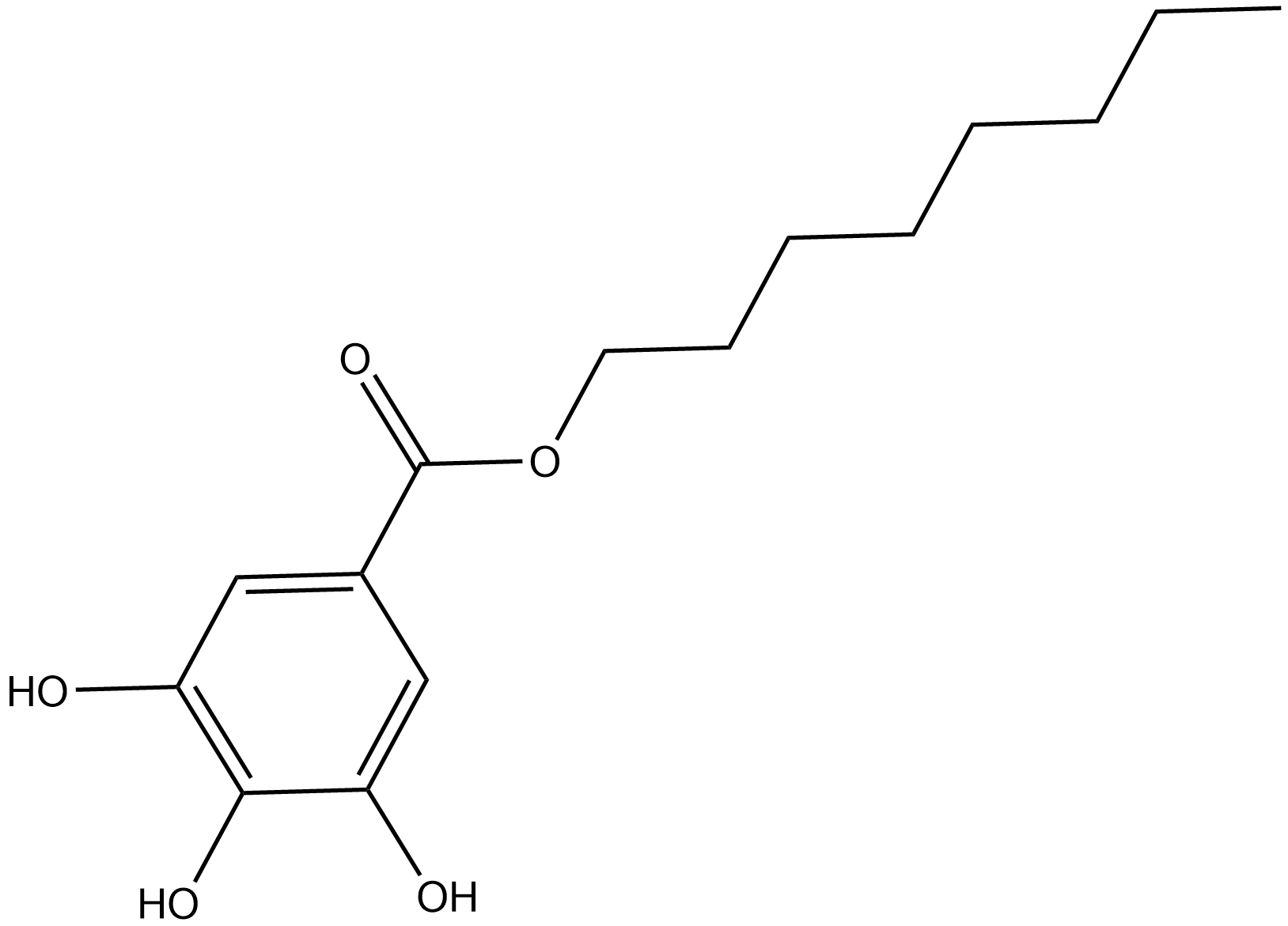 N2925 Octyl gallateSummary: Octyl gallate is a lipophilic phenolic antioxidant and radical scavenger used to investigate oxidative stress mechanisms, lipid peroxidation, and redox-related cellular pathways.
 -
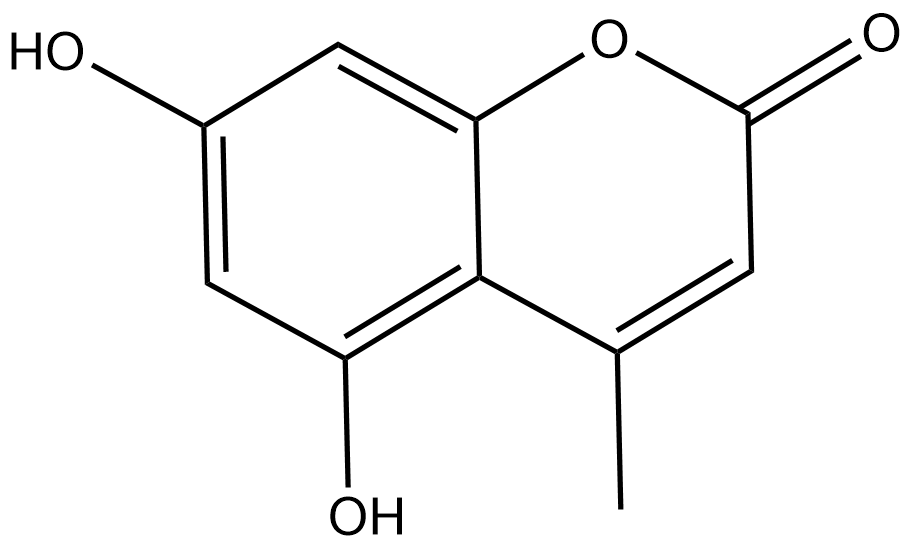 N2926 5,7-Dihydroxy-4-methylcoumarinSummary: 5,7-Dihydroxy-4-methylcoumarin is a hydroxylated coumarin derivative used as a chemical probe for studying oxidative stress pathways and enzyme-mediated metabolism in biochemical research.