


Microbiology & Virology

Furthermore, small molecules enable selective modulation of the microbiome, balancing interactions between beneficial and pathogenic microorganisms. Coupled with advances in high-throughput screening technologies, they continue to overcome limitations related to target specificity and drug resistance, thereby serving as a crucial bridge between basic research and clinical anti-infective practice. Collectively, small-molecule compounds offer diversified solutions to global public health challenges.
-
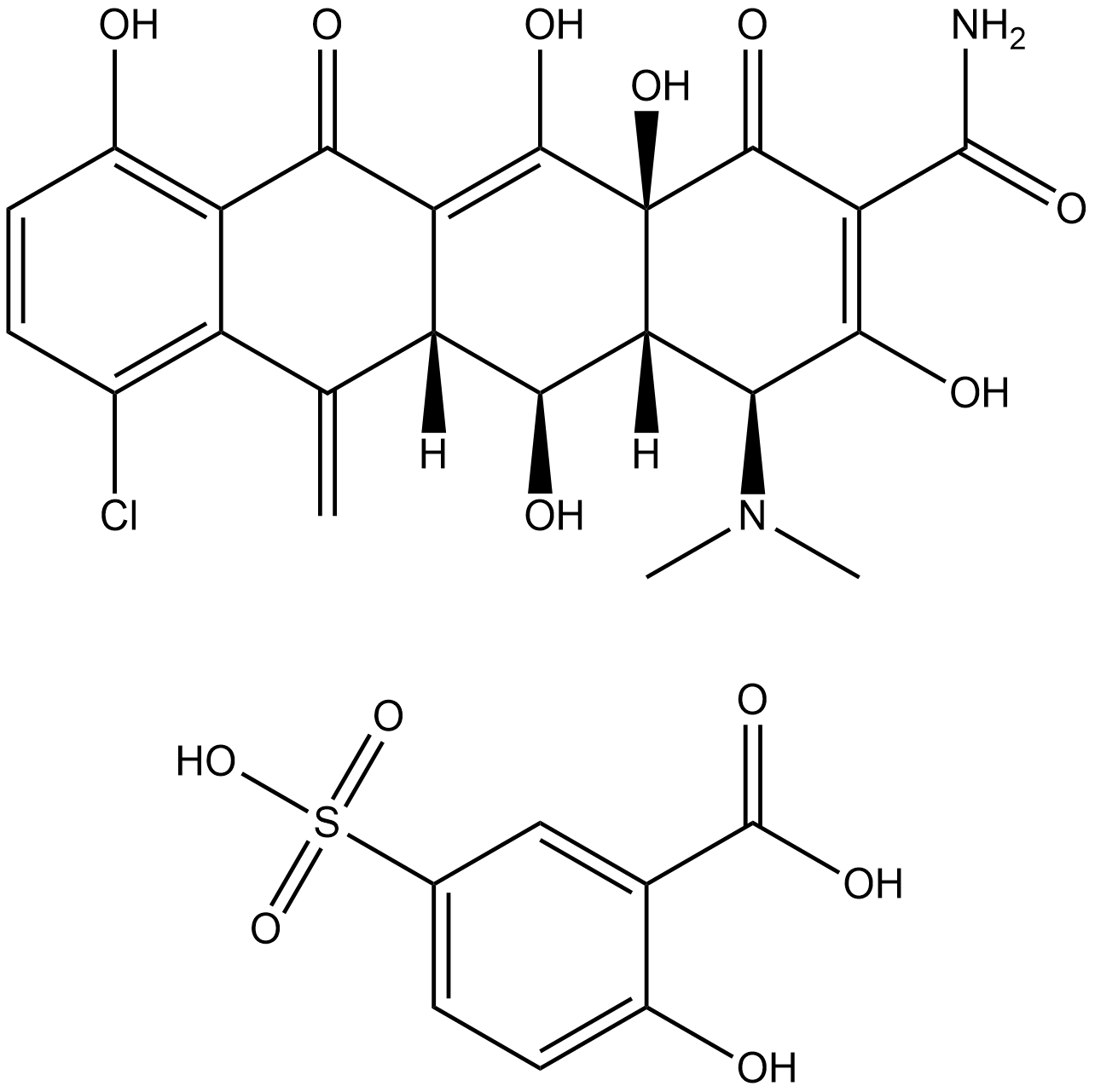 N2930 Meclocycline SulfosalicylateSummary: Meclocycline Sulfosalicylate is a tetracycline-class antibacterial compound that inhibits bacterial protein synthesis via 30S ribosomal subunit binding, widely used in microbiology and resistance research.
 -
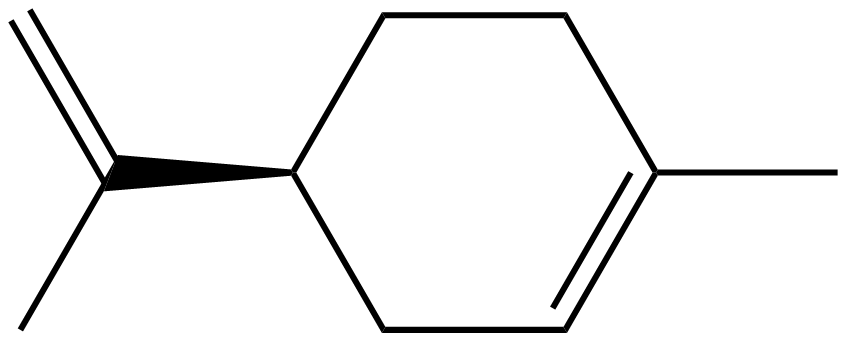 N2933 (S)-(?)-LimoneneSummary: (S)-(?)-Limonene is a monoterpene hydrocarbon that modulates oxidative stress and inflammatory signaling pathways, and is utilized in biochemical, pharmacological, and natural product research.
 -
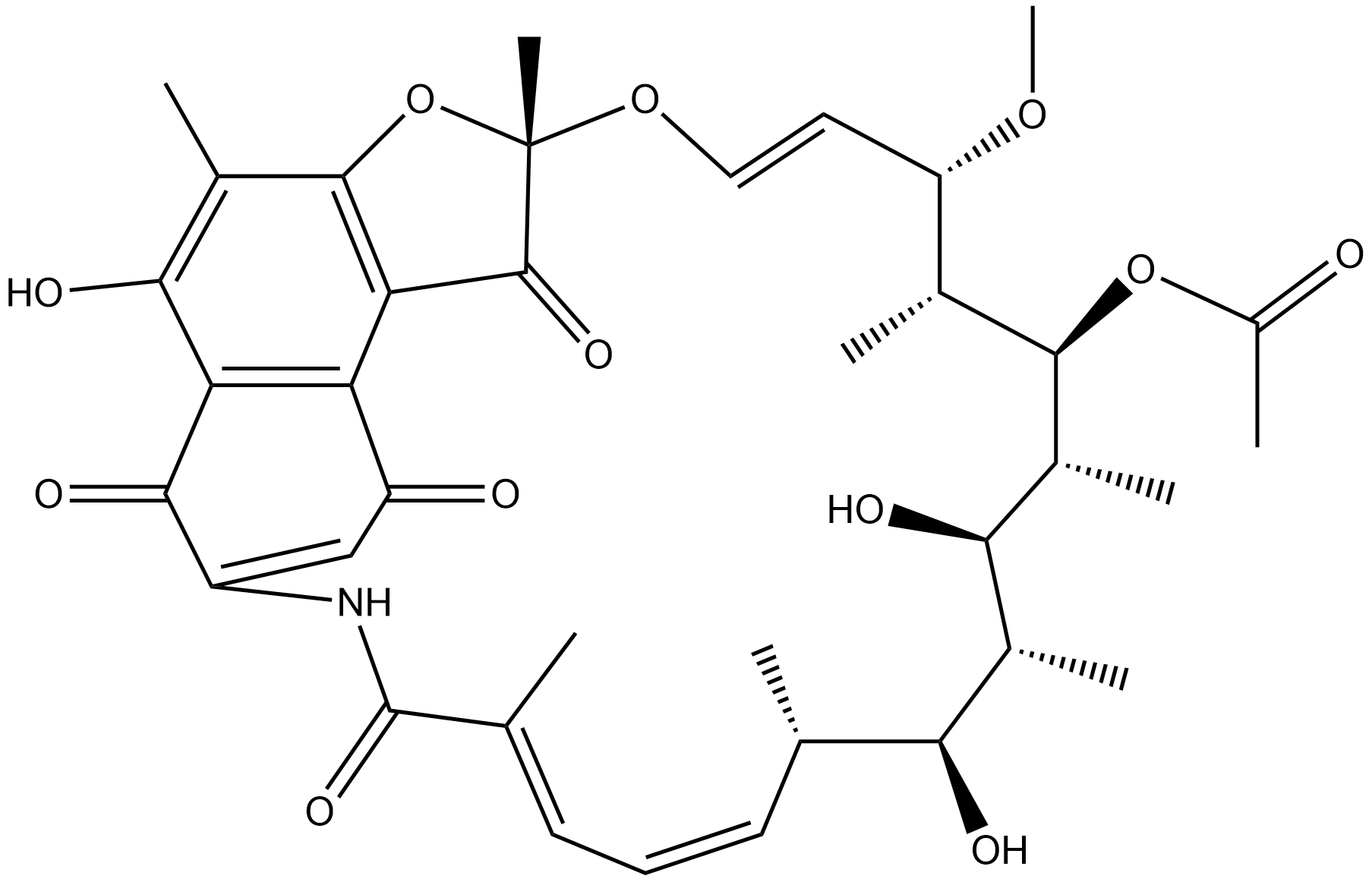 N2940 Rifamycin SSummary: Rifamycin S is an ansamycin antibiotic that inhibits bacterial DNA-dependent RNA polymerase, widely utilized in microbiology and antimicrobial resistance mechanism research.
 -
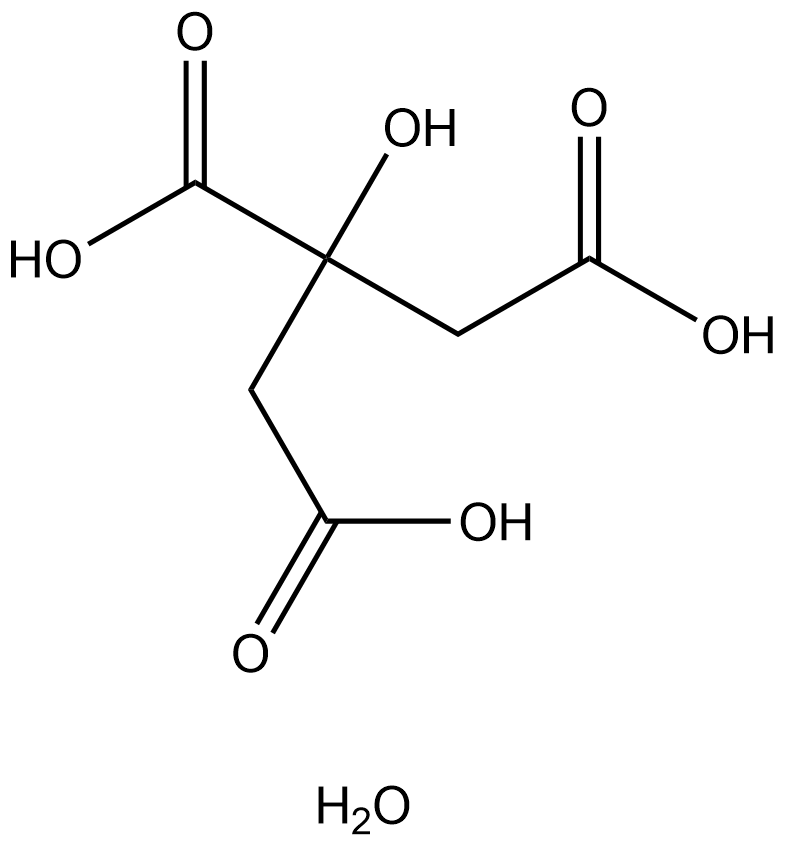 N2942 Citric acid hydrateSummary: Citric acid hydrate is a tricarboxylic acid metabolite modulating cellular energy metabolism pathways and widely utilized in biochemical, metabolic, and cell culture research.
 -
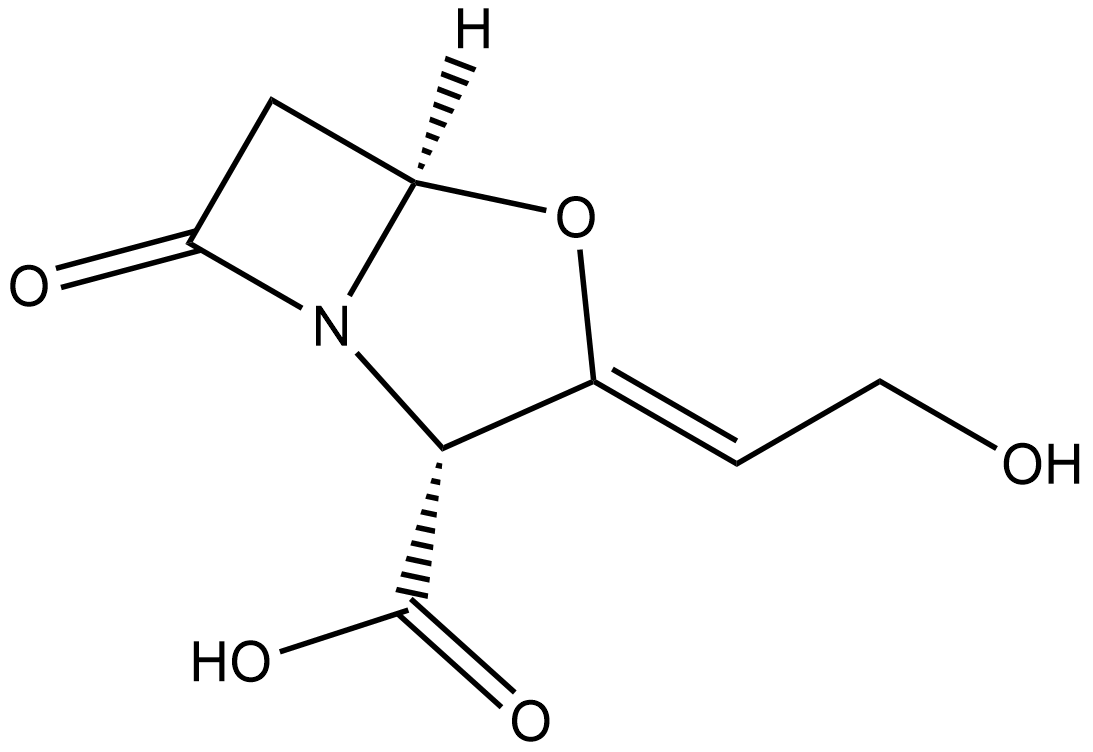 N2943 Clavulanic acidSummary: Clavulanic acid is a β-lactamase inhibitor targeting bacterial serine β-lactamases, widely utilized in antimicrobial resistance mechanism studies and antibiotic potentiation research.
 -
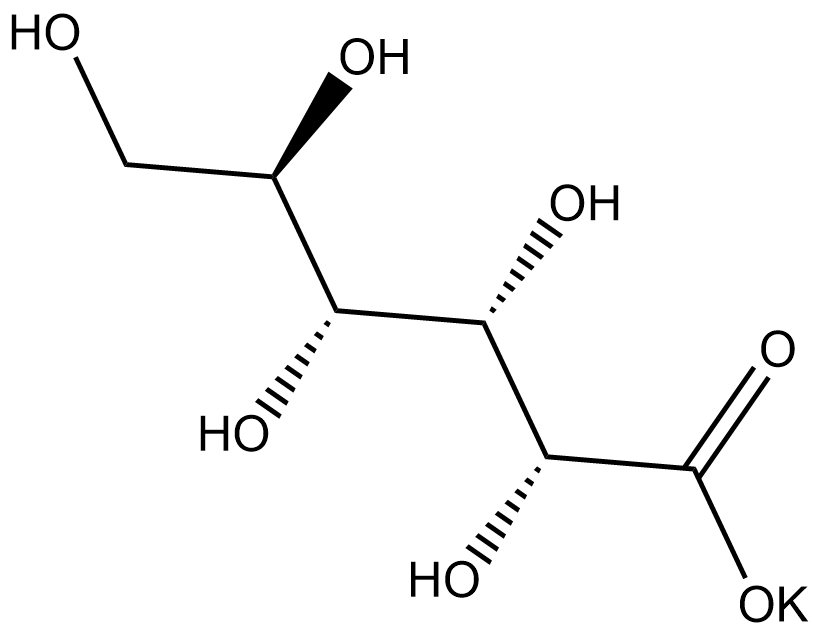 N2948 Potassium D-gluconateSummary: Potassium D-gluconate is a potassium salt of D-gluconic acid used as an ionic strength modifier and potassium source in biochemical and cell culture research.
 -
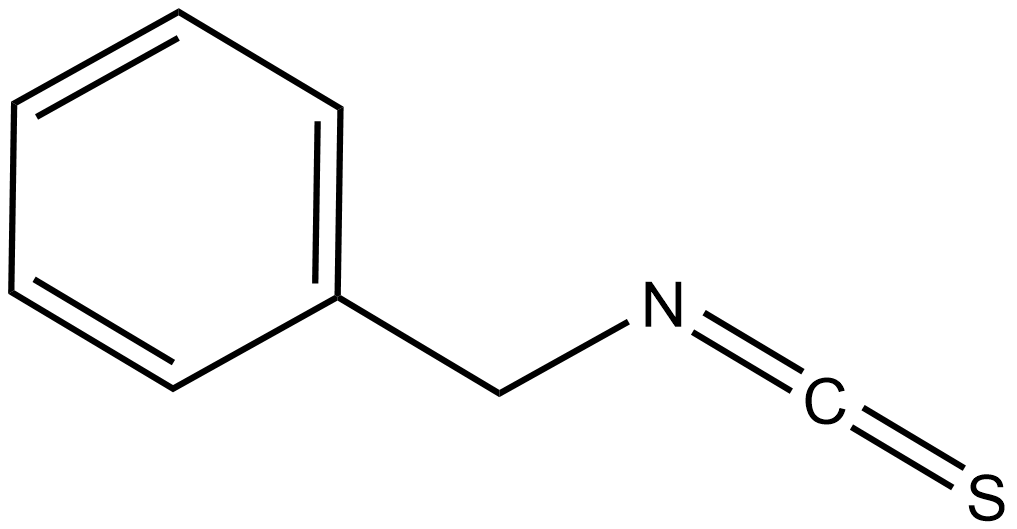 N2949 Benzyl isothiocyanateSummary: Benzyl isothiocyanate is a naturally occurring isothiocyanate that modulates phase II detoxification and apoptosis-related signaling, widely utilized in cancer chemoprevention research.
 -
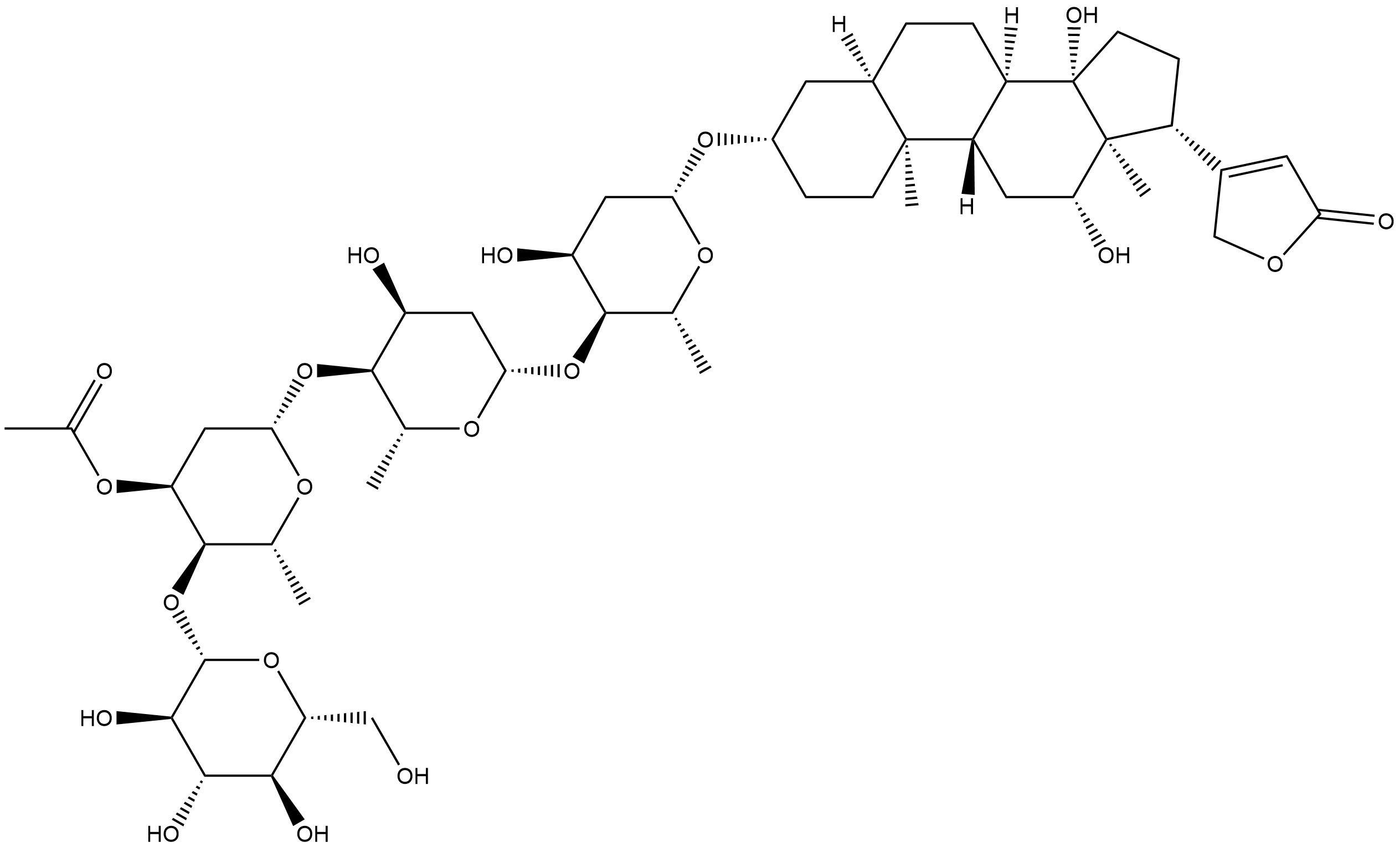 N2951 Lanatoside CSummary: Lanatoside C is a cardiac glycoside and Na⁺/K⁺⁺-ATPase modulator used to investigate ion-transport signaling and cell physiology in pharmacological research.
 -
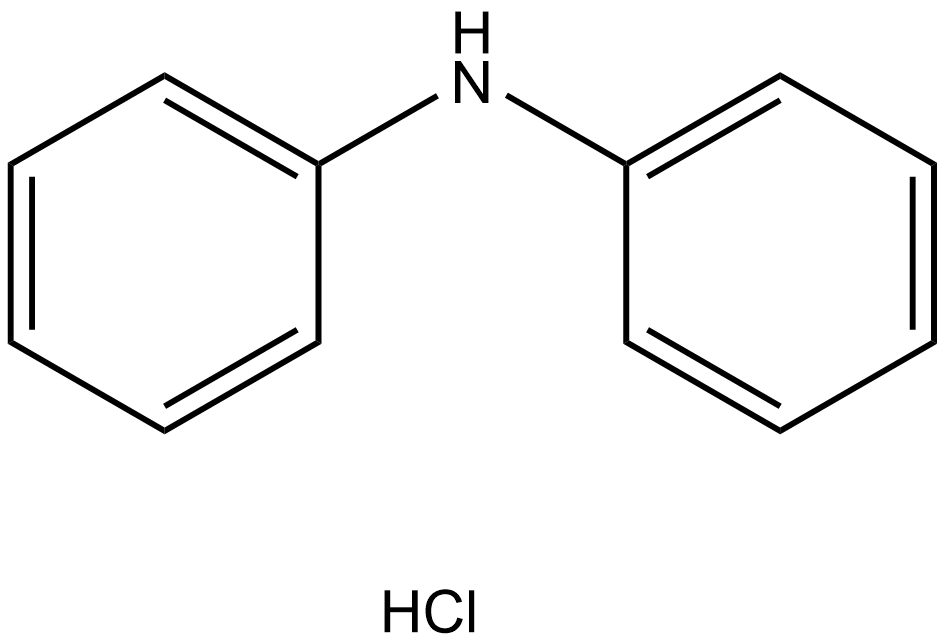 N2953 Diphenylamine HydrochlorideSummary: Diphenylamine Hydrochloride is an aromatic amine derivative used as a redox-reactive reagent for oxidative stress assays and analytical chemistry research applications.
 -
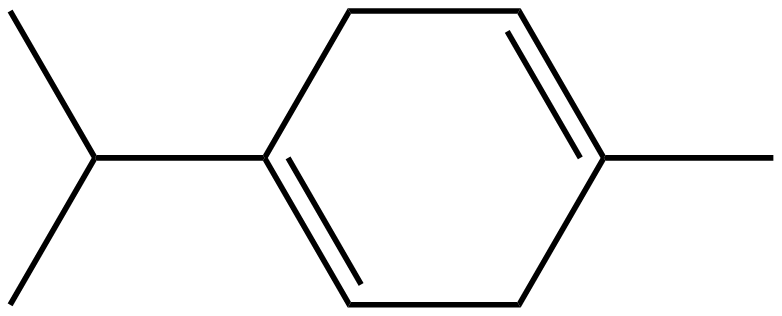 N2962 γ-TerpineneSummary: γ-Terpinene (CAS 99-85-4) is a monoterpene hydrocarbon used as a reference compound in oxidative stress, natural products, and analytical chemistry research.