


Microbiology & Virology

Furthermore, small molecules enable selective modulation of the microbiome, balancing interactions between beneficial and pathogenic microorganisms. Coupled with advances in high-throughput screening technologies, they continue to overcome limitations related to target specificity and drug resistance, thereby serving as a crucial bridge between basic research and clinical anti-infective practice. Collectively, small-molecule compounds offer diversified solutions to global public health challenges.
-
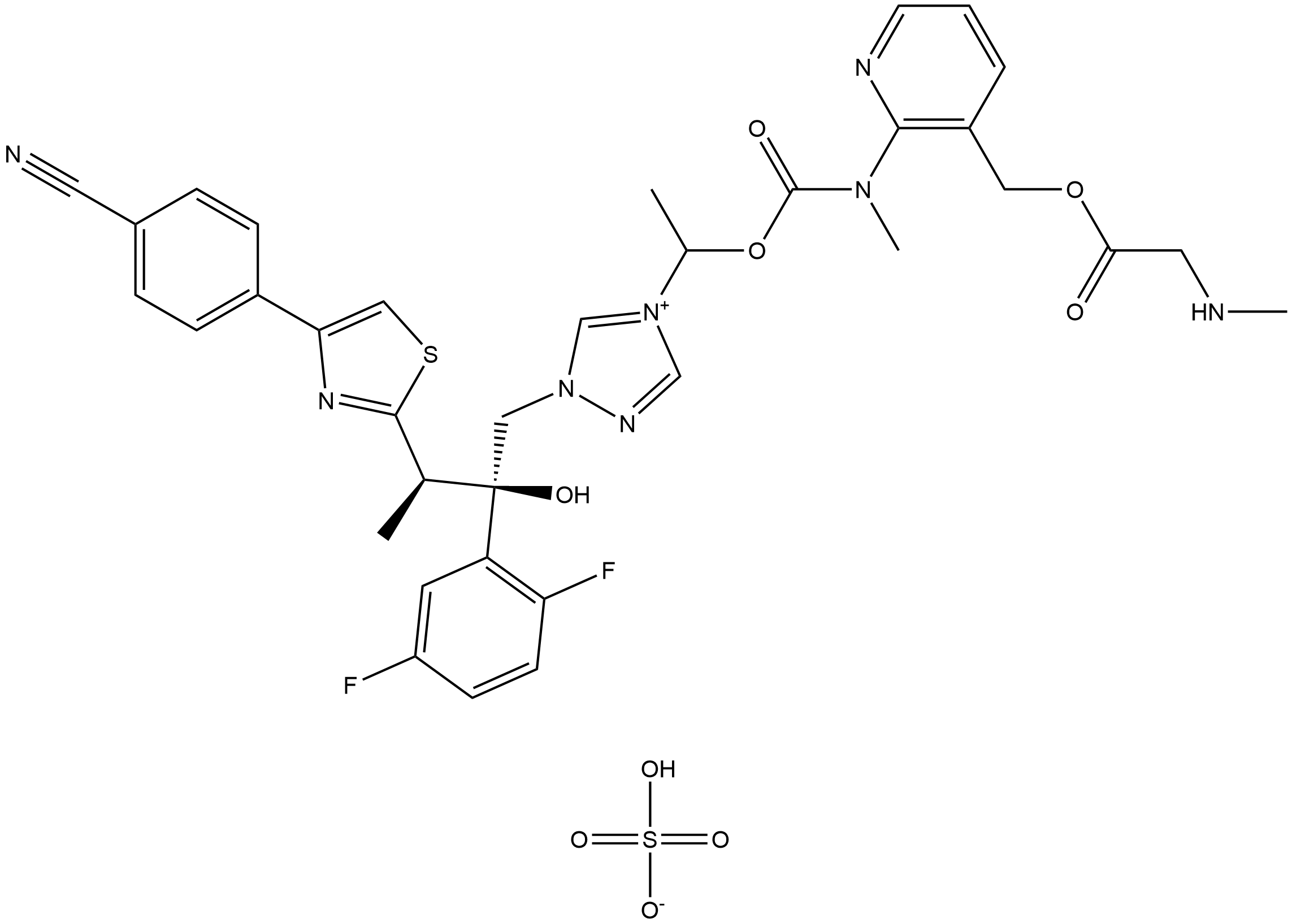 C8967 Isavuconazonium sulfateSummary: Isavuconazonium sulfate is a triazole prodrug that inhibits fungal CYP51-mediated ergosterol biosynthesis, widely utilized in antifungal mechanism and resistance research.
 -
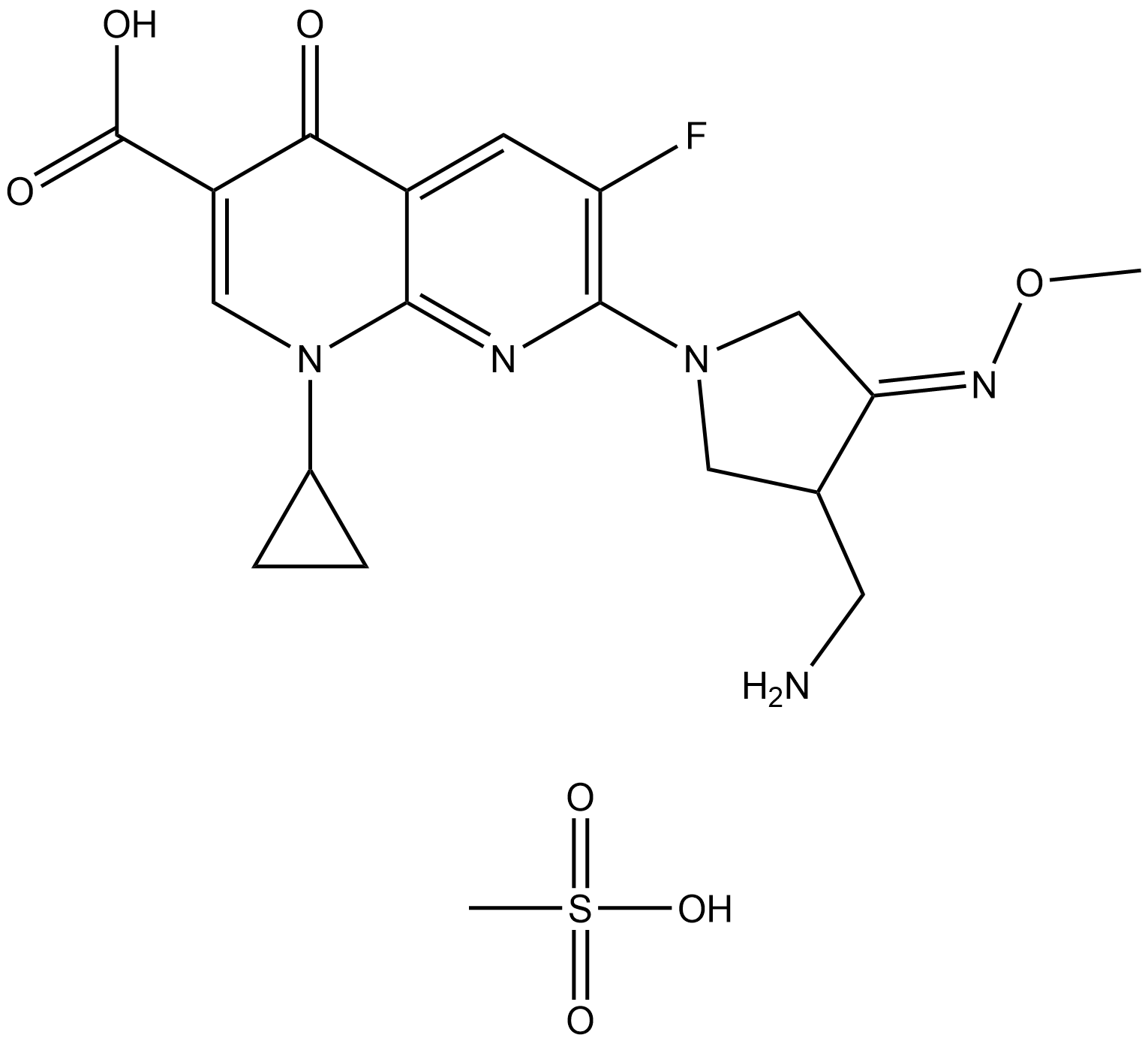 C8970 Gemifloxacin mesylateSummary: Gemifloxacin mesylate is a fluoroquinolone antibacterial agent targeting DNA gyrase and topoisomerase IV, widely utilized in microbiology and bacterial resistance mechanism research.
 -
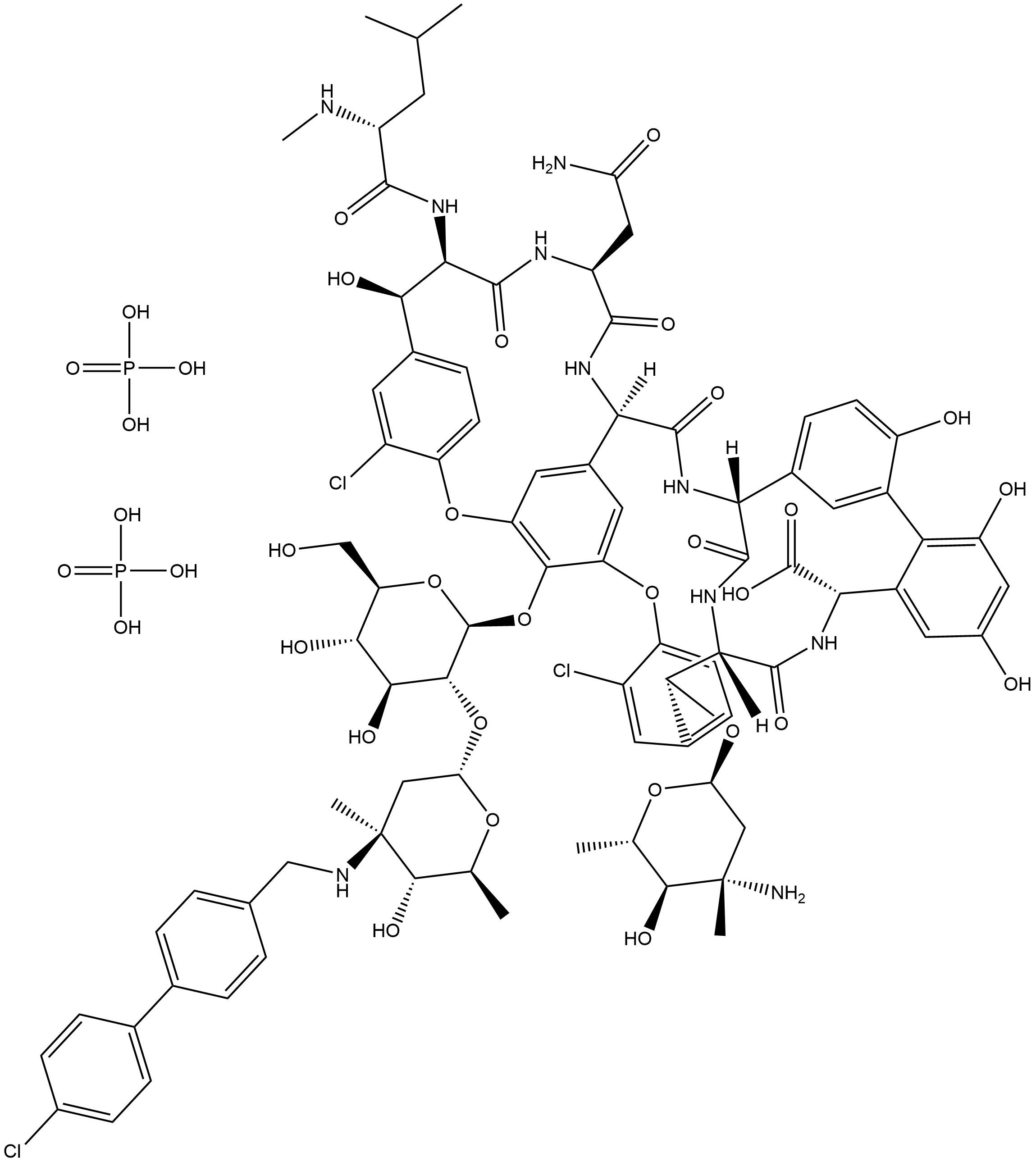 C8971 Oritavancin DiphosphateSummary: Oritavancin diphosphate is a semisynthetic lipoglycopeptide antibacterial agent targeting Gram-positive cell wall synthesis, widely utilized in microbiology and antimicrobial resistance mechanism research.
 -
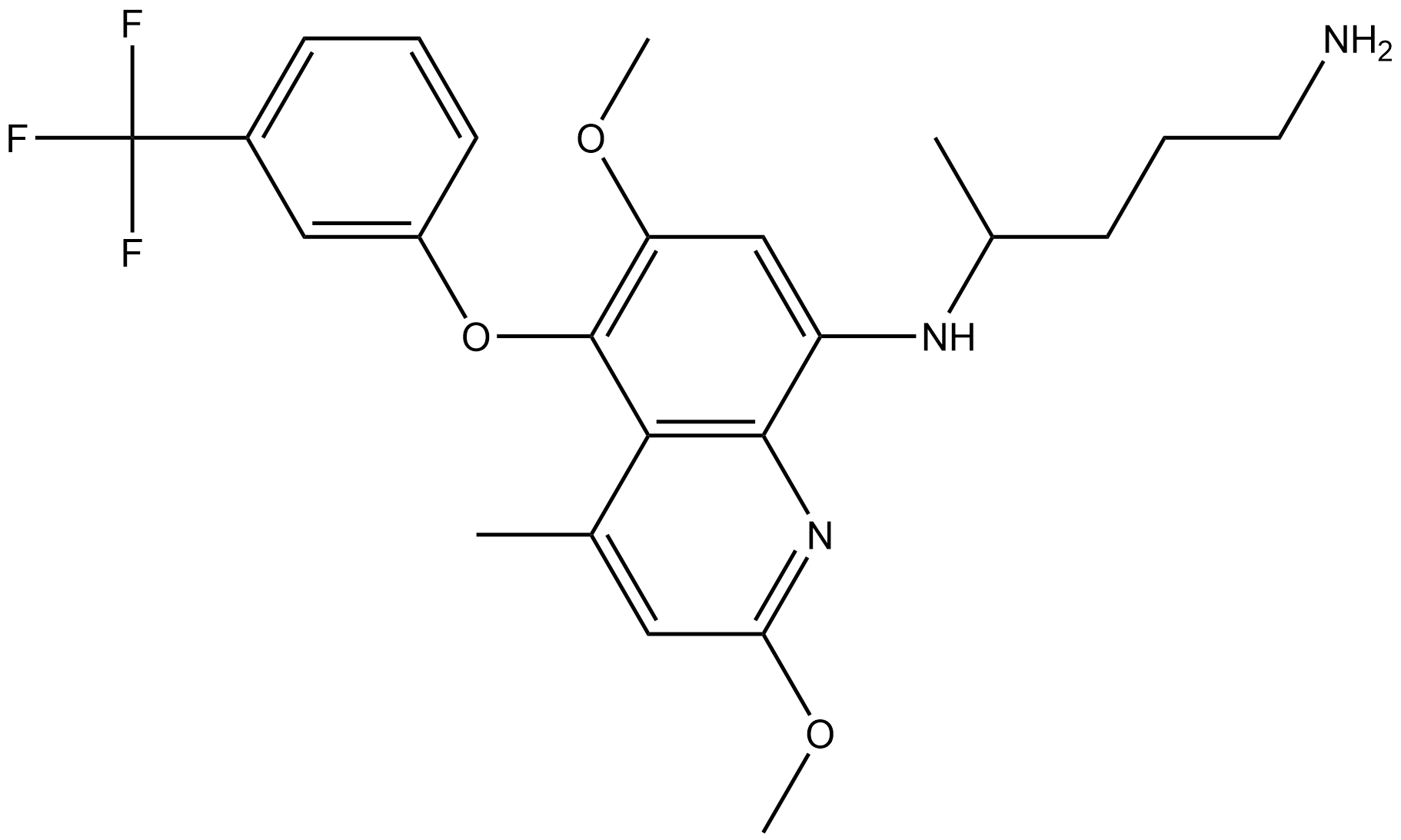 C8983 TafenoquineSummary: Tafenoquine is an 8-aminoquinoline antimalarial compound targeting Plasmodium mitochondrial function, widely utilized as a chemical probe in parasitology and antiplasmodial mechanism-of-action research.
 -
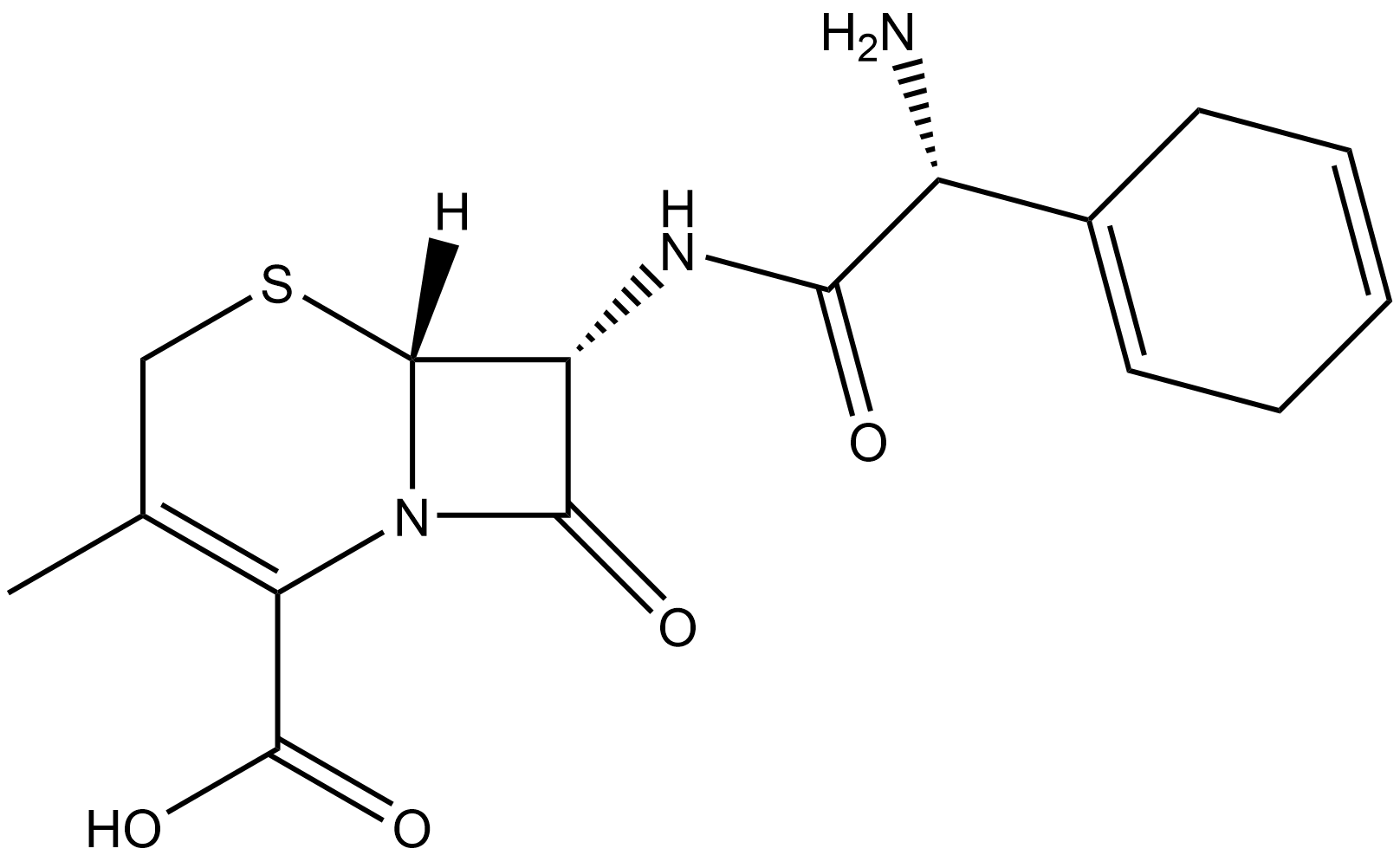 C8999 CefradineSummary: Cefradine is a first-generation cephalosporin β-lactam antibiotic that inhibits bacterial cell wall synthesis and is utilized in microbiology and antimicrobial resistance research.
 -
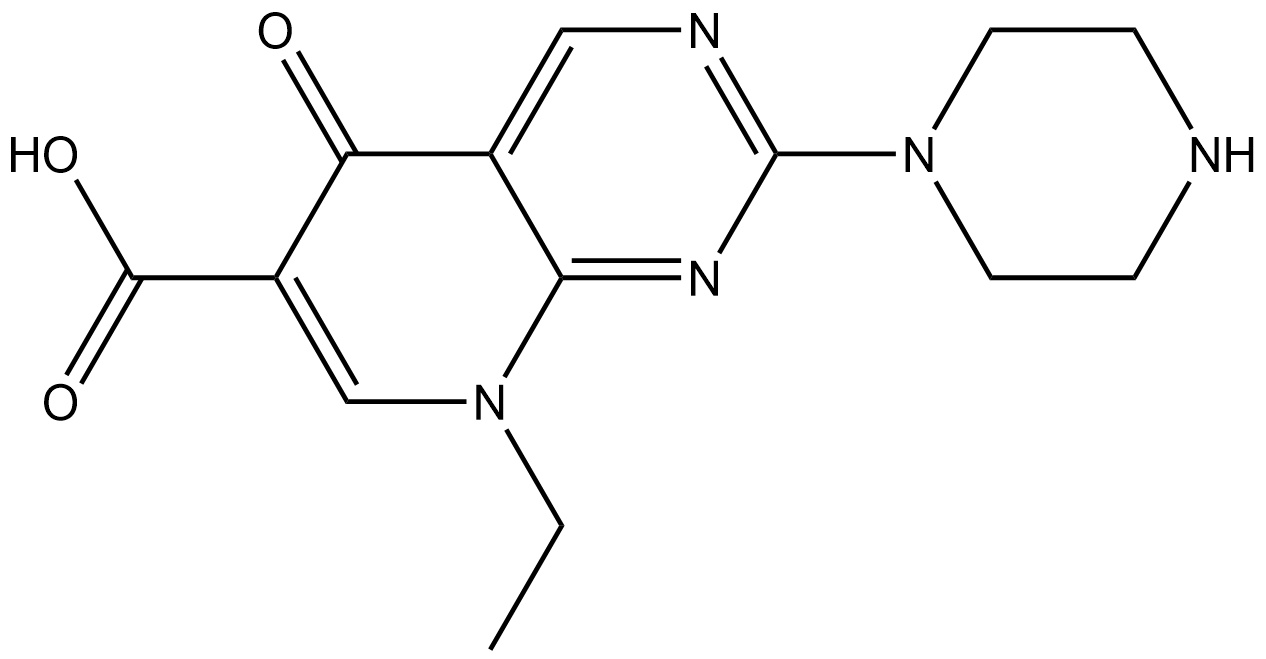 C9002 Pipemidic acidSummary: Pipemidic acid is a quinolone antibacterial that inhibits bacterial DNA gyrase and topoisomerase II, widely utilized in microbiology and antimicrobial resistance research.
 -
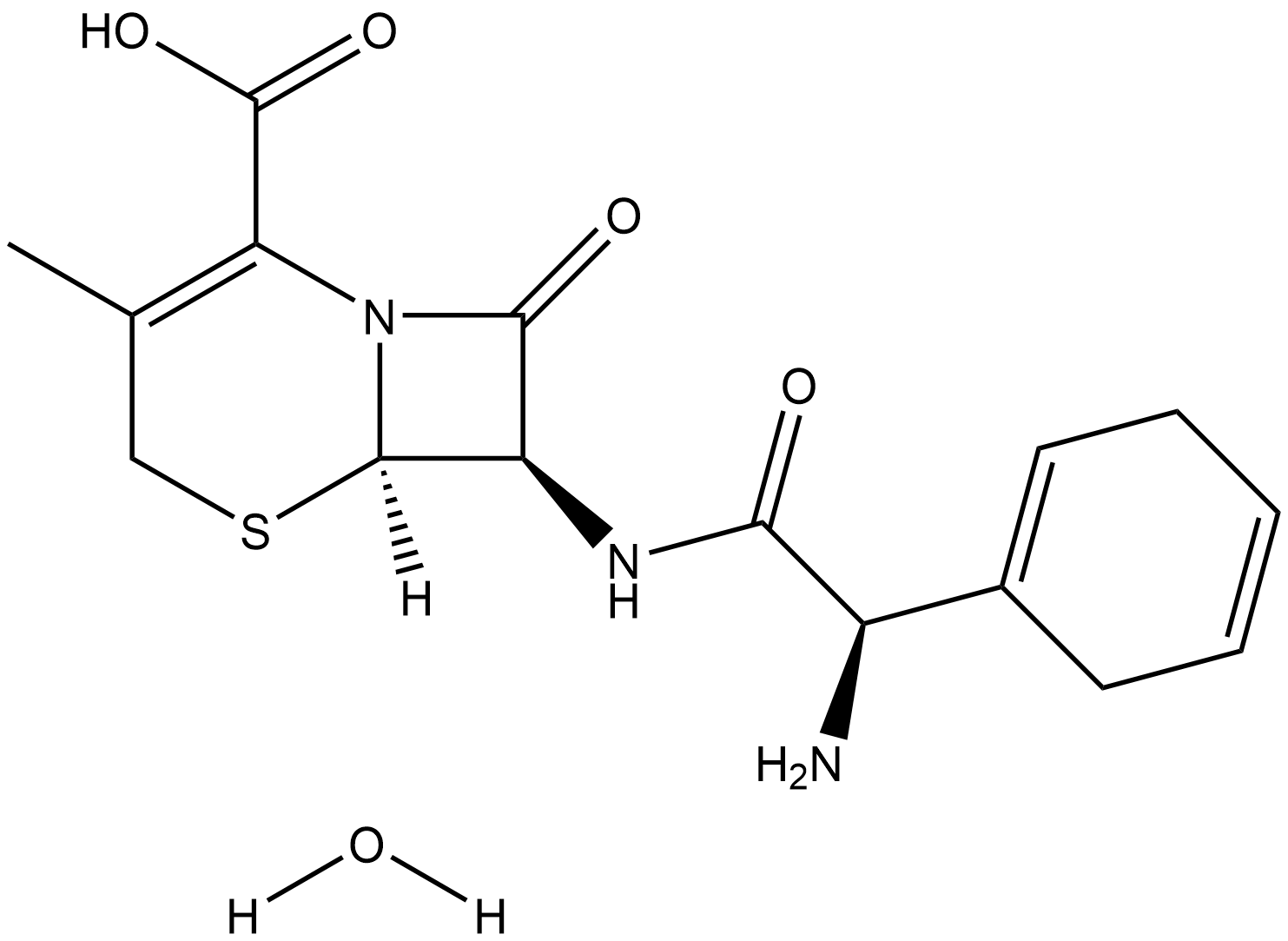 C9004 Cephradine monohydrateSummary: Cephradine monohydrate is a first-generation cephalosporin β-lactam compound that inhibits bacterial cell wall synthesis and is utilized in microbiology and antibiotic resistance research.
 -
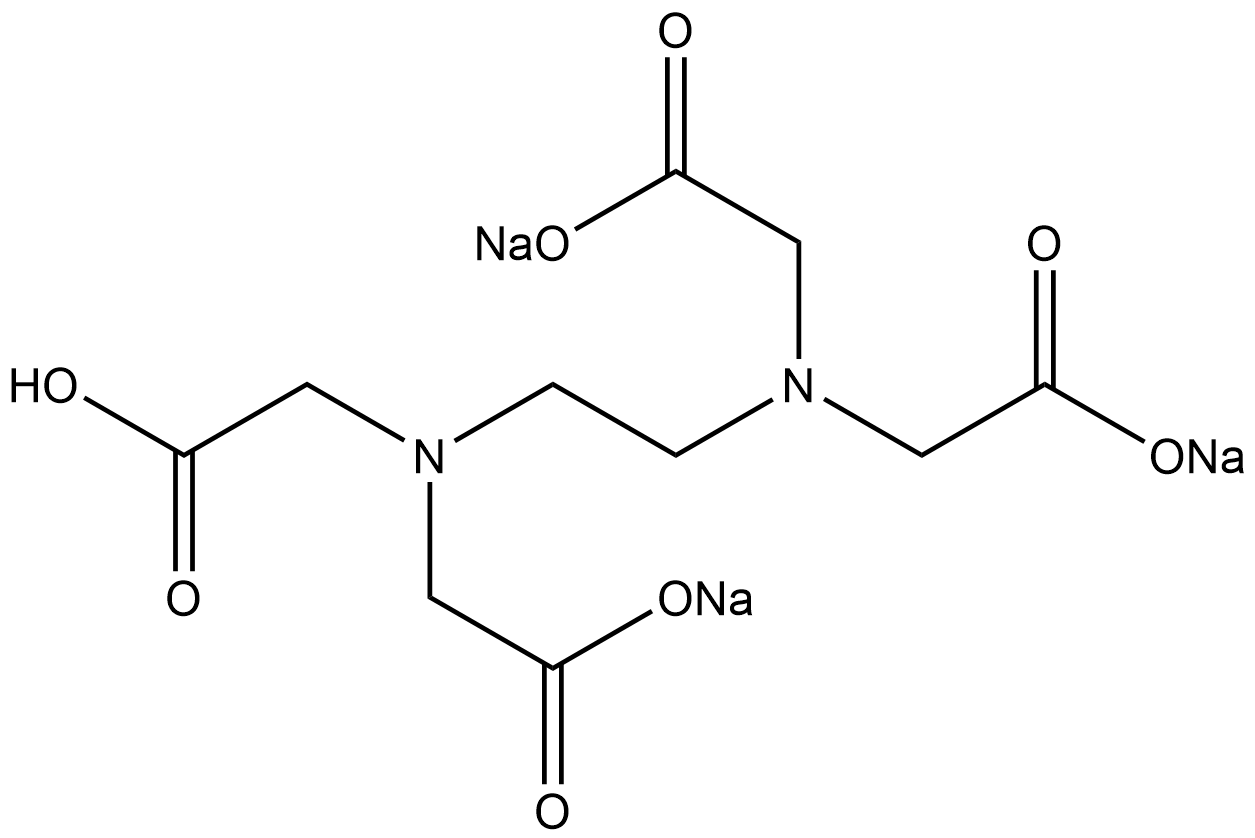 C9005 Edetate TrisodiumSummary: Edetate trisodium is a tricarboxylate chelating agent that sequesters divalent metal ions and is utilized in biochemical and molecular biology research.
 -
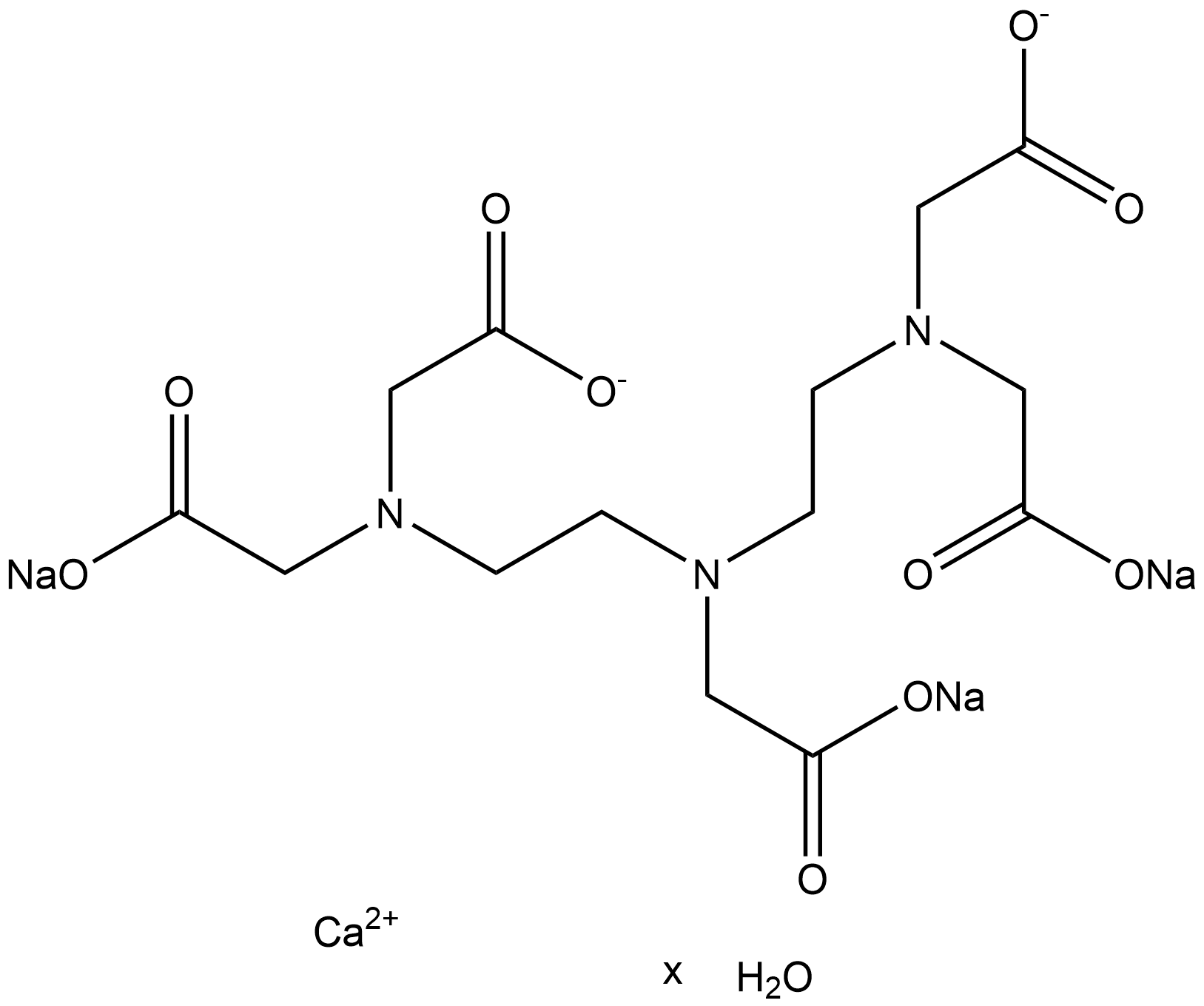 C9006 pentetate calcium trisodium hydrateSummary: Pentetate calcium trisodium hydrate is a metal-chelating aminopolycarboxylate complex used to investigate radionuclide coordination chemistry and metal ion sequestration in radiochemical research.
 -
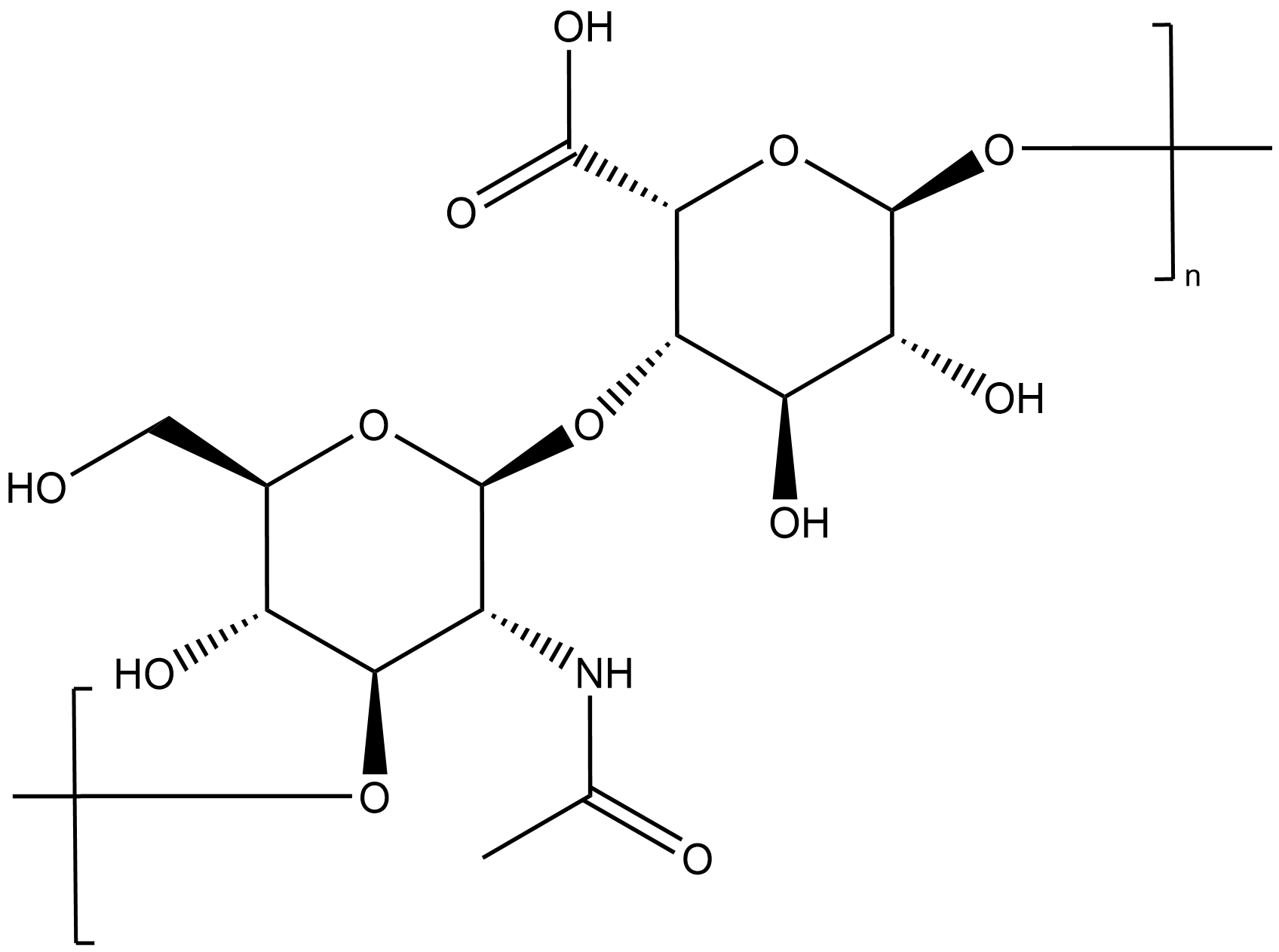 C9013 Hyaluronic acidSummary: Hyaluronic acid is a high-molecular-weight glycosaminoglycan targeting extracellular matrix and CD44-mediated signaling, widely utilized in cell biology, biomaterials, and tissue engineering research.